
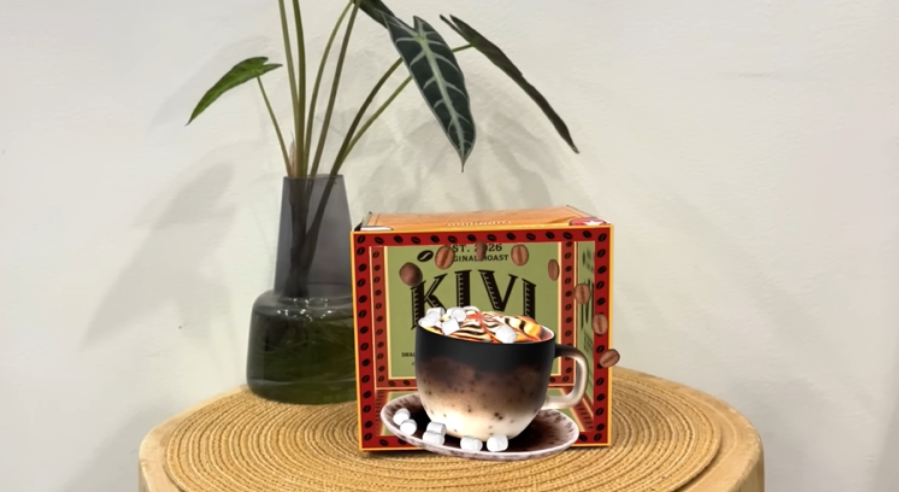
Marketing has always evolved alongside technology. From print advertisements and television commercials to social media and influencer campaigns, brands continually look for better ways to capture attention and create memorable experiences. Today, augmented reality marketing campaigns are becoming an increasingly valuable method for marketers because it allows audiences to interact with digital content while remaining in the real world.
WebAR takes this concept even further by making augmented reality accessible through a web browser. Instead of asking customers to download a dedicated application, brands can provide an AR experience through a QR code or a simple link. This lower-friction approach can make interactive campaigns easier to discover, use, and share.
Understanding WebAR and Its Marketing Potential
Augmented reality overlays digital elements such as 3D objects, animations, videos, or interactive effects onto the user’s physical surroundings. When delivered via the browser, the experience is particularly convenient because users can access it on a compatible smartphone without installing an additional application.
For marketers, this creates an opportunity to move beyond passive advertising. Rather than simply looking at a poster, product image, package, or advertisement, customers can interact with it. A printed advertisement, for example, can become a gateway to a 3D product demonstration, while product packaging can trigger an animated brand experience.
This shift from viewing to participating can make campaigns more engaging and memorable. It also gives brands another way to connect physical marketing materials with digital experiences.
Creating Interactive Brand Experiences
One of the biggest advantages of WebAR is its ability to turn ordinary marketing touchpoints into interactive experiences. Consider a retail product displayed on a shelf. A customer could scan a QR code or visual marker and immediately explore a 3D representation of the product, discover additional information, or interact with branded content.
Fashion companies can use AR for virtual try-on experiences, while furniture retailers can allow customers to visualize products in their own spaces. Automotive brands can present interactive 3D vehicle models, and entertainment companies can use posters or event materials to unlock trailers, games, characters, or special effects.
These experiences give consumers a reason to engage with a campaign rather than simply scroll past an advertisement.
The Role of No-Code AR Platforms
Building augmented reality experiences once required considerable technical expertise. Modern no-code platforms are helping reduce that barrier by allowing marketers and creative teams to develop experiences through visual interfaces.
Kivicube AR is one example of a WebAR platform designed to simplify AR creation and publishing. Its visual editor supports drag-and-drop content creation, while users can begin with templates or create scenes from scratch. The platform also supports different AR formats, including image, world, face, body, landmark, and 3D-object experiences.
This type of workflow can be useful for marketing departments that want to experiment with AR without building an entire application from the ground up. Teams can add images, videos, 3D assets, and interactions, then publish their experiences through a link or QR code.
Building Effective Augmented Reality Marketing Campaigns
Successful AR campaigns should begin with a clear marketing objective. Technology alone does not make a campaign effective. Brands need to understand what they want the audience to do and how AR can make that action more interesting.
For example, a cosmetics company might use AR to help customers visualize a product before buying it. A food brand could transform packaging into an interactive storytelling experience. A real estate company could use 3D models to help prospective buyers explore properties. At an event, AR could turn a physical venue into an interactive game or discovery experience.
The most effective campaigns connect the AR interaction directly to the customer journey. The experience might educate the customer, demonstrate a product, encourage sharing, collect engagement data, or ultimately support a purchase decision.
Augmented reality marketing campaigns can be used across industries such as sports, food and beverage, fashion, real estate, automotive, film, and entertainment. Campaign formats can include AR advertising, treasure hunts, gamification, event experiences, and interactive packaging.
Why WebAR Can Reduce Friction
Traditional app-based AR often requires users to find an application, download it, install it, and potentially create an account before interacting with the experience. Every additional step creates an opportunity for users to abandon the process.
WebAR addresses some of this friction by allowing campaigns to be accessed directly through browsers. For example, the Kivicube platform enables people to generate AR experiences that can be shared through links and QR codes without requiring a dedicated app.
This makes WebAR particularly suitable for offline-to-online campaigns. A QR code printed on packaging, a billboard, a magazine, a business card, a product display, or an event poster can provide a direct bridge between the physical and digital worlds.
Making AR More Shareable
Another important consideration is social engagement. People naturally share experiences that are entertaining, surprising, useful, or visually appealing. AR can provide those qualities by allowing users to interact with branded 3D objects, animations, games, filters, and virtual environments.
For example, a brand could create an AR effect connected to a product launch and encourage customers to record or share their experience. Similarly, an event organizer could create an interactive AR challenge that motivates attendees to participate and post their results online.
The goal should not simply be to create something technologically impressive. The experience should give users a meaningful reason to interact and share.
Measuring the Results
As with any marketing channel, AR campaigns should be evaluated against measurable objectives. Depending on the campaign, useful metrics can include page views, user interactions, scan activity, engagement time, conversions, or social sharing.
WebAR platforms can also make it easier to connect interactive experiences with broader digital campaigns. Kivicube, for example, provides an analytics dashboard for monitoring views and user activity, allowing marketers to use engagement information when evaluating campaigns.
This data can help marketers identify which experiences attract attention and which need improvement.
The Future of Interactive Marketing
As smartphones continue to serve as everyday gateways to digital content, WebAR has the potential to become a practical extension of traditional marketing. Its strength comes from combining accessibility with interactivity.
Brands no longer have to choose between physical and digital experiences. A product package can become an interactive interface. A billboard can become a product demonstration. A magazine can become a 3D experience. An event can become an interactive environment.
The most successful implementations will be those that use AR to solve a real marketing challenge rather than adopting the technology simply because it is new. With accessible creation tools, reusable templates, 3D assets, analytics, and browser-based delivery, businesses of different sizes can experiment with immersive campaigns without necessarily developing a standalone mobile application.
WebAR therefore represents more than another advertising format. It provides brands with a way to make customers active participants in the marketing experience—and that shift toward participation may be one of the most valuable developments in modern digital marketing.