How to Plan a Final Home Cleaning After Furniture and Personal Belongings Are Removed

by | Oct 13, 2026 | How To | 0 comments

Moving out changes the way a home can be cleaned. Once furniture, boxes, rugs, decorations, and everyday belongings are gone, surfaces that were hidden for years become fully accessible. Dust lines, floor marks, cabinet residue, and overlooked corners can suddenly become visible, making the final cleaning stage different from ordinary weekly upkeep.

The most efficient approach is to wait until the majority of personal belongings have left the property before completing detailed work. Otherwise, movers and remaining boxes can create new dust or block areas that still need attention. Move out cleaning in Pickering works best when tasks follow a logical sequence and the empty rooms can be addressed without repeatedly shifting possessions.

A clear plan also helps homeowners separate cleaning from repairs and moving responsibilities. Apex Home Cleaning may be considered during this stage, while residents can focus on removing remaining possessions and checking the property for forgotten items. Keeping those activities coordinated reduces the chance that freshly cleaned spaces will be disturbed again.

Begin With a Walkthrough of the Empty Property

An initial walkthrough helps identify areas that need more attention than expected. Furniture may have hidden dust along walls, marks on flooring, or debris beneath large pieces. Empty rooms make these conditions easier to see before cleaning begins.

The walkthrough should include closets, cabinets, shelves, utility spaces, and other areas that may have held belongings until late in the move. Small items are easily forgotten in drawers or on high shelves. Removing them first prevents personal possessions from becoming mixed with cleaning supplies or discarded material.

This is also the right time to identify issues that cleaning will not solve. Damaged surfaces, loose hardware, or maintenance concerns should be treated separately rather than scrubbed repeatedly in an attempt to correct physical wear.

Work From Higher Surfaces Toward the Floors

Cleaning order matters more in an empty home because dust disturbed from upper surfaces can settle below. Starting with accessible ledges, shelves, trim, and other elevated areas allows loose material to fall before the floors receive their final attention. This reduces repeated work.

Doors, frames, window sills, and accessible baseboards can be included as the process moves downward. The appropriate cleaning method should match the surface material, especially where painted finishes or delicate materials are present.

Floors should generally come later in the sequence. Vacuuming or cleaning them too early can be inefficient if dust is still being removed from other parts of the room.

Check Areas Previously Hidden by Large Furniture

Beds, sofas, cabinets, bookcases, and entertainment units can remain in one position for years. The spaces beneath and behind them may contain dust, small objects, pet hair, or residue that ordinary cleaning could not easily reach.

Once furniture is gone, these sections should be treated as part of the room rather than overlooked because they were previously inaccessible. Marks that remain after appropriate cleaning may represent wear or damage rather than removable dirt.

Empty Cabinets and Closets Need Their Own Cleaning Pass

Storage areas often disappear from view during normal household routines. Shelves become covered by clothing, dishes, food containers, toiletries, or miscellaneous belongings, leaving little opportunity to clean the entire surface at once. Moving creates a rare chance to address them while completely empty.

Kitchen cabinets, bathroom storage, built-in shelving, and closets can be checked for crumbs, dust, hair, or ordinary residue. Drawers deserve attention as well because small particles tend to collect in corners. Cleaning methods should remain appropriate for the material and finish.

Apex Home Cleaning can fit into a final cleaning plan that includes these commonly overlooked storage spaces. Homeowners should still remove personal belongings beforehand so the cleaning process does not become mixed with packing or sorting.

Give Kitchens a Structured Final Cleaning

Kitchens contain many different surfaces within a relatively small area. Counters, sinks, cabinet fronts, shelves, appliance exteriors, and floors may all require attention after the final dishes and food items have been removed. Working systematically prevents small areas from being missed.

Cabinet interiors are easier to reach once they are empty. Crumbs and residue can collect in corners, while handles and exterior surfaces may show marks from regular use. Material-appropriate products should be used rather than assuming one cleaner is suitable for every finish.

Move Out Cleaning should also account for accessible areas around appliances without encouraging unsafe movement of heavy equipment. Appliances connected to electrical, gas, or plumbing systems should only be moved or handled according to appropriate guidance.

Address Bathrooms After Personal Items Are Gone

Bathrooms can be difficult to clean thoroughly while toiletries, towels, storage containers, and everyday products cover counters and shelves. Once those belongings are removed, sinks, counters, tubs, showers, toilets, mirrors, cabinets, and floors become easier to address in a consistent order.

Ordinary soap residue and buildup may need more attention than they receive during a quick weekly cleaning. Fixtures and surfaces should still be treated according to their materials because aggressive products or tools can damage some finishes.

Cleaning may also reveal conditions that require maintenance. Damaged caulk, persistent staining, loose fixtures, or plumbing concerns should not automatically be treated as dirt that requires stronger scrubbing.

Leave Floors Until Major Activity Is Finished

Floors receive considerable traffic during a move. Movers carry furniture through rooms, boxes travel along hallways, and exterior dirt may enter repeatedly through open doors. Completing final floor care before that activity ends can result in immediate rework.

Once the property is mostly empty and major traffic has stopped, floors can receive focused attention. Corners, edges, areas beneath former furniture locations, and paths through closets are easier to access without obstacles.

Different flooring materials require different care. Carpet, hardwood, laminate, tile, and vinyl should be treated according to suitable methods instead of receiving the same products or moisture levels.

Pay Attention to Frequently Touched Surfaces

Small contact points can be overlooked when empty rooms receive most of the attention. Door handles, light switches, cabinet pulls, railings, and similar surfaces may have been touched repeatedly during packing and moving. Including them creates a more complete final pass.

These surfaces should be cleaned using methods appropriate for their materials and nearby electrical components. Excessive moisture around switches or other electrical areas should be avoided.

Apex Home Cleaning may address suitable household surfaces as part of the planned work. Residents can then use their final walkthrough to confirm that frequently handled areas have not been missed.

Schedule the Final Cleaning at the Right Time

Timing can determine whether cleaning remains intact until the property is handed over. If work is completed while movers are still carrying large items through the home, floors and other surfaces may need attention again. Cleaning too late, however, can create unnecessary pressure around deadlines.

The ideal window is generally after belongings have been removed but before the final handover. Move Out Cleaning can then focus on exposed surfaces without competing with packing, furniture movement, or active household routines.

Homeowners should leave enough time afterward for a walkthrough. Rushing directly from cleaning to departure increases the likelihood that a closet, drawer, or small area will be overlooked.

A Final Walkthrough Brings the Process Together

The last walkthrough should follow the same route used during the initial inspection. Check each room, then review closets, cabinets, bathrooms, the kitchen, and connecting hallways. Looking at the property systematically is more dependable than relying on memory.

Cleaning an empty home is different from maintaining an occupied one because previously covered surfaces become part of the visible space. A logical sequence helps homeowners address those areas without repeating tasks or interfering with the moving process.

Completing the work after possessions are removed gives the property one final organized pass. With storage areas empty, furniture gone, and major foot traffic finished, homeowners can concentrate on leaving accessible surfaces clean and completing their move without unfinished cleaning tasks competing for attention.
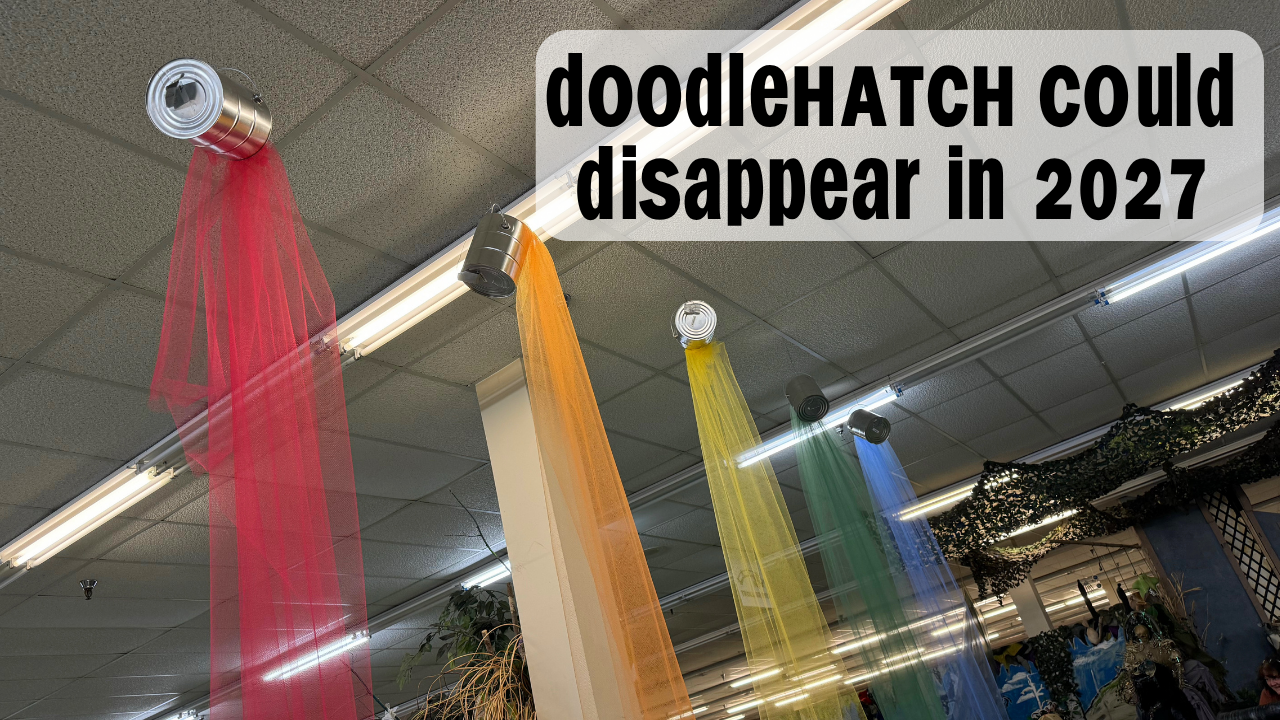
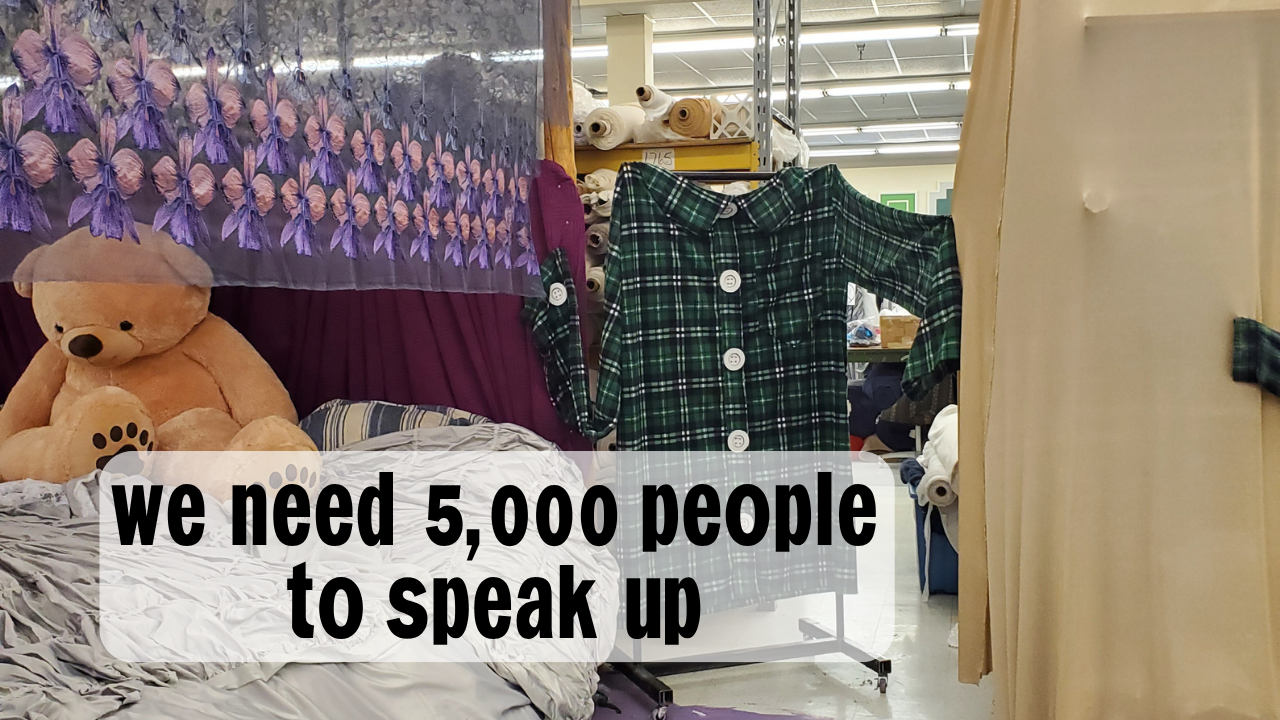
In Columbia, Maryland, there’s a former grocery store that has been transformed into a department store for mythical creatures, time travelers, and intergalactic tourists.

It’s called DoodleHATCH.

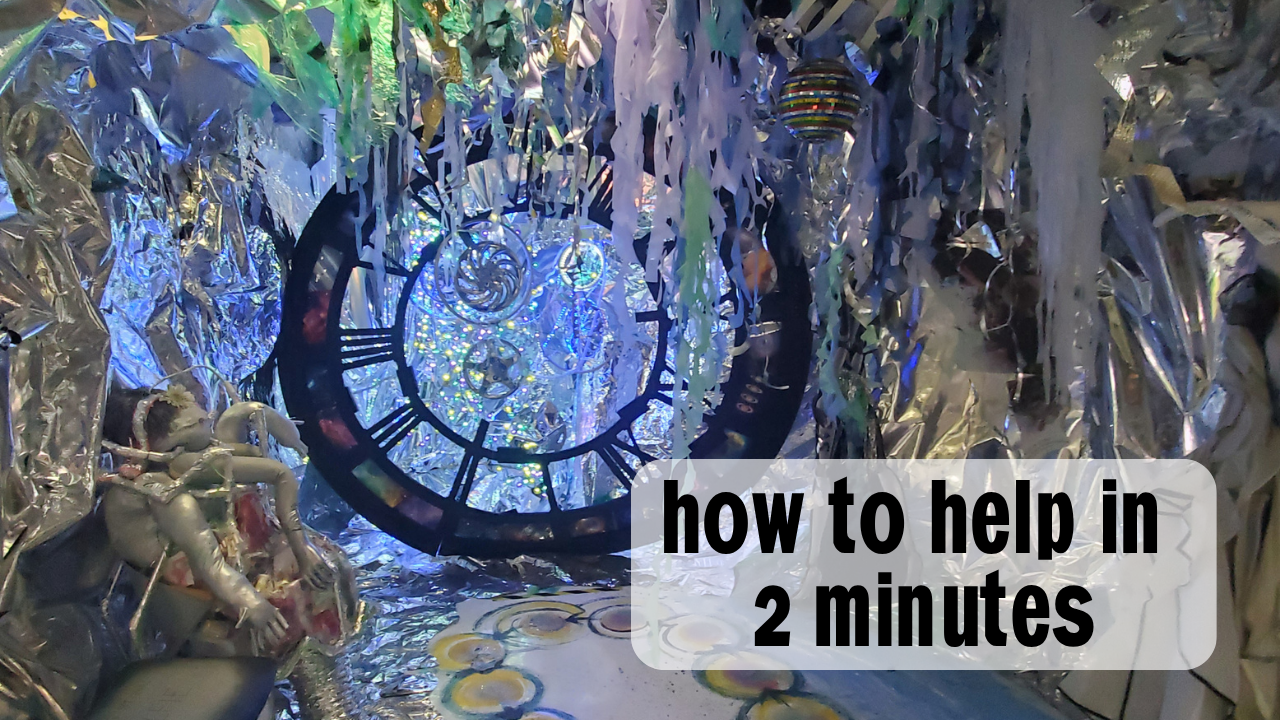
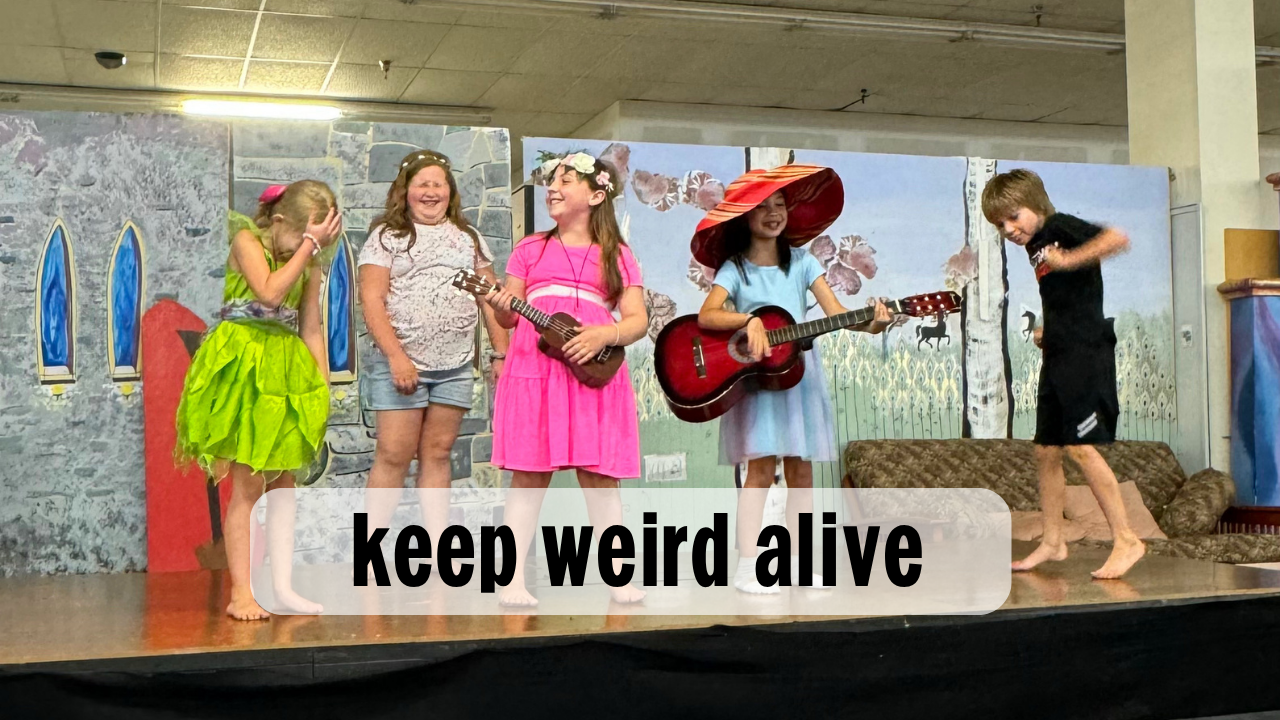
You can groom a unicorn, visit an intergalactic space station, climb onto a giant’s bed, meet guinea pigs, explore an artist’s studio, and discover approximately a million other things that somebody actually sat down and made.

It’s a nonprofit interactive art museum, a community project, an educational resource, and one of my favorite places I’ve ever discovered.

And it could be demolished as part of a proposed redevelopment of the Long Reach Village Center.

But there’s still an opportunity to help.

You don’t need to donate money. You don’t need to live in Maryland. And you don’t need to know anything about zoning laws.

You can start by writing an email.

🚨 Here's what's happening

Developer Columbia Concepts has proposed redeveloping the Long Reach Village Center in Columbia, Maryland.

The proposal would replace existing buildings with new housing, recreational facilities, and other development.

Unfortunately, that puts a whole collection of existing community resources at risk of being demolished, including:

  • DoodleHATCH Interactive Art Museum
  • Maryland Fashion Institute
  • A makerspace used for community education
  • Local restaurants, shops, and service businesses
  • Early childhood education and community programs
  • A 140-foot-long mural created by approximately 100 community members

This isn’t just about losing a fabulous museum. It’s about losing an entire collection of places that people have built, supported, and relied on.

And there’s another possibility!

🌈 Meet The REALM

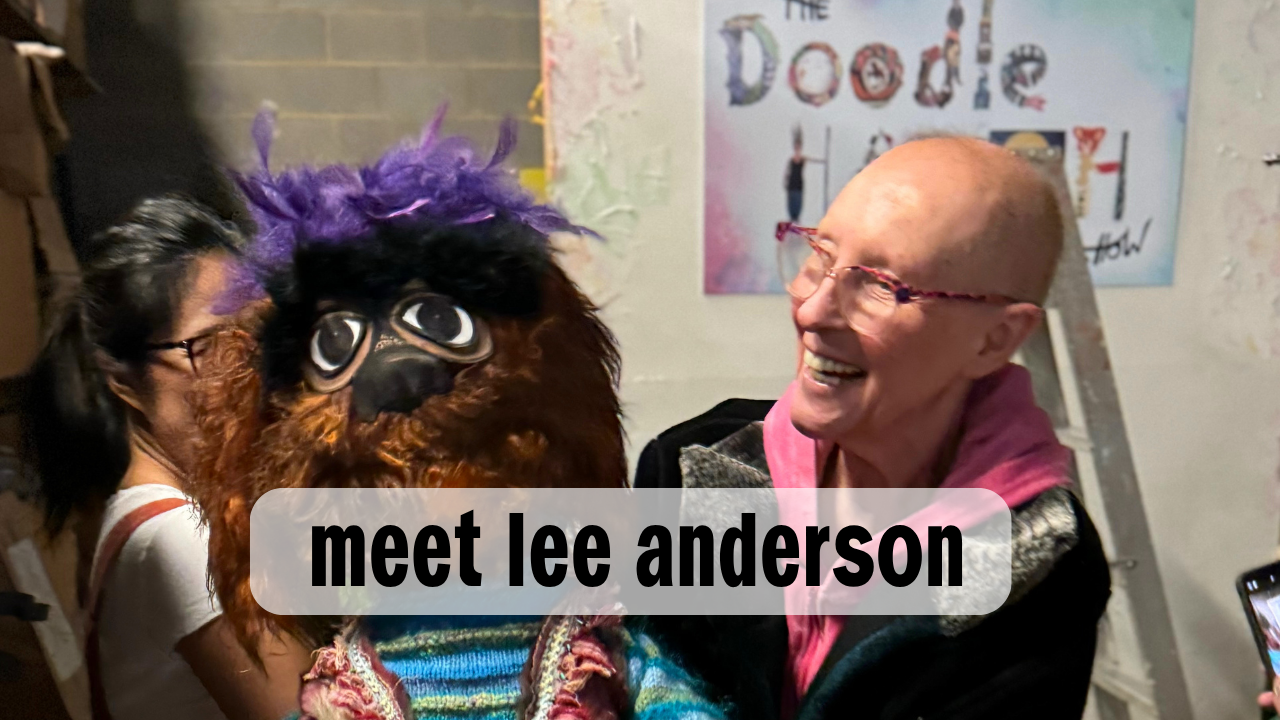
Lee Andersen, the founder of DoodleHATCH, and her nonprofit ManneqART want to preserve the existing community resources and transform the village center into an arts and culture destination called The REALM.

Imagine a place where artists have studios, children have room to explore, students can learn creative skills, people can attend performances, and local businesses continue serving their neighbors.

There are plans for a performing arts space, more opportunities for artists, and a Witches Kitchen that might serve you a horrible-disgusting breakfast.

Which, personally, I think sounds promising.

The people behind DoodleHATCH are gathering support to oppose the developer’s zoning proposal and advocate for The REALM.

And they’d love your help.

💌 How to help in about two minutes

If you live in Howard County, Maryland

If you’re 18 or older, DoodleHATCH is asking eligible county residents to visit the museum and sign their petition in person.

📍DoodleHATCH Interactive Art Museum

8775 Cloudleap Court, Unit 101
Columbia, MD 21045

⏱️ Museum hours: Friday–Sunday, 10 AM–5 PM.

And while you’re there, I highly recommend exploring the museum. Bring someone who needs a reminder that being an adult doesn’t mean you have to stop enjoying ridiculous things.

If you don't live in Howard County

You can still help!

DoodleHATCH is collecting emails from people who oppose the proposed Columbia Concepts redevelopment and support preserving the existing arts and community resources through The REALM.

Send your email to: Lilou@DoodleHATCH.com

Suggested subject: Support The REALM | Oppose Columbia Concepts Zoning Proposal ZB 1132M

You can write your own message or use one of the templates below.

You don’t need to write an essay. A short, genuine message explaining what you support and why is enough to participate in this email campaign.

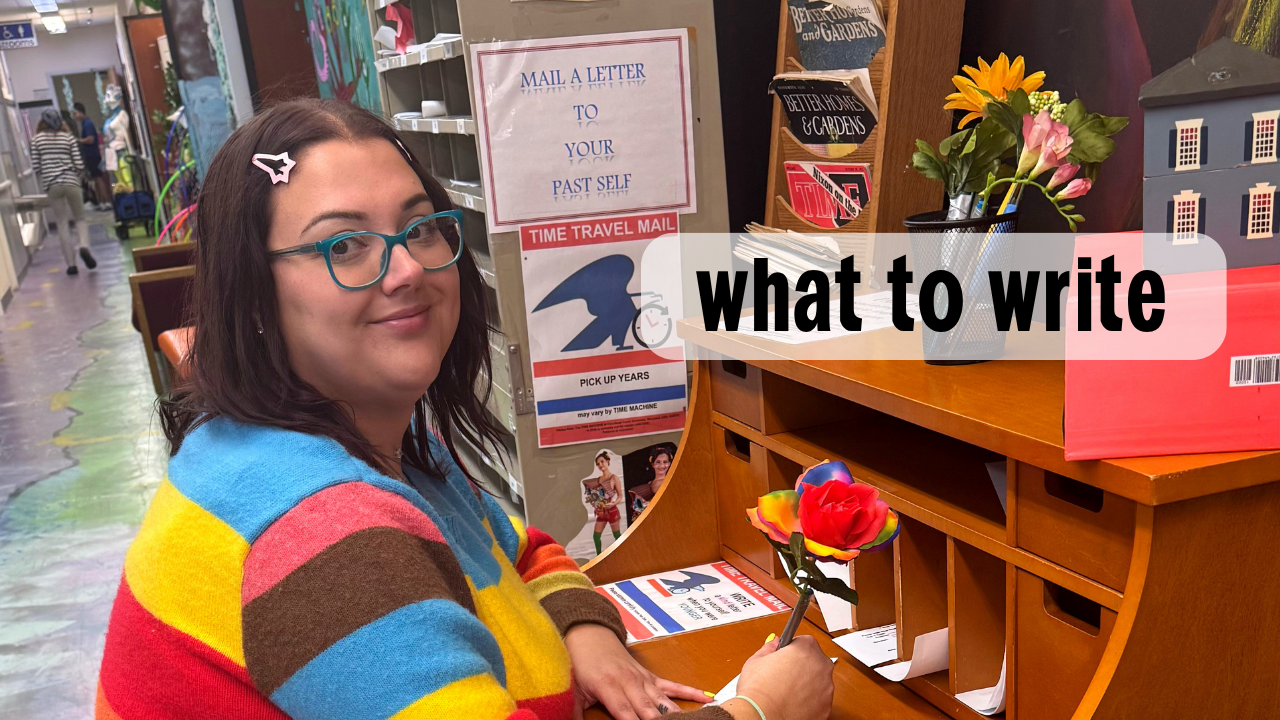
✍️ What should your email say?

To make your position clear, include these three things:

1. Say what you’re opposing.

State that you oppose the proposed Columbia Concepts redevelopment and zoning amendment for the Long Reach Village Center, case ZB 1132M.

2. Say what you’re supporting.

Express your support for preserving DoodleHATCH, the Maryland Fashion Institute, existing community resources, and the proposed arts and culture center called The REALM.

3. Explain why you care.

This is the part that makes your email yours.

Maybe you’ve visited DoodleHATCH. Maybe you’re a parent who wants more creative places for children. Maybe you’re an artist, an educator, or someone who thinks it’s important to protect the few spaces where people can explore and make things without needing to buy something.

Maybe you live across the country and just learned that there’s a department store for mythical creatures in Maryland, and you think the world would be a little less interesting without it.

That’s a perfectly good reason to care.

💌 Email templates you can copy

Option 1: Short, simple, and effective

Subject: Support The REALM | Oppose ZB 1132M

Hello,

I’m writing to express my opposition to the proposed Columbia Concepts zoning amendment and redevelopment of the Long Reach Village Center (ZB 1132M).

I support preserving DoodleHATCH, the Maryland Fashion Institute, and the existing community services and small businesses, as well as the proposal to create The REALM arts and culture center.

Creative and educational spaces like these provide valuable opportunities for families, artists, students, and the wider community. I believe they deserve to be protected.

Please include my email with the messages of support being collected for DoodleHATCH and The REALM.

Thank you,

[Your Name]
[Your City/State]

Option 2: For artists, creatives, and fellow merriment makers

Subject: Please Protect DoodleHATCH and Support The REALM

Hello,

I’m writing in opposition to Columbia Concepts’ proposed redevelopment and zoning amendment for the Long Reach Village Center (ZB 1132M), and in support of The REALM.

I believe communities need places where creativity, imagination, and play are actively encouraged.

DoodleHATCH is an extraordinary example of what can happen when artists and community members are given room to create something that doesn’t fit into an ordinary commercial space.

Places like this are rare. They encourage people of all ages to experiment, learn, explore, and connect with one another.

I support preserving DoodleHATCH, the Maryland Fashion Institute, the existing community resources, and the vision for The REALM.

Thank you for collecting these messages and advocating for the creative community.

[Your Name]
[Your City/State]

Option 3: For people who've visited DoodleHATCH

Subject: Please Save DoodleHATCH | Oppose ZB 1132M

Hello,

I’m writing to express my opposition to the proposed Columbia Concepts redevelopment and zoning amendment for the Long Reach Village Center (ZB 1132M), and my support for The REALM.

I’ve personally visited DoodleHATCH, and I want to share why I believe it’s worth preserving.

[Write two or three sentences about your experience. What did you see? Who did you bring? What surprised you? What made you want to return?]

DoodleHATCH is more than a collection of exhibits. It’s a place where creativity is something people can actively participate in, and I believe losing it would be a tremendous loss to the community.

I support preserving the museum, the Maryland Fashion Institute, and the other existing community resources through the proposed arts and culture center, The REALM.

Please include my email with the messages of support you’re collecting.

Thank you,

[Your Name]
[Your City/State]

A few tips before you hit send

DO:

  • Use your real name.

  • Include your city and state so organizers can understand where support is coming from.

  • Clearly identify the redevelopment proposal you’re opposing.

  • Specifically mention your support for The REALM.

  • Add a personal sentence or two if you can.

  • Be respectful, even if you’re frustrated.

  • Share this page with other people who might want to help.

DON’T:

  • Pretend to be a Howard County resident if you’re not.

  • Claim to have visited DoodleHATCH if you haven’t.

  • Make up experiences or information.

  • Send threatening, insulting, or harassing messages.

  • Assume your email is the same thing as signing the official petition.

  • Worry about making your message sound impressive. Clear and genuine is better than elaborate.

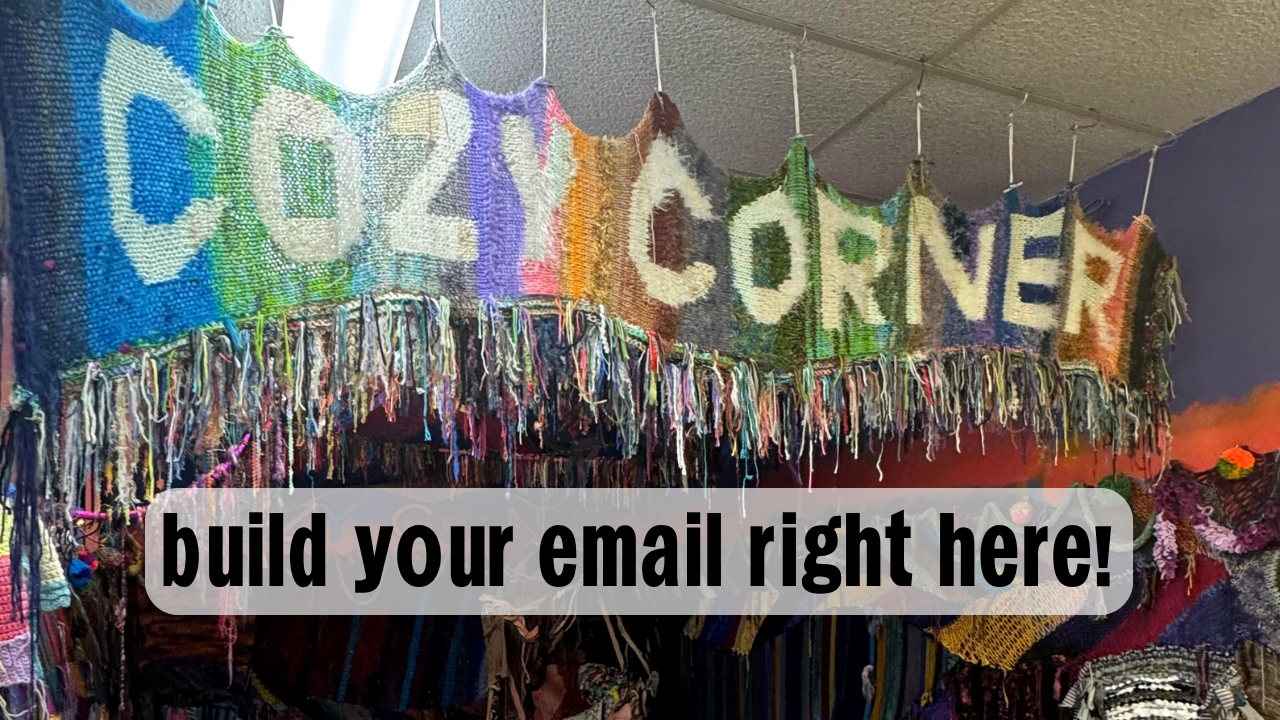
💌 The Save DoodleHATCH Email Machine

A few clicks, a little personality, and an email that helps support DoodleHATCH and The REALM. No account or signup required.

What's your connection to DoodleHATCH?
Why does protecting places like this matter to you?
✨ Your email preview
To: Lilou@DoodleHATCH.com
Subject:

Your information stays in your browser until you choose to copy or open the message. The email does not send automatically. Emails support DoodleHATCH's advocacy campaign; they are not the same as official petition signatures or zoning testimony. Please review the message before sending.

🐹 Wait. What exactly is DoodleHATCH?

I’m so glad you asked.

DoodleHATCH is an interactive art museum in Columbia, Maryland, created by artist, designer, and professional generator of wildly ambitious ideas, Lee Andersen.

The museum is designed as a pretend department store for mythological creatures, time travelers, and galactic tourists.

There are dozens of installations, and unlike most museums, you’re encouraged to touch things, explore, and participate.

There’s also an artist’s studio full of fabric and handmade garments, workshops, special events, birthday parties, free books, and opportunities for local artists to share their work.

The museum welcomes families and children, but adults are absolutely allowed to enjoy themselves, too.

And the woman behind it has spent decades bringing creativity into the community through fashion, festivals, education, and public art.

I discovered DoodleHATCH in 2020 and loved it so much that I started volunteering.

I’ve been back multiple times, and there are still things I haven’t seen.

That’s part of what makes it special. You can keep discovering things because people keep creating them.

You don't have to live near DoodleHATCH to care about it.

There are Merriment Makers everywhere.

People turning empty buildings into art spaces. People organizing parades. People teaching kids how to sew, paint, dance, or build things. People putting enormous amounts of time into projects that make their communities more interesting.

Sometimes they’re running nonprofits. Sometimes they’re working out of their garages. Sometimes they’re making something weird in a strip mall that you might drive past a hundred times without realizing what’s inside.

I hope you’ll help protect DoodleHATCH.

And I hope you’ll look around your own community, too. Visit the strange little museum. Go to the local art show. Find the person who makes giant puppets or organizes an absurd annual festival. Spend your money at the independent shop with the handmade things.

There are people everywhere creating reasons for us to be curious about being alive.

I’d like them to be able to keep doing that.

Help save DoodleHATCH. Help protect The REALM. Help keep the world interesting.

💌 Email: Lilou@DoodleHATCH.com

🌈 Visit: DoodleHATCH.com

🦄 Share: Uncustomary.org/Doodle