
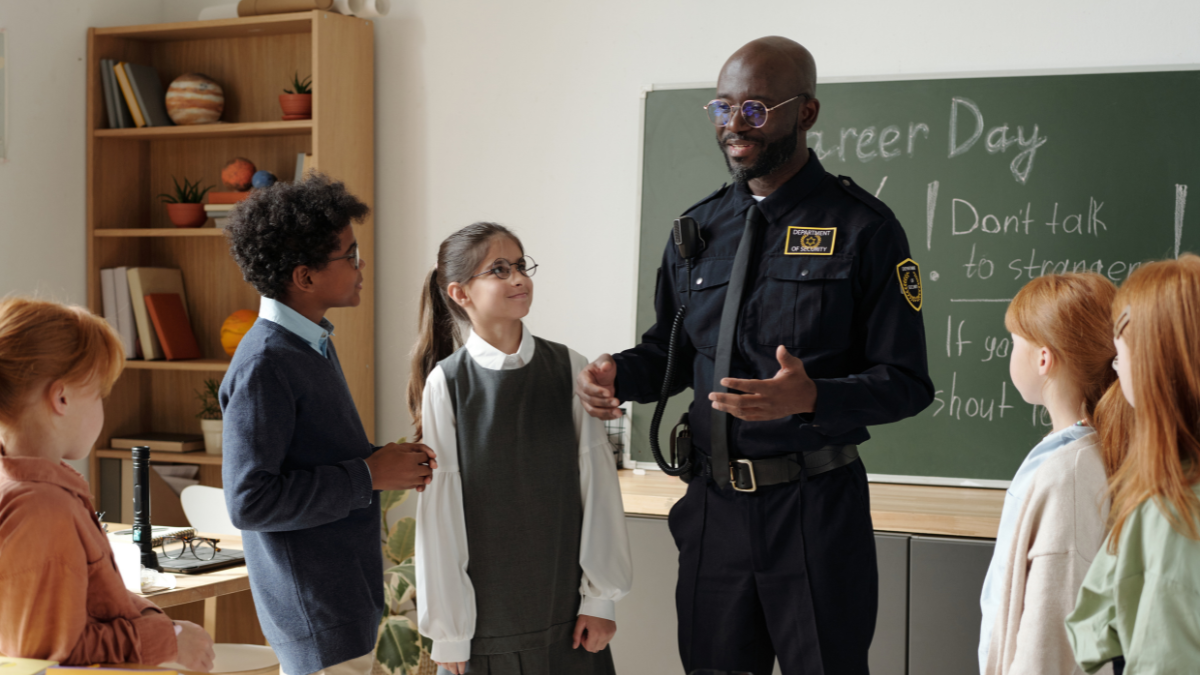
Keeping our children safe in schools is very important. Schools should be places where students feel secure and can focus on learning. However, many communities are rethinking their security measures due to rising safety concerns. We want to create a space where students can thrive without fear, and where parents feel comfortable dropping them off.
When we think about school security, it’s important to use strategies that align with the school’s daily activities to create a safe and welcoming environment. Training staff on safety procedures and on the use of modern technology are key steps. Let’s explore ways to improve security in local schools to ensure a safe environment for everyone.
Welcoming Environment
Building a culture of safety can greatly affect how students, staff, and parents view the school. When everyone understands and cares about security, it creates a shared sense of responsibility. This teamwork encourages open discussions about safety and helps everyone be proactive about potential issues.
Schools can strengthen this culture by communicating regularly with teachers, students, and parents. Hosting safety workshops can inform everyone about emergency procedures and gather feedback to improve them. Involving the community in safety discussions shows that safety is a shared effort, building trust among all.
Walk-Through Metal Detector
A walk through metal detector is now popular as a friendly and effective first line of defence in schools. These detectors improve security while keeping the school’s daily activities running smoothly. As students and visitors enter, they can pass through the detector quickly, which helps everyone feel respected and valued while remaining alert to potential threats.
These detectors not only act as a deterrent but also encourage accountability in the school. When students know that safety measures exist, they may feel safer and be better equipped to make responsible choices. Instead of seeing them as obstacles, students can view walk-through metal detectors as part of their everyday safety routine.
These metal detectors are easy to use and can blend well into school entrances, making them less intimidating. By presenting security technology in a positive light, schools can help everyone better understand safety protocols while reinforcing the shared responsibility for maintaining a secure learning environment.
School Security Solutions
Investing in technology to improve school security is important for keeping students safe. Digital surveillance systems enable staff to monitor the school in real time and can be crucial during emergencies. These systems not only protect the school but also help document incidents for better policies and procedures.
A strong communication system is also essential school security solutions. It allows staff, students, and law enforcement to stay in touch easily, especially in emergencies. Effective emergency alerts sent through multiple channels keep everyone informed and enable a coordinated response.
Lighting and Safety Drills
Better lighting around the school’s perimeter can enhance safety. Well-lit areas discourage potential threats and make students feel safer as they move around campus.
Regular safety drills are important too. They prepare students and staff for different scenarios and help everyone understand their roles. Practicing emergency responses reduces panic during real events, leading to a calmer response.
Community Engagement
Working with local law enforcement and community groups improves security efforts. These partnerships help schools stay aware of potential risks and develop safety measures that fit their needs.
When schools and communities join forces, they create a support network that goes beyond physical security. Programs that involve police officers in schools can build trust and make students more comfortable sharing their concerns.
Additionally, mentorship programs that connect students with local leaders can create a sense of belonging and responsibility. When students feel connected to their community, they are more likely to engage in positive behaviours, thereby helping create a safer school.
Educating Staff and Students
Training is key. Staff need to know emergency procedures and how to spot warning signs among students. Regular professional development can give teachers the tools to respond effectively in different situations.
Students should also receive age-appropriate training in personal safety and conflict resolution. Teaching them critical thinking skills can lead to better decision-making during crises and everyday situations.
Consider adding safety education to the curriculum. Programs that promote empathy, kindness, and peer support can strengthen student relationships, reducing bullying and conflicts. When a positive school culture thrives, safety naturally follows.