
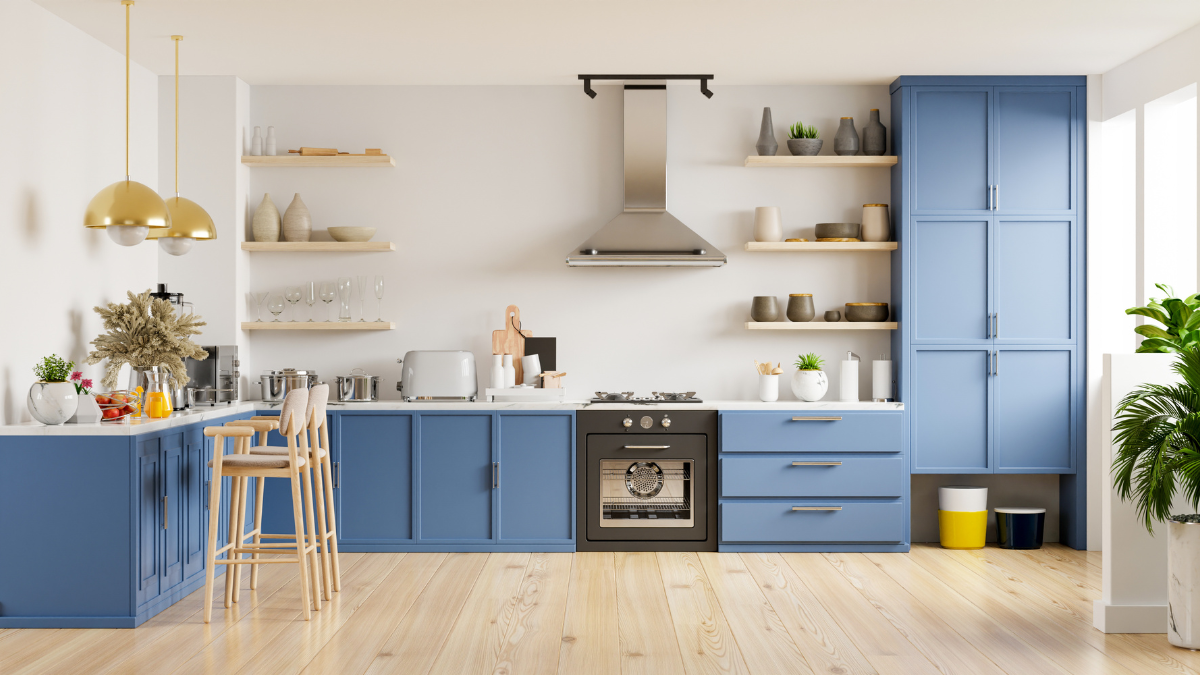
Your kitchen cabinets are an essential part of your home, and in Florida, they deal with more than everyday wear. Orlando homeowners face heat, moisture, and seasonal changes that can affect cabinet doors, finishes, and overall durability. If you want your kitchen cabinets to keep their look and functionality, smart maintenance matters. This guide explains how humidity affects cabinetry, what materials work best, and how a local kitchen cabinets service in Orlando like JMT Cabinets can help protect your investment.
Understanding Orlando’s Humid Climate and Its Impact on Kitchen Cabinets
Orlando’s climate brings steady humidity, warm temperatures, and noticeable seasonal changes. For homeowners in Florida, that means cabinetry faces regular moisture exposure even when water is never spilled directly on the surface.
Over time, high humidity levels can cause swelling, warp cabinet parts, loosen joints, and shorten longevity. Cabinet doors may stick, finishes may peel, and hinges may shift out of alignment. That is why Florida’s regional climate should shape your kitchen cabinet choices from the start, especially when you want durable materials and a longer-lasting kitchen.
How Humidity Levels in Orlando Affect Cabinet Materials and Longevity
Wood reacts to the air around it. When humidity levels rise, materials absorb moisture and expand. When indoor air dries too much from air conditioning, they can contract. This repeated movement places stress on cabinet surfaces and joints.
Solid wood is especially reactive because it is a natural material. Oak and maple offer strong performance and better dimensional stability, but they still need a good finish to slow moisture absorption. If that barrier weakens, swelling, sticking, and small alignment issues can follow.
Engineered materials can offer more stability in Florida’s humidity. Moisture-resistant plywood uses treated veneers and waterproof adhesives, which helps protect structural integrity. MDF gives a smooth painted finish, but if water reaches exposed areas, it can swell quickly. Choosing the right material has a direct effect on longevity.
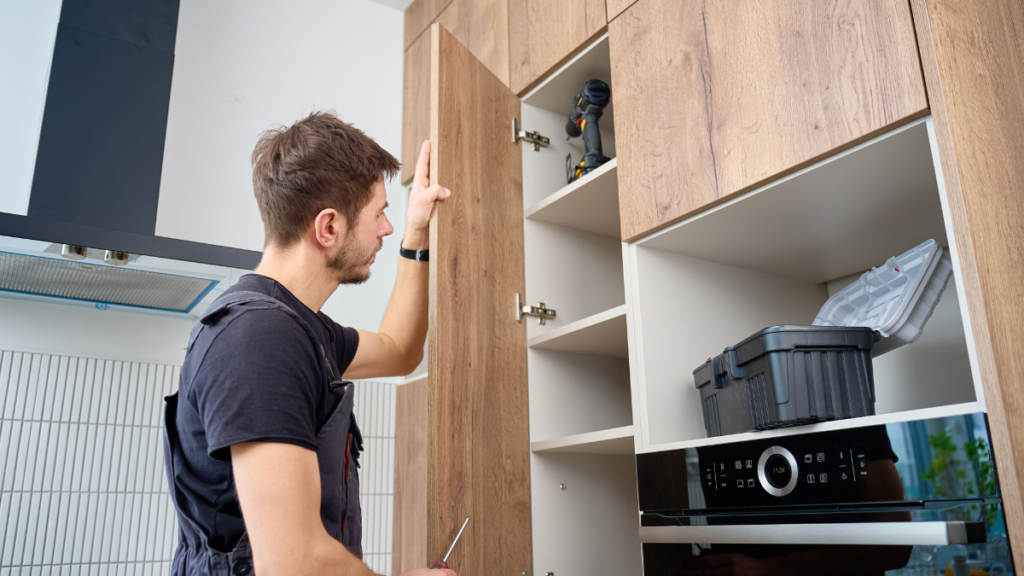
Common Signs of Moisture Damage to Watch For in Kitchen Cabinets
Early signs of moisture damage are often easy to miss. You may notice a slight change in the way cabinet doors close, or a finish that no longer looks smooth. Catching these issues early helps you avoid bigger repairs later.
Watch for these warning signs during routine checks:
- Swelling around edges, corners, or near sink areas
- Cabinet doors that stick, rub, or sit unevenly
- Peeling, bubbling, or discoloration on finished surfaces
- Loose hinges, small gaps, or seams that appear wider than before
Some changes are seasonal, but repeated moisture exposure can weaken the cabinet structure over time. If you see more than one of these problems at once, act quickly. Fast attention protects your cabinets, helps preserve alignment, and keeps small cosmetic issues from becoming structural ones.
Choosing the Right Kitchen Cabinet Materials for High Humidity
Not all cabinet materials handle high humidity the same way. In Orlando, the best choice depends on how much moisture exposure your kitchen gets and how much maintenance you want to take on.
Solid wood, engineered options, laminate, plywood, and MDF each have different strengths. Some offer better durability in changing humidity, while others need more careful sealing and upkeep. If you are comparing materials for a remodel or replacement, the next sections break down which options make the most sense for long-term performance in humid homes.
Best Wood and Engineered Options for Orlando Homes
For Orlando homes, strong performance starts with materials that resist movement and hold their shape. Among solid wood choices, oak and maple stand out because they offer hardness, better dimensional stability, and lasting durability when sealed well.
Engineered options are also worth serious attention. Moisture-resistant plywood performs better than standard plywood in fluctuating humidity because it uses waterproof adhesives and treated veneers. MDF works well for painted finishes because it is smooth and uniform, but it is less forgiving if moisture gets past the coating.
| Material | Pros in Humid Kitchens | Limits to Consider |
| Oak | Strong, stable, scratch resistant, good moisture performance when sealed | Needs periodic resealing |
| Maple | Smooth surface, low porosity, accepts paint and stain well | Finish must stay intact |
| Moisture-Resistant Plywood | Good dimensional stability, durable core, low maintenance | Quality can vary by product |
| MDF | Affordable, smooth painted look | Can swell if finish fails |
Benefits of Laminate, Thermofoil, and Metal Cabinets in Humid Conditions
If you want lower-maintenance cabinet styles that handle high humidity well, laminate, thermofoil, and metal cabinets are practical options. These materials are often chosen for their easy-clean surfaces and strong day-to-day functionality in busy kitchens.
Their advantages are easy to see:
- Laminate resists scratches, staining, and moderate humidity when edges are sealed
- Thermofoil offers a smooth, simple-to-clean finish with low upkeep needs
- Metal cabinets are non-porous and highly resistant to moisture
- All three can support streamlined designs that are easy to maintain
For homeowners asking whether certain cabinet styles last longer in humid climates, simpler surfaces often have an edge. Flat-front or modern styles with fewer grooves can be easier to wipe down and monitor. The key is proper edge sealing, careful installation, and regular inspection of any seams.
Essential Tools and Supplies Needed to Maintain Kitchen Cabinets
Good cabinet maintenance does not require a huge kit, but it does require the right tools. In Orlando’s climate, regular care is easier when you use safe cleaning products and a few reliable basics instead of harsh, damaging supplies.
A microfiber cloth, gentle cleaner, dry towel, and products made for cabinet-safe upkeep are enough for most homes. If your cabinets are wood or painted, protective finishes may also need periodic attention. The next two sections cover which tools help with routine cleaning and which treatments support better long-term protection.
Recommended Cleaning Products and Equipment
You do not need aggressive cleaners to care for kitchen cabinets in Orlando’s humid climate. In fact, harsh chemicals can strip finishes and leave cabinet surfaces more vulnerable to moisture. Gentle, pH-neutral products are the safer choice for regular maintenance.
Keep these items on hand:
- Microfiber cloths for dusting without scratching
- A mild, non-abrasive cleaner for finished cabinet surfaces
- A soft dry towel for removing leftover moisture
- A cabinet-safe touch-up or repair kit for minor chips on laminate or veneer
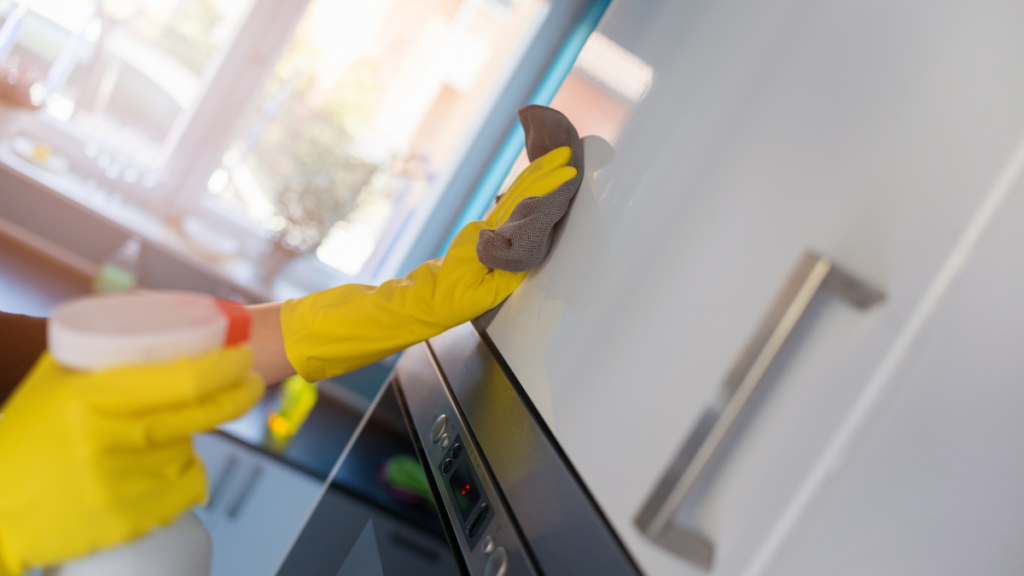
Try to avoid bleach, ammonia, and oil-based soaps. These products can damage coatings and reduce the protection your cabinets need. A damp cloth works well for everyday cleanup, but never leave surfaces wet. The goal is simple: remove grime without weakening the finish that protects the woodwork underneath.
Protective Finishes and Treatments for Lasting Results
Protective finishes do more than improve appearance. They help block moisture, reduce surface wear, and support cabinet longevity in a humid kitchen. When that finish starts to fail, peeling and swelling become much more likely.
Paint can seal wood pores well, while stain needs a clear protective topcoat to improve water resistance. High-build polyurethane and conversion varnish offer strong moisture barriers. Water-based acrylic lacquers are also a smart option because they resist yellowing and cure quickly in bright, humid conditions.
If you are choosing between matte and glossy looks, both can work when the coating quality is strong. The better question is whether the finish has been applied and maintained properly. During a design consultation, a local cabinet expert can recommend a finish that fits both your style and Orlando’s climate demands.
Step-by-Step Guide: How to Maintain Kitchen Cabinets in Orlando’s Humid Climate
Keeping cabinets in good shape comes down to a few repeatable habits. You do not need complicated routines, but you do need steady maintenance and smart preventive steps that match Orlando’s humidity changes.
The next four steps cover the basics: cleaning gently, reducing moisture, maintaining protective finishes, and catching early damage before it spreads. Together, these actions answer one of the biggest questions homeowners ask: what are the best ways to prevent kitchen cabinets from warping in Orlando’s humid climate? Consistency is what makes the difference.
Step 1: Regular Cleaning and Gentle Dusting Techniques
Start with simple regular care. In humid environments like Orlando, light cleaning should happen often enough to keep dust, grease, and moisture from building up on cabinet surfaces. Frequent gentle care is better than occasional heavy scrubbing.
Use this routine:
- Dust with a microfiber cloth to remove surface particles
- Wipe spills and splatters quickly with a damp, not wet, cloth
- Clean with mild cleaning products instead of abrasive sprays
- Dry surfaces right away, especially near sinks, dishwashers, and cooktops
For most kitchens, a quick wipe-down during the week and a more thorough gentle cleaning as needed helps prevent buildup. Pay close attention to handles, edges, and lower cabinets where moisture collects. This step protects the finish, reduces staining, and makes it easier to spot changes before they become larger maintenance issues.
Step 2: Managing Moisture and Preventing Warping
Controlling moisture is one of the best ways to keep cabinet doors from shifting out of shape. When indoor humidity levels stay in a balanced range, cabinets are less likely to warp, swell, or become difficult to open and close.
Focus on these practical actions:
- Keep indoor humidity levels around 40 to 60 percent
- Use ventilation while cooking to move humid air out of the kitchen
- Wipe standing water or condensation immediately
- Improve airflow around cabinet doors, especially near appliances and sinks
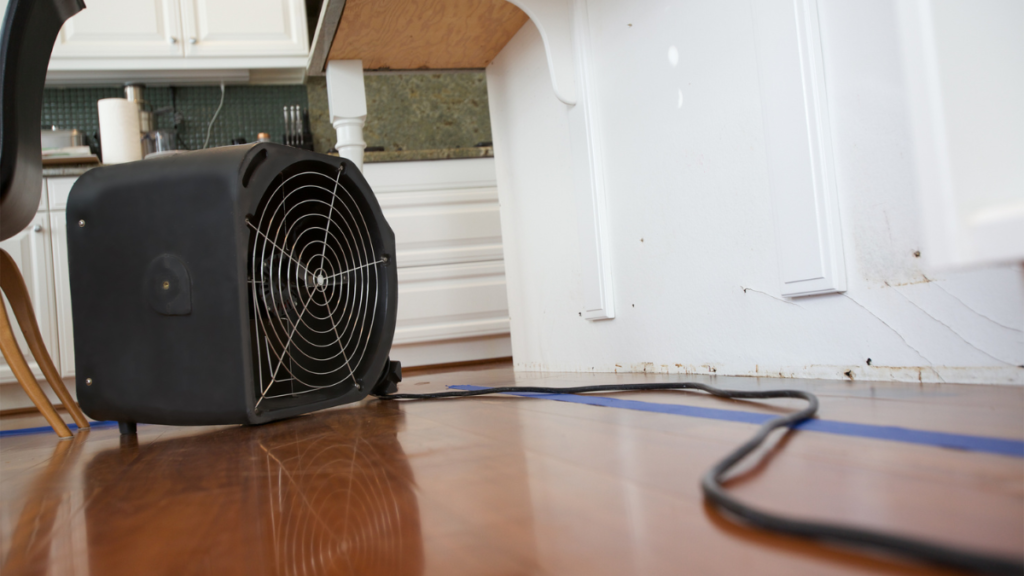
Air conditioning helps, but over-drying the air can also stress wood. The goal is stability, not extremes. If you notice recurring swelling during summer, a dehumidifier can help create a more even environment. These moisture-control habits protect structural movement, reduce stress on hinges, and support better cabinet performance through every season.
Step 3: Applying and Reapplying Protective Finishes
Once cabinet finishes begin to thin or wear down, moisture can reach the material underneath more easily. That is why reapplying protective finishes is not just cosmetic. It directly supports longevity in Orlando’s humid conditions.
Check your cabinets every few years for dull areas, light surface wear, or minor finish breakdown. Solid wood cabinets may need resealing from time to time, while painted or stained surfaces may benefit from a fresh clear coat. Keeping that barrier intact helps preserve both appearance and performance.
As for matte versus glossy, either can work if the product forms a strong moisture-resistant seal. Glossy surfaces may be easier to wipe clean, while matte offers a softer look. The real priority is using a quality finish that matches your cabinet material and reapplying it before damage starts.
Step 4: Checking for Early Signs of Damage and Addressing Them Promptly
A quick inspection routine can save you from bigger repairs. One of the most useful preventive steps is checking cabinets regularly for small changes in alignment, finish, and movement. In humid kitchens, minor problems can spread faster than you expect.
Look closely at edges, seams, center panels, and areas near water sources. Swelling around corners, slight peeling, or doors that start rubbing against the frame are all signs that moisture may be getting in. Loose joints and widening gaps also deserve attention.
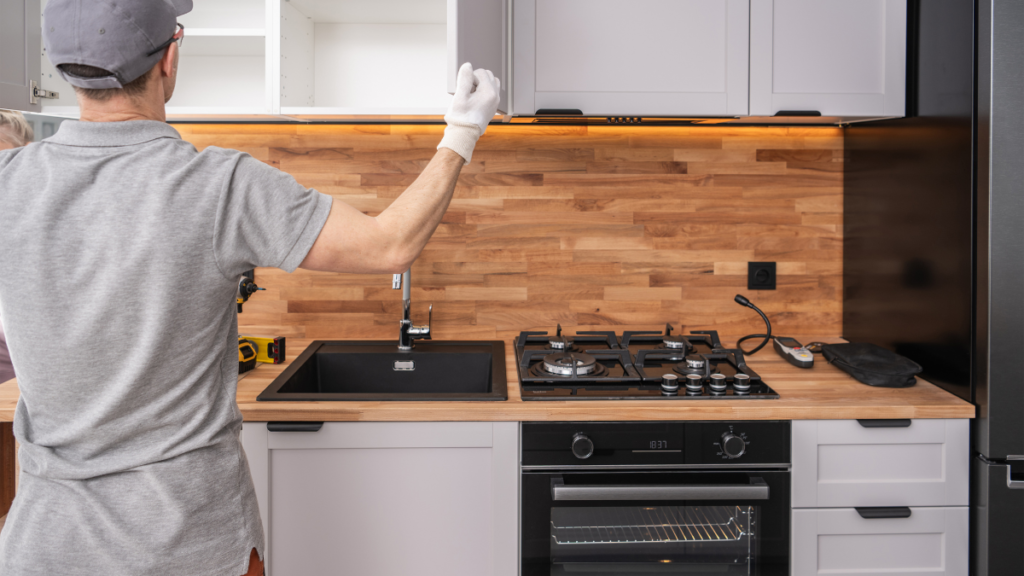
If you spot a minor issue, address it early. Tighten hardware, dry the area thoroughly, and monitor whether the problem returns. Small laminate chips or veneer damage may be repairable with matching kits. Fast action protects structural integrity and helps you avoid the cost of replacing damaged sections later.
Expert Maintenance Tips for Keeping Cabinets Looking New All Year
If you want cabinets to keep their elegance through Orlando’s muggy months, focus on the habits that reduce stress on finishes and hardware. Good maintenance is less about deep cleaning and more about steady protection.
Regular care, humidity control, and fast attention to early changes help preserve both appearance and functionality. The next sections cover pro-level strategies for lowering moisture inside the kitchen and avoiding the most common surface problems, including mold, mildew, and peeling finishes that can make cabinets look older than they are.
How to Control Humidity in the Kitchen Effectively
In Orlando and across southwest Florida, the kitchen can trap moisture quickly. Cooking, dishwashing, and poor airflow all push humidity levels upward. If you want cabinets to last, controlling that indoor environment should be part of your routine.
Use these methods to manage moisture:
- Run ventilation during and after cooking
- Use dehumidifiers when indoor humidity levels stay high
- Keep airflow moving around base and wall cabinets
- Clean up steam, spills, and condensation before they sit
Try to avoid moisture extremes. Air that is too damp can cause swelling, while air that is too dry can lead to shrinking and cracks in solid wood. Stable conditions are best. When humidity stays controlled, cabinet doors operate more smoothly, finishes hold up better, and your kitchen feels more comfortable overall.
Best Practices for Avoiding Mold, Mildew, and Finish Peeling
Mold, mildew, and finish peeling usually start where moisture lingers. That makes hidden corners, sink bases, and poorly ventilated spots the most important areas to watch. A little regular care goes a long way here.
Use these best practices:
- Dry cabinet surfaces after cleaning or spill cleanup
- Avoid soaking woodwork or painted doors with water
- Keep ventilation running to reduce trapped moisture
- Use mild cleaners instead of products that weaken finishes
Once a finish begins to fail, the surface underneath becomes more exposed. That can invite more moisture, leading to deeper damage. Clean gently, check often, and do not ignore bubbling or discoloration. Preventing these issues is easier than fixing them, and a consistent routine helps your cabinets stay cleaner, stronger, and better protected year-round.
Why Homeowners in Orlando Choose JMT Cabinets for Cabinet Care and Services
Choosing a local expert matters because Orlando kitchens face conditions that are not the same as homes in drier regions. Florida’s humidity affects materials, finishes, and installation details, so cabinet care should never be one-size-fits-all. Homeowners often turn to JMT Cabinets because local expertise means better guidance on maintenance, product selection, and protection methods that suit the climate.
JMT Cabinets also offers the advantage of service that fits real local needs. Instead of generic advice, you can get help with cabinet care based on moisture exposure, finish condition, and material type. For homeowners who want lasting results, local support, climate-aware recommendations, and clear warranty information make working with an Orlando kitchen cabinet refacing service a smart choice.
Local Expertise in Humid Climate Cabinet Solutions
A local company understands what Orlando cabinets go through every year. High humidity, long cooling seasons, and moisture-heavy kitchens all affect how cabinet materials perform. That local expertise helps homeowners make better choices before problems start.
JMT Cabinets can guide you toward materials and finishes that are better suited to Florida’s humidity. That includes advice on moisture-resistant options, sealing needs, and maintenance routines that support longer service life. Local knowledge is especially useful when comparing solid wood, plywood, laminate, and painted surfaces.
There is also value in having access to a design consultation from a team that knows regional conditions. Recommendations are more practical when they are based on homes like yours. From cabinet care planning to finish selection, a local Orlando specialist can help you protect both the look and function of your kitchen.
Customized Maintenance Plans and Warranty Options from JMT Cabinets
Not every kitchen faces the same level of moisture, which is why customized maintenance makes sense. JMT Cabinets can help homeowners plan cabinet care around material type, finish condition, and the daily demands of the space. That kind of tailored approach supports better durability over time.
Homeowners often value support such as:
- Customized maintenance guidance based on cabinet material and finish
- Recommendations for climate-appropriate cleaning and moisture control
- Help identifying early wear before it affects durability
- Clear warranty information for added peace of mind
A strong warranty matters in humid climates because it gives you another layer of confidence when investing in cabinetry or service. When you combine tailored upkeep advice with local service, you get support that fits Orlando conditions. That is a practical advantage for anyone trying to protect cabinets for the long term.
Conclusion
In summary, maintaining kitchen cabinets in Orlando’s humid climate requires a proactive approach and the right materials. With humidity being a significant factor in the wear and tear of your cabinetry, it’s essential to choose moisture-resistant materials and implement consistent maintenance routines. Regular cleaning, managing moisture levels, and applying protective finishes will help extend the life of your cabinets and keep them looking new. For expert assistance tailored to your specific needs, consider JMT Cabinets, where you can find local expertise in cabinet care. Take the first step toward preserving your kitchen’s beauty by reaching out to us today for a consultation!
Frequently Asked Questions
How often should I clean my kitchen cabinets in Orlando’s climate?
In Florida, regular care works best. Wipe cabinet surfaces often enough to remove grease, dust, and moisture before buildup starts, and clean spills right away. Use gentle cleaning products, not harsh ones. In a humid kitchen, light routine cleaning is better than waiting until grime becomes harder to remove.
Are matte or glossy finishes better for resisting humidity damage?
Both matte and glossy finishes can perform well in humidity if the coating is high quality and properly maintained. Durability depends more on the strength of the protective finishes than the sheen itself. Glossy may wipe clean more easily, while matte offers a softer look with the same moisture protection when sealed well.
Can I use standard household cleaners on my cabinets in humid weather?
Use caution with standard cleaning products. Many contain harsh chemicals that can damage cabinet surfaces and reduce moisture protection. For cabinet maintenance in humidity, stick with mild, non-abrasive cleaners and a microfiber cloth. Gentle products help preserve the finish and lower the risk of peeling or surface wear.
What’s the best way to prevent outdoor kitchen cabinets from moisture damage?
Choose outdoor kitchen cabinets made from durable, moisture-resistant materials, then keep protective finishes in good condition. Clean up water quickly and avoid long periods of trapped dampness. These steps reduce swelling, protect durability, and help outdoor cabinetry handle Florida weather with less risk of long-term damage.