
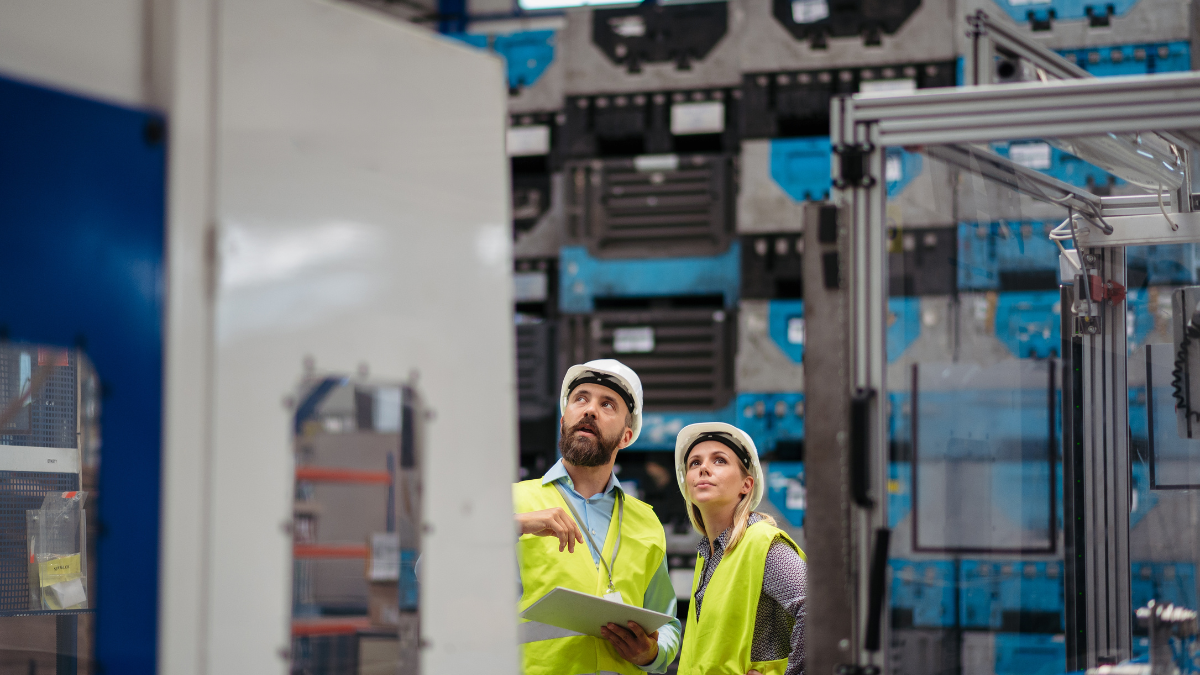
In manufacturing, safety is essential to creating a productive, secure work environment. Every day, many dedicated employees work with machines and materials that can be dangerous without proper safety measures. Safety protects employees, maintains operations, and promotes a positive workplace culture. With the right strategies, manufacturers can create an environment where safety is a priority, and workers feel valued and secure.
Safety in manufacturing is about raising awareness and encouraging proactive risk management. Providing employees with the knowledge and tools they need can really improve the workplace. Regular training sessions and effective use of personal protective equipment (PPE) are some practical steps companies can take. Let’s explore how to strengthen safety standards in your manufacturing facility.
Training and Education
Comprehensive training is key to improving safety. Teaching employees about the specific hazards they may face is crucial. This includes operating machines, handling materials, and following emergency procedures. Regular training sessions help reinforce safety measures and empower employees to take responsibility for their own safety and their coworkers’.
Ongoing education also builds a safety culture. Keeping employees updated on new safety regulations, best practices, and safety equipment can improve workplace safety. Encouraging employee feedback during these sessions promotes engagement and shows their opinions are valued, creating a collaborative safety culture.
Personal Protective Equipment
Personal protective equipment (PPE) is vital for safety in manufacturing settings. Hard hats, safety goggles, ear protection, and gloves can help reduce the risk of injury. When used correctly, PPE provides essential protection against workplace hazards.
Choosing the right PPE for specific tasks is important. Companies should ensure all gear is comfortable and fits well to encourage consistent use. Safety protocols should include training on how to wear, maintain, and care for PPE. This attention to detail highlights the importance of safety and reinforces that every worker is responsible for maintaining a safe environment.
Welding Supplies
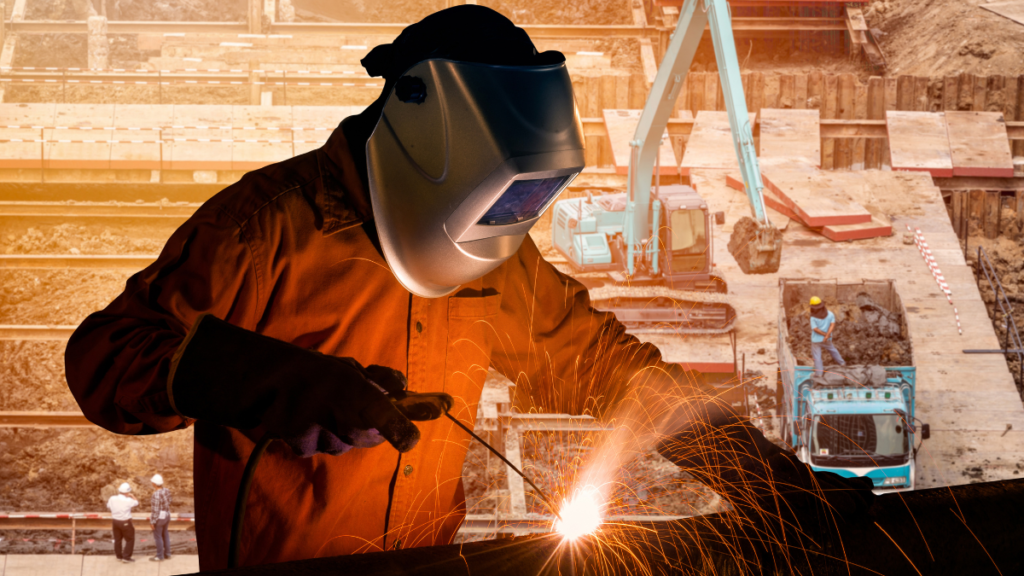
Welding is common in manufacturing and comes with unique safety considerations. Providing high-quality welding supplies is crucial. Workers need the right gear, such as welding helmets, protective gloves, and fire-resistant clothing, to keep the workspace safe. These supplies not only protect workers but also help them perform tasks more efficiently.
Using quality welding supplies helps employees work confidently with the best protection available. With the right tools, welders can focus on precision and craftsmanship while following safety standards. Investing in quality welding supplies benefits both workforce safety and the quality of the work produced.
Welding Machines
Welding machines are central to many manufacturing processes. Choosing reliable and advanced machines is critical for safety. These machines often include built-in safety features that help prevent accidents and improve precision. For example, machines that stop overheating or shut down automatically can reduce hazards on the shop floor.
Regular maintenance and inspection of welding machines also support safety. Keeping machines in good working order helps prevent malfunctions that could lead to accidents. Thoroughly training operators on specific safety protocols for each machine improves their ability to work safely and effectively. The right equipment, combined with knowledgeable operators, enhances overall safety in the manufacturing environment.
Workplace Organization
An organized workspace is essential to manufacturing safety. A tidy area reduces accident risk. Keep walkways clear, store materials properly, and follow regular cleaning schedules. Involving employees in keeping things in order helps them take pride in their workspace.
Using visual cues like signs and colour-coded storage can improve safety by guiding employees and reminding them of safe practices. Regular safety audits help identify areas for improvement. This gives manufacturers insight into how to continuously enhance safety. A clean, organized workplace shows a company cares about workers’ well-being and helps improve productivity.
Communication and Feedback
Open communication about safety is crucial in any manufacturing company. Employees should feel safe expressing concerns and suggesting improvements. A safety suggestion program lets workers share ideas and experiences, leading to better safety practices.
Hold regular meetings to discuss safety topics and any recent incidents. This encourages transparency and accountability. When employees know that their safety matters and their input is valued, they are more likely to stay alert and proactive about keeping the workplace safe.
Creating a setting where workers feel empowered to discuss safety builds trust and shared responsibility. This can lead to a safer and more harmonious workplace. A strong focus on safety can turn a manufacturing facility into a better place to work. When employees feel safe and supported, they can excel in their roles, benefiting everyone involved.