
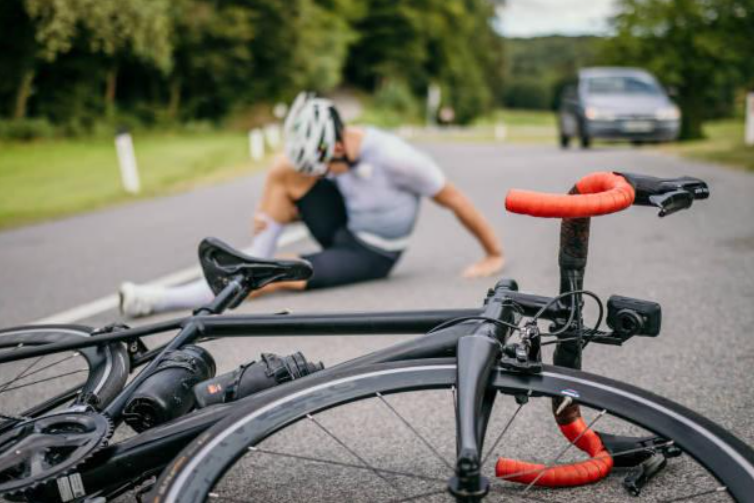
When accident reports give different accounts of a bicycle crash, the best approach is to preserve all available evidence, identify the inconsistencies, and compare each version with independent proof. Conflicting reports do not automatically invalidate an injury claim. Photographs, witness statements, medical records, and video footage can help establish how the crash happened and who may be responsible.
Bicycle accidents often occur when drivers turn across bike lanes, fail to yield at intersections, or overlook cyclists while changing lanes. Because cyclists have little physical protection, even a collision at a relatively low speed can cause serious injuries. For more information about bicycle accident claims and related legal considerations, refer to https://capfirm.com/practice-areas/bicycle-accident.
This article explains how to identify inconsistencies in accident reports, preserve supporting evidence, compare conflicting accounts, and handle insurance claims after a bicycle accident.
Why Accident Reports May Contain Conflicting Details
Different reports can describe the same accident in very different ways. A police report may record one account of the collision, while an insurance statement or witness interview may describe another sequence of events. These differences can arise from poor visibility, confusion immediately after the crash, incomplete observations, or mistakes when information is recorded.
For example, a driver might claim that a cyclist entered an intersection unexpectedly, while the cyclist remembers having the right of way. Neither statement alone necessarily resolves the dispute. Investigators must consider the surrounding evidence to determine which account is better supported.
The most important step is identifying exactly what conflicts. Disagreements about the traffic signal, direction of travel, point of impact, or timing of the collision may directly affect liability.
Preserve Evidence as Soon as Possible
Evidence can disappear quickly after an accident. Surveillance footage may be overwritten, damaged bicycles may be repaired, and witnesses may become difficult to contact.
After obtaining necessary medical care, preserve any available evidence, including:
- Photographs: Capture bicycle damage, vehicle damage, road markings, traffic signals, and visible injuries.
- Witness information: Record the names and contact details of people who saw the collision.
- Video recordings: Save dashcam footage and identify nearby businesses that may have surveillance cameras.
- Medical records: Keep emergency reports, diagnostic results, treatment notes, and follow-up records.
- Physical evidence: Retain the damaged bicycle, helmet, and relevant clothing when practical.
Keep original digital files whenever possible. Avoid altering photographs or videos in ways that could raise questions about their accuracy.
Compare Reports With Independent Evidence
Compare conflicting reports with available evidence. Video footage may show vehicle movements, while photographs document road conditions and damage. Witness statements can clarify events before the crash.
Medical records establish injury details but may not prove fault. Accident reconstruction experts can assess physical evidence, vehicle damage, and roadway conditions.
California Vehicle Code § 21200 generally requires bicyclists on roadways to follow applicable traffic laws, subject to exceptions. Relevant road rules can help determine whether a driver or cyclist acted negligently.
Handle Insurance Communications Carefully
Insurance companies may request statements, documents, or permission to review records after a bicycle accident. Provide truthful information, but avoid guessing about details you cannot remember. If a report contains an error, explain the specific mistake and provide supporting information when available.
Do not assume that a quick settlement is necessarily in your best interest. Some injuries require additional treatment before their full effects become clear. A settlement agreement may limit your ability to seek further compensation, so review its terms carefully before signing.
When Legal Guidance May Help
Legal guidance may be useful when the reports disagree about fault, the injuries are serious, or the available evidence is difficult to interpret. An attorney can review the records, request relevant evidence, communicate with insurers, and assess whether expert analysis may be necessary.
Keep a timeline of the accident, medical appointments, communications, and expenses. Organized documentation can help ensure that important details are not overlooked during the claims process.
Quick Recap
- Conflicting accident reports do not automatically defeat a bicycle injury claim.
- Identify disputed details and compare them with independent evidence.
- Preserve photographs, videos, witness information, and medical records promptly.
- California Vehicle Code § 21200 addresses bicyclists’ rights and responsibilities on roadways, subject to exceptions.
- Give accurate statements and review settlement agreements carefully before signing.