
If you live in Hong Kong, you probably know the routine. Tap water can have a faint chlorine taste. The kettle may develop a whitish residue after a few weeks. Hauling multi-packs of bottled water up to a flat gets old fast, especially in summer.
Choosing a home water filter should be simple, but the options add up quickly. Pitchers, faucet filters, countertop units, under-sink systems, dispensers, reverse osmosis, and carbon blocks all solve different problems. Many product pages also assume you have more kitchen space than a typical Hong Kong flat allows.
This guide simplifies the decision. It explains what to look for, what fits different living situations, and how to compare options without getting lost in jargon. The focus is on taste, convenience, space, and maintenance, not medical claims. For official information on Hong Kong’s drinking water standards, the Water Supplies Department (WSD) publishes consumer guidance on its website.
Quick-Start Checklist
Before you browse a product page, answer these five questions. They will narrow the field quickly.
- Identify your main goal. Are you mainly after better taste and odour, instant hot water, less bottled water, or protection for appliances from sediment?
- Map your points of use. Do you only need filtered water at the kitchen sink, or also at a standalone dispenser or fridge line?
- Measure your space and check access. Note cabinet width, height under the sink, proximity to a power outlet, and whether there is a drain nearby.
- Know your tenancy constraints. Renters may need landlord approval before drilling holes or modifying plumbing. Owners should check building management rules.
- Decide on your maintenance model. Some people prefer swapping cartridges themselves. Others want a scheduled service plan where a technician handles the work.
Hong Kong Water Context (Without the Jargon)
Hong Kong’s mains water is treated and monitored centrally by the WSD under the Waterworks Ordinance. By the time it leaves the treatment plant, it meets the standards the department sets out.
What reaches your tap can still be affected by your building’s internal plumbing, pipe age, and fixtures. Older buildings with galvanised steel pipes or lead solder joints may introduce trace materials along the way. The WSD recommends flushing the tap briefly after periods of disuse, which can help clear stagnant water from internal pipes.
According to the World Health Organization’s Guidelines for Drinking-water Quality, residual chlorine taste, minor sediment, and other aesthetic concerns are common household issues worldwide. Filtration can address many of these concerns, but performance depends on the technology used and the model’s independently verified claims.
Where You Want Filtered Water
Think about how you use water at home before choosing a system type.
- Drinking and cooking only. A single point-of-use filter at the kitchen sink, or a standalone dispenser, covers most households.
- Fridge and ice maker line. An under-sink system can sometimes branch to a fridge connection. Confirm the flow rate is adequate for both draw points.
- Whole-flat coverage. A point-of-entry pre-filter near the main shut-off can reduce sediment reaching showerheads, washing machines, and water heaters. You would typically still add a separate point-of-use system for drinking water.
- Temporary or rental setup. A pitcher or faucet-mount filter requires no permanent installation and can move with you.
System Types and Features for Hong Kong Homes
Start by deciding whether you need filtration at one tap or across the flat. Most households begin with a point-of-use system because it is cheaper, smaller, and easier to maintain.
Point-of-Use Options
Pitchers. This is the lowest-commitment option. It suits renters or anyone testing whether filtered water makes a noticeable difference. The trade-offs are limited capacity, frequent cartridge changes, and fridge or counter space.
Faucet-mount filters. These attach directly to the tap. They require no drilling and usually no plumber. They work well in small kitchens, although they can reduce flow rate and may not fit every faucet shape.
Countertop units. These sit beside the sink and connect through a diverter valve. They offer more filtration capacity than pitchers but take up counter space, which is a real trade-off in many Hong Kong kitchens.
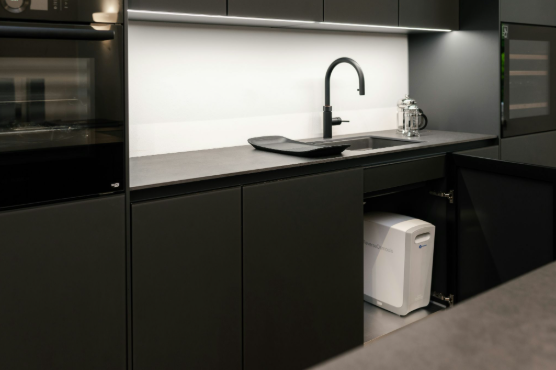
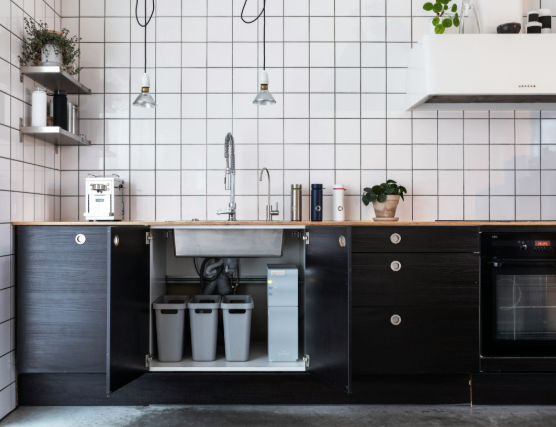
Under-sink systems. These are installed inside the cabinet below the sink. They keep the countertop clear and usually support higher flow rates. Installation often involves drilling a hole for a dedicated faucet and may require a licensed plumber if internal plumbing is modified.
Plumbed dispensers. These standalone units connect to the water line and often offer filtered, chilled, hot, and sometimes sparkling water. They need a power outlet, ventilation, and enough floor or counter space. Check for a child lock on the hot water spout and leak-detection sensors.
If you want to see how features are packaged locally, search water purifier Hong Kong and compare under-sink filters, hot and chilled dispensers, and sparkling options against your space and maintenance preferences.
Point-of-Entry Systems
A whole-home pre-filter is useful when you want to reduce sediment reaching showers, appliances, and hot-water tanks. These systems are typically installed near the main shut-off valve and need enough clearance for the housing and future cartridge changes. In many Hong Kong buildings, access to this pipe section may require building management approval.
Convenience Features Worth Considering
- Instant hot or chilled water, which can reduce kettle and fridge pitcher clutter
- Sparkling water function, if your household buys canned or bottled sparkling water
- Child lock on hot water
- Filter-life indicator or smart sensor
- Compact footprint and low noise level
- Tank size vs. tankless design, which affects space and flow rate
Filtration Methods: A Plain-Language Primer
Different technologies target different concerns. Here is a simplified comparison.
| Method | What It Generally Targets | Trade-offs | Maintenance Notes
|
|---|---|---|---|
| Sediment filter | Visible particles, rust, sand | Does not address taste or chemicals | Inexpensive cartridges; change every few months |
| Carbon block | Chlorine taste and odour, some chemical compounds | Does not remove dissolved minerals or most microorganisms | Replace on schedule; performance drops gradually |
| Ultrafiltration (UF) | Fine particles; some membranes are rated for bacteria-sized particles | Does not remove dissolved salts or very small chemical molecules | Periodic flushing; membrane replacement is usually less frequent than carbon replacement |
| Reverse osmosis (RO) | Broad reduction of dissolved solids and many chemicals | Slower flow; needs a drain and may need power; sends concentrate water to drain | Multiple filter stages to replace; ask for the recovery ratio |
| UV treatment | Microorganisms when sized, installed, and maintained correctly | Does not remove particles or chemicals; water must be clear for UV to work | Lamp replacement on a set schedule |
A note on boiling: the WHO’s guidance on household water treatment confirms that boiling addresses microbiological risks but does not remove chemical contaminants. Filtration can complement boiling, but its effectiveness depends on the specific technology and certified performance claims.
Tenancy and Installation Realities
Installation rules matter in Hong Kong, especially in rented flats and managed buildings. Choose a setup that fits both your kitchen and what you are allowed to alter.
Renters
Favour non-permanent options such as pitchers, faucet-mount filters, or countertop units. If you want an under-sink system, get written landlord approval before drilling or plumbing work. Keep the original fittings so you can restore the kitchen when you move out.
Owners
Plan for drilling, shut-off access, and under-sink clearance. Under the Waterworks Ordinance, permanent alterations to inside-service plumbing in Hong Kong should be carried out by a Licensed Plumber. Confirm requirements with the WSD’s licensed plumber resources and check whether your building’s deed of mutual covenant has additional restrictions.
Pre-Install Checklist
- Measure water pressure, since some RO systems need a minimum level
- Confirm a power outlet is nearby for RO pumps, UV lamps, or heated dispensers
- Check drain access if the system has an RO concentrate line
- Identify pipe material so the installer can bring suitable adapter fittings
- Ensure enough clearance for future filter swaps
Maintenance and Total Cost of Ownership
The purchase price is only part of the cost. Before committing, ask these questions:
- How often do filters need replacing, and is there an indicator?
- What do replacement cartridges cost, and are they readily available in Hong Kong?
- Does the provider offer a service plan, and what areas and response times does it cover?
- What warranty terms apply, and what do they exclude?
- For heated or chilled units, what is the energy consumption?
- For RO systems, what is the recovery ratio, meaning how much water goes to drain compared with the water you use?
- How should spent filters be disposed of?
According to the Water Quality Association, RO systems produce a concentrate wastewater stream that varies by model. A system with a 1:3 recovery ratio sends three litres to drain for every litre of filtered water. Some newer models do better, so ask for the specific figure.
How to Compare Providers
When you have two or three systems on your shortlist, use these neutral evaluation steps:
- Request a plain-English spec sheet for the exact model, not a general brochure.
- Ask for third-party test data, such as lab reports or certification numbers, for the model you are considering.
- Ask for photos of installations in Hong Kong-sized cabinets so you can judge fit.
- Confirm service response times and parts availability in your district.
- Look for clear safety features, including leak detection shut-off, child lock on hot water, and filter-life alerts.
- Clarify installation and aftercare terms in writing before you pay.
Use-Case Shortcuts
Not sure which path fits your situation? These common scenarios can help.
Tiny kitchen, renting. A pitcher or faucet-mount filter is the simplest starting point. A countertop unit can work if your landlord does not allow drilling.
Busy household that wants hot drinks on tap. Consider a plumbed dispenser with built-in filtration and a child lock. Plan for a nearby power outlet and adequate ventilation.
Drinking water plus fridge line. An under-sink system that feeds both the dedicated faucet and a fridge connection can cover this neatly. Confirm the system’s flow rate can handle both draw points.
Whole-flat sediment concerns. A point-of-entry pre-filter near the main shut-off, paired with a separate point-of-use system for drinking water, addresses both appliance protection and taste.
Sustainability and Everyday Perks
A well-chosen filtration setup can help reduce single-use plastic bottles and household packaging waste. It may also mean less kettle descaling, more convenient hydration at home, and one fewer errand to run.
When replacing spent filters, check whether the manufacturer offers a take-back or recycling programme. Periodically inspect connections for drips, and run a taste check after each filter change to confirm the new cartridge is seated correctly.
What to Do Next
- Measure and photograph your under-sink space or counter area.
- Get landlord or building management approval if needed.
- Shortlist two to three systems that match your space, goals, and budget range.
- Contact providers with your maintenance and service questions.
- Schedule the installation, or set up a no-install option yourself.
- Do a first-week check: look for leaks, confirm flow rate, and taste the water. Set calendar reminders for future filter changes.
A small, well-chosen setup can make daily drinking and cooking easier in a compact Hong Kong kitchen. Take the decision one step at a time, and choose the system that fits your space, permissions, and maintenance habits.