
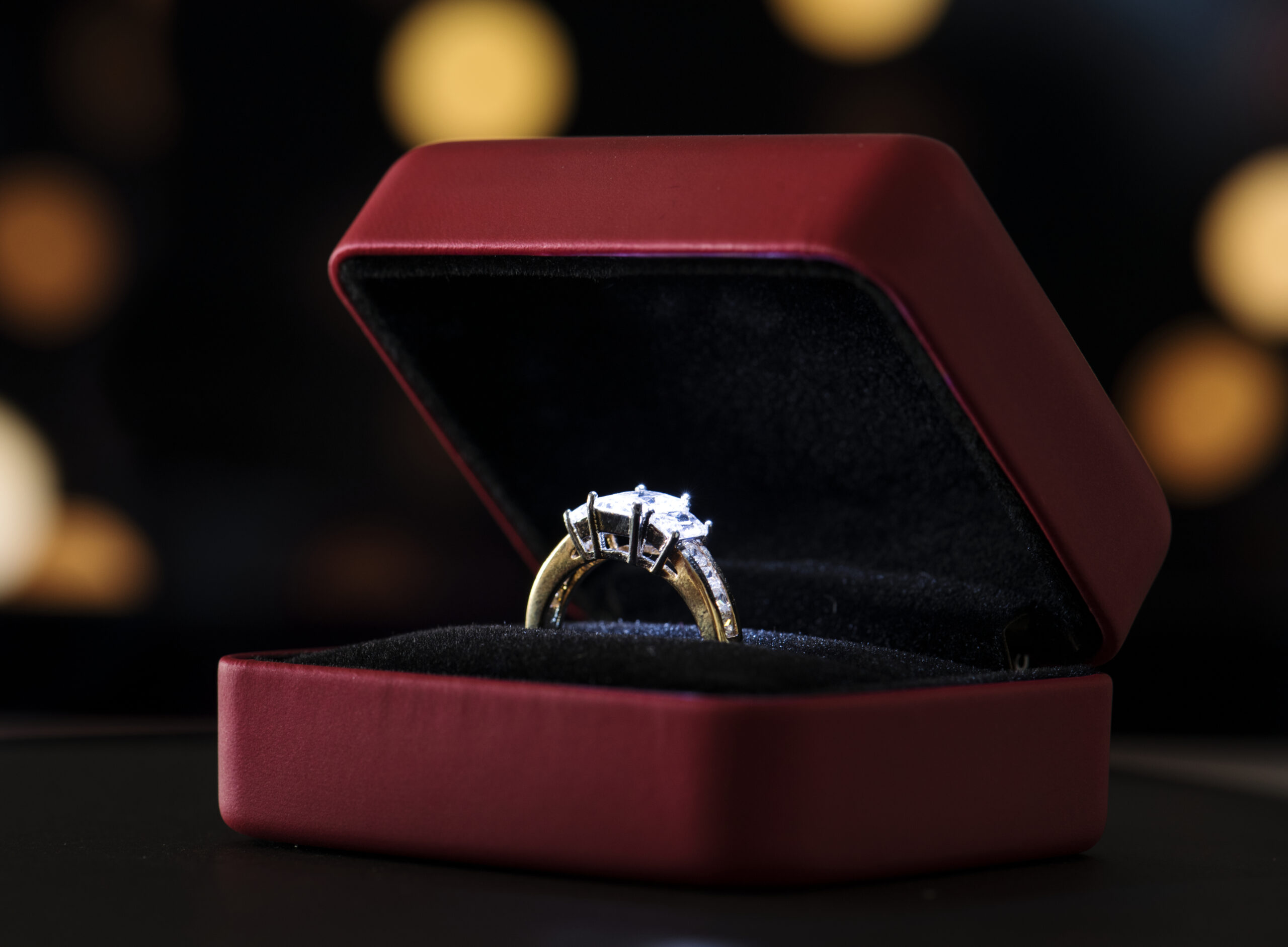
Buying a second-hand engagement ring can be a practical, personal choice. You may find styles and eras that are hard to get in a standard retail case, keep an existing piece in use, and leave more room in your budget for resizing, insurance, or other priorities.
Still, pre-owned jewelry can raise fair questions. Is the stone in good condition? Does the paperwork match the ring? What happens if it is not right when it arrives?
A careful process removes much of that uncertainty. Use the steps below to narrow your search, check the details, and choose a ring you can feel good about after the purchase.
Name Your Non-Negotiables First
Before you scroll listings, write down your top three priorities. These might include:
- Style or era you are drawn to, such as Art Deco geometry, mid-century solitaires, or retro cluster designs
- Stone preferences, including natural diamond, lab-grown diamond, sapphire, or moissanite
- Metal color, such as yellow gold, white gold, platinum, or rose gold
- Ethics or sourcing story that matters to you
- Shape, such as round brilliant, oval, emerald cut, cushion, or pear
Share this short list with anyone helping you shop, whether that is a partner, friend, or jeweler. It reduces decision fatigue and keeps the search focused on what you actually want, not what an algorithm happens to show you.
Build a Budget That Covers Everything
The listed price is not always the full cost of buying a used ring. Before you set your range, factor in:
- Resizing or minor repairs
- Shipping and possible return shipping
- An independent appraisal for insurance purposes
- Professional cleaning
- Sales tax or import fees, which vary by location
- Future maintenance, such as prong re-tipping or replating
Instead of setting one hard cap, choose a realistic range with a small buffer. That way, if you find a strong option that needs a resize or appraisal, you will not be caught off guard.
Learn the Basics Without the Jargon Spiral
You do not need a gemology degree to shop carefully. You just need a plain-language handle on four factors:
- Cut: How well the stone reflects light. This has the biggest impact on sparkle.
- Color: How close to colorless the stone appears. Slight warmth is not automatically a flaw. It may simply be a preference.
- Clarity: Whether the stone has small natural inclusions. Many are not visible without magnification.
- Carat: The stone’s weight, not its exact size. Two stones with the same carat weight can look different depending on cut and shape.
These factors work together. A well-cut stone with slightly lower color or clarity can look brighter than a higher-graded stone with a weaker cut. Use the paperwork as a guide, but also ask for clear photos and videos in natural light when possible.
Understand the Paperwork and What It Actually Tells You
Two documents come up often with pre-owned rings, and they serve different purposes:
- A grading report, sometimes called a certificate, describes a stone’s physical characteristics, including cut, color, clarity, carat weight, and notable features. It does not assign a monetary value.
- An appraisal estimates the ring’s replacement value for insurance purposes. It does not guarantee quality or condition.
Treat both as useful information, not as a substitute for inspection. When shopping, ask:
- Is a grading report available, and who issued it?
- When was the report created?
- Are there any laser inscriptions or serial numbers on the stone?
- Does the seller have records of prior repairs?
- What is the written return window?
A note on terminology: labels like “vintage,” “estate,” and “antique” are not always used consistently. Rather than relying only on age claims, focus on the style, era, documented condition, and seller disclosures.
Where to Shop for Second-Hand Engagement Rings
You have several paths, and each comes with trade-offs.
Curated pre-owned retailers usually inspect and describe their pieces before listing them. Selection may be smaller, but the basic vetting is often done for you. A specialist like S&R Jewellers is a good example of this route, where you can shop used diamond rings that have already been checked and described in detail, then review the return terms and resizing options before you buy.
Local jewelers and consignment shops let you try rings on and build a relationship with someone who may be able to service the piece later. Ask whether they handle resizing in-house and what their return policy includes.
Online marketplaces and peer-to-peer sales can offer wider selection and competitive pricing, but they require more diligence. Request detailed photos, documentation, and a clear return window. For in-person meetups, consider meeting at a trusted jeweler and using a secure payment method.
Auctions and estate sales can be useful for one-of-a-kind finds, but many items are sold as-is with limited or no return options.
No matter where you shop, read the seller’s current return, warranty, and resizing policies before you commit. These policies vary by retailer and may change over time.

Inspect Like a Pro, Even Online
Whether you are holding the ring or reviewing photos, look closely at these areas:
- Prongs: They should sit tight against the stone with no visible lifting, cracks, or wear-through.
- Stone surface: Check the table, which is the flat top, and the girdle, which is the edge, for chips or scratches.
- Alignment: The center stone should sit straight and even.
- Band thickness: Look for thinning, warping, or signs of repeated sizing.
- Side stones: Check that each one appears secure and that none are missing.
Ask for magnified images and, ideally, a short video of the ring on a finger or ring sizer. A reliable seller should be willing to provide enough visual detail for you to assess the condition.
Think About Fit and Future Maintenance
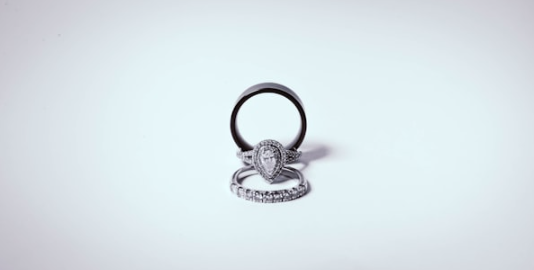
Not every ring design can be resized easily. Eternity bands, tension settings, and intricate pavé styles may be limited or risky to resize. If you are between sizes, confirm with the seller or a local jeweler what is possible and what it may cost before purchasing.
If the ring is plated, such as rhodium over white gold, know that replating is normal maintenance but adds recurring cost. Solid platinum or unplated gold may require less routine upkeep over time.
Red Flags That Can Prevent Regret
Walk away if you notice any of the following:
- Pressure to wire money or pay outside a secure platform
- Only stock or generic photos, with no images of the actual ring
- Listing details that do not match the grading report or appraisal
- No return policy or vague answers to direct questions
- A seller who avoids providing documentation or magnified images
If something feels off, pause and ask more questions. There are plenty of rings available, and a sound purchase should not depend on high-pressure tactics.
After You Buy: Protect the Ring
Once the ring is on your finger, or safely stored for a surprise, take a few practical steps:
- Get an independent appraisal for insurance. This is separate from any grading report and helps establish replacement value. Contact your insurer for coverage requirements.
- Take clear, well-lit photos from multiple angles. Store them with your paperwork.
- Schedule a professional cleaning and checkup with a local jeweler.
- Store all documents safely, both digitally and physically.
Then enjoy it. A used ring can carry an existing history while becoming part of yours, and the practical checks help make that story easier to appreciate.
The Right Ring Is the One You Can Buy With Confidence
There is no single correct way to buy a second-hand engagement ring. The right ring is the one that fits your taste, budget, and comfort level while standing up to basic inspection.
Take your time, ask direct questions, and review the details before you commit. A little homework now can help you enjoy both the ring and the story behind it for years to come.