
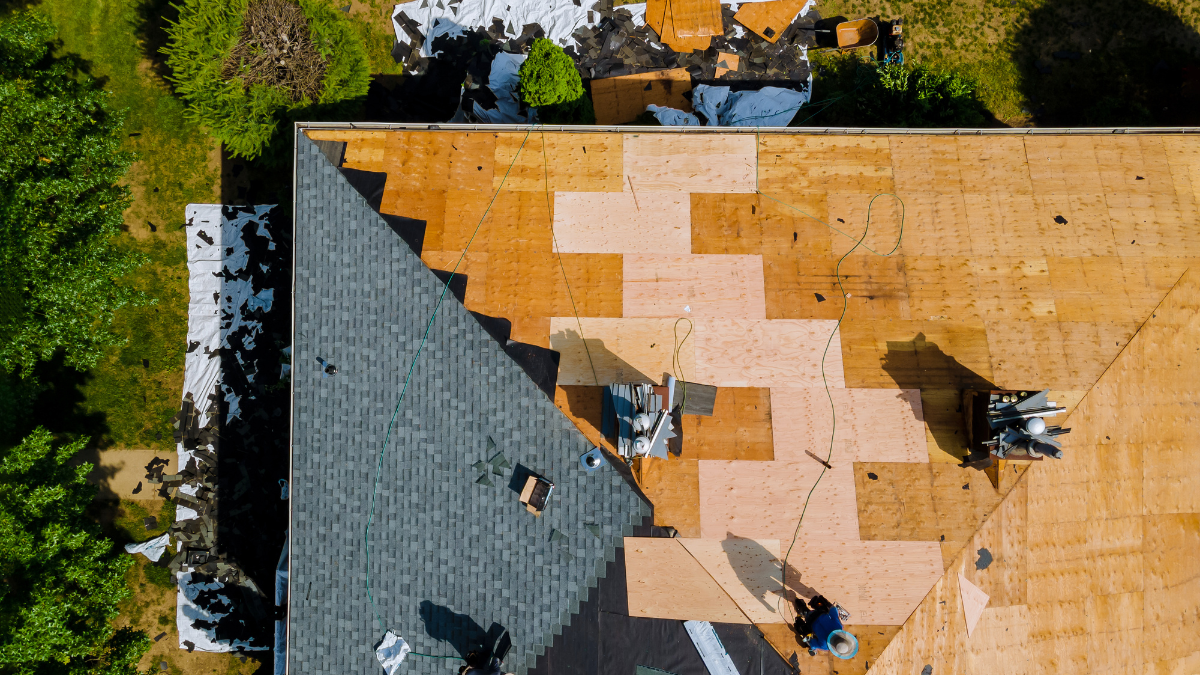
A roof occupies a large portion of a home’s visible exterior, yet its influence on architectural appearance is sometimes underestimated. Color, texture, profile, and visual weight can change how siding, trim, masonry, windows, and other features are perceived together. A thoughtfully planned Roof Replacement can therefore refresh more than the upper surface of the house.
Appearance should not be treated as the only consideration in a major roofing project, but it deserves deliberate attention during product selection. The strongest choices complement the home’s permanent architectural features rather than following a trend that may feel disconnected several years later. Viewing the exterior as one composition helps homeowners make more confident decisions.
Material samples provide a useful starting point, although small samples cannot fully represent a completed surface. Ridge Runner Roofing can help homeowners consider roofing options in relation to the scale and character of the existing structure. Looking at color, texture, surrounding finishes, and viewing distance together creates a clearer picture of the eventual result.
Start With the Home’s Architectural Character
Every house has visual characteristics that influence which roofing styles feel natural. Roof shape, exterior proportions, window patterns, siding details, and decorative elements collectively establish the home’s architectural identity.
A highly textured surface may complement one design while making another appear unnecessarily busy. Similarly, a restrained roofing profile can support architecture where clean lines and simple forms already dominate.
Homeowners should identify the features they want to preserve before comparing colors. This keeps product selection connected to the building rather than allowing one attractive sample to control the entire decision.
Consider the Roof’s Visual Weight
Dark colors can make a roof appear more prominent, while lighter tones may create a different relationship with the walls below. Neither approach is automatically better because proportions vary considerably among houses.
A home with a large, highly visible roof may respond differently to a strong color than a structure where roofing occupies less of the front elevation. The surrounding exterior materials also influence that impression.
Homeowners should evaluate whether the roof should become a noticeable design feature or provide a quieter background. Establishing that preference can narrow the range of suitable options considerably.
Coordinate Roofing With Permanent Exterior Materials
Paint can change relatively easily, but brick, stone, and other permanent materials may remain for decades. Their undertones provide useful guidance when homeowners compare roofing colors.
Look for Relationships Rather Than Exact Matches
Trying to match every exterior color precisely can create a flat appearance. A better strategy often involves selecting tones that relate naturally without making the entire house look like one uniform color.
Ridge Runner Roofing can help place roofing choices within the broader exterior discussion. Considering fixed materials first reduces the chance of choosing a surface that competes visually with features homeowners have no intention of changing.
Compare Samples in Natural Outdoor Light
Indoor lighting can alter how roofing colors appear. A sample viewed beneath showroom lighting may look noticeably different outdoors under direct sun, cloud cover, or late afternoon light.
Homeowners should examine samples near the actual siding, masonry, and trim whenever practical. Viewing them at different times can reveal undertones that were difficult to notice indoors.
Distance matters as well. Roofing products viewed from several feet away often create a different overall impression than individual pieces examined closely by hand.
Think About Siding and Trim Together
Roofing color should not be selected independently from siding and trim. These three surfaces often create the dominant color relationships visible from the street.
A strong contrast can define rooflines and architectural edges clearly. A lower contrast approach may create a softer, more unified exterior appearance.
Neither strategy works universally. Homeowners should decide whether they prefer pronounced definition or subtle coordination before narrowing their roofing choices.
Account for Existing Masonry and Stone
Brick and stone frequently contain several colors rather than one obvious tone. Looking closely may reveal warm, cool, neutral, or mixed undertones that can influence roofing selection.
Choosing based only on the dominant masonry color can overlook these quieter details. A roofing tone that connects with one secondary shade may create a surprisingly cohesive exterior.
Photographs can help homeowners compare combinations without relying entirely on memory. Images taken under similar lighting conditions make differences between potential choices easier to evaluate.
Avoid Letting Short Trends Control the Decision
Exterior design trends can provide inspiration, but roofing materials usually remain in place much longer than fashionable paint colors. A choice that feels distinctive today should still make sense as other exterior preferences change.
Homeowners can ask whether a particular color supports the architecture or simply reflects a currently popular look. That distinction becomes useful when several attractive options remain.
Timeless does not have to mean plain. Texture and color variation can add character while remaining compatible with the home’s fundamental design.
Consider Views From More Than the Street
The front elevation receives considerable attention because it shapes curb appeal, but homeowners experience their property from many directions. Backyard patios, side entrances, neighboring areas, and upper windows may reveal roofing sections differently.
A color that appears subtle from the street may become much more prominent from a rear outdoor space. Roof geometry and elevation influence how much surface is visible from each location.
Walking around the property before making a final selection provides valuable perspective. Homeowners can identify which roof sections dominate the views they encounter most frequently.
Coordinate Planned Exterior Changes
A major exterior project may coincide with future painting, new siding, window changes, or updated trim. Roofing decisions should consider those planned improvements whenever possible.
Choosing the roof first without thinking about upcoming color changes can unnecessarily restrict later design choices. Conversely, having a general exterior palette can make roofing selection much easier.
Ridge Runner Roofing can discuss the roofing portion while homeowners consider how other exterior projects fit into their broader plan. Coordination creates a more intentional finished appearance than selecting each component separately.
Use Contrast to Clarify Architectural Features
Contrast can highlight dormers, gables, trim lines, and other features that give a house character. Too little distinction may cause those elements to blend together, while excessive contrast can make the exterior visually fragmented.
The appropriate balance depends on the architecture. Homes with numerous decorative details may benefit from restraint, whereas simpler exteriors can sometimes support stronger visual separation.
Homeowners should consider which features deserve attention. Roofing should participate in that hierarchy rather than competing equally with every other exterior element.
Remember That Texture Changes From a Distance
Roofing texture can appear pronounced when viewed as a sample but become more unified across a large finished surface. Pattern scale therefore deserves consideration alongside color.
Products with substantial variation may create visual movement across broad roof planes. More consistent surfaces can produce a calmer impression, particularly on houses with complex exterior detailing.
Comparing completed homes with similar architecture can provide useful context. The objective is not to copy another property but to understand how sample characteristics translate to full scale.
Make Appearance Part of a Balanced Decision
Roof Replacement offers a significant opportunity to reconsider how the upper portion of a home relates to everything below it. Color, profile, texture, contrast, and architectural proportions can either strengthen exterior harmony or make individual components feel disconnected.
A successful choice should support both practical roofing requirements and the homeowner’s preferred visual direction. Looking at permanent materials, natural lighting, multiple viewpoints, and future exterior plans provides more useful guidance than selecting from a small sample alone.
The finished roof should feel like a deliberate part of the house rather than a separate surface added afterward. Careful visual planning can preserve architectural character, improve overall balance, and give the exterior a cohesive appearance that remains appealing as other design preferences gradually evolve.