
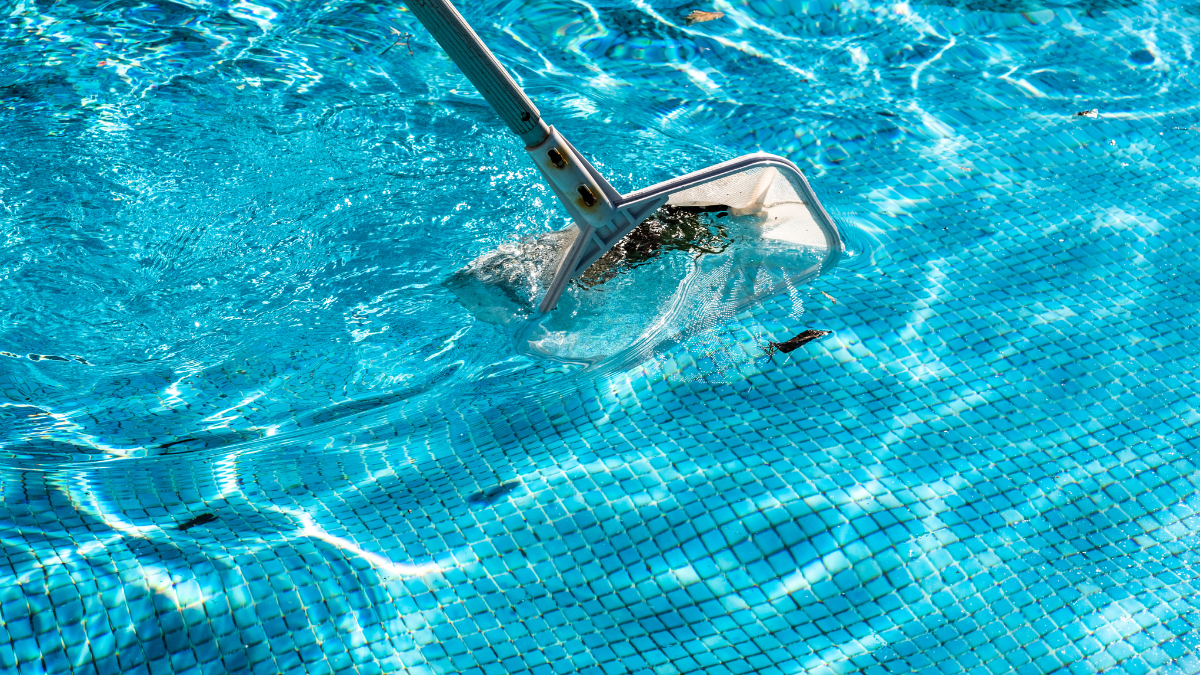
A strong storm can change pool conditions within a few hours. Wind may carry leaves, twigs, soil, and lightweight debris into the water, while heavy rain can alter the water level and introduce material from surrounding surfaces. Even a pool that looked clean before the weather arrived may need a different approach afterward.
Post-storm care should begin with observation rather than an immediate return to the normal routine. Homeowners need to look at the water, surrounding deck, collection areas, and visible equipment before deciding what requires attention. A pool cleaning service can respond more effectively when storm-related conditions are identified separately from ordinary weekly buildup.
Weather events also vary in intensity, so every storm does not create the same workload. A short period of rain may have little effect, while strong wind and prolonged rainfall can leave widespread debris behind. Fortress Pool Service, LLC works within this type of changing outdoor environment, where cleaning needs can shift quickly after severe weather.
Inspect the Pool Area Before Starting Cleanup
The first post-storm task should be a visual inspection of the entire pool area. Fallen branches, displaced furniture, damaged accessories, and other objects may create concerns that need attention before routine cleaning begins.
Homeowners should avoid assuming that everything in or around the water is harmless debris. Electrical equipment, damaged fixtures, broken materials, or other unfamiliar hazards require appropriate caution. If conditions appear unsafe, cleanup should wait until the relevant concern has been properly evaluated.
The surrounding area deserves attention as well. Loose objects left near the edge may eventually enter the pool, while soil or plant material on nearby surfaces can be carried into the water during cleanup. Addressing obvious sources first can prevent additional mess.
Remove Large Debris Before It Breaks Apart
Storm debris is often different from the material that accumulates during a typical week. Branches, clusters of leaves, seed pods, and other organic matter may enter the water in unusually large quantities.
Removing larger material early can keep it from becoming waterlogged, breaking into smaller pieces, or collecting in circulation components. The method used should suit the size and location of the debris without damaging pool surfaces or equipment.
Fortress Pool Service, LLC may be involved when post-storm conditions require cleaning beyond the normal amount of weekly attention. The useful principle for homeowners is to begin with the largest visible material before focusing on finer particles and detailed surface work.
Check Baskets for Unusual Debris Accumulation
Wind can move large amounts of floating material toward skimmers and other collection points. A basket that normally contains only a small amount of debris may become heavily loaded during or shortly after a storm.
These areas should be inspected according to the pool system’s normal operating guidance. Excessive debris can interfere with normal water movement, so waiting several days for a routine check may not be appropriate when a major weather event has occurred.
The contents can also provide clues about what entered the pool. Leaves suggest one type of exposure, while soil, mulch, or landscaping material may indicate that runoff or strong wind affected surrounding areas. Those observations can guide the rest of the cleanup.
Look Beyond the Most Obvious Collection Point
Debris does not always gather in one location. Wind direction, pool shape, steps, corners, and water movement can distribute material unevenly across the pool.
A complete inspection should therefore include multiple collection areas and less-visible sections. Clearing one overloaded basket does not necessarily mean the remaining system is free from storm debris.
Give Settled Material Separate Attention
Once large floating debris has been removed, homeowners may notice fine material on the floor. Dust, soil, plant fragments, and other particles can settle after the storm passes, even when the water surface begins looking relatively clear.
A Richmond pool cleaning service may need to address this material differently from floating leaves. The appropriate method depends on the pool surface, equipment, and type of debris present. Using suitable tools helps avoid turning settled material into a larger suspended cloud unnecessarily.
Steps, corners, slopes, and areas around features deserve particular attention. Fine debris may collect there while open sections look cleaner. Examining the whole floor provides a better picture of what the storm actually left behind.
Treat Water Appearance as Information, Not a Diagnosis
Storm water can leave a pool looking different from normal. The water may appear less clear, carry suspended particles, or show visible material moving through the pool. Appearance provides useful information, but it does not identify every underlying condition.
Homeowners should avoid adding products simply because the water looks different after rainfall. Testing and appropriate equipment observations provide better information for decisions involving water conditions. Random treatment can make the situation harder to interpret.
Fortress Pool Service, LLC fits within recurring pool care where visible cleaning and water management need to be distinguished while still being considered together. Cleaning removes physical material, while other changes may require separate evaluation based on reliable information.
Check Whether the Water Level Changed
Heavy rain can raise the pool level noticeably. The appropriate response depends on the pool design and equipment, so homeowners should follow guidance relevant to their particular system rather than assuming every pool handles excess water identically.
Water level matters because the pool is designed to operate within appropriate conditions. A meaningful change can affect what homeowners observe around skimmers and other components. Recognizing the difference after a storm provides context for later observations.
Storms can also produce unusual water loss if debris or damage has affected surrounding areas or equipment. A level that continues changing unexpectedly after conditions stabilize deserves investigation rather than being attributed automatically to the weather.
Inspect the Surroundings for Runoff Clues
Rain falling directly into a pool is only one potential source of storm-related material. Water moving across soil, landscaping, or paved areas may carry dirt and organic matter toward the pool if surrounding drainage allows it.
Homeowners can look for mud lines, displaced mulch, soil deposits, or channels created by flowing water. These clues may explain why a pool contains material that is uncommon during normal weekly care.
Repeated runoff deserves attention beyond a single cleanup. If every major storm sends surrounding material toward the water, the source should be evaluated rather than accepting extensive cleaning as unavoidable after each event.
Adjust Cleaning to Match the Storm’s Severity
A light storm should not automatically trigger the same response as severe weather. The amount and type of debris, water appearance, basket condition, and surrounding property provide better guidance than the fact that rain occurred.
After a mild event, the ordinary routine may require only small adjustments. A major storm can justify a more thorough inspection and additional debris removal before normal care resumes. Flexibility prevents unnecessary work while ensuring unusual conditions receive enough attention.
A pool cleaning service can be most useful when the cleaning approach responds to actual conditions instead of following an unchanged checklist. Storm recovery is a good example of why outdoor pool care needs room for practical adjustment.
Watch Conditions After the Initial Cleanup
Removing visible storm debris does not always complete the recovery process. Fine particles may continue settling, additional leaves can fall from affected trees, and collection areas may gather material that was still moving through the water during the first cleanup.
Homeowners should observe the pool after the initial work and compare it with normal conditions. Another brief check can reveal whether debris continues accumulating or whether the pool is returning to its usual state.
This follow-up does not require repeating every cleaning task. It simply confirms whether the unusual weather created lingering conditions that deserve additional attention before the regular routine resumes.
Let Weather Conditions Guide the Recovery Routine
Post-storm pool care works best when homeowners first identify what changed. Large debris, settled particles, overloaded baskets, altered water levels, and runoff evidence each provide different information about how severe weather affected the property.
The cleanup sequence should move from obvious concerns toward finer details. Inspecting for hazards, removing larger material, checking collection points, and then addressing settled debris creates a more organized response than immediately performing ordinary weekly tasks.
Severe weather is unpredictable, but the response does not need to be. By matching cleanup to actual storm conditions and observing the pool afterward, homeowners can restore their normal care routine without treating every rainfall as an identical maintenance event.