
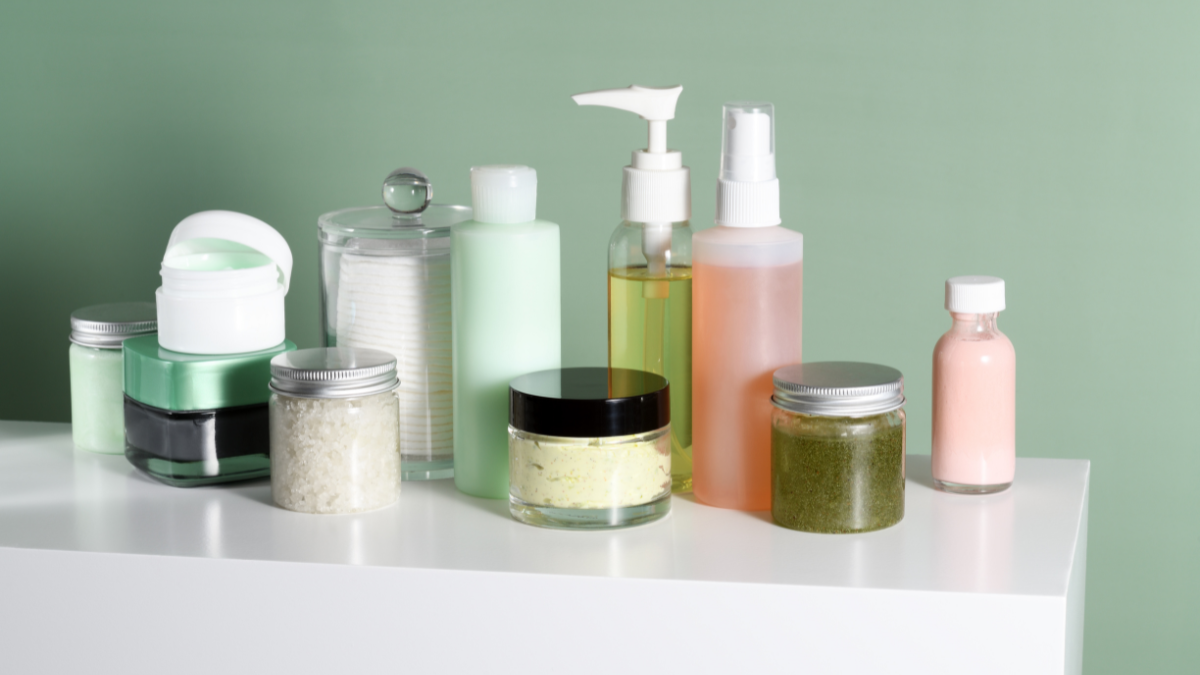
Packaging is often treated as a design decision, but it also affects how a skincare product works in daily use. The wrong container can make a good formula difficult to dispense, messy to store, or frustrating to use.
A bottle, jar, tube, or pump should be selected with the formula in mind. Texture, product thickness, intended use, label space, and storage all matter. Looking at these details early can prevent problems after production has already started.
Start With the Formula
The formula should guide the packaging decision.
A lightweight serum and a thick body cream have very different handling needs. Putting both into the same type of container simply because the packaging matches the brand design may not work well.
Before choosing a container, consider how the product moves.
Does it pour easily? Is it thick enough to hold its shape? Does it need to be pumped, squeezed, or scooped?
These simple questions can narrow down the suitable options.
Packaging should make the formula easier to use rather than creating another obstacle for the customer.
Match the Container to the Texture
Texture has a strong influence on how well a package performs.
A thin liquid can move through a small opening with little effort. A dense cream may need a wider opening or another dispensing method.
Problems often appear when the container is selected before the formula has been tested.
Pumps
Pumps can work well for many lotions, creams, and liquid products.
They allow customers to dispense a controlled amount without repeatedly opening the container. This can also keep everyday use relatively clean.
However, not every product moves easily through every pump.
A thick formula may require more pressure or may stop dispensing properly near the bottom of the bottle. A thin product may release too much with one press.
Testing the actual product with the pump is more useful than choosing the package from appearance alone.
Jars
Jars provide easy access to thicker formulas.
They are often practical for products that would be difficult to move through a narrow pump or bottle opening.
Customers can also see how much product remains.
The downside is that jars require users to open the full container each time. The brand should consider whether that format suits the intended product and customer routine.
The opening should also be wide enough for comfortable use.
Tubes and Bottles
Tubes can work well for products that need to be squeezed out in controlled amounts.
They are often easy to store and can be convenient for travel. The formula still needs to move through the opening without requiring excessive pressure.
Bottles offer many closure options, including pumps, caps, and other dispensing systems.
The right choice depends on how the formula behaves and how much product should come out at one time.
Think About Dispensing
Customers interact with the dispensing system every time they use the product.
A package that releases too much formula can lead to waste. One that releases too little may make the routine frustrating.
This is especially important for products that are meant to be used in small amounts.
A facial serum, for example, may require more control than a body lotion used across a larger area.
Brands should test several uses rather than judging the package after one pump or squeeze.
See how the product dispenses when the container is full, half full, and closer to empty. Some packaging problems become more noticeable after repeated use.
Discuss Packaging With the Manufacturer
Packaging decisions should be part of the production conversation.
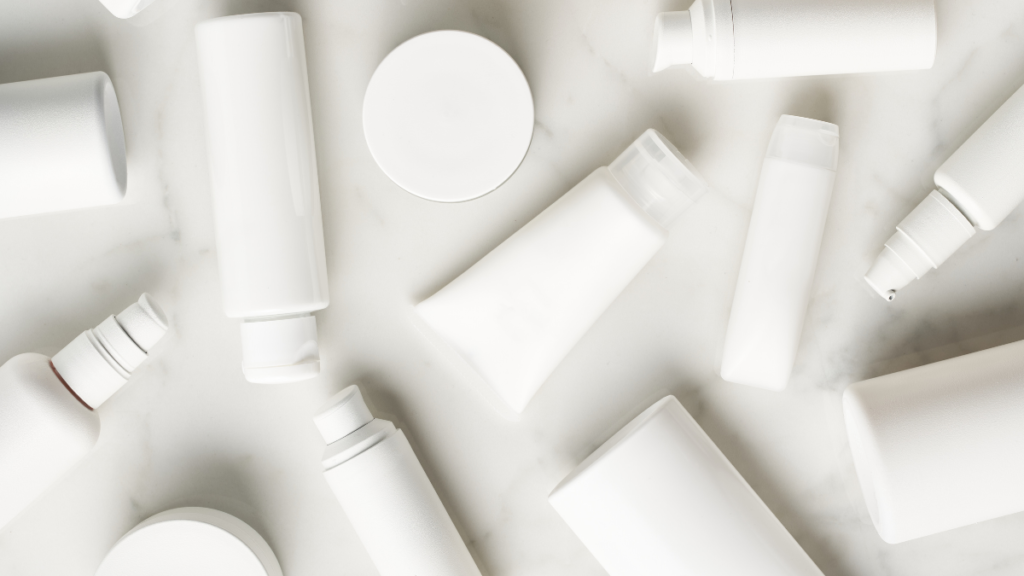
A private label skincare manufacturer may have experience working with certain bottle sizes, pumps, jars, tubes, or filling methods. That does not mean every available container will work with every formula.
Brands should ask whether the intended package is suitable for filling and normal product use.
If the brand supplies its own packaging, dimensions and other requirements should be confirmed before a large order is purchased.
A container that cannot move smoothly through the filling process may cause delays even if it looks good from a branding perspective.
Leave Enough Room for Labels
Labels need physical space.
Small bottles and jars can create design challenges because the brand still needs room for product information.
Trying to place too much text on a small label can make it difficult to read.
Before finalizing artwork, confirm:
- Container dimensions
- Available label area
- Label shape
- Placement of closures
- Where important product information will appear
Design should be based on the real package rather than an estimated size.
If the container changes, the label may also need to change.
This is one reason packaging should be settled before thousands of labels are printed.
Check Closures Carefully
The closure is just as important as the main container.
Caps, lids, pumps, and other components need to fit properly and stay secure during normal handling.
A loose closure can create leaks. A difficult cap can make the product frustrating to open. A pump that does not lock properly may cause problems during travel or shipping.
Test how the package behaves when it is handled repeatedly.
Open it, close it, place it on its side, and use it under the conditions a customer may encounter.
Small problems often become obvious during this type of practical testing.
Consider Storage at Home
Products rarely stay in perfect display conditions after purchase.
They may sit on bathroom shelves, inside cabinets, in drawers, or in travel bags.
Packaging should suit these normal environments.
A tall, narrow bottle may tip easily. A very wide jar may take up more shelf space than expected. A container with a loose lid may become a problem in a bag.
Think about where the product is likely to be stored.
This is especially useful when designing several products that customers may keep together.
Packages do not need to be identical, but they should be practical for the routines they are meant to support.
Think About Shipping
Packaging also needs to survive the journey to the customer.
A container that works well on a bathroom shelf may still cause trouble if it leaks or becomes damaged in transit.
Brands selling online should consider how the product will be packed for shipping.
Closures should stay secure, and the outer packaging should protect the container from normal handling.
Product weight can matter as well. Heavy packaging may affect storage and shipping decisions, especially when several items are purchased together.
These practical details are easy to overlook during design.
Test Before Ordering in Volume
One of the safest steps is to test packaging before committing to a large order.
Fill sample containers with the intended product and use them over several days.
Look for problems with dispensing, leaking, residue around the opening, closing, storage, and handling.
A brand working with a private label skincare manufacturer should also confirm whether the final package works with the planned filling process before ordering large quantities.
A small packaging problem is usually easier to correct during testing than after thousands of units have arrived.
Balance Appearance With Function
Good packaging should represent the brand, but appearance should not come at the cost of usability.
Customers interact with the container every day.
If the product is hard to open, difficult to dispense, or messy to store, attractive design may not be enough to create a good experience.
The strongest packaging choices usually balance both sides.
The product should look appropriate for the brand while still being comfortable and practical to use.
Conclusion
Skincare packaging does much more than hold a formula. It affects dispensing, labeling, storage, shipping, and the way customers experience the product every day.
Start with the texture and intended use, then choose a container that supports them. Test pumps, closures, openings, and label space before placing larger orders.
A package that works well with the formula can make the product easier to use from the first application to the last. Careful testing before production can also prevent avoidable packaging changes later.