

When pain, stiffness, or reduced mobility make movement harder, sleep is often one of the first things to suffer. You may struggle to find a comfortable position, wake when pressure builds in your hips or shoulders, or feel anxious about getting up for the bathroom in the dark. By morning, you can feel more tired than when you went to bed.
This guide covers simple home changes, common support tools, safety points, and a try-before-you-buy option for Melbourne readers. It is not a substitute for medical advice, but it can help you think through practical ways to make nights safer and more comfortable.
Why Nights Can Feel Harder When Your Body Is Achy
Pain and stiffness do not stop at bedtime. Lying still can make you more aware of sore joints, tight muscles, and pressure points. A few common barriers often stack up at night:
- Pressure on bony areas. Hips, heels, shoulders, and the base of the spine can ache when you stay in one position too long.
- Reflux and breathing. Lying flat can make acid reflux worse and may affect breathing comfort for some people.
- Temperature changes. Medications, menopause, illness, or pain can cause night sweats or chills that interrupt sleep.
- Bathroom trips. Getting up safely in the dark, especially with reduced balance or strength, takes extra effort.
- Transfer fatigue. Getting in and out of bed can feel tiring if your legs, arms, or core are not giving you enough support.
There is an emotional side, too. Poor sleep can lower your patience, mood, and energy. If you feel frustrated, it makes sense. The aim is not to fix everything at once, but to reduce the strain where you can.
Comfort Tweaks You Can Try Tonight
You do not always need new equipment to sleep a little better. Start with low-effort adjustments and notice what helps.
Positioning That Takes Pressure Off
If you sleep on your side, a pillow between your knees can help align your hips and reduce lower-back strain. A small wedge under your upper body may ease reflux. A pillow or rolled towel under your calves can reduce pressure on your heels.
Check your bed height as well. When you sit on the edge of the bed, your feet should rest flat on the floor and your knees should be roughly level with your hips. This position usually makes standing easier and safer. If a position increases pain, numbness, dizziness, or breathlessness, stop and ask a clinician for guidance.
Easier Transfers
A plug-in night light or motion-sensor light between the bed and bathroom can reduce the risk of stumbling. Keep the route clear of cords, loose rugs, laundry, and low furniture. If you need something to push from, use a stable support rather than a light bedside table that could tip. If stairs are part of your route, include lighting, hand support, and safer stair movement in the same plan.
If turning over in bed is hard, a satin or silk-sided slide sheet under your torso may reduce friction. A bed ladder, which is a rope-and-rung aid attached to the foot of the bed, can help some people pull themselves into a sitting position. A leg lifter can help you guide stiff or heavy legs onto the mattress.
Soothe Your Senses
A few minutes of slow breathing before bed can help settle your body. If a clinician has cleared you for gentle stretches, a short routine may ease stiffness. Layer bedding so you can add or remove warmth easily, and consider dimming lights or reducing screen time in the last half hour before sleep.
Picking the Right Support Tools for Your Space and Body
If small changes are not enough, a support tool may help. Before buying anything, use a simple process:
- Talk with a GP, physiotherapist, or occupational therapist about what you need.
- Define your main challenge, such as pain, transfers, pressure, breathing, or carer support.
- Measure your bedroom space, doorway width, and bed height.
- Shortlist the features that matter most to you.
- Plan a trial, hire period, or return window so you are not stuck with equipment that does not suit you.
Mattresses and Overlays
Frequent repositioning and pressure-redistributing surfaces can help reduce pressure on areas such as hips, heels, and shoulders. A pressure care mattress or overlay spreads weight more evenly than a standard mattress. Firmness is personal, so what works for someone else may not suit you. An occupational therapist can help match the surface to your body and risk level.
Adjustable and Hi-Lo Beds
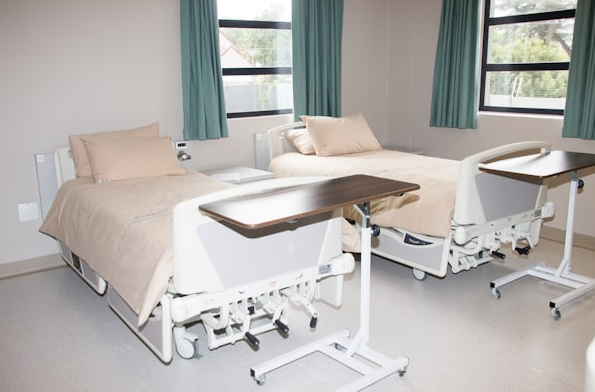
An adjustable bed and a Hi-Lo bed are not the same thing. An adjustable bed lets you raise the head or foot sections, which may help with reflux, breathing comfort, or swollen legs. A Hi-Lo bed raises and lowers the whole sleep surface, making it easier to get in and out of bed at the right height. It can also help carers assist without bending awkwardly.
Some beds combine both features. If possible, trial the bed before you commit, and check that the weight limit is suitable.

Lift Recliner Chairs
A lift recliner can be useful for daytime rest and for moving from sitting to standing with less strain on the knees, hips, or arms. The chair tilts forward to bring you closer to a standing position.
Fit matters. Your feet should touch the floor when the chair is upright, and the seat depth should support your thighs without pressing into the backs of your knees. The armrests should be comfortable for pushing up. If you can, sit in the chair and test the lift function before buying or hiring.
Walking Aids and Wheelchairs Near the Bed
If you use a walker, wheelchair, or rollator, think about where it sits overnight. Keep it within easy reach on the side where you get out of bed. Lock the brakes before transferring, and make sure there is enough clear floor space to turn safely.
For many people, the safer transfer pattern is to sit on the edge of the bed, pause, then stand and pivot without twisting the back. If you are unsure about technique, an occupational therapist can assess your bedroom setup and teach you a safer method.
Try Before You Buy
If you are not sure what you need, trying equipment in person can reduce guesswork. A showroom visit may help you compare bed heights, recliner sizes, mattress surfaces, and transfer aids with guidance from trained staff.
Hiring equipment can also be practical during short-term recovery after surgery, illness, or injury. It lets you use the tool while you need it without committing to a purchase. Before signing a hire agreement, check cleaning standards, delivery and collection fees, the return window, and what happens if the equipment does not suit your home.
For readers in Victoria who prefer in-person help, Back to Sleep mobility aids Melbourne is one example of a Melbourne retailer offering showroom consultations, product trials, and short-term hire across items such as adjustable and Hi-Lo beds, lift recliners, walking aids, and pressure care mattresses. This is included as a local example, not an endorsement. Availability, hire periods, and pricing can change, so confirm details directly.
A Gentle Day-to-Night Routine You Can Try
You do not need a rigid schedule. Think of this as a flexible framework you can adjust to your energy, symptoms, and daily plans.
- Morning. Ease in slowly. Sit on the edge of the bed for a moment before standing, then do a few gentle movements if your body allows.
- Midday. Check your posture if you have been sitting for a while. Drink water and shift position.
- Afternoon. If you need a rest, take one. A short nap in a supportive chair may help without making bedtime harder.
- Evening. Start winding down. Dim lights, reduce noise, and choose a calming activity.
- Pre-bed. Set up your pillows, check your night light, position your walking aid, and keep water within reach.
- Night bathroom plan. Know your route, keep it lit, and take your time.
The goal is not perfection. It is to create small pockets of comfort, safety, and ease across the day and night.

Care and Safety for Your Comfort Tools
Once you have a setup that works, regular checks help keep it safe and useful.
- Check weight limits on beds, chairs, walking frames, and transfer aids. These limits affect safety and warranty.
- Charge batteries on electric beds and lift recliners as recommended. Know where the manual override is in case of a power outage.
- Keep power cords tucked away and out of walking paths.
- Use washable, removable covers on mattresses and cushions when suitable. Clean them regularly.
- Reassess your setup after any change in strength, balance, pain, medication, or recovery stage.
A note on bed rails: Bed rails can create entrapment and fall risks if they are poorly matched to the person, mattress, or bed frame. Gaps between the rail, mattress, and frame can be dangerous. Safer alternatives may include a half-rail, a bed wedge along one side, a lower bed height, or a different transfer aid. Always consult a clinician before adding or removing bed rails. If your needs are changing, it can also help to read about adjusting to home care and discuss any device choices with a GP or occupational therapist.
FAQs
What is the difference between an adjustable bed and a Hi-Lo bed?
An adjustable bed lets you raise or lower the head and foot sections, which may help with breathing comfort, reflux, or leg swelling. A Hi-Lo bed raises and lowers the whole sleep surface, which can make transfers safer and easier for the person sleeping and for carers. Some beds offer both features. A GP or occupational therapist can help you decide which type suits your situation.
Can a wedge pillow replace a bed rail?
A wedge pillow can help with positioning and may reduce the feeling of rolling, but it does not work the same way as a bed rail. If you or a family member are considering a rail, speak with an occupational therapist first. They can assess fall and entrapment risks and suggest the safest option for your bed and body.
How do I tell if a lift recliner is the right size?
Sit with your back against the backrest. Your feet should rest flat on the floor, and the seat should support your thighs without pressing into the backs of your knees. The armrests should sit at a comfortable height for pushing up. If possible, test the lift function in person to make sure the motion feels steady and manageable.
Is it worth hiring equipment during short-term recovery?
Hiring can be practical if you only need a tool for a few weeks or months, such as after surgery or an injury. It lets you try equipment at home without a large upfront cost. Before committing, check cleaning standards, the return window, delivery and collection fees, and what happens if the equipment does not suit you.
A Small Step Tonight
You do not need to overhaul your bedroom or buy anything to begin. Choose one small change tonight. Adjust a pillow, add a night light, clear the path to the bathroom, or sit on the edge of the bed for a moment before standing.
Rest is easier when your space supports how your body moves now. If you need more tailored guidance, a GP, physiotherapist, or occupational therapist can help you choose tools and techniques that fit your home and your needs.