
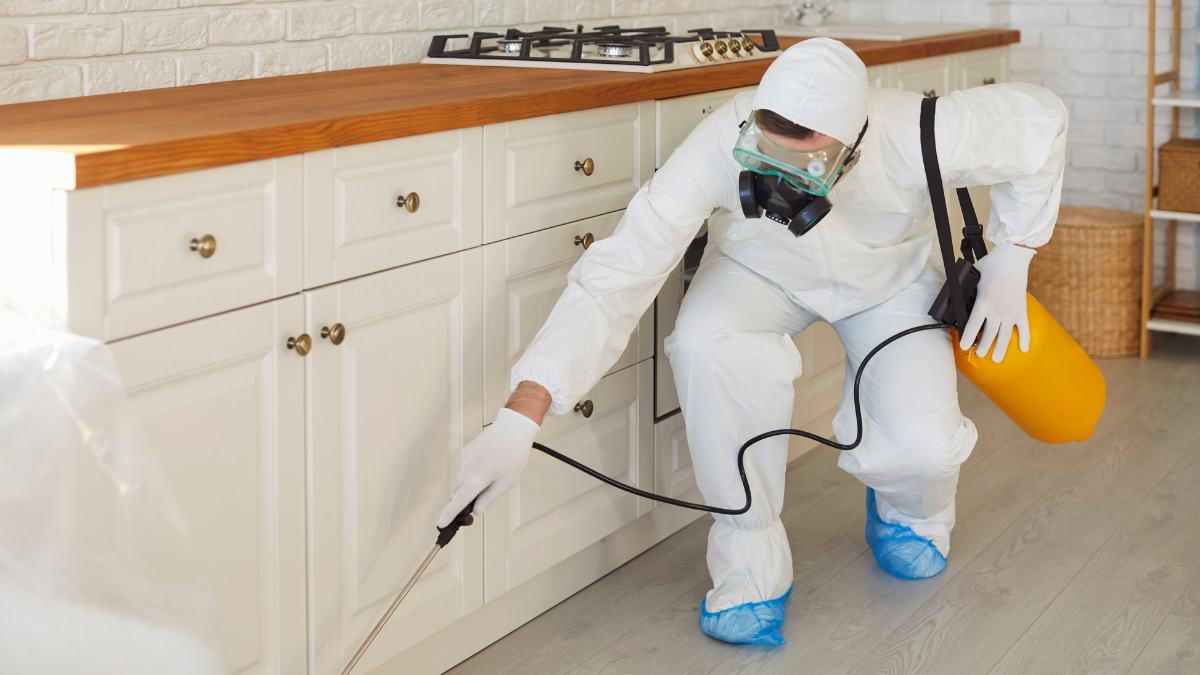
A kitchen can look clean and well maintained while still providing hidden routes for unwanted pests. Cabinets, appliances, plumbing lines, and wall openings create concealed spaces that homeowners rarely see during ordinary cleaning. When insects repeatedly appear around sinks, counters, or appliances, their location can provide useful clues about where they are entering or traveling.
Finding a few pests does not automatically mean the kitchen itself is the source of the problem. Activity may begin inside a wall cavity, beneath cabinetry, around plumbing penetrations, or near an exterior opening connected to the room. Looking beyond visible surfaces helps homeowners investigate why pests continue returning despite regular cleaning.
CURA Termite & Pest Control can evaluate these patterns and identify areas that deserve closer attention. Instead of focusing only on where an insect was spotted, an inspection can consider nearby access points, moisture sources, and concealed spaces. This approach gives homeowners practical information for reducing the conditions that support recurring activity.
Use Pest Sightings as Clues to Possible Routes
Where pests appear can sometimes reveal more than the number being seen. Repeated activity along one wall, cabinet edge, or countertop may suggest that pests are following a consistent route between a concealed area and an accessible food or water source.
Homeowners can note the location and approximate time of each sighting. Patterns may become clearer when observations are recorded instead of relying on memory.
The goal is not to follow every individual insect. It is to identify repeated activity that may point toward a specific section of the kitchen requiring inspection.
Inspect Gaps Beneath and Behind Cabinets
Kitchen cabinets often conceal small spaces where walls, flooring, and plumbing components meet. Gaps may remain around cabinet backs, toe kicks, corners, or areas where fixtures pass through the structure.
These openings can be difficult to notice without looking beneath sinks or inside lower cabinets. A flashlight may reveal gaps, debris, moisture, or other conditions hidden from normal view.
Pest Control can be more focused when these possible travel routes are identified. Understanding where activity is concentrated helps homeowners avoid treating every cabinet and surface as though it presents the same concern.
Pay Special Attention to Sink Cabinets
The cabinet beneath a kitchen sink combines plumbing, darkness, storage, and limited airflow. Pipe penetrations through the wall or floor can leave openings that provide possible routes between concealed spaces and the cabinet interior.
Leaks can make the area more attractive to pests that seek moisture. Damp wood, warped cabinet material, or water marks should therefore be investigated rather than simply wiped dry.
Stored products can also block visibility around plumbing connections. Keeping the area reasonably organized makes changes easier to notice during routine checks.
Check Behind Large Kitchen Appliances
Refrigerators, ranges, and dishwashers create sheltered spaces that are rarely disturbed. Crumbs, grease, moisture, and dust can accumulate behind or underneath them even when exposed kitchen surfaces are cleaned regularly.
Homeowners should inspect accessible appliance areas when recurring pest activity occurs nearby. The objective is to identify food residue, water, gaps, or other conditions that may explain why pests gather there.
CURA Termite & Pest Control can consider appliance locations as part of a broader evaluation of kitchen activity. The relationship between a sighting and nearby concealed spaces may help narrow down likely travel routes.
Examine Plumbing and Utility Penetrations
Pipes, electrical lines, and other utilities must pass through walls, floors, or cabinets to reach kitchen fixtures and appliances. Open space sometimes remains around these penetrations after installation or later repairs.
Even a small opening may connect the kitchen with a wall cavity or another concealed part of the property. Homeowners can visually inspect accessible penetrations without disturbing electrical or plumbing components.
Any sealing work should be appropriate for the material and utility involved. Openings should not be covered carelessly if access, ventilation, or movement is required for the component to function properly.
Look at Baseboards and Floor Transitions
The lower edges of kitchen walls provide another useful inspection area. Small gaps can develop where baseboards meet flooring, cabinetry ends, or different floor materials connect.
Pests that prefer concealed movement may travel along these protected edges rather than crossing open floors. Repeated sightings near the same transition can therefore justify closer inspection.
Pest Control should consider these structural details along with food and sanitation conditions. A spotless countertop will not prevent recurring activity if pests continue entering through an overlooked opening nearby.
Review Doors and Windows Near the Kitchen
Not every entry route is hidden behind cabinetry. Exterior doors, windows, damaged screens, and worn weather stripping can allow pests to enter directly from outside.
Kitchens near patios, gardens, garbage storage areas, or outdoor dining spaces may have several possible exterior connections. Homeowners should check whether visible activity increases around particular doors or windows.
Seasonal changes can influence these patterns. An opening that caused little concern during one part of the year may become more noticeable when outdoor pest activity increases.
Consider Food Sources Beyond the Countertop
Cleaning countertops and washing dishes are useful habits, but less visible food sources can remain available. Crumbs beneath appliances, residue inside cabinet corners, pet food, recycling containers, and spills behind storage items can attract pests.
A detailed kitchen check should include these overlooked locations. Removing accessible food sources makes the environment less favorable while allowing homeowners to determine whether sightings continue afterward.
CURA Termite & Pest Control can evaluate persistent activity that remains after basic sanitation concerns have been addressed. Continuing sightings may indicate that access routes or concealed nesting areas deserve additional attention.
Do Not Ignore Moisture Around Appliances
Kitchen moisture can come from more than the sink. Dishwasher connections, refrigerator water lines, condensation, and small plumbing leaks can create damp conditions behind appliances.
Because these areas are usually hidden, a slow leak may continue before obvious floor damage appears. Homeowners may first notice an odor, staining, or unusual pest activity near the affected location.
Checking for moisture helps distinguish a simple food attraction from a broader environmental issue. Correcting the water source can remove one condition that may be encouraging pests to remain nearby.
Avoid Relying Only on Visible Treatments
Treating the exact location where pests appear may provide limited information about where they originated. If insects are traveling from a wall cavity or opening behind cabinetry, the visible countertop is only the end of their route.
A better investigation considers access, food, water, shelter, and movement together. This can reveal why activity returns even after exposed surfaces have been cleaned.
Homeowners should also avoid blocking suspected openings before understanding the situation. Identifying the route first can support a more organized response and reduce the chance of overlooking connected areas.
Turn Kitchen Patterns Into Practical Prevention
Recurring kitchen pest activity often provides clues that are easy to miss when each sighting is treated separately. Cabinet gaps, plumbing penetrations, appliance spaces, baseboards, windows, and doors can all influence how pests enter and move through the room.
Regular observation helps homeowners connect sightings with conditions around the kitchen. Cleaning hidden food residue, correcting moisture problems, maintaining exterior openings, and keeping plumbing areas accessible can strengthen routine prevention.
A kitchen does not need to be visibly dirty for pest activity to develop. Looking beyond exposed surfaces and studying where pests repeatedly appear can help homeowners uncover hidden routes and make more informed decisions about protecting the space.