
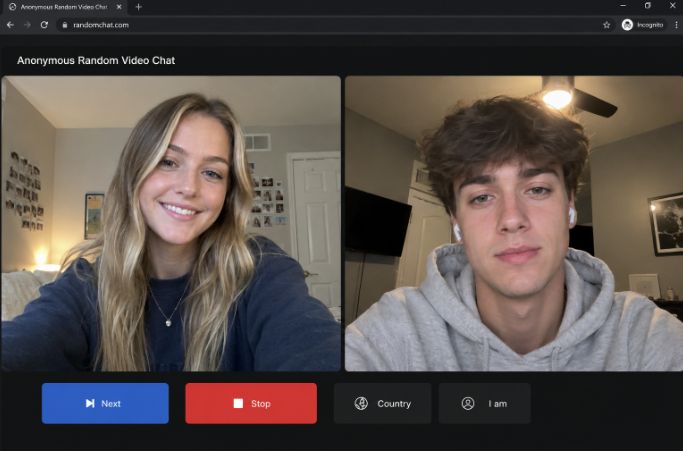
Anonymous video chat platforms let you connect with random people worldwide for live conversations without revealing your real identity. These apps and websites gained massive popularity as a fun, low-pressure way to combat loneliness, practice languages, or simply experience spontaneous interactions. While the idea of jumping into a video call with a complete stranger can feel exciting, understanding how they operate helps you enjoy them responsibly.
Modern platforms have evolved beyond the early days of completely unmoderated experiences. Many now incorporate safety tools, matching algorithms, and privacy protections to make anonymous video chat more secure. Whether you’re curious about the technology or looking for practical ways to stay safe, this guide breaks it down step by step.
What Are Anonymous Video Chat Platforms?
Anonymous video chat platforms are online services that randomly pair users for real-time video (or text) conversations. Unlike traditional social apps or dating services, they typically require little to no personal information—no profiles, no friend lists, and often no sign-up. You simply grant camera and microphone access, and the system connects you with someone else online at that moment.
These platforms thrive on simplicity and curiosity. Users often seek casual chats, cultural exchanges, language practice, or just a quick laugh. The core appeal lies in the unpredictability: every connection brings someone new from another city, country, or background. Many services include a “next” or “skip” button, allowing you to end a talk to strangers instantly and move to the next person.
In practice, this format removes social barriers. You don’t need mutual friends or shared networks. However, this same openness demands caution. Reputable platforms now balance anonymity with basic safeguards to reduce misuse while preserving the spontaneous fun of talk to strangers experiences.
How Do Anonymous Video Chat Platforms Work Technically?
At the heart of these platforms is a matching system that pairs users in real time. When you click “Start,” the server checks available users based on simple criteria like language, location preferences (if any), or gender filters. It then establishes a direct connection, often using WebRTC technology for peer-to-peer video streaming. This minimizes server involvement in the actual call, improving speed and privacy.
Servers act mainly as matchmakers and relays during initial setup. Once connected, data flows more directly between users where possible. Quality depends on your internet connection—good bandwidth delivers smooth video, while weaker signals may cause lag or drop to audio-only. Many apps run entirely in the browser, requiring no downloads, which adds convenience.
Interest-based or location-aware matching appears on newer platforms. You might select tags like “gaming,” “music,” or “travel” to increase the chances of meaningful conversations. Behind the scenes, algorithms aim for quick, fair pairings while avoiding repeated connections with the same people. Sessions typically stay temporary; when one ends, the system severs the link cleanly with no persistent history on many services.
Key Safety Features in Modern Platforms
Today’s leading anonymous video chat services invest heavily in safety. Many use AI moderation that scans video frames in real time to detect and block inappropriate content, nudity, or harmful behavior. Some require users to show their faces before connecting, helping verify real people and reduce bots or scams.
Reporting tools and instant bans let users flag problems quickly. Verified user options or one-time age checks (without storing full identity data) add layers of accountability. End-to-end encryption or peer-to-peer connections ensure the platform itself cannot easily access your conversation content. No-logs policies mean sessions disappear once ended, leaving minimal digital footprint.
Despite these advances, no system is perfect. Safety also depends on platform reputation—choose services known for active moderation over completely unfiltered ones. Features like auto-blur for images or the ability to chat anonymously without video provide extra control for cautious users.
Practical Tips for Meeting Strangers Safely
Staying safe starts with mindset and simple habits. Use a strong, stable internet connection and consider a reputable VPN to hide your IP address and add privacy. Never share personal details like your full name, address, phone number, workplace, or social media profiles. Even innocent questions can lead to doxxing if you’re not careful.
Set boundaries early. Keep your background neutral—no visible personal items, addresses, or identifiable locations. Use the “next” button freely if a conversation feels off. Trust your instincts: if someone pressures you for information, moves too fast to another app, or behaves inappropriately, disconnect immediately.
For added peace of mind, test platforms during busier, daytime hours in your time zone when moderation teams are often more active. Start with text chat if available before turning on video. Remember, genuine connections feel respectful and reciprocal—rushing or secrecy is usually a red flag.
Understanding the Risks and How to Handle Them
Even with improvements, risks remain. Users might encounter harassment, unwanted explicit content, scams, or attempts at social engineering. Predatory behavior is a documented concern, especially for younger users, which is why many platforms now enforce age restrictions and stronger verification.
Mitigate these by treating every chat as temporary entertainment rather than a path to deep personal relationships right away. Avoid clicking links shared in chats, as they can lead to malware or phishing. Keep software and apps updated, and consider device-level protections like screen recording if you need evidence of serious issues.
Parents or guardians should discuss these platforms openly with teens and use built-in device controls or family safety features. For everyone, the healthiest approach combines curiosity with clear personal rules.