
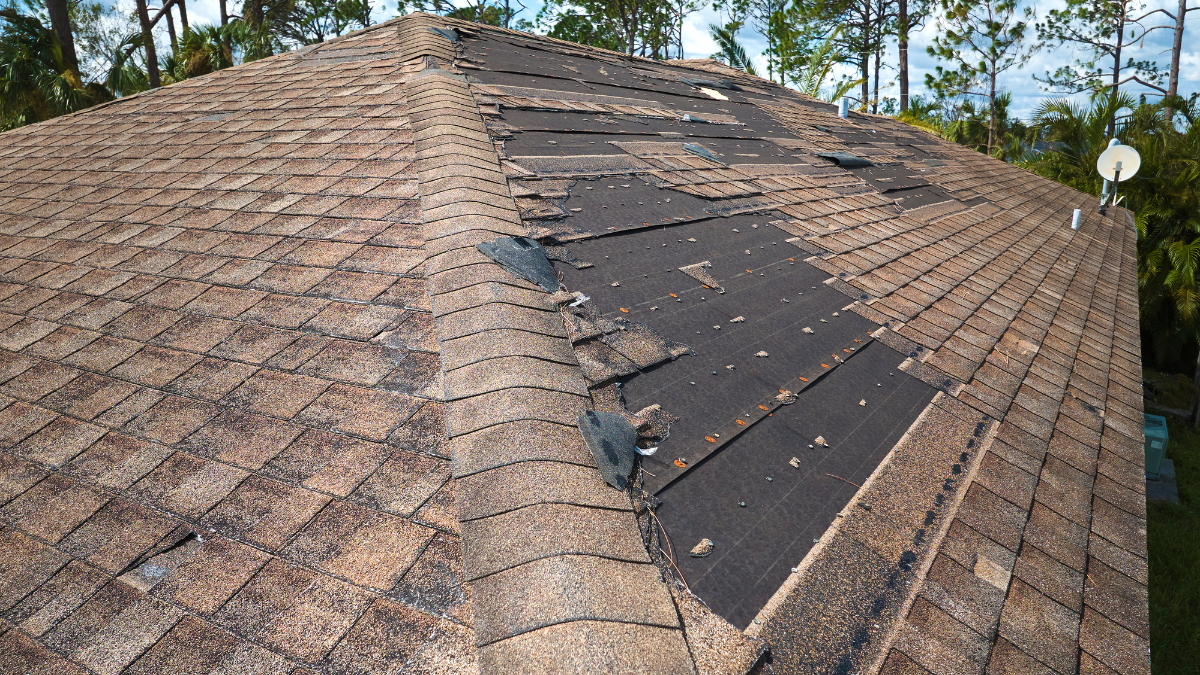
A brown ceiling stain may be the first visible warning of a roof leak, but water could have entered the building weeks earlier. Moisture frequently travels through concealed spaces before reaching an interior surface. This movement makes identifying the original source more complicated than simply examining the area directly above the stain.
Roof leaks develop through damaged materials, deteriorated flashing, exposed fasteners, or vulnerable roof penetrations. Once water enters the roofing system, gravity, building materials, and structural pathways influence where it travels. Some leaks remain hidden until insulation becomes saturated or interior finishes begin showing damage.
Understanding these hidden moisture pathways helps homeowners recognize problems before deterioration spreads. Roof Repair decisions should begin with identifying the actual entry point rather than treating visible stains as the complete problem. Homey Roofing and Restoration is one business homeowners may consider when evaluating roofing concerns and the work needed to address them.
Why Roof Leaks Rarely Appear Directly Below Their Source
Water does not always travel vertically after entering a roof. Sloped surfaces, framing members, and roofing layers may redirect moisture away from the original opening. A leak near a chimney might eventually produce staining several feet away.
Roof decking and underlayment can guide water along their surfaces before it reaches an exposed opening. Once moisture encounters a structural joint or fastener, it may begin dripping into the attic. The resulting interior damage can appear disconnected from the original roofing defect.
How Roof Slope Influences Water Movement
Sloped roofs naturally direct rainwater toward lower edges. However, water entering beneath roofing materials may follow a different route from surface runoff. It can move along underlayment, decking joints, or structural components before reaching the interior.
This movement complicates leak detection. Inspecting only the roof section directly above a ceiling stain may overlook the actual problem. A broader examination of surrounding roofing components is frequently necessary.
Common Entry Points That Allow Water Beneath Roofing Materials
Roofing systems contain several vulnerable transitions where different materials meet. Chimneys, plumbing vents, skylights, and roof valleys require carefully installed water barriers. Deterioration around these areas can create openings that allow rainwater to enter.
Damaged Flashing Around Roof Features
Flashing directs water away from intersections between roofing materials and vertical surfaces. When flashing becomes loose, corroded, or incorrectly positioned, moisture may enter beneath adjacent materials. Failed sealant can contribute to leakage, although sealant alone should not replace properly designed flashing.
Water entering near a chimney may travel along framing before appearing inside a nearby room. The visible stain might therefore provide only an approximate indication of the source. Inspection should consider the entire flashing assembly.
Deteriorated Shingles and Exposed Fasteners
Missing shingles, lifted edges, and damaged roofing materials may expose underlying protective layers. Wind-driven rain can enter vulnerable areas, particularly where materials have lost adhesion or become displaced.
Exposed fasteners create another potential pathway. Water may enter around poorly sealed penetrations and reach the roof decking beneath. The severity depends on the surrounding materials and how long the condition remains unresolved.
How Moisture Moves Through Attic Insulation
Once water enters an attic, insulation may absorb or retain moisture depending on its material. Wet insulation can lose some of its thermal performance and remain damp after the rainfall stops. Concealed moisture may also affect nearby wood and interior ceiling materials.
Different insulation products respond differently to water exposure. Fiberglass insulation may retain moisture within its surrounding assembly, while certain absorbent materials can hold substantial amounts of water. Proper evaluation determines whether drying or replacement is appropriate.
Homeowners should avoid assuming that insulation is undamaged simply because the ceiling remains dry. Moisture may accumulate above interior finishes without immediately producing visible stains. Unusual attic odors or damp materials deserve investigation.
What Happens When Roof Decking Remains Wet
Roof decking provides structural support beneath roofing materials. Plywood and oriented strand board are commonly used in residential construction. Prolonged moisture exposure may cause swelling, deterioration, or reduced material performance.
Repeated wetting creates particular concerns because materials may not dry completely between rainfall events. Over time, affected sections may become weakened or visibly distorted. The extent of damage depends on moisture exposure, material condition, and drying opportunities.
Recognizing Possible Decking Deterioration
Dark staining, softened wood, and visible sagging may indicate moisture-related problems. However, discoloration alone does not establish the severity of structural damage. Additional evaluation may be necessary to determine whether the decking remains serviceable.
Homeowners considering Roof Repair should understand that replacing damaged surface materials may not address deteriorated decking underneath. Contractors may need to examine concealed layers when evidence suggests deeper moisture problems. The appropriate scope depends on confirmed conditions rather than assumptions.
Why Ceiling Stains May Appear Long After Rainfall
Interior water stains sometimes develop gradually as moisture accumulates above drywall or plaster. Small leaks may wet insulation or framing repeatedly before enough moisture reaches the ceiling surface. This delay can make it difficult to connect staining with a particular storm.
Temperature changes and indoor humidity may influence how quickly damp materials dry. Water trapped between layers may remain present even after exterior surfaces appear dry. Persistent moisture creates conditions that can support microbial growth.
A stain that stops expanding does not necessarily indicate that the leak has disappeared. Dry weather may temporarily interrupt water entry. Homeowners should investigate the underlying cause rather than waiting for another visible symptom.
Distinguishing Roof Leaks From Other Moisture Problems
Not every ceiling stain originates from damaged roofing materials. Plumbing leaks, condensation, and poorly managed indoor humidity can produce similar symptoms. Identifying the moisture source prevents unnecessary roofing work.
Bathroom exhaust ducts that release humid air into attic spaces may contribute to condensation. Inadequate air sealing around ceiling penetrations can also allow warm indoor air to reach cold surfaces. These conditions require different solutions from exterior roof leaks.
During evaluations involving Homey Roofing and Restoration or another roofing contractor, homeowners should describe when moisture appears and which areas are affected. Patterns associated with rainfall may suggest exterior water entry. Moisture appearing during dry weather may justify examining additional building systems.
Warning Signs That Hidden Roof Damage Is Developing
Early moisture problems do not always produce obvious dripping. Homeowners may notice peeling ceiling paint, musty odors, unusual discoloration, or damp attic materials. These symptoms deserve attention because concealed deterioration can progress without dramatic warning signs.
Changes Around Walls and Ceiling Corners
Water traveling along framing may eventually reach wall cavities or ceiling intersections. Paint bubbling, softened drywall, and discolored trim can indicate moisture movement. The affected area may be several feet from the original roof opening.
Documenting when these symptoms appear provides useful information during inspection. Photographs and notes about recent rainfall can reveal recurring patterns. Homeowners should avoid opening damaged ceiling sections without considering electrical hazards and unstable materials.
How Professionals Investigate Concealed Roof Leaks
Leak investigation typically begins with reviewing visible symptoms and examining accessible roofing components. Inspectors may assess flashing, penetrations, drainage areas, and signs of previous repairs. Attic observations can provide additional clues about moisture pathways.
A Roofing Company may use moisture meters or other diagnostic methods when appropriate. However, instruments require careful interpretation because readings do not automatically identify the original entry point. Findings should be connected to visible conditions and building construction.
Why Surface Patching May Not Resolve the Problem
Applying sealant to a suspected opening may temporarily reduce water entry without correcting the underlying defect. Damaged flashing, deteriorated underlayment, or unsuitable installation details may require more substantial work.
Homeowners should request explanations linking proposed repairs to identified moisture pathways. Discussions with Homey Roofing and Restoration or other contractors should clarify whether the work addresses the source or only visible damage. This distinction matters when evaluating repair recommendations.
Preventing Recurring Damage Through Accurate Leak Diagnosis
Successful Roof Repair depends on understanding how moisture enters and travels through the roofing system. Correcting the original defect reduces the likelihood of repeated interior damage. Concealed materials should also be evaluated when prolonged exposure is suspected.
Homeowners benefit from investigating stains promptly, documenting moisture patterns, and reviewing repair recommendations carefully. A dry ceiling does not always indicate that every affected material has recovered. Identifying the complete water pathway provides a stronger foundation for lasting repairs and responsible roof maintenance.