Growing out a short haircut sounds simple until the shape begins changing. Sections that once sat neatly may become heavy, layers can lose their balance, and hair around the ears or neckline may feel difficult to style. Without a plan, many people become frustrated and cut their hair short again before reaching their desired length.
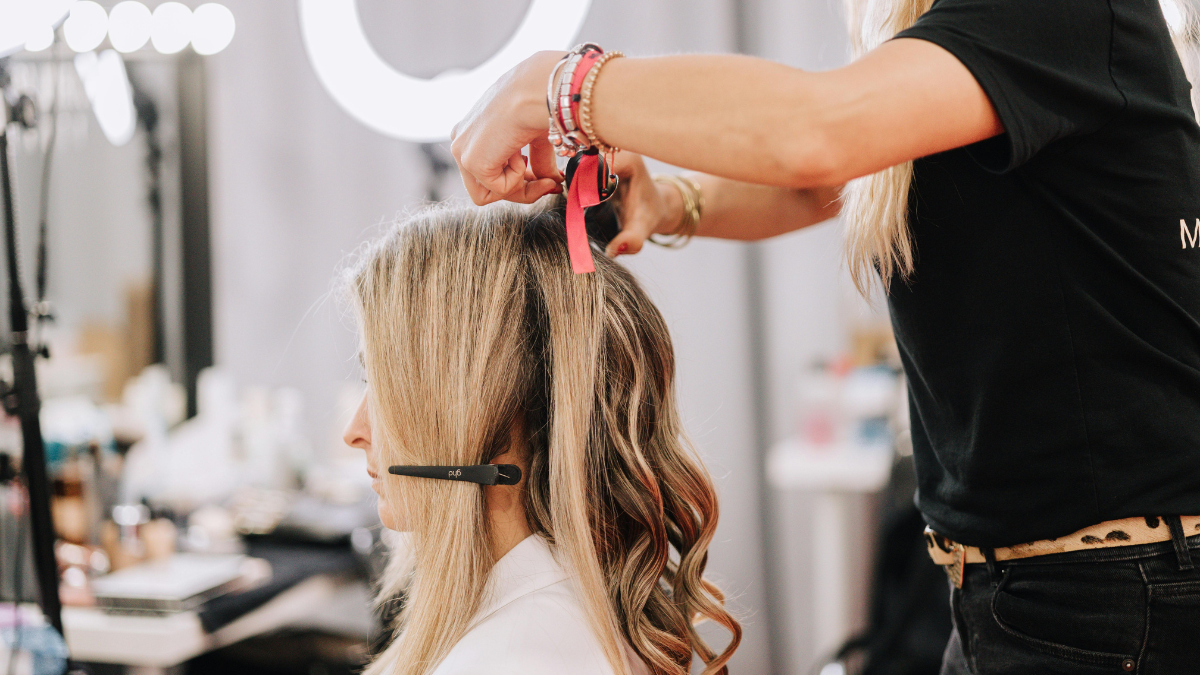
Regular visits to a Hair Salon can make the growing process easier without removing unnecessary length. Instead of treating every appointment like a traditional haircut, a stylist can adjust selected areas while allowing important sections to continue growing. This approach helps the overall shape remain intentional through several stages.
Mure Salon NYC can also help clients set realistic expectations based on their current cut, natural texture, and final goal. Growing from a pixie cut to a bob, for example, requires different decisions than growing out a short layered style. Understanding the path between the starting point and desired result makes each appointment more purposeful.
Begin With a Clear Longer-Term Hair Goal
The first step is deciding where the growing process is heading. Simply saying that you want longer hair gives a stylist limited information because there are many possible lengths and shapes. A reference photo can communicate the intended direction more clearly.
Your goal may also affect which sections need to grow first. Some styles require more length around the sides, while others depend on developing weight through the back or front. Knowing the destination allows temporary adjustments to support the final shape.
Goals can change as the hair gets longer, and that is completely practical. Reviewing the plan during appointments allows the style to develop naturally rather than following a rigid idea that no longer suits your preferences.
Understand Why Short Hair Grows Unevenly
Hair grows from individual follicles, but a short haircut contains sections cut to different lengths. Layers, tapered areas, bangs, and neckline sections therefore reach noticeable stages at different times. The result can appear uneven even when the hair itself is growing normally.
Texture can make these differences more visible. Curly or wavy sections may shrink upward, while straighter pieces show their length more clearly. Growth patterns around the crown and hairline can also influence how the changing cut sits.
Recognizing these differences can reduce the temptation to make major corrections at home. What looks like a problem may simply be a temporary stage that needs a small professional adjustment.
Use Strategic Trims Without Losing Your Progress
Avoiding every haircut while growing your hair may seem logical, but the shape can become increasingly difficult to manage. Strategic trims focus on areas that need refinement while preserving length where growth matters most. The purpose is maintenance rather than returning to the original short style.
A Hair Salon appointment can address uneven ends, bulky sections, or areas that no longer blend comfortably. Clients should clearly explain that growing the hair remains the main goal. That conversation helps distinguish between necessary shaping and removing more length than desired.
Decide Which Sections Should Keep Growing
Not every area needs trimming at every visit. The front, sides, crown, and back may each require a different approach depending on the target hairstyle. Selective maintenance allows slower-growing sections time to catch up visually.
Photographs taken between appointments can help track progress. They also make it easier to discuss which stages felt manageable and which areas created styling problems.
Manage the Neckline as the Back Gets Longer
The neckline is often one of the first areas to feel untidy when a very short haircut begins growing. Hair at the back may extend beyond the original shape before the sides have developed enough length to balance it. This can create a temporary appearance that feels heavier behind the head.
Immediately cutting the entire back short can delay progress toward certain longer styles. Instead, small adjustments may help control the outline while preserving useful length. The right choice depends on the intended final haircut.
Mure Salon NYC can consider how the neckline connects with the rest of the developing shape. Keeping that relationship in mind helps prevent repeated corrections that interfere with the longer-term plan.
Work With Natural Texture During Transitional Stages
Texture becomes increasingly important as short hair gains length. Waves may become more noticeable, curls can begin forming differently, and straight hair may develop movement that was not obvious in a shorter cut. Styling methods that worked previously may therefore stop producing the same result.
Rather than fighting these changes every morning, clients can experiment with techniques suited to their emerging texture. A different part, lighter styling product, or adjusted drying method may help the current length sit more naturally. Small changes can make an awkward stage easier to manage.
This period can also reveal useful information about the eventual longer hairstyle. Seeing how natural texture behaves at several lengths can help clients refine their final haircut goals.
Use Styling Changes to Bridge Difficult Lengths
Some stages are challenging because the hair is too long for the previous style but too short for the desired one. Temporary styling changes can make these periods feel more polished. Changing the part or adding controlled texture can alter the overall shape without sacrificing growth.
Accessories can also become useful as the sides and front lengthen. Simple clips or headbands may control sections that fall unpredictably while preserving their length. The goal is to make the current stage wearable rather than constantly hiding the hair.
Clients should avoid relying on excessive heat simply because the growing shape feels unfamiliar. Repeated high-temperature styling may create dryness or breakage that makes length retention more difficult.
Adjust Product Choices as Hair Gets Longer
Products that worked well on a very short haircut may feel too heavy once the hair gains length. Strong waxes and dense styling products can weigh down longer sections or make movement harder to control. Changing product use gradually can improve manageability.
Hair condition should guide these decisions. Someone experiencing dry ends may have different needs from a client whose growing hair becomes oily quickly near the scalp. Product quantity matters as much as product type.
A stylist can explain which products serve the current stage rather than recommending a routine intended only for the final hairstyle. Keeping the routine simple also makes it easier to recognize what actually works.
Handle Bangs and Front Layers With Patience
Growing bangs or short face-framing pieces often requires particular patience because they remain highly visible. As they lengthen, they may fall into the eyes or stop blending with the rest of the haircut. Cutting them back repeatedly can restart the same cycle.
A stylist may adjust surrounding sections so the front gradually becomes part of the developing shape. Different parting techniques can also help move longer pieces away from the face. These temporary solutions allow valuable length to remain.
Visiting a Hair Salon for occasional reshaping can be especially helpful during this stage. Small changes around the face can make the entire haircut feel more deliberate without interfering with the overall growth goal.
Keep the Growing Process Flexible
Hair growth takes time, and the original plan may evolve along the way. A client who initially wanted shoulder-length hair might discover that a shorter bob suits their texture and routine. Someone else may decide to continue growing after reaching the first target length.
Checking progress periodically creates opportunities to reconsider shape, maintenance, and styling preferences. The process does not need to follow one fixed route. Adjustments can respond to how the hair actually behaves as it becomes longer.
Mure Salon NYC can use these appointments to keep the developing haircut connected to the client’s current preferences. A flexible approach allows the style to remain enjoyable rather than making every transitional stage feel like something that must simply be endured.
Reach Longer Hair Without Sacrificing a Wearable Shape
Growing out a short haircut involves more than waiting for additional length. The neckline, sides, front layers, texture, and overall balance change at different rates. Managing those changes thoughtfully can make the months between short and long styles much easier.
Strategic trims, flexible styling, suitable products, and realistic expectations all support the process. Instead of repeatedly cutting difficult sections back to their original length, clients can focus on adjustments that preserve progress. Each stage can then become part of a planned transition.
The most useful approach is to keep the final goal in view while responding to the hair’s current condition. Some stages will require more creativity than others, but they do not have to look neglected or accidental. With patient maintenance and thoughtful shaping, short hair can grow into a longer style while remaining comfortable and presentable along the way.