

Few things are as frightening as watching someone choke. Your heart races, your hands shake, and your mind can go blank. If you care for an older parent, partner, or community resident, that reaction is normal. A calm plan, practised ahead of time, helps you act more clearly when seconds matter.
This guide is for Australian readers. It covers adult choking response at a high level, aligned with Australian Resuscitation Council guidance, and a practical care-home readiness checklist. Nothing here replaces certified first-aid training or professional medical advice. If someone is choking and you are unsure what to do, call emergency services (000 in Australia) immediately.
Use it as a starting point for everyday safety planning, the steady preparation that can make an emergency easier to manage.
Key Takeaways
- Know the signs. Mild and severe airway obstruction need different urgency.
- Act early. If unsure, call emergency services (000 in Australia).
- Plan ahead. Action cards, environment tweaks, and refreshers reduce panic.
- Use devices cautiously. Optional tools are add-ons, not substitutes for standard care.
- Verify with the ARC. Check current guidance before relying on any steps.
Why Seniors Face Higher Choking Risk
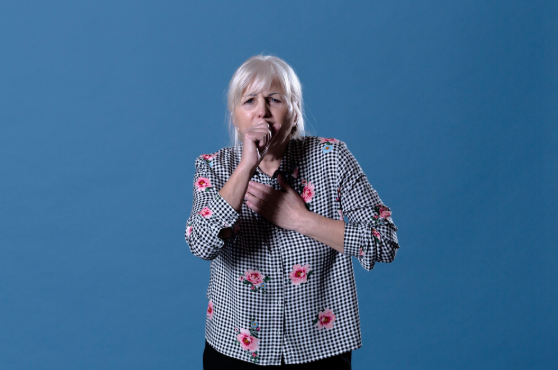
As we age, the muscles involved in swallowing can weaken. This is sometimes called dysphagia, and it can develop gradually enough that the person, and their family, may not notice right away. Neurological conditions, poorly fitting dentures, dry mouth, and some medicines can also make swallowing harder.
These factors do not mean choking is inevitable. They mean it is worth paying attention. Healthdirect Australia and Speech Pathology Australia note that swallowing changes deserve support. If you notice coughing during meals, avoiding textures, or much longer meals, speak with their GP or a speech pathologist.
Recognising a Choking Emergency
The ARC distinguishes between mild and severe airway obstruction. In a mild obstruction, the person can still cough effectively, speak, or breathe. In a severe obstruction, they may be unable to speak, cough, or breathe, may clutch their throat, or may change colour.
If the person is coughing forcefully, encourage them to keep coughing. Do not slap their back while their cough is still effective, as this can sometimes make the obstruction worse.
If the person cannot cough, speak, or breathe, treat it as severe. Call emergency services (000 in Australia) right away, or ask someone nearby to call while you begin your response. Triple Zero operators can guide you.
Step-by-Step: Adult Choking Response in Australia

The following is a high-level summary only, not a substitute for hands-on training. Verify every step against the current ARC guideline on airway obstruction before relying on it.
- Call for help. Ask someone to call emergency services (000 in Australia), or call yourself on speakerphone if you are alone.
- Give up to five back blows. With the person leaning forward, deliver firm blows between the shoulder blades with the heel of your hand. Check after each blow.
- Give up to five chest thrusts. If back blows have not worked, deliver chest thrusts using CPR-like hand placement. Check after each thrust.
- Alternate as needed. Alternate between back blows and chest thrusts until the obstruction clears, the person becomes unresponsive, or emergency services arrive.
- If the person becomes unresponsive, begin CPR as per your training and ARC guidance. Stay on the line with emergency services (000 in Australia).
Do not attempt blind finger sweeps; pushing into the mouth without seeing the object may move it deeper. Learn these steps through certified, in-person training.
Special Contexts: Frailty, Limited Mobility, and Wheelchair Users
Adapting the choking response for someone frail, with limited mobility, or using a wheelchair requires specific training. The ARC notes modifications may be needed, but improvising can cause injury. Ask your first-aid trainer to cover adapted scenarios, and check community staff induction against current ARC guidance.
Aftercare: When to Seek Medical Evaluation
Even after a choking episode resolves and the person seems fine, complications can occur. Healthdirect Australia and state health authorities such as SA Health recommend medical assessment after a significant choking event. Follow any advice from emergency services operators (000 in Australia) or attending paramedics.
Everyday Safety Planning at Home
Most choking incidents happen during meals. A few calm, consistent habits can reduce risk without turning mealtimes into something stressful.
- Sit upright. Encourage upright posture for eating and drinking, not reclining.
- Slow down. Unhurried meals with smaller mouthfuls give swallowing muscles more time.
- Reduce distractions. Turn off the television, and finish chewing and swallowing before speaking.
- Use good lighting. Make sure the dining area and food are easy to see.
- Supervise higher-risk moments. If your loved one has known swallowing difficulties, quiet company can help.
- Post simple signage. Post an action card that says Call emergency services (000 in Australia). Follow Action Card.
Consider creating a printable choking action card with ARC-aligned steps in large text. Keep one on the fridge and one in the dining area.

Build a Choking-Ready Kit
Keep a small kit within easy reach of the dining area. It does not need to be complicated:
- A charged mobile phone, or a landline nearby
- An emergency number card with 000 and your GP’s number
- Disposable gloves
- A pen and simple incident log sheet
- Your laminated choking action card, verified against ARC guidance
Some families also explore optional anti-choking devices as an extra planning tool after training, action cards, and phone access are already in place. For readers comparing optional tools alongside certified training, Australia-based kits for first aid for choking can help you review what is included and where they are intended to be used. These devices are a commercial option and do not replace standard first-aid techniques or emergency medical care. Pricing and availability may change, so check directly with the supplier.
Care Home Readiness Checklist
Whether your loved one already lives in a community or you are comparing options, this checklist can help you ask informed questions. Retirement villages are usually independent-living communities; residential aged care provides clinical support and operates under different regulations, so ask about nursing and clinical governance as well.
- Staff first-aid certification. Are relevant staff trained in HLTAID011 Provide First Aid, and how often is it renewed?
- Induction and refreshers. Are choking-response refreshers run for staff, including kitchen and activities teams?
- Posted procedures. Are laminated choking-response steps displayed in dining and common areas?
- Mealtime risk awareness. How are residents who may need extra support identified?
- Drills and debriefs. Are practice drills and post-incident debriefs conducted?
- Incident documentation. How are events recorded, and when are families notified?
- Emergency call points. Are call buttons accessible in dining areas?
- Meal supervision. What staff support is available during shared meals?
- Food texture policies. Is there a policy-level approach to modified textures when appropriate?
If you are shortlisting communities in South Australia, a directory of retirement villages in Adelaide can help you identify options to contact and ask about emergency and mealtime safety policies.

Get Trained and Keep Skills Current
HLTAID011 Provide First Aid is a nationally recognised training unit in Australia. It covers emergency response skills, including adult choking response. Training.gov.au notes that the unit includes managing airway obstruction and providing CPR. Many organisations recommend refreshing first-aid certification every three years, though requirements vary.
Hands-on practice is what turns knowledge into confidence. Reading a guide like this is a helpful start, but it is not the same as practising with a qualified instructor watching.
If you are in Brisbane, you can book a provide first aid course to cover adult choking response as part of nationally recognised training, then keep those skills current per official guidance. Check course availability, inclusions, and pricing directly with the provider before booking.
A Calm Moment for Caregivers

Caring for someone at higher risk of choking can feel heavy. It is worth pausing, even briefly, to look after yourself too.
Try this 30-second breathing exercise when tension builds: breathe in through your nose for four counts, hold gently for four counts, and breathe out slowly for six counts. Repeat twice.
You might place a small note on your action card that reads: Read this first. You are prepared. Follow the steps. A calm prompt can steady your hands when it matters most.
After a difficult moment, choosing a quiet safe place to breathe, write a quick note, or sit quietly for a minute can support steadier recovery.
After any incident, be gentle with yourself. Talk to someone you trust, and seek professional support if the experience stays with you.
Bringing It All Together
Everyday safety planning is not about living in fear. It is about building small, steady habits that support readiness: a laminated card, a charged phone, an unhurried mealtime routine, and a current first-aid certificate.
Devices and tools can be considered extras, but training and preparation come first. When in doubt, call emergency services (000 in Australia).
Save or print the checklist from this guide. Share it with family, a community manager, or anyone involved in your loved one’s care. A practised plan is easier to follow under pressure.