
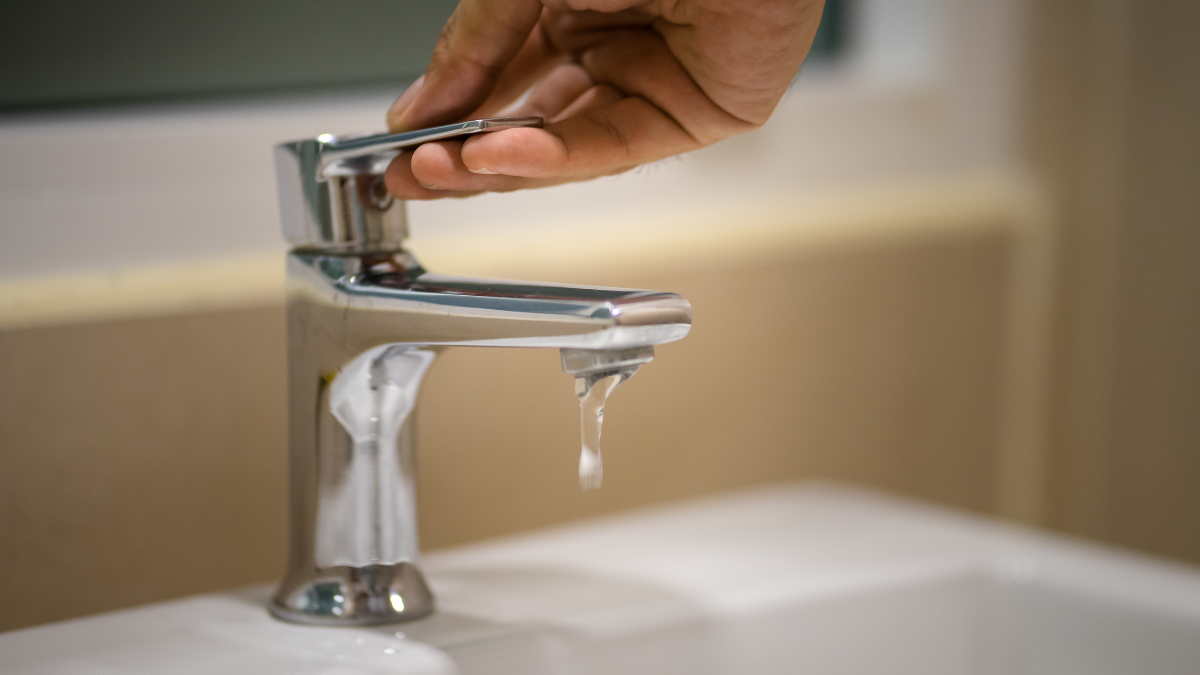
A properly functioning faucet is an essential part of any residential or commercial plumbing system, providing convenient access to water for cooking, cleaning, bathing, washing, and many other daily activities. Because faucets are used repeatedly throughout the day, their internal components can eventually experience wear and deterioration. Small problems such as dripping water, loose handles, reduced flow, or moisture around the base may appear insignificant at first, but they can gradually lead to water waste and damage to surrounding surfaces. Understanding common faucet problems and their causes can help property owners respond before the situation becomes more serious. Timely faucet repair can restore normal performance, conserve water, and help extend the useful life of a plumbing fixture.
Why Faucets Develop Problems
Faucets contain several components that work together to control water flow and temperature, including cartridges, washers, seals, O-rings, valves, handles, aerators, and connection fittings. These parts are exposed to water pressure and repeated movement every time the fixture is operated. Over the years, constant use can cause components to become worn, cracked, loose, or less effective at creating a watertight seal. Mineral deposits can also accumulate inside the fixture and interfere with normal operation. Identifying the specific cause is important because replacing the wrong component or tightening the wrong connection may not resolve the underlying problem.
Common Signs of a Faulty Faucet
A dripping faucet is one of the easiest plumbing problems to recognize, but there are many other signs that can indicate a fixture needs attention. Water may appear around the handle, spout, or base, while the faucet may produce weak or uneven water flow. Handles can become unusually stiff, loose, or difficult to turn, and some fixtures may produce squeaking, rattling, or vibrating sounds while operating. Mineral deposits around the aerator or spout can also indicate that water flow is being restricted. Recognizing these warning signs early can make faucet repair simpler and may prevent additional damage to the fixture or surrounding property.
Dripping Faucets and Water Waste
A faucet that continues dripping after being turned off usually has a problem with an internal sealing component. A worn washer, damaged cartridge, deteriorated O-ring, or faulty valve can prevent the faucet from shutting off completely. Although an individual drop may seem insignificant, constant dripping can result in substantial water waste over time. The moisture can also create stains, mineral deposits, or deterioration around the sink and countertop. Instead of repeatedly tightening the handle, property owners should determine why the fixture is not creating a proper seal and address the defective component appropriately.
Leaks Around the Handle
Water leaking around a faucet handle can indicate a worn seal, damaged cartridge, loose component, or deteriorated internal connection. This type of leak may only appear when the faucet is running, which means it can easily go unnoticed during normal use. Continued moisture around the handle can eventually damage the fixture and surrounding countertop materials. The correct solution depends on the faucet’s design and the condition of its internal parts. A professional inspection can identify the source of the water and determine whether the affected component can be adjusted, cleaned, repaired, or replaced.
Leaks Around the Faucet Base
Moisture around the base of a faucet can create problems for both the fixture and the surface where it is mounted. Water may collect around the mounting area and gradually seep into seams or porous materials, potentially causing staining, swelling, corrosion, or deterioration. The cause could involve a damaged seal, loose mounting hardware, worn connection, or another component that is allowing water to escape. Simply drying the area does not eliminate the source of the problem. Proper faucet repair should identify the reason for the leakage and restore a secure connection so the surrounding area remains protected from repeated moisture exposure.
Low Water Flow From a Faucet
Reduced water flow from one faucet may be caused by mineral buildup, debris, an obstructed aerator, or a restriction within the fixture. Aerators contain small openings designed to regulate and distribute water, but those openings can become clogged over time. If other fixtures throughout the property have normal pressure while one faucet has weak flow, the problem may be isolated to that fixture. Cleaning or replacing the aerator may resolve a simple obstruction, but persistent low flow can indicate a deeper issue. A professional assessment can determine whether the restriction is inside the faucet or connected to another part of the plumbing system.
Faucet Handle Problems
Faucet handles should generally operate smoothly and provide consistent control over water flow. A handle that becomes stiff may indicate mineral buildup or a damaged internal component, while a loose handle can result from worn hardware or a connection that needs adjustment. Applying excessive force to a difficult handle can make the situation worse and potentially damage the internal mechanism. Depending on the faucet design, the solution may involve cleaning, tightening, lubricating an appropriate component, or replacing a cartridge or valve. Addressing problems early can help preserve the fixture and maintain comfortable operation.
Cartridge and Washer Failures
Many traditional and modern faucets use cartridges, washers, or similar components to regulate water flow. These parts experience repeated movement whenever the faucet is turned on and off, eventually leading to normal wear. Once a cartridge or washer becomes damaged, water may continue flowing after the handle has been closed or may leak from unexpected areas. Replacing the correct component can often restore the faucet without requiring complete fixture replacement. However, identifying the correct part can be difficult when several similar models exist. Professional faucet repair can help ensure that compatible replacement components are installed correctly.
Mineral Deposits and Corrosion
Mineral deposits are a common cause of reduced faucet performance, especially in plumbing systems where water contains higher concentrations of certain minerals. Deposits can accumulate around aerators, valves, cartridges, and internal passages, restricting flow and making components difficult to operate. Corrosion can create additional problems by weakening metal parts and making connections difficult to disassemble. Regular cleaning can help prevent minor buildup, but severely affected components may need replacement. If mineral deposits continue returning quickly, property owners may benefit from having the plumbing system evaluated to determine whether water characteristics are contributing to recurring fixture problems.
Why Prompt Repairs Are Important
A leaking or malfunctioning faucet should not be ignored simply because the problem appears small. Continuous moisture can damage countertops, cabinets, flooring, fixtures, and other nearby materials. A dripping faucet can also waste water every day, increasing unnecessary consumption and utility expenses. Internal components that are already worn may deteriorate further when they continue operating under normal water pressure. Addressing the issue as soon as it becomes noticeable can often reduce the amount of work required. Prompt attention also makes it easier to prevent secondary damage that might otherwise develop around the fixture.
Repair or Replace: Making the Right Choice
Not every faucet problem requires complete replacement. If the fixture is structurally sound and the problem involves a replaceable washer, cartridge, O-ring, aerator, seal, or fitting, repairing the affected component may be the most practical option. However, replacement may make more sense when the faucet is severely corroded, cracked, outdated, or experiencing repeated failures. The decision should consider the fixture’s age, condition, repair history, availability of replacement parts, and expected future performance. A qualified professional can evaluate the faucet and help determine whether repairing the existing fixture or installing a new one provides the better long-term solution.
Importance of Proper Faucet Installation
Correct installation is essential for reliable faucet performance. A fixture that is improperly mounted or connected may develop leaks even when all of its components are new. Connections should be compatible, mounting hardware should be secure, and seals should be installed correctly without excessive tightening that could damage them. The water supply should also be restored carefully and the fixture checked for leaks before normal use begins. Proper installation reduces unnecessary stress on components and helps prevent premature failure. Professional workmanship can also make future maintenance easier by ensuring that the fixture is installed according to its design requirements.
Preventing Faucet Problems
Regular maintenance can help reduce the likelihood of faucet failures and extend the life of plumbing fixtures. Property owners should periodically inspect faucets for dripping, moisture, corrosion, mineral buildup, loose handles, and changes in water flow. Aerators can be cleaned when deposits begin affecting performance, while visible supply connections should be checked for signs of moisture. Handles should be operated gently rather than forced when they become difficult to turn. Small problems should be addressed before they develop into larger ones. Preventive maintenance combined with timely faucet repair can reduce water waste and help maintain consistent fixture performance.
The Impact of Water Pressure
Water pressure can have a significant effect on faucets and other plumbing fixtures. Excessively high pressure places additional stress on internal seals, cartridges, valves, supply connections, and other components. Over time, this additional strain may contribute to premature wear and increase the likelihood of leaks. If several fixtures throughout a property experience recurring problems, checking the water pressure may help identify a contributing factor. Maintaining pressure within an appropriate range can help protect plumbing components and improve their expected service life. Correcting pressure-related issues may also reduce the frequency of fixture problems throughout the plumbing system.
DIY Faucet Maintenance
Some basic faucet maintenance tasks can be completed by homeowners who have the right tools and sufficient knowledge of the fixture. Cleaning an aerator, removing visible mineral buildup, or checking an accessible connection may be relatively straightforward. However, more complicated repairs can involve pressurized water, hidden components, corroded fittings, or specialized replacement parts. Attempting to force a damaged component apart can result in additional problems or broken connections. Homeowners should avoid taking unnecessary risks when a repair becomes complicated. When basic maintenance does not resolve the problem, professional assistance can provide a safer and more dependable solution.
Protecting Cabinets and Countertops
Faucet leaks can cause gradual damage to cabinets and countertops even when the amount of water seems minimal. Water collecting around the base of a fixture can enter seams and porous surfaces, potentially causing swelling, discoloration, or deterioration. A leaking connection beneath a sink can also expose cabinet interiors to prolonged moisture, sometimes without being immediately visible. Periodically checking these areas can help property owners discover leaks before substantial damage occurs. Once a leak is identified, prompt faucet repair can stop the water source and reduce the risk of costly repairs to surrounding materials.
When Professional Assistance Is Necessary
Professional assistance is especially useful when a faucet continues leaking after basic adjustments, when internal parts are difficult to access, or when the fixture shows significant corrosion or structural damage. A plumber can identify whether the issue is isolated to the faucet or connected to the supply system. Professionals also have appropriate tools and access to replacement components for many different fixture designs. This can reduce the risk of damaging the faucet during disassembly and help ensure that replacement parts are installed correctly. Professional service is particularly valuable when the same faucet has experienced repeated failures despite previous repairs.
Maintaining Faucet Performance
Good maintenance habits can significantly extend the useful life of a faucet. Fixtures should be cleaned regularly to remove deposits and should be operated gently to reduce unnecessary stress on handles and internal mechanisms. Visible connections should be checked for moisture, while changes in water flow or pressure should be investigated rather than ignored. If a faucet begins dripping after shutoff, develops a leak around its base, or becomes difficult to operate, early attention can prevent the problem from worsening. Keeping track of previous repairs can also make future maintenance easier. Consistent care helps keep fixtures efficient and dependable.
Benefits of Timely Repairs
Addressing faucet problems early offers several benefits beyond simply stopping a drip. Repairs can reduce water consumption, protect nearby building materials, improve fixture performance, and prevent small component failures from developing into larger plumbing problems. Early attention may also make it possible to replace an inexpensive internal part instead of purchasing an entirely new fixture. Property owners can avoid unexpected fixture failures by paying attention to warning signs and arranging appropriate service when needed. Timely faucet repair can therefore support both immediate convenience and long-term plumbing efficiency while helping protect the surrounding property from unnecessary water damage.
Final Thoughts
Faucets are relatively small components, but they play an important role in everyday plumbing performance and water conservation. Dripping water, leaks around handles or bases, weak flow, stiff controls, mineral deposits, corrosion, and unusual noises can all indicate that a fixture needs attention. Understanding these warning signs allows property owners to respond before a minor issue becomes a larger problem. Regular cleaning, appropriate water pressure, careful operation, and timely maintenance can extend the useful life of faucets and reduce unnecessary water waste. With professional faucet repair, proper installation, routine inspection, and responsible everyday use, property owners can keep their plumbing fixtures reliable, efficient, and functional for years to come.