
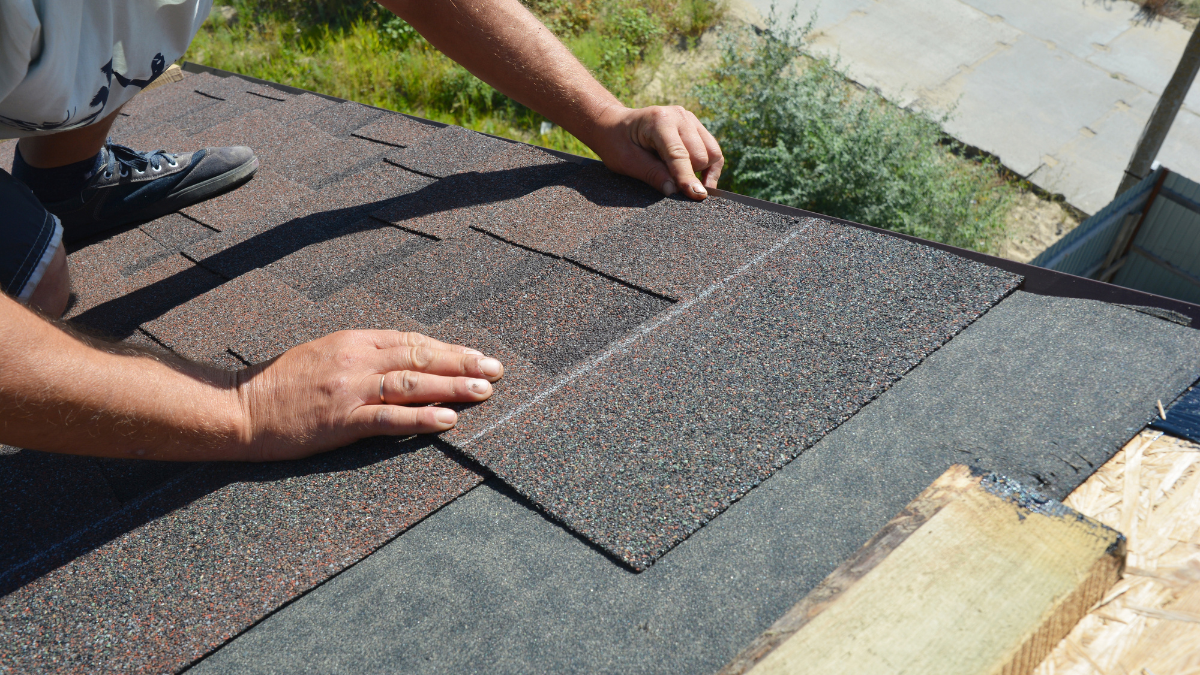
Smyrna homeowners may spot storm damage through small signs before the roof problem is obvious from the street. Missing shingles, granules in gutters, ceiling stains, or damp attic insulation can point to openings around ridge caps, valleys, flashing, or pipe boots. Wind-driven rain and fallen debris can turn those weak spots into active leaks quickly.
Emergency roof repair in Smyrna TN matters most when more rain is coming and the home needs protection before damage spreads indoors. Fast triage helps separate temporary leak control from permanent roof repair. Clear photos, safe interior checks, and a written repair scope also give homeowners a stronger record for contractor estimates and insurance conversations.
Immediate Damage Triage After Smyrna Storms
Indoor signs like damp attic insulation, darkened roof decking, or a steady drip near a pipe, chimney, or vent are often the first reliable clues after wind and rain. Daylight showing around penetrations or at the ridge line points to an opening that can widen with the next gust. If you can access the attic safely, scan along rafters and decking seams for fresh moisture and follow any wet trails to the highest point you can see.
From the ground, roof damage can show up as missing shingles, exposed black underlayment, bent flashing at walls, broken ridge caps, or scattered shingle pieces in mulch beds and driveways. Those details help separate minor surface wear from a water-entry risk that needs same-day attention. A professional handling roof repair in Smyrna TN can use the roof plane and location of each visible issue to match exterior findings to the interior leak path before Tennessee rain returns.
Leak Control Before Interior Damage Spreads
Water dripping from a light fixture, vent cover, or ceiling joint needs containment right away while the roof is still being evaluated. Set a bucket or bin under the drip, lay towels to catch splash-out, and clear nearby floor space so water doesn’t reach rugs, furniture legs, baseboards, or stored boxes. Plastic sheeting can be tucked under the drip path or draped over items that can’t be moved, and it helps keep wet spots contained to one area.
Ceiling stains can grow in uneven rings as water follows drywall seams, so tracking the edge matters. Use painter’s tape to outline the current perimeter of the stain and write the date on the tape, then take clear photos that show the taped edge and the surrounding ceiling. Recheck the outline after heavier bursts of rain to see if the stain has expanded or moved, and keep each photo time-stamped in the same folder.
Wind, Rain, and Debris Repair Priorities
Storm repairs should focus first on roof areas where water can enter fastest. Lifted ridge caps, damaged valleys, split pipe boots, loose chimney flashing, and gaps along wall flashing create risk because they sit at seams, transitions, and penetrations. Debris strikes also need close inspection for punctured shingles, crushed tabs, exposed nail lines, or soft decking near roof edges.
A strong repair plan starts with stopping water at the opening, then restoring the roof system around it. Temporary sealing or tarping can protect the home before the next Smyrna downpour, but permanent work should address the damaged shingles, flashing path, underlayment exposure, or decking issue that allowed water in. Photo documentation should separate temporary protection from completed repair.

Emergency Roofing Crew Standards in Smyrna TN
Emergency roofing crews need to document the roof condition before starting work. Photos should show lifted shingles, puncture points, flashing gaps, exposed fasteners, soft decking, active leak paths, and any temporary protection needed before permanent repair. Written notes should connect the exterior damage to interior signs such as ceiling stains, wet insulation, or damp decking.
Usable scopes should separate immediate protection from permanent roof repair. Tarping, spot sealing, and leak control may stop active water, while shingle replacement, flashing reset, pipe boot replacement, or decking cuts restore the roof system. The contractor should explain what needs same-day action, what can wait, and what materials or roof areas are included in the written estimate.
Insurance-Ready Roof Repair Documentation
Time-stamped photos taken the same day show what happened and where, and they hold up better than a written description alone. Capture roof planes from the ground, close-ups of damaged areas the roofer documents, and matching interior shots of ceiling stains, wet insulation, or damp decking. Include photos of fallen limbs, gutter debris, and any temporary covering such as tarps or plastic, and keep the date visible in the file details or phone settings.
Insurance conversations move faster when every record sits in one folder and each item is easy to match to a line in the estimate. Save inspection notes, the repair scope, material descriptions, estimates, invoices, and payment receipts, along with any drying or mitigation paperwork if a leak reached the home. Ask your roofer to label what appears storm-related versus normal wear so the claim discussion has a clean starting point for questions and adjustments.
Storm damage in Smyrna is easier to manage when the first steps follow a clear order: stop active water, confirm the entry point, and repair the roof system that caused the leak. Start with safe checks from inside and from the ground, then focus on openings at edges, valleys, flashing, and penetrations before cosmetic issues. Homeowners do not need to climb on the roof or guess what failed. A qualified local roofing crew can inspect the damage, explain repair options, provide photo documentation, and help schedule permanent repairs before the next round of rain.