Dog Daycare Routines for Dogs That Need Productive Activity During Long Workdays

by | Sep 18, 2026 | How To | 0 comments

Long workdays can create a difficult scheduling gap for dog owners. Morning and evening walks may provide useful activity, but many dogs still spend several hours with limited opportunities for movement or engagement. The challenge becomes greater for active dogs that enjoy regular interaction and have energy to use throughout the day.

A structured dog daycare routine can give dogs productive ways to spend those daytime hours. Rather than concentrating activity into one short period, a balanced schedule can include movement, supervised interaction, breaks, and opportunities to settle. This type of routine is particularly useful for owners whose work schedules make daytime activity difficult to provide consistently.

Every dog has different needs, so productive care should not mean constant stimulation. Age, personality, energy level, comfort around other dogs, and previous experiences can influence what makes a good day. Karnik Pet Lodge at Maple Village can consider these individual differences when helping dogs follow an organized daytime routine away from home.

Look Beyond Simply Filling the Hours

Daytime care should provide more than a way to prevent a dog from being alone. Dogs benefit when their hours away from home have some structure instead of becoming one continuous period of excitement. A predictable routine can help them understand when it is time to move, interact, and rest.

The right balance depends heavily on the individual dog. A young, energetic pet may enjoy more active periods, while an older or quieter dog may prefer shorter sessions with additional downtime. Treating every dog exactly the same can overlook these differences.

Owners can think about what they want daytime care to accomplish. Some dogs need an appropriate outlet for energy, while others may benefit from supervised interaction or a predictable change from staying home. Defining the purpose makes it easier to evaluate whether a routine fits.

Start the Day With a Calm Transition

A productive day does not need to begin with immediate high-energy activity. Dogs arriving in a different environment may need a little time to adjust to the sights, sounds, people, and other animals around them. A calmer transition can help the day begin without unnecessary pressure.

Owners can support this transition by keeping morning routines reasonably predictable. Sudden changes in feeding, exercise, or departure habits may make an already different day feel more unusual. Familiar patterns before leaving home can provide useful consistency.

Karnik Pet Lodge at Maple Village can use information about a dog’s normal behavior to understand how the pet typically approaches new or active situations. Clear communication from owners provides useful context when determining how a dog may settle into the day’s schedule.

Match Activity to Energy Instead of Encouraging Constant Play

Dogs need physical activity, but more movement is not automatically better. An effective dog daycare schedule should recognize that healthy routines include periods of activity and recovery. Continuous excitement can be tiring, particularly for dogs that struggle to settle on their own.

Consider Age and Normal Activity Levels

Puppies, adult dogs, and senior dogs can have very different energy patterns. Even dogs of similar ages may vary considerably depending on personality, health, and daily habits. Owners should describe what normal activity looks like at home rather than assuming age alone determines the right routine.

A dog that enjoys long walks may have different needs from one that prefers several shorter periods of movement. Understanding these patterns helps create a more suitable balance. The objective is meaningful activity, not simply keeping the dog moving for as long as possible.

Allow Time for Quiet Breaks

Rest provides a natural counterbalance to active periods. Dogs need opportunities to relax after movement and stimulation, just as they do at home. Scheduled breaks can help prevent the entire day from becoming overly demanding.

Quiet periods may also make transitions between activities easier. A dog that has time to settle can approach the next part of the schedule with a different energy level. Balanced days include both engagement and opportunities to pause.

Use Supervised Interaction With Individual Comfort in Mind

Some dogs enjoy spending time around other dogs, while others are more selective. Personality, previous social experiences, play style, and confidence can all influence how a dog responds. Productive interaction therefore requires more thought than simply placing dogs together.

Careful observation can help determine whether a dog appears comfortable during shared activities. Size alone does not describe play style, and energy level alone does not explain temperament. Several characteristics may need to be considered when organizing appropriate interactions.

Owners should provide accurate information about their dog’s behavior around unfamiliar pets. Describing both positive experiences and known difficulties gives caregivers a more complete picture. Honest communication supports better decisions than presenting an idealized version of the dog’s behavior.

Give Mental Engagement a Place in the Routine

Physical movement is only one form of productive activity. Dogs also use energy when exploring, responding to new situations, interacting appropriately, and paying attention to their surroundings. Mental engagement can add variety without requiring nonstop physical play.

Changes in environment naturally provide different sights, smells, and experiences from those available at home. These experiences can keep a dog’s day interesting while remaining part of an organized routine. The appropriate level of stimulation still depends on the individual pet.

Karnik Pet Lodge at Maple Village can support structured daytime experiences that recognize dogs as individuals rather than assuming one activity pattern suits everyone. A useful routine gives dogs appropriate engagement while preserving opportunities for rest.

Keep Meals and Feeding Instructions Consistent

Dogs attending care during long workdays may have feeding needs that overlap with their time away from home. Owners should provide clear information about any meals required during the day and follow the facility’s procedures for food. Consistency reduces unnecessary changes to familiar habits.

Dietary restrictions or relevant feeding instructions should be communicated before the visit. Owners should not rely on a rushed explanation during arrival when details could easily be missed. Written or formally recorded information creates a clearer reference.

Feeding schedules can also influence activity planning. Dogs may need appropriate time around meals rather than moving directly between eating and energetic activity. A well-organized day considers feeding as part of the larger routine.

Watch How Your Dog Responds After Returning Home

A dog’s behavior after daytime care can give owners useful information. Some dogs may return home ready to relax after a full day, while others may settle after following their normal evening routine. Individual responses can vary from one pet to another.

Owners should avoid judging the entire experience based on a single expectation, such as assuming the dog must immediately fall asleep. Instead, they can observe appetite, normal behavior, willingness to rest, and general comfort. Patterns over several visits may provide more useful information than one evening.

If something seems unusual, owners can communicate with caregivers and ask about the dog’s day. Sharing observations in both directions can help everyone understand how the routine is working. Adjustments may be appropriate as the dog’s needs become clearer.

Build Daytime Care Around a Realistic Weekly Schedule

Not every dog needs daytime care every working day. Some owners may use it on particularly long office days, while others may establish a more regular weekly pattern. The schedule should reflect the dog’s needs as well as the family’s routine.

Consistency can be helpful because familiar patterns make days easier to anticipate. However, owners should avoid choosing a frequency simply because another household follows it. Differences in age, activity, home environment, and owner schedules can make one arrangement suitable for one dog but unnecessary for another.

A realistic plan should also work alongside walks, home interaction, rest, and other forms of care. Daytime services are one part of a dog’s overall routine rather than a replacement for the relationship and activities shared with the family.

Adjust the Routine as Your Dog Changes

A dog’s daytime needs can change over time. A young dog may initially have substantial energy, while later years may bring a preference for gentler activity and longer rest periods. Changes in health, confidence, household schedules, or behavior can also affect what works.

Owners can periodically reconsider whether the current arrangement still suits their pet. A routine that was useful a year ago should not continue automatically if the dog’s needs have changed. Observing behavior and maintaining communication can guide sensible adjustments.

Professional dog daycare works best when it provides purposeful structure rather than simply filling the hours between morning departure and evening pickup. Balanced activity, suitable interaction, mental engagement, feeding consistency, and quiet breaks can all contribute to a productive day.

For owners managing long work schedules, thoughtful daytime care can become one part of a practical weekly routine. The strongest approach respects the dog’s individual energy and comfort instead of expecting constant activity. By watching how a pet responds and adjusting the schedule over time, families can create daytime routines that remain useful as both household demands and the dog’s needs evolve.
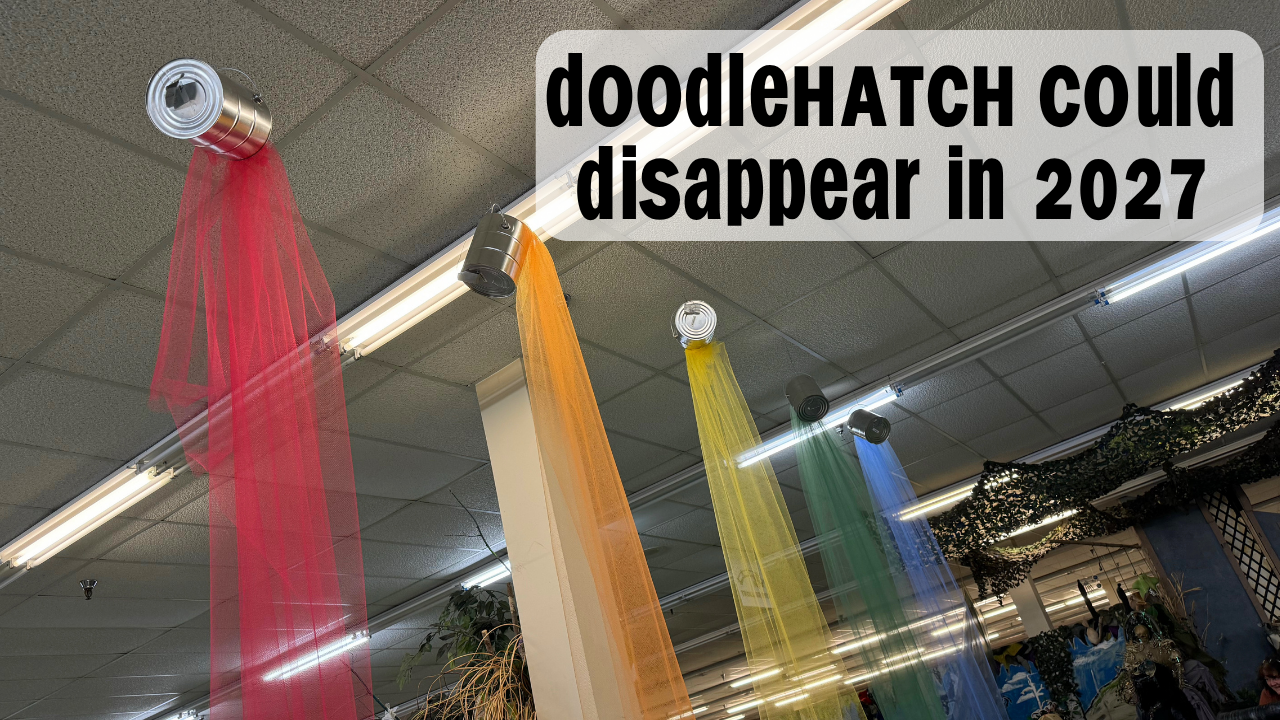
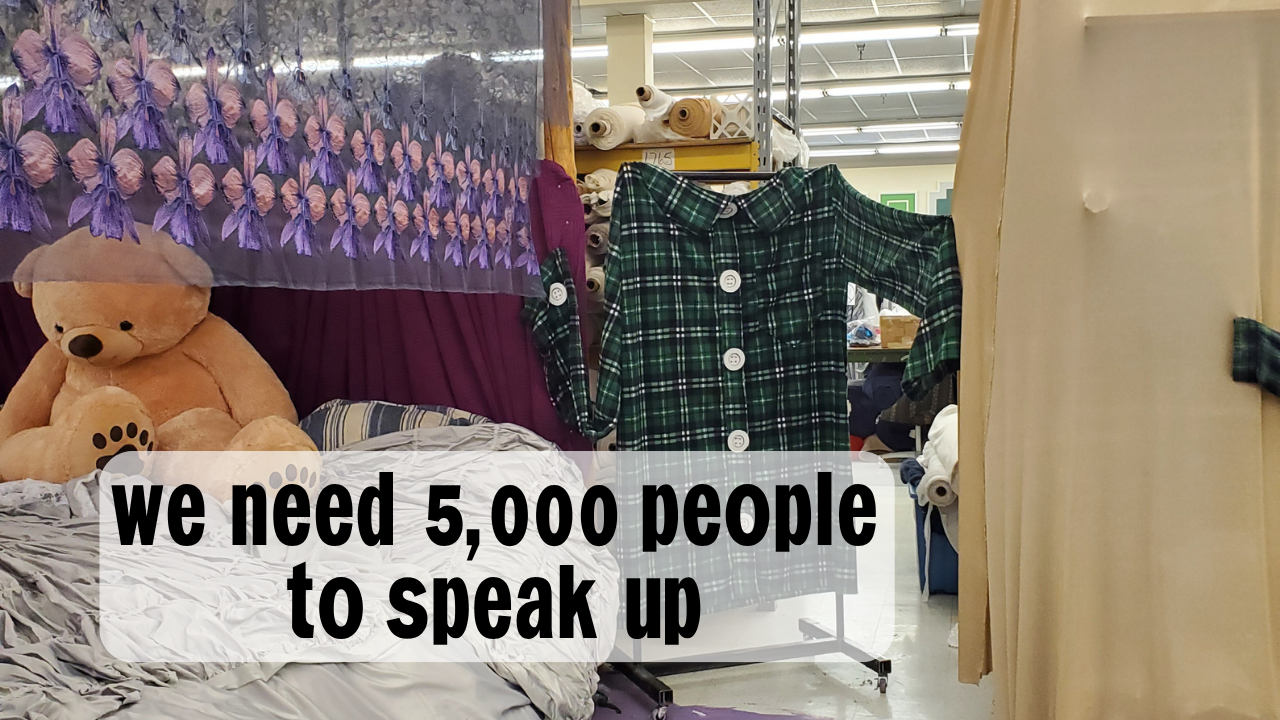
In Columbia, Maryland, there’s a former grocery store that has been transformed into a department store for mythical creatures, time travelers, and intergalactic tourists.

It’s called DoodleHATCH.

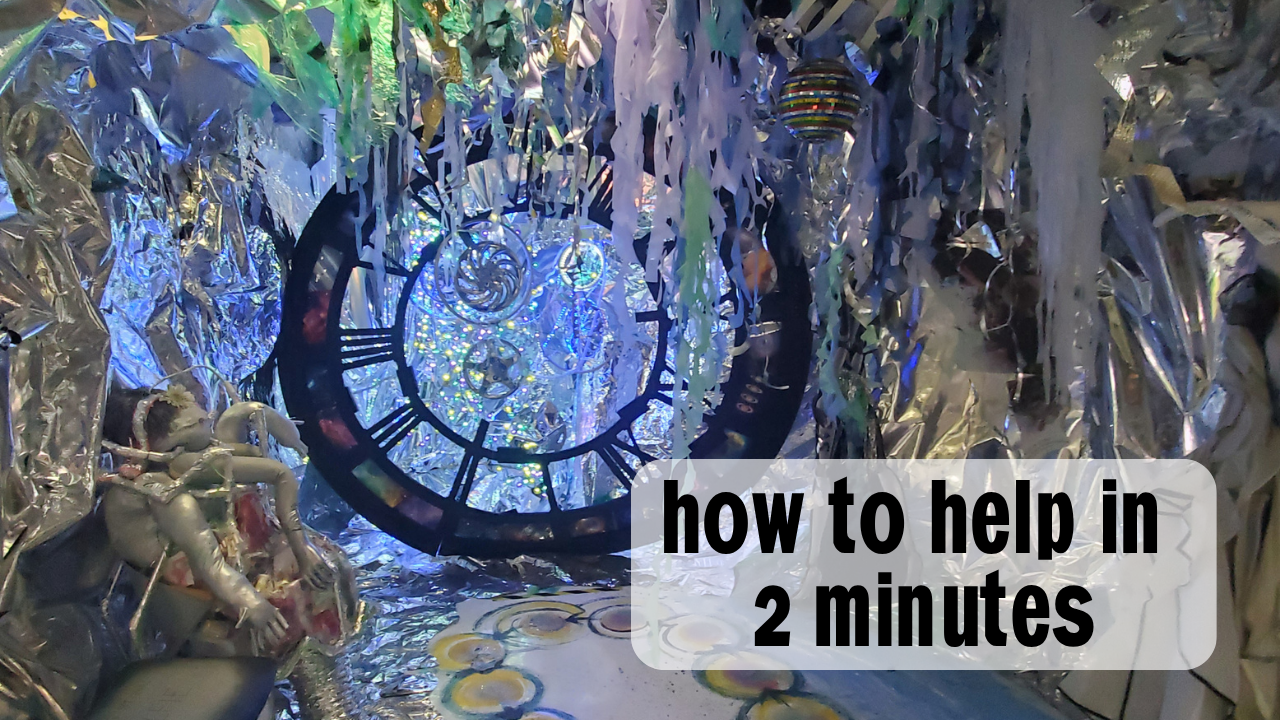
You can groom a unicorn, visit an intergalactic space station, climb onto a giant’s bed, meet guinea pigs, explore an artist’s studio, and discover approximately a million other things that somebody actually sat down and made.

It’s a nonprofit interactive art museum, a community project, an educational resource, and one of my favorite places I’ve ever discovered.

And it could be demolished as part of a proposed redevelopment of the Long Reach Village Center.

But there’s still an opportunity to help.

You don’t need to donate money. You don’t need to live in Maryland. And you don’t need to know anything about zoning laws.

You can start by writing an email.

🚨 Here's what's happening

Developer Columbia Concepts has proposed redeveloping the Long Reach Village Center in Columbia, Maryland.

The proposal would replace existing buildings with new housing, recreational facilities, and other development.

Unfortunately, that puts a whole collection of existing community resources at risk of being demolished, including:

  • DoodleHATCH Interactive Art Museum
  • Maryland Fashion Institute
  • A makerspace used for community education
  • Local restaurants, shops, and service businesses
  • Early childhood education and community programs
  • A 140-foot-long mural created by approximately 100 community members

This isn’t just about losing a fabulous museum. It’s about losing an entire collection of places that people have built, supported, and relied on.

And there’s another possibility!

🌈 Meet The REALM

Lee Andersen, the founder of DoodleHATCH, and her nonprofit ManneqART want to preserve the existing community resources and transform the village center into an arts and culture destination called The REALM.

Imagine a place where artists have studios, children have room to explore, students can learn creative skills, people can attend performances, and local businesses continue serving their neighbors.

There are plans for a performing arts space, more opportunities for artists, and a Witches Kitchen that might serve you a horrible-disgusting breakfast.

Which, personally, I think sounds promising.

The people behind DoodleHATCH are gathering support to oppose the developer’s zoning proposal and advocate for The REALM.

And they’d love your help.

💌 How to help in about two minutes

If you live in Howard County, Maryland

If you’re 18 or older, DoodleHATCH is asking eligible county residents to visit the museum and sign their petition in person.

📍DoodleHATCH Interactive Art Museum

8775 Cloudleap Court, Unit 101
Columbia, MD 21045

⏱️ Museum hours: Friday–Sunday, 10 AM–5 PM.

And while you’re there, I highly recommend exploring the museum. Bring someone who needs a reminder that being an adult doesn’t mean you have to stop enjoying ridiculous things.

If you don't live in Howard County

You can still help!

DoodleHATCH is collecting emails from people who oppose the proposed Columbia Concepts redevelopment and support preserving the existing arts and community resources through The REALM.

Send your email to: Lilou@DoodleHATCH.com

Suggested subject: Support The REALM | Oppose Columbia Concepts Zoning Proposal ZB 1132M

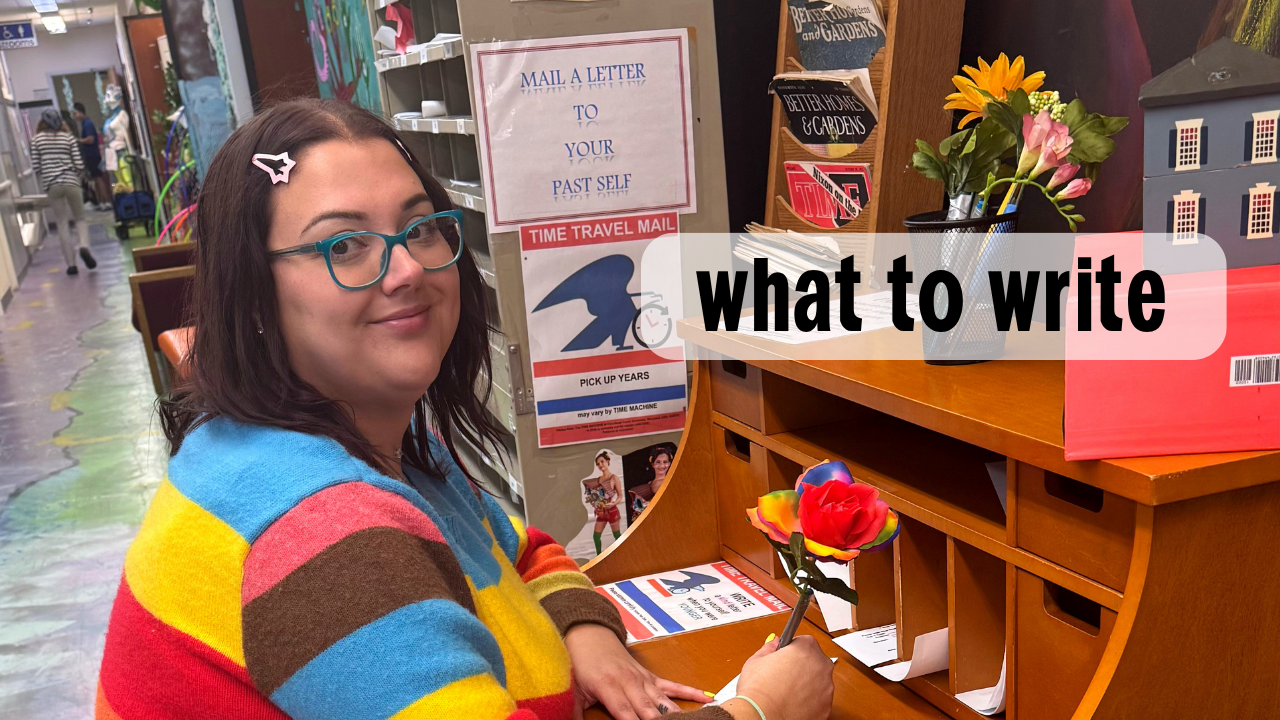
You can write your own message or use one of the templates below.

You don’t need to write an essay. A short, genuine message explaining what you support and why is enough to participate in this email campaign.

✍️ What should your email say?

To make your position clear, include these three things:

1. Say what you’re opposing.

State that you oppose the proposed Columbia Concepts redevelopment and zoning amendment for the Long Reach Village Center, case ZB 1132M.

2. Say what you’re supporting.

Express your support for preserving DoodleHATCH, the Maryland Fashion Institute, existing community resources, and the proposed arts and culture center called The REALM.

3. Explain why you care.

This is the part that makes your email yours.

Maybe you’ve visited DoodleHATCH. Maybe you’re a parent who wants more creative places for children. Maybe you’re an artist, an educator, or someone who thinks it’s important to protect the few spaces where people can explore and make things without needing to buy something.

Maybe you live across the country and just learned that there’s a department store for mythical creatures in Maryland, and you think the world would be a little less interesting without it.

That’s a perfectly good reason to care.

💌 Email templates you can copy

Option 1: Short, simple, and effective

Subject: Support The REALM | Oppose ZB 1132M

Hello,

I’m writing to express my opposition to the proposed Columbia Concepts zoning amendment and redevelopment of the Long Reach Village Center (ZB 1132M).

I support preserving DoodleHATCH, the Maryland Fashion Institute, and the existing community services and small businesses, as well as the proposal to create The REALM arts and culture center.

Creative and educational spaces like these provide valuable opportunities for families, artists, students, and the wider community. I believe they deserve to be protected.

Please include my email with the messages of support being collected for DoodleHATCH and The REALM.

Thank you,

[Your Name]
[Your City/State]

Option 2: For artists, creatives, and fellow merriment makers

Subject: Please Protect DoodleHATCH and Support The REALM

Hello,

I’m writing in opposition to Columbia Concepts’ proposed redevelopment and zoning amendment for the Long Reach Village Center (ZB 1132M), and in support of The REALM.

I believe communities need places where creativity, imagination, and play are actively encouraged.

DoodleHATCH is an extraordinary example of what can happen when artists and community members are given room to create something that doesn’t fit into an ordinary commercial space.

Places like this are rare. They encourage people of all ages to experiment, learn, explore, and connect with one another.

I support preserving DoodleHATCH, the Maryland Fashion Institute, the existing community resources, and the vision for The REALM.

Thank you for collecting these messages and advocating for the creative community.

[Your Name]
[Your City/State]

Option 3: For people who've visited DoodleHATCH

Subject: Please Save DoodleHATCH | Oppose ZB 1132M

Hello,

I’m writing to express my opposition to the proposed Columbia Concepts redevelopment and zoning amendment for the Long Reach Village Center (ZB 1132M), and my support for The REALM.

I’ve personally visited DoodleHATCH, and I want to share why I believe it’s worth preserving.

[Write two or three sentences about your experience. What did you see? Who did you bring? What surprised you? What made you want to return?]

DoodleHATCH is more than a collection of exhibits. It’s a place where creativity is something people can actively participate in, and I believe losing it would be a tremendous loss to the community.

I support preserving the museum, the Maryland Fashion Institute, and the other existing community resources through the proposed arts and culture center, The REALM.

Please include my email with the messages of support you’re collecting.

Thank you,

[Your Name]
[Your City/State]

A few tips before you hit send

DO:

  • Use your real name.

  • Include your city and state so organizers can understand where support is coming from.

  • Clearly identify the redevelopment proposal you’re opposing.

  • Specifically mention your support for The REALM.

  • Add a personal sentence or two if you can.

  • Be respectful, even if you’re frustrated.

  • Share this page with other people who might want to help.

DON’T:

  • Pretend to be a Howard County resident if you’re not.

  • Claim to have visited DoodleHATCH if you haven’t.

  • Make up experiences or information.

  • Send threatening, insulting, or harassing messages.

  • Assume your email is the same thing as signing the official petition.

  • Worry about making your message sound impressive. Clear and genuine is better than elaborate.

💌 The Save DoodleHATCH Email Machine

A few clicks, a little personality, and an email that helps support DoodleHATCH and The REALM. No account or signup required.

What's your connection to DoodleHATCH?
Why does protecting places like this matter to you?
✨ Your email preview
To: Lilou@DoodleHATCH.com
Subject:

Your information stays in your browser until you choose to copy or open the message. The email does not send automatically. Emails support DoodleHATCH's advocacy campaign; they are not the same as official petition signatures or zoning testimony. Please review the message before sending.

🐹 Wait. What exactly is DoodleHATCH?

I’m so glad you asked.

DoodleHATCH is an interactive art museum in Columbia, Maryland, created by artist, designer, and professional generator of wildly ambitious ideas, Lee Andersen.

The museum is designed as a pretend department store for mythological creatures, time travelers, and galactic tourists.

There are dozens of installations, and unlike most museums, you’re encouraged to touch things, explore, and participate.

There’s also an artist’s studio full of fabric and handmade garments, workshops, special events, birthday parties, free books, and opportunities for local artists to share their work.

The museum welcomes families and children, but adults are absolutely allowed to enjoy themselves, too.

And the woman behind it has spent decades bringing creativity into the community through fashion, festivals, education, and public art.

I discovered DoodleHATCH in 2020 and loved it so much that I started volunteering.

I’ve been back multiple times, and there are still things I haven’t seen.

That’s part of what makes it special. You can keep discovering things because people keep creating them.

You don't have to live near DoodleHATCH to care about it.

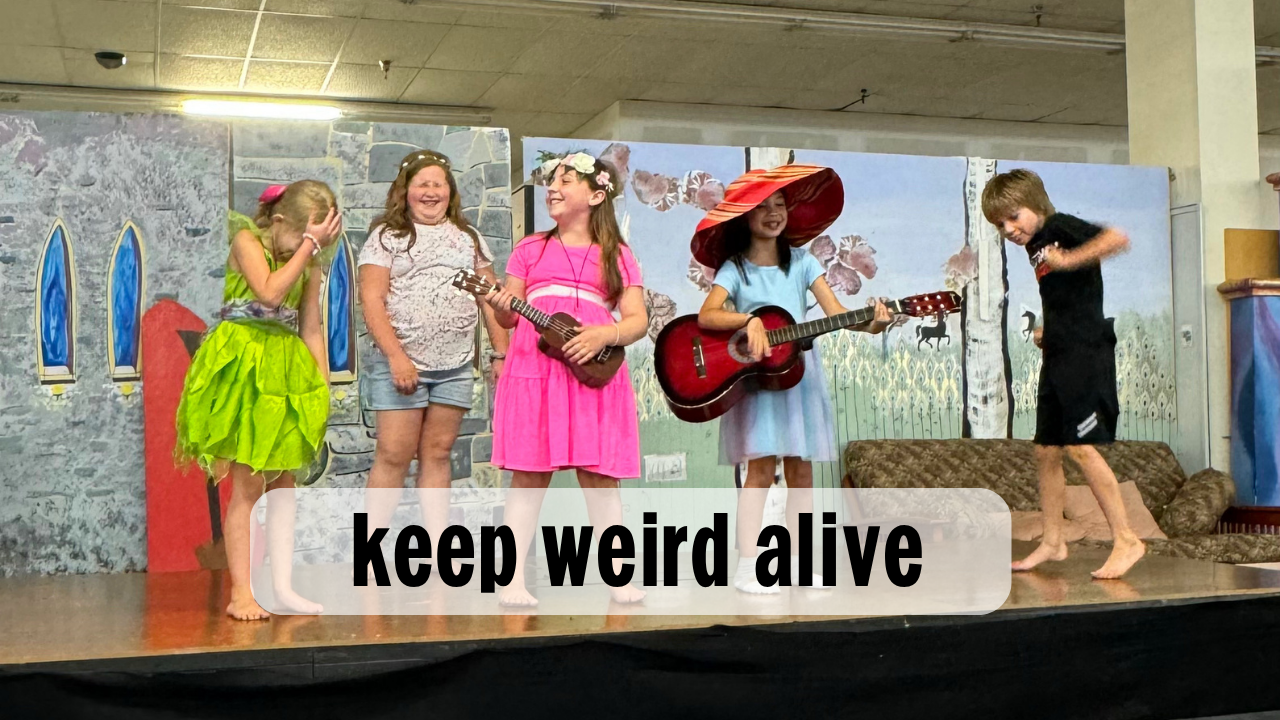
There are Merriment Makers everywhere.

People turning empty buildings into art spaces. People organizing parades. People teaching kids how to sew, paint, dance, or build things. People putting enormous amounts of time into projects that make their communities more interesting.

Sometimes they’re running nonprofits. Sometimes they’re working out of their garages. Sometimes they’re making something weird in a strip mall that you might drive past a hundred times without realizing what’s inside.

I hope you’ll help protect DoodleHATCH.

And I hope you’ll look around your own community, too. Visit the strange little museum. Go to the local art show. Find the person who makes giant puppets or organizes an absurd annual festival. Spend your money at the independent shop with the handmade things.

There are people everywhere creating reasons for us to be curious about being alive.

I’d like them to be able to keep doing that.

Help save DoodleHATCH. Help protect The REALM. Help keep the world interesting.

💌 Email: Lilou@DoodleHATCH.com

🌈 Visit: DoodleHATCH.com

🦄 Share: Uncustomary.org/Doodle