
Most days blur together. You wake up, work, eat, scroll, sleep. Repeat. The brain files routine days under “nothing happened” and barely stores them at all.
Memory researchers call this pattern flattening. Novelty and emotion are what push an experience into long-term storage. Without either, a Tuesday in March looks identical to a Tuesday in April when you try to recall it a year later.
Turn Daily Routines Into Rituals
A routine is something you do without thinking. A ritual is the same action done with attention. The shift costs nothing but changes how the brain tags the moment.
Try converting one existing habit into a ritual this week. A few starting points:
- Make your morning coffee in silence, no phone, for five minutes.
- Take the same short walk daily but notice one new detail each time.
- Light a candle before dinner instead of just turning on a light.
- End the day writing one sentence about what stood out.
None of these take extra time. They just add attention to time you already spend.
Document the Small Moments
Big events get photographed. Small ones rarely do, which is a mistake, because small moments are what actually fill a life. A quiet Sunday breakfast matters more, in volume, than a wedding.
Printing those photos matters too. Phones hold thousands of images that never get looked at again. Pulling a set into photo books forces you to choose, sequence, and revisit them, which is closer to how memory actually works than a camera roll ever gets you.
Set a simple rule. Once a season, print twenty photos from ordinary days, not just holidays. Ordinary days are the ones you forget first.

Add Sensory Anchors to Your Space
Smell and sound are tied more directly to memory than sight. This is why a specific song or scent can pull up a decade-old memory instantly, while a photo from the same period might not.
Use this on purpose. Pick a candle scent you only burn during a specific season or activity, like reading or Sunday cooking. Play a specific playlist only while cooking a certain meal. Over months, the brain links the sensory cue to the activity, and the cue becomes a shortcut back to that stretch of time.
A quick way to build this habit:
- Assign one scent to one recurring activity.
- Assign one playlist to one recurring context.
- Keep both consistent for at least eight weeks before switching.
Consistency is what builds the association. Switching scents weekly defeats the purpose.
Change Your Physical Environment
Static environments produce static memories. If your kitchen, desk, and bedroom look the same for years, your brain has nothing new to encode, so those years compress into a single mental snapshot.
Small physical changes reset that. Move furniture twice a year. Rotate art. Repaint one wall. None of this requires a renovation budget.
Mark Moments With Objects, Not Just Photos
Photos are flat. A physical object in a room does more work, because you pass it daily and it re-triggers the memory without you asking it to.
This is where a made object beats a stored one. A framed ticket stub, a shelf of travel souvenirs, or a piece built specifically to mark an event all function as permanent memory anchors, not archived files you have to go looking for.
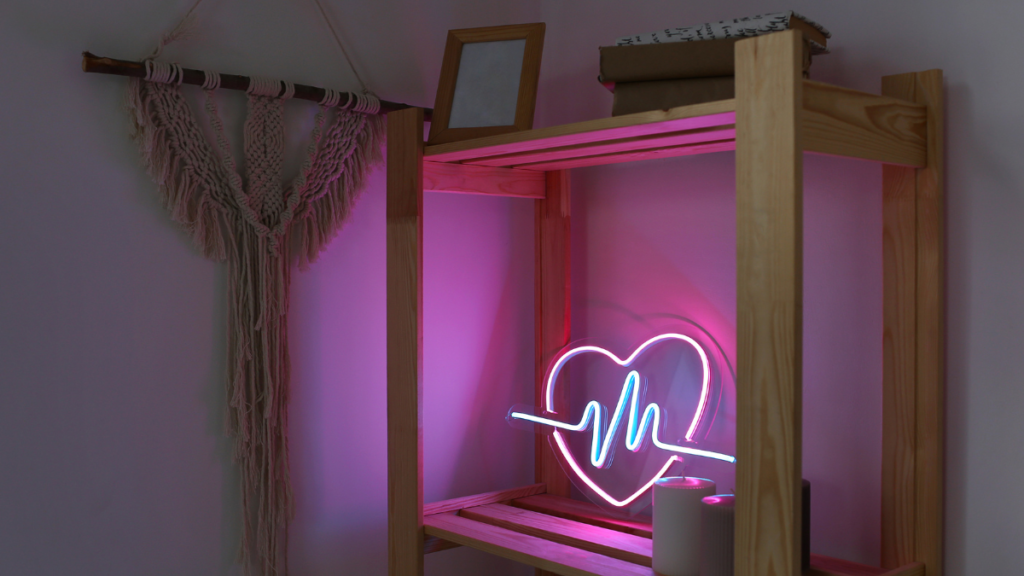
Lighting fixtures work the same way. A lot of people default to string lights or a generic print, but something custom carries more weight because it was made for that specific memory. Ordering custom neon signs with a name, date, or phrase from a specific moment turns a wall into a permanent marker of that period, visible every day instead of buried in a drive.
Why This Actually Works
The pull toward digital storage over physical is real, and it has consequences. Research from Epson Europe found that 86 percent of people say they have stopped building physical photo albums, and the average person hasn’t opened an existing album in over a year and a half, according to the full report. Photos that never get revisited functionally don’t exist as memories.
The fix isn’t taking fewer photos. It’s converting a fraction of them into something physical that forces a second look. A book on a shelf gets opened during a slow afternoon. A file buried in a phone does not.
Start Small
Pick one idea from this list. Not five. One ritual, one photo book, one sign, one rearranged room. Do it this month. Memorable days aren’t accidents. They’re built from small, repeated decisions to pay attention and make something physical out of the moment.
Over time, these small practices create a personal record of how life actually felt, not just what happened. They give ordinary days more texture and make familiar places easier to remember. The goal is not to manufacture constant excitement, but to notice more of the experiences already happening around you.