
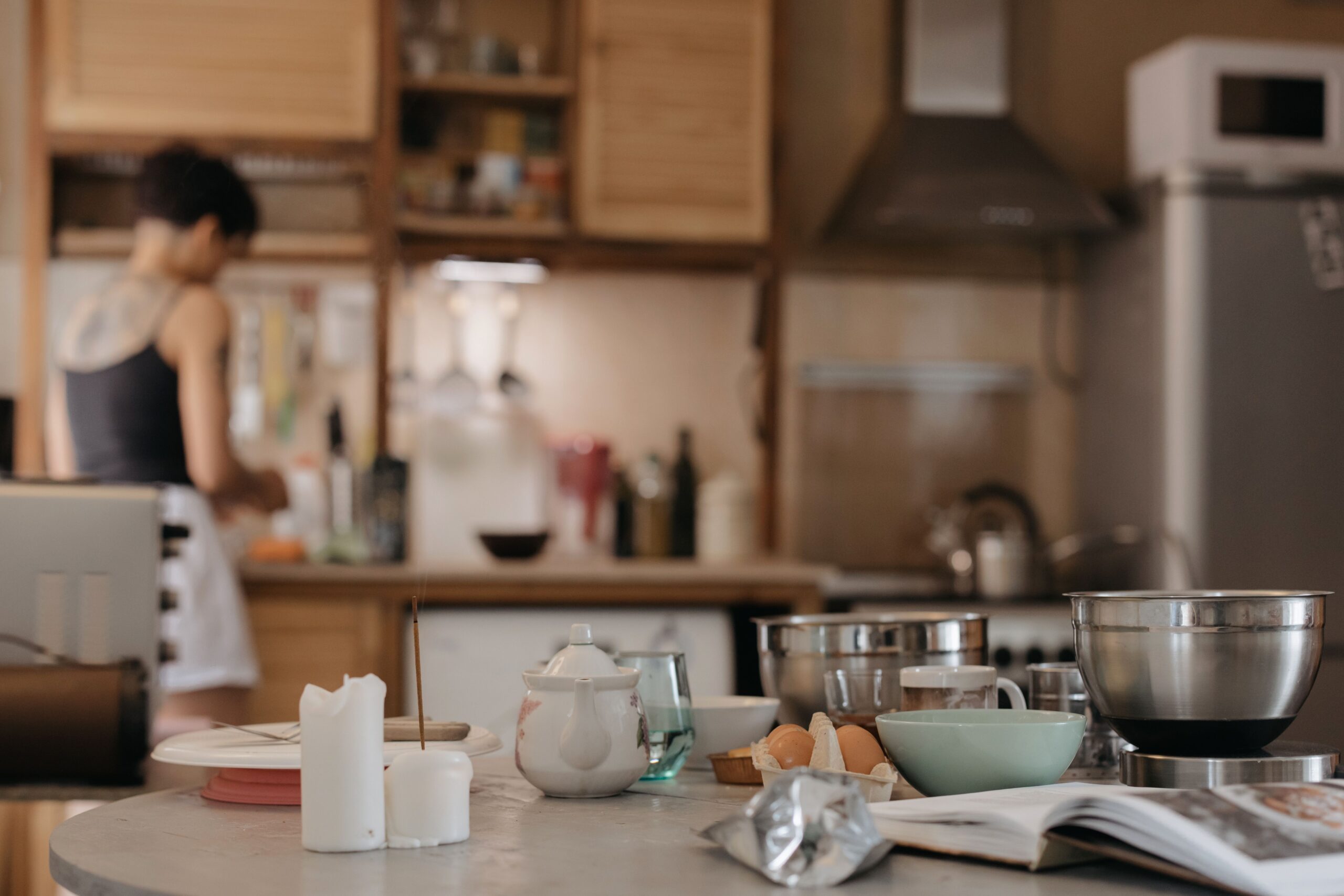
Some nights, making dinner feels less like a cozy home moment and more like a game show where the prize is everyone eating before they get cranky. You’re tired, the sink is judging you, and takeout starts whispering your name.
The good news is you don’t need chef-level skills to make dinner easier. A few smart habits, a handful of flexible ingredients, and some realistic meal ideas can turn weeknights from frantic to manageable without sucking the fun out of food.
Rethink Dinner Stress
When dinner feels hard, it’s usually not because you forgot how to cook. It’s because you’re making too many choices at the worst possible time. At 6:12 p.m., your brain wants easy wins, not a culinary puzzle.
That’s why the best weeknight cooking starts before the pan hits the stove. You need a small system, not a grand plan. Think simple meals, repeat ingredients, and a rough idea of what happens on your busiest days. That alone can save you from the classic “What’s for dinner?” stare into the fridge.
It also helps to stop treating every meal like an event. Some dinners are meant to impress. Tuesday is not one of them. Tuesday just needs to be warm, filling, and mostly liked by the people at your table. If it makes good leftovers, too, that’s basically a gold medal.
Smarter Comfort Meals
Comfort food gets a bad rap for being slow, heavy, or too much work on a regular night. But it doesn’t have to be a weekend-only thing. You can keep the cozy part and ditch the all-evening kitchen marathon.
A good trick is choosing meals that feel familiar but cook faster than the old-school version. Pressure cookers, sheet pan dinners, soups, and baked pasta shortcuts all help. If you’re craving something hearty and crowd-pleasing, an Instant Pot lasagna recipe can make a classic comfort dinner feel a lot more realistic on a busy night.
The sweet spot is a meal that tastes as if you tried harder than you actually did. That’s not cheating. That’s wisdom with cheese on top. Rich sauces, melty layers, and one-pot meals often give you that cozy payoff without turning your kitchen into a disaster zone.
Stock Your Basics
A calm dinner usually starts with ingredients you already have. You don’t need a giant pantry worthy of a cooking show. You just need a few reliable basics that can become more than one meal.
Keep things like pasta, rice, canned tomatoes, broth, beans, onions, garlic, and shredded cheese around if your household uses them often. Frozen vegetables are also heroes. They don’t complain, they don’t wilt in two days, and they show up when you need backup.
For the fridge or freezer, think about proteins that are easy to portion. Ground meat, cooked chicken, sausage, tofu, or even a bag of meatballs can save the day. Then add flavor builders like pesto, salsa, soy sauce, and butter. Yes, butter counts as emotional support.
Use Time Saving Habits
You don’t need meal prep that takes over your whole Sunday. Tiny habits can make a huge difference, especially when you’re short on patience and clean spoons.
Start with one prep step when groceries come home. Wash produce, chop an onion or two, or cook a batch of rice. Even fifteen minutes now can save you from that gloomy “nothing’s ready” feeling later. Doubling sauces is another smart move. A pasta sauce tonight can become pizza topping or a soup starter tomorrow.
Cleaning as you go also matters more than people like to admit. A clear counter makes cooking feel easier, even if your actual recipe is the same. And if you live with other people, give them jobs. One person stirs, one sets the table, one grates cheese, and tries not to eat half of it first.
Make Leftovers Better
Leftovers aren’t boring by nature. They just need a better second act. If you store them well and reheat them with a little thought, they can save both time and money without feeling like a repeat performance.
Use shallow containers so food cools faster and reheats more evenly. Labeling helps too, especially if your fridge has a mysterious science-lab shelf. When reheating, add a splash of water or broth to rice, pasta, or casseroles so they don’t come out sad and dry.
You can also remix leftovers instead of serving them exactly the same way. Roast vegetables can go into pasta or grain bowls. Extra chicken can become quesadillas, wraps, or soup. Cooked taco meat works in stuffed peppers, nachos, or scrambled eggs.
Keep It Family Friendly
Feeding a group gets tricky fast when everyone likes different things or eats at different times. The answer usually isn’t making separate meals. That way lies chaos and too many pans.
Instead, build flexibility into the meal. Rice bowls, pasta bars, tacos, baked potatoes, and salad boards let people choose what goes on their plate without turning you into a short-order cook. Keep sauces on the side when possible. It’s a small move, but it prevents many tiny kitchen debates.
If kids are around, letting them help can make dinner smoother. They can wash vegetables, sprinkle cheese, stir batter, or pick toppings. They may not suddenly adore broccoli, but they’re often more willing to try food they helped make.
Build Your Go-To Rotation
The easiest dinner routine is one you don’t have to reinvent every week. That’s where a go-to meal rotation comes in. Think of it as your greatest hits album, but with fewer guitar solos and more noodles.
Pick five to eight meals your household generally enjoys and that you can make without much mental effort. Mix in a few categories, like one soup, one pasta, one sheet pan meal, one slow cooker or pressure cooker dinner, and one backup freezer option. Variety matters, but simplicity matters more during the hard weeks.
Then pay attention to what actually works in real life. A meal isn’t successful just because it tastes good. It also needs to fit your budget, timing, and energy level. The best recipe for Wednesday is the one you’ll truly make on Wednesday.