
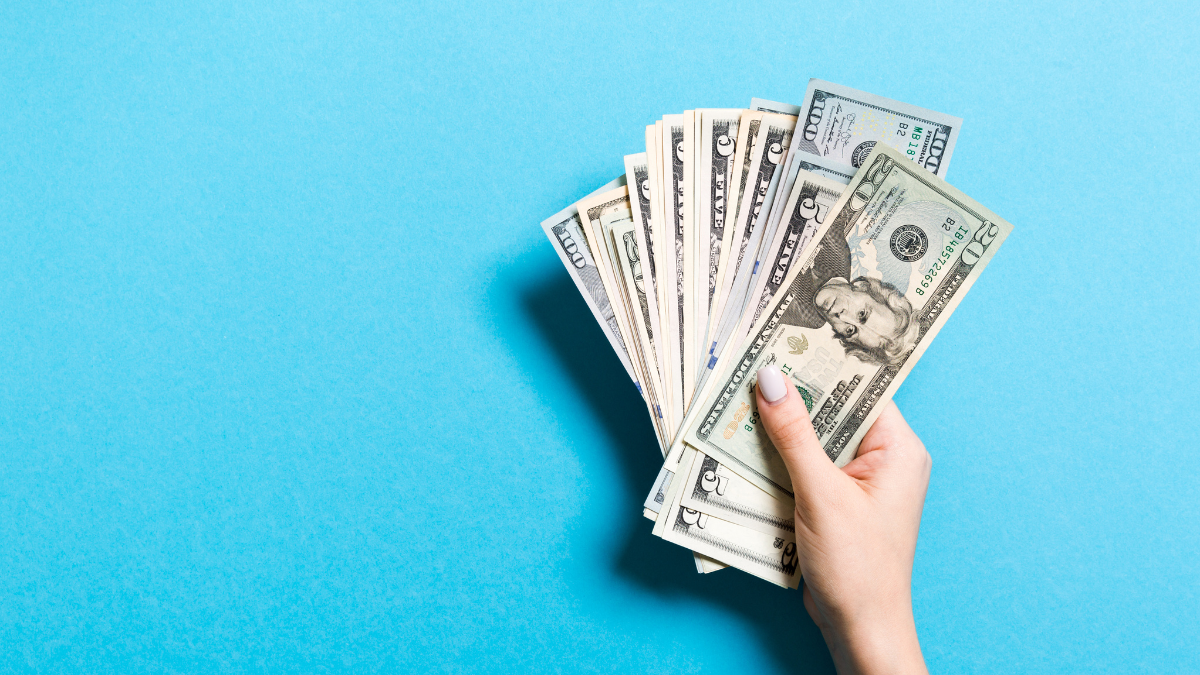
For all the talk about budgeting tools, spending trackers, and smart alerts, one of the strongest spending controls is surprisingly low tech. Cash slows us down. It asks us to notice the moment a purchase becomes a loss, not just a tap, swipe, or background transaction. That matters more than many people realize.
When money problems start stacking up, people usually look for bigger solutions, like a stricter budget, a side hustle, or even the best debt relief program. But sometimes the first useful shift is smaller and more personal. It is learning how to make spending feel real again.
A Wallet Can Do What an App Often Cannot
That is where cash has an edge. Physical money creates friction, and friction is not always a bad thing. In fact, research in psychology has long suggested that people tend to spend more carefully when payment feels visible and immediate. The American Psychological Association has summarized studies showing that cash is a more transparent payment method, which increases the so called pain of paying and can reduce overspending. The same body of work found that people were willing to spend more with credit than with cash. APA coverage of payment transparency research
Cash Turns Spending Into a Physical Decision
Digital payments are convenient because they remove obstacles. That is exactly why they can be dangerous for impulse control. If you can buy lunch, clothes, concert tickets, and a late night delivery in under a minute, your brain gets very little time to ask, “Do I actually want this?”
Cash interrupts that autopilot. You open your wallet. You count bills. You watch the amount shrink. That sequence may seem simple, but it creates a stronger emotional signal. Spending stops being abstract.
This is not about romance or nostalgia. It is about feedback. A budget only works when your brain receives clear information from it. Cash delivers that information fast. If you start the week with a set amount in your wallet, you can feel your progress or your mistakes in real time. No login required.
Why “Pain” Can Be Helpful
Usually, pain sounds like something to avoid. In spending, a little discomfort can be protective. Psychologists often describe this as the pain of paying. It is the small internal wince that comes when you hand something over and know it is gone.
Cards and digital wallets dull that sensation. They separate the fun of getting something from the less pleasant experience of paying for it. In an APA interview on spending habits, researchers explain that when people become detached from the act of payment, they are more likely to spend freely. That helps explain why cashless transactions can quietly expand a person’s idea of what feels affordable. psychology research on spending habits
This does not mean cards are bad or that everyone should pay rent in twenty dollar bills. It means that convenience can hide consequences. The easier a payment feels, the easier it is to repeat.
Cash Is Less About Budgeting and More About Boundaries
A lot of money advice treats cash like a tool for people who are bad at math. That misses the point. Most overspending is not caused by poor arithmetic. It is caused by weak boundaries in moments of emotion, boredom, social pressure, or stress.
Cash helps create boundaries you can see.
If you bring sixty dollars for a weekend outing, your choices naturally organize themselves around that limit. You do not have to debate every coffee, snack, or extra purchase from scratch. The boundary already exists. That reduces decision fatigue, which is another hidden reason people overspend. By the end of a long day, many people do not want to think hard. A card lets them stop thinking. Cash gently requires them to keep thinking.
A Cash Strategy Works Best in Specific Categories
Going fully cash only is unrealistic for many households. Bills, subscriptions, and online purchases make that hard. But cash can be powerful in the spending categories where people are most likely to drift.
Think groceries, takeout, entertainment, personal spending, or kids’ extras. These are the places where little choices pile up. They are also the places where emotional spending shows up first.
The goal is not perfection. The goal is exposure. If a person consistently runs out of cash in one category by the middle of the month, that tells the truth faster than a budgeting spreadsheet they avoid opening. Cash makes habits visible.
That visibility matters at a national level too, even as payment habits keep changing. The Federal Reserve has noted that cash use for consumer payments has declined over time, while cards remain dominant for retail purchases. As cash becomes less common, the people who intentionally use it may gain a useful psychological advantage: they are choosing a payment method that puts their spending back in plain sight.
The Real Benefit Is Emotional Honesty
The strongest case for cash is not just that it helps people spend less. It is that it makes their relationship with money more honest.
Swiping can create the illusion that every purchase is manageable. Cash pushes back on that illusion. It says, here is what this costs. Here is what you have left. Here is the tradeoff.
That is a valuable message in a world built to make buying feel effortless. Stores save your card. Apps offer one tap checkout. Services renew automatically. None of this is accidental. The less you feel the payment, the easier it is to say yes again.
Cash restores the missing moment of reflection.
For someone trying to get control of spending, that reflection can be more useful than another financial hack. It turns money from a background number into a real, limited resource. And once spending feels real, better decisions usually follow.