
Can Teen Therapy Help Adolescents Manage Social Anxiety?

by | Aug 25, 2026 | How To | 0 comments

Yes, teen therapy can help adolescents understand social anxiety and develop practical ways to manage it. Social anxiety is more than ordinary shyness. It involves persistent fear of being judged, embarrassed, rejected, or watched during everyday interactions.

A teenager may avoid presentations, group activities, conversations, parties, or asking for help. Therapy provides a private setting to explore these fears without criticism. The goal is not to change the teen’s personality, but to help anxiety stop controlling their choices.

What Signs May Suggest a Teen Is Experiencing Social Anxiety?

Teenagers, students, and adults facing anxiety or other emotional challenges may benefit from appropriate mental health resources that provide guidance and support. Social anxiety can be difficult to notice because affected teens may appear quiet, polite, independent, or simply uninterested. 

Parents and teachers should look for patterns rather than one uncomfortable moment, especially when repeated avoidance or distress interferes with school, friendships, family life, or personal goals.

  • Avoiding social events: The teen repeatedly declines parties, clubs, school trips, or informal gatherings despite wanting friendships.
  • Fear of speaking: Answering questions, giving presentations, ordering food, or making telephone calls creates intense distress.
  • Physical symptoms: Sweating, shaking, nausea, blushing, rapid heartbeat, or shortness of breath appears in social situations.
  • Rehearsing conversations: The teen spends excessive time planning what to say or worrying about saying something wrong.
  • Replaying interactions: Conversations are reviewed afterward for possible mistakes, awkward pauses, or signs of rejection.
  • Limited classroom participation: The student avoids raising a hand, joining discussions, or requesting clarification from a teacher.
  • Frequent reassurance seeking: The teen repeatedly asks whether others are angry, disappointed, or thinking negatively about them.
  • School avoidance: Headaches, stomach discomfort, or emotional distress regularly appears before socially demanding school days.
  • Dependence on familiar people: The teen speaks through a parent or friend rather than interacting independently.
  • Reduced opportunities: Anxiety prevents participation in activities, friendships, employment, volunteering, or academic opportunities.

How Can Therapy Help a Teen With Social Anxiety?

Therapy begins by understanding the teen’s particular fears, situations, relationships, and goals. Treatment should be age-appropriate, collaborative, and paced carefully enough for the adolescent to remain engaged.

  • Explain How Social Anxiety Works

A therapist can help the teenager understand the connection between thoughts, physical sensations, emotions, and avoidance. This reduces confusion about why ordinary situations feel threatening.

The teen learns that anxiety is a protective response that has become overactive. Understanding the pattern reduces shame and creates a clear starting point for learning new responses.

  • Identify Unhelpful Predictions

Social anxiety often produces predictions such as “Everyone will notice,” “I will sound stupid,” or “Nobody will want me there.” These thoughts can feel certain even without strong evidence.

Therapy helps the teen examine those predictions more fairly. Thoughts are not automatic facts, and considering other explanations can reduce the intensity of fear.

  • Build Gradual Exposure Skills

Avoidance brings immediate relief, but it can make social situations feel more dangerous over time. Gradual exposure involves approaching manageable situations instead of escaping them.

Through therapy support for teens with social anxiety, an adolescent may build a step-by-step plan. Practice begins with achievable challenges before moving toward more difficult goals.

  • Develop Conversation and Communication Skills

Some teenagers need support starting conversations, joining groups, expressing opinions, or managing silence. Learning these skills can make social situations feel less unpredictable.

The therapist may use planning, modelling, or role-play. Practice creates usable experience, but the purpose is not to make every interaction perfect or completely comfortable.

  • Manage Physical Anxiety Symptoms

Social anxiety can trigger a racing heart, muscle tension, dizziness, nausea, or trembling. These sensations may make a teen believe that others can see their fear.

Breathing, grounding, and attention-shifting skills can help reduce escalation. Physical symptoms become less frightening when the teen knows what they mean and how to respond.

  • Reduce Post-Event Rumination

After a conversation or presentation, a teen may replay every detail and focus only on perceived mistakes. This mental review can strengthen fear before the next event.

Therapy helps the adolescent recognise biased self-evaluation and set limits on repeated analysis. Balanced reflection replaces harsh review, allowing the experience to become useful rather than punishing.

  • Strengthen Self-Compassion

Teenagers with social anxiety may speak to themselves in ways they would never speak to a friend. One awkward moment becomes proof that something is wrong with them.

A therapist can help build a fairer internal response. Self-compassion supports recovery because mistakes and nervousness can be accepted as normal parts of human interaction.

What Can Parents Do to Support Progress?

Parents can support treatment without taking over every difficult situation. The strongest support combines empathy and encouragement, helping the teenager practise independence while knowing assistance remains available.

  • Listen calmly before offering solutions or reassurance.
  • Avoid describing the teen as rude, antisocial, dramatic, or lazy.
  • Acknowledge that the fear feels real even when the situation appears safe.
  • Encourage manageable participation rather than forcing sudden, overwhelming exposure.
  • Avoid speaking for the teenager whenever they feel uncomfortable.
  • Praise effort and courage rather than only successful outcomes.
  • Help maintain regular sleep, meals, movement, and school routines.
  • Ask what type of support the teenager finds useful.
  • Do not compare the teen with more outgoing siblings or classmates.
  • Coordinate with the school when anxiety affects attendance, presentations, or participation.
  • Respect therapy privacy while understanding the therapist’s safety responsibilities.
  • Attend parent sessions when recommended and agreed upon.
  • Watch for depression, isolation, substance use, self-harm, or major functional decline.
  • Seek urgent help if the teenager expresses suicidal thoughts, a plan, or immediate danger.

What Should Families Expect From Teen Therapy?

The exact process depends on the teen’s age, symptoms, preferences, and wider circumstances. Some adolescents respond well to structured cognitive behavioural strategies, while others need additional emotional, family, or school-based support.

  • A Developmentally Appropriate Assessment

The therapist will usually ask about anxiety, friendships, school, family relationships, sleep, physical symptoms, and daily functioning. Other concerns may also need attention.

Social withdrawal can have several causes. Assessment helps clarify the problem rather than assuming every quiet or isolated teenager has social anxiety.

  • Collaborative Treatment Goals

A teenager is more likely to participate when therapy connects with something personally meaningful. Their goal may be making one friend, attending class regularly, or completing a presentation.

Goals should be specific and realistic. Teen involvement improves motivation because therapy becomes connected to their life rather than imposed entirely by adults.

  • Clear Confidentiality Boundaries

Teenagers need privacy to speak honestly, while parents remain responsible for their safety and care. The therapist should explain what stays confidential and when information must be shared.

Safety concerns create important exceptions. Clear boundaries build trust among the therapist, teenager, and caregivers from the beginning.

  • Practice Between Sessions

Therapy skills become useful through practice in real situations. A teen may track anxious predictions, complete a small social task, or test a coping technique between appointments.

The work should remain manageable. Repeated practice builds confidence more effectively than waiting until fear disappears before attempting anything difficult.

  • Progress That May Be Uneven

A teenager may speak in class one week and avoid a gathering the next. Stress, sleep, school demands, and unfamiliar situations can affect progress.

Temporary setbacks do not mean therapy has failed. Recovery rarely follows a straight line, so progress should be judged across several weeks and different situations.

  • Thoughtful Parent Involvement

Some sessions may include parents for education, planning, or communication work. Other sessions may remain private so the teenager can develop independence and speak freely.

The level of involvement should fit the case. Parent participation works best when purposeful, rather than becoming monitoring of everything discussed in therapy.

  • Referral When Additional Care Is Needed

Some teenagers experience severe anxiety alongside depression, obsessive symptoms, trauma, eating difficulties, substance use, or self-harm. They may need broader assessment or coordinated care.

A therapist can recommend another qualified professional when appropriate. Good treatment recognises its limits and responds when the teen’s needs extend beyond one form of support.

Conclusion

Teen therapy can help adolescents understand social anxiety, question fearful predictions, practise social situations gradually, and respond to themselves with greater patience. Progress depends on a suitable therapist, active practice, and supportive adults who encourage without forcing. With appropriate care, teens can build confidence, participate more fully, and make decisions based less on fear and more on their own goals.
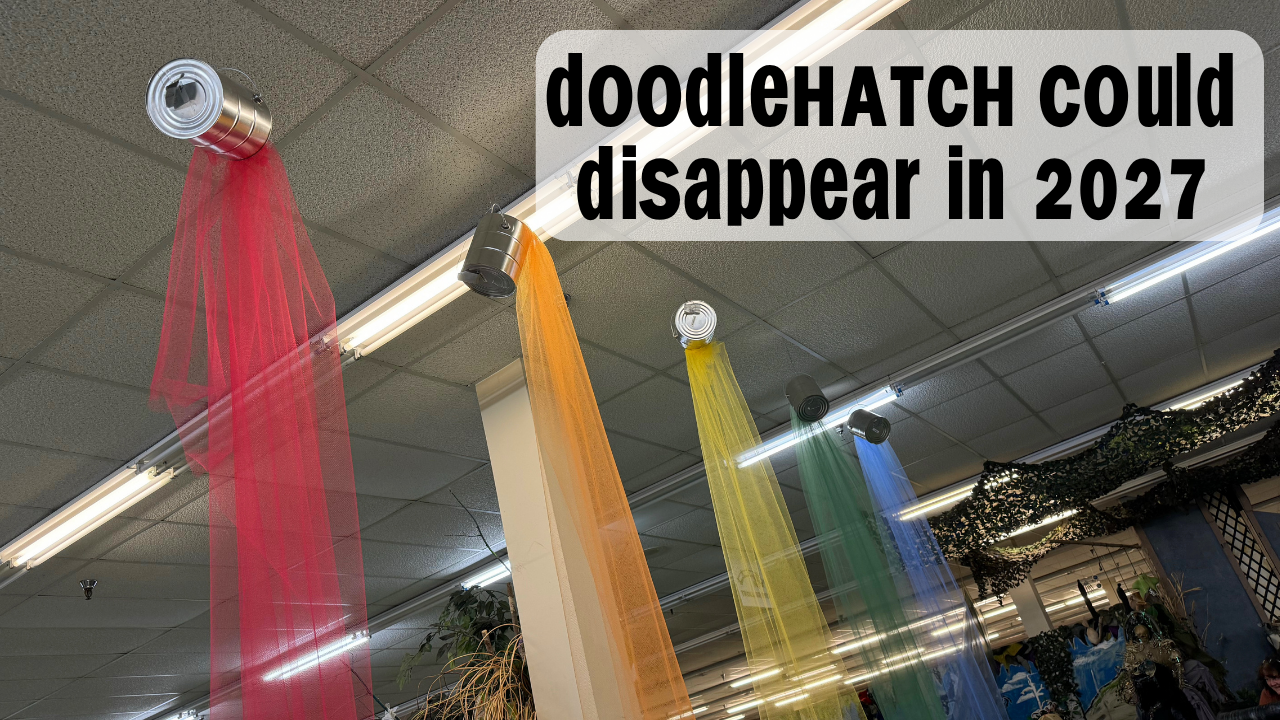
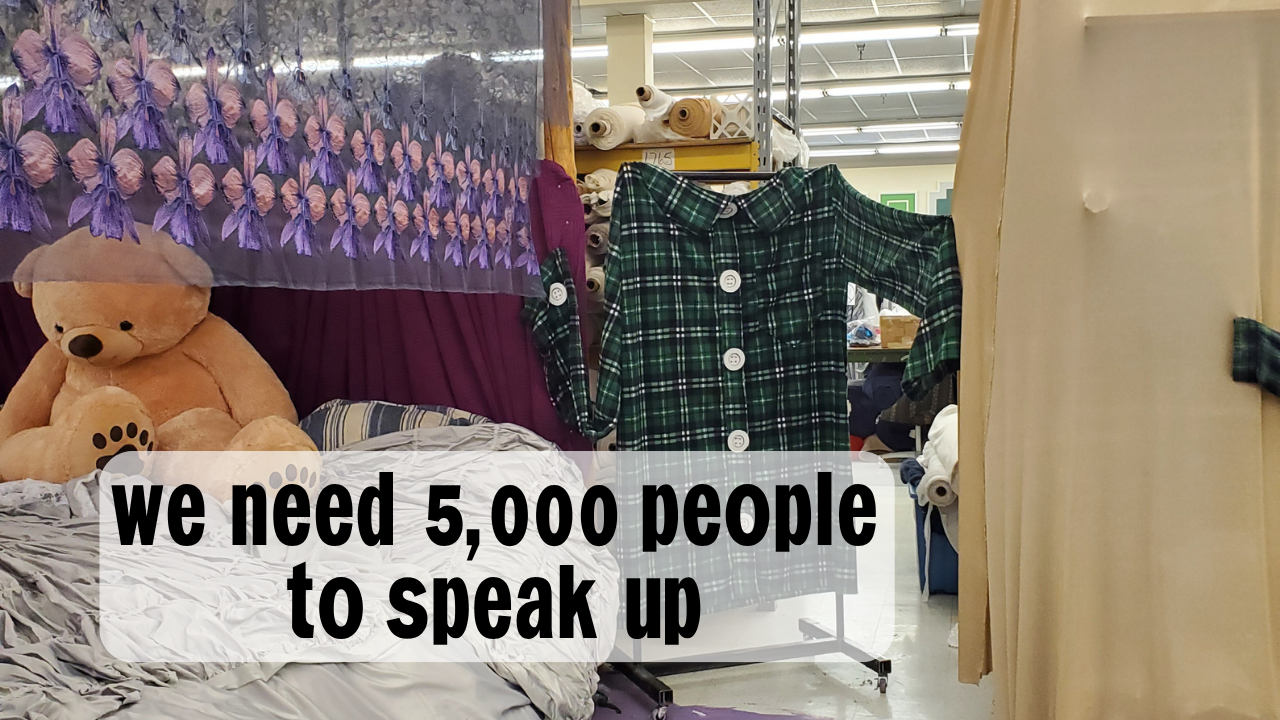
In Columbia, Maryland, there’s a former grocery store that has been transformed into a department store for mythical creatures, time travelers, and intergalactic tourists.

It’s called DoodleHATCH.

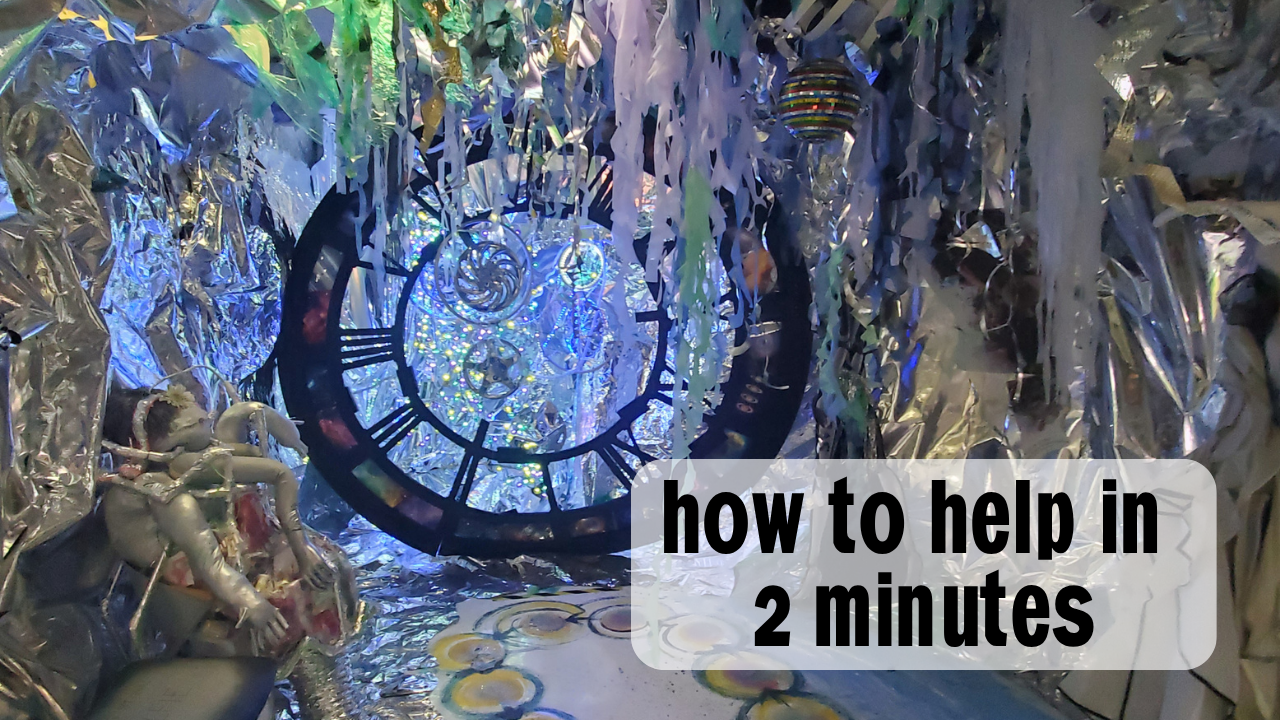
You can groom a unicorn, visit an intergalactic space station, climb onto a giant’s bed, meet guinea pigs, explore an artist’s studio, and discover approximately a million other things that somebody actually sat down and made.

It’s a nonprofit interactive art museum, a community project, an educational resource, and one of my favorite places I’ve ever discovered.

And it could be demolished as part of a proposed redevelopment of the Long Reach Village Center.

But there’s still an opportunity to help.

You don’t need to donate money. You don’t need to live in Maryland. And you don’t need to know anything about zoning laws.

You can start by writing an email.

🚨 Here's what's happening

Developer Columbia Concepts has proposed redeveloping the Long Reach Village Center in Columbia, Maryland.

The proposal would replace existing buildings with new housing, recreational facilities, and other development.

Unfortunately, that puts a whole collection of existing community resources at risk of being demolished, including:

  • DoodleHATCH Interactive Art Museum
  • Maryland Fashion Institute
  • A makerspace used for community education
  • Local restaurants, shops, and service businesses
  • Early childhood education and community programs
  • A 140-foot-long mural created by approximately 100 community members

This isn’t just about losing a fabulous museum. It’s about losing an entire collection of places that people have built, supported, and relied on.

And there’s another possibility!

🌈 Meet The REALM

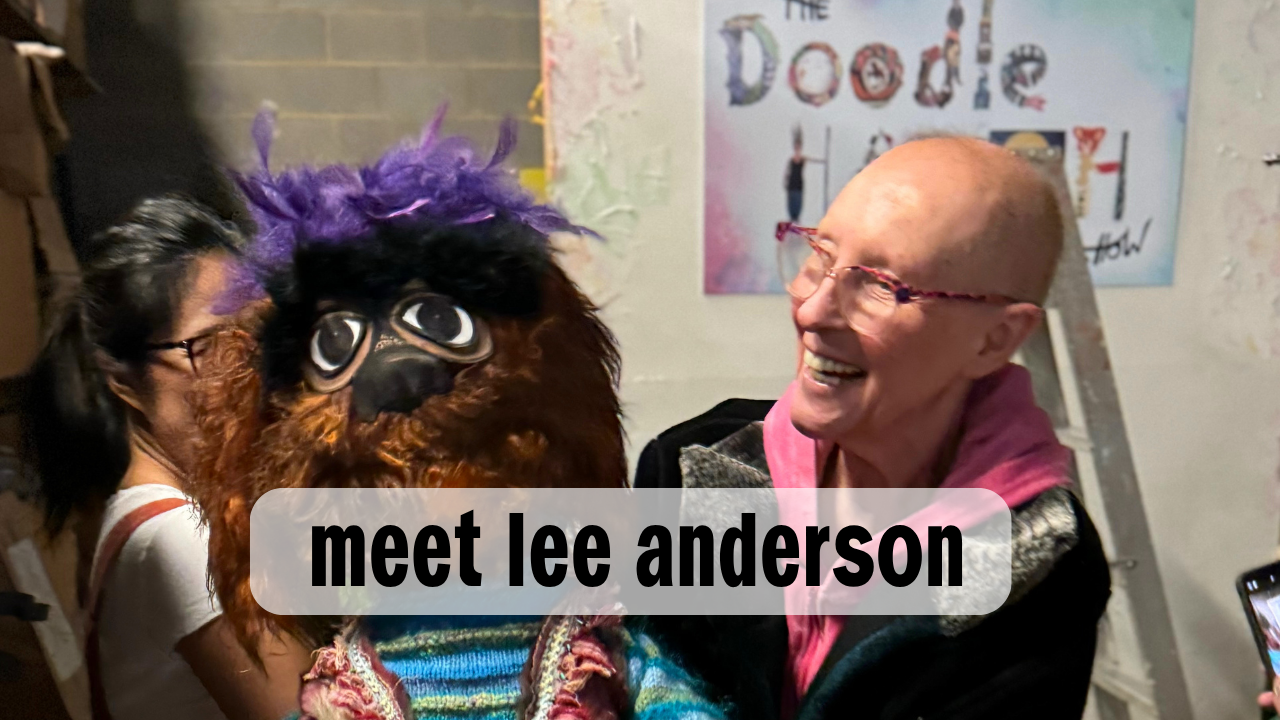
Lee Andersen, the founder of DoodleHATCH, and her nonprofit ManneqART want to preserve the existing community resources and transform the village center into an arts and culture destination called The REALM.

Imagine a place where artists have studios, children have room to explore, students can learn creative skills, people can attend performances, and local businesses continue serving their neighbors.

There are plans for a performing arts space, more opportunities for artists, and a Witches Kitchen that might serve you a horrible-disgusting breakfast.

Which, personally, I think sounds promising.

The people behind DoodleHATCH are gathering support to oppose the developer’s zoning proposal and advocate for The REALM.

And they’d love your help.

💌 How to help in about two minutes

If you live in Howard County, Maryland

If you’re 18 or older, DoodleHATCH is asking eligible county residents to visit the museum and sign their petition in person.

📍DoodleHATCH Interactive Art Museum

8775 Cloudleap Court, Unit 101
Columbia, MD 21045

⏱️ Museum hours: Friday–Sunday, 10 AM–5 PM.

And while you’re there, I highly recommend exploring the museum. Bring someone who needs a reminder that being an adult doesn’t mean you have to stop enjoying ridiculous things.

If you don't live in Howard County

You can still help!

DoodleHATCH is collecting emails from people who oppose the proposed Columbia Concepts redevelopment and support preserving the existing arts and community resources through The REALM.

Send your email to: Lilou@DoodleHATCH.com

Suggested subject: Support The REALM | Oppose Columbia Concepts Zoning Proposal ZB 1132M

You can write your own message or use one of the templates below.

You don’t need to write an essay. A short, genuine message explaining what you support and why is enough to participate in this email campaign.

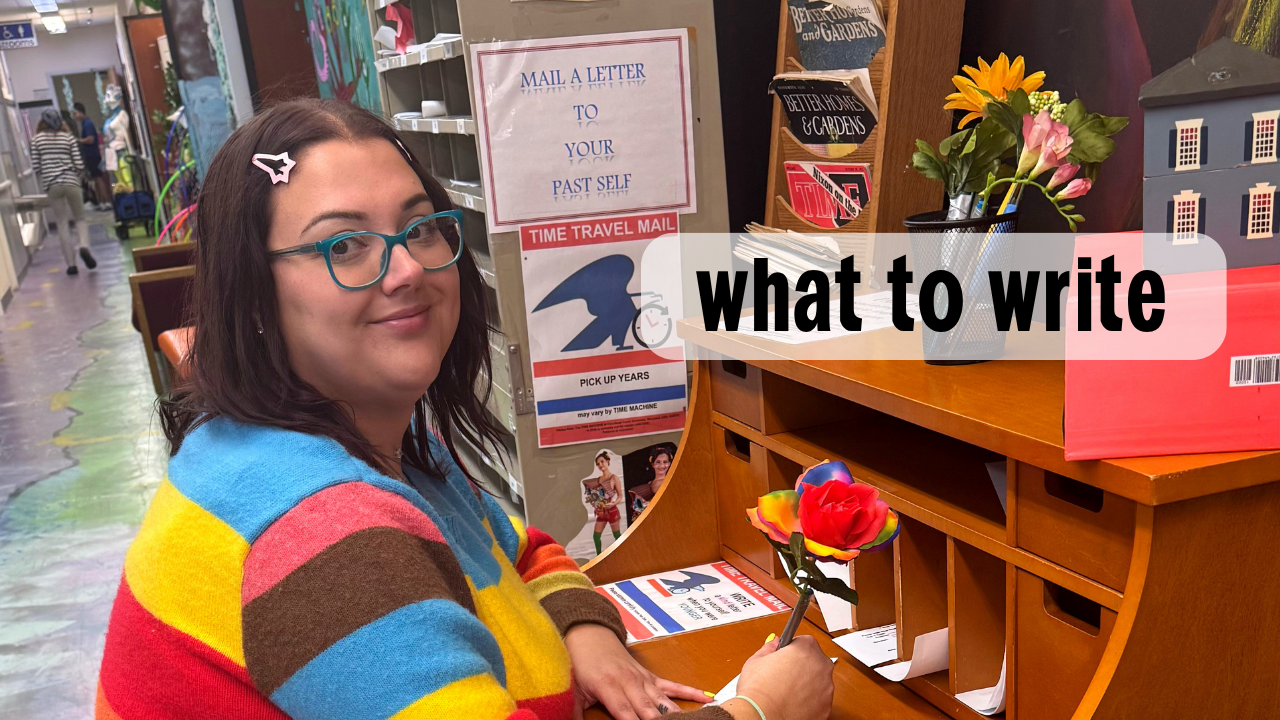
✍️ What should your email say?

To make your position clear, include these three things:

1. Say what you’re opposing.

State that you oppose the proposed Columbia Concepts redevelopment and zoning amendment for the Long Reach Village Center, case ZB 1132M.

2. Say what you’re supporting.

Express your support for preserving DoodleHATCH, the Maryland Fashion Institute, existing community resources, and the proposed arts and culture center called The REALM.

3. Explain why you care.

This is the part that makes your email yours.

Maybe you’ve visited DoodleHATCH. Maybe you’re a parent who wants more creative places for children. Maybe you’re an artist, an educator, or someone who thinks it’s important to protect the few spaces where people can explore and make things without needing to buy something.

Maybe you live across the country and just learned that there’s a department store for mythical creatures in Maryland, and you think the world would be a little less interesting without it.

That’s a perfectly good reason to care.

💌 Email templates you can copy

Option 1: Short, simple, and effective

Subject: Support The REALM | Oppose ZB 1132M

Hello,

I’m writing to express my opposition to the proposed Columbia Concepts zoning amendment and redevelopment of the Long Reach Village Center (ZB 1132M).

I support preserving DoodleHATCH, the Maryland Fashion Institute, and the existing community services and small businesses, as well as the proposal to create The REALM arts and culture center.

Creative and educational spaces like these provide valuable opportunities for families, artists, students, and the wider community. I believe they deserve to be protected.

Please include my email with the messages of support being collected for DoodleHATCH and The REALM.

Thank you,

[Your Name]
[Your City/State]

Option 2: For artists, creatives, and fellow merriment makers

Subject: Please Protect DoodleHATCH and Support The REALM

Hello,

I’m writing in opposition to Columbia Concepts’ proposed redevelopment and zoning amendment for the Long Reach Village Center (ZB 1132M), and in support of The REALM.

I believe communities need places where creativity, imagination, and play are actively encouraged.

DoodleHATCH is an extraordinary example of what can happen when artists and community members are given room to create something that doesn’t fit into an ordinary commercial space.

Places like this are rare. They encourage people of all ages to experiment, learn, explore, and connect with one another.

I support preserving DoodleHATCH, the Maryland Fashion Institute, the existing community resources, and the vision for The REALM.

Thank you for collecting these messages and advocating for the creative community.

[Your Name]
[Your City/State]

Option 3: For people who've visited DoodleHATCH

Subject: Please Save DoodleHATCH | Oppose ZB 1132M

Hello,

I’m writing to express my opposition to the proposed Columbia Concepts redevelopment and zoning amendment for the Long Reach Village Center (ZB 1132M), and my support for The REALM.

I’ve personally visited DoodleHATCH, and I want to share why I believe it’s worth preserving.

[Write two or three sentences about your experience. What did you see? Who did you bring? What surprised you? What made you want to return?]

DoodleHATCH is more than a collection of exhibits. It’s a place where creativity is something people can actively participate in, and I believe losing it would be a tremendous loss to the community.

I support preserving the museum, the Maryland Fashion Institute, and the other existing community resources through the proposed arts and culture center, The REALM.

Please include my email with the messages of support you’re collecting.

Thank you,

[Your Name]
[Your City/State]

A few tips before you hit send

DO:

  • Use your real name.

  • Include your city and state so organizers can understand where support is coming from.

  • Clearly identify the redevelopment proposal you’re opposing.

  • Specifically mention your support for The REALM.

  • Add a personal sentence or two if you can.

  • Be respectful, even if you’re frustrated.

  • Share this page with other people who might want to help.

DON’T:

  • Pretend to be a Howard County resident if you’re not.

  • Claim to have visited DoodleHATCH if you haven’t.

  • Make up experiences or information.

  • Send threatening, insulting, or harassing messages.

  • Assume your email is the same thing as signing the official petition.

  • Worry about making your message sound impressive. Clear and genuine is better than elaborate.

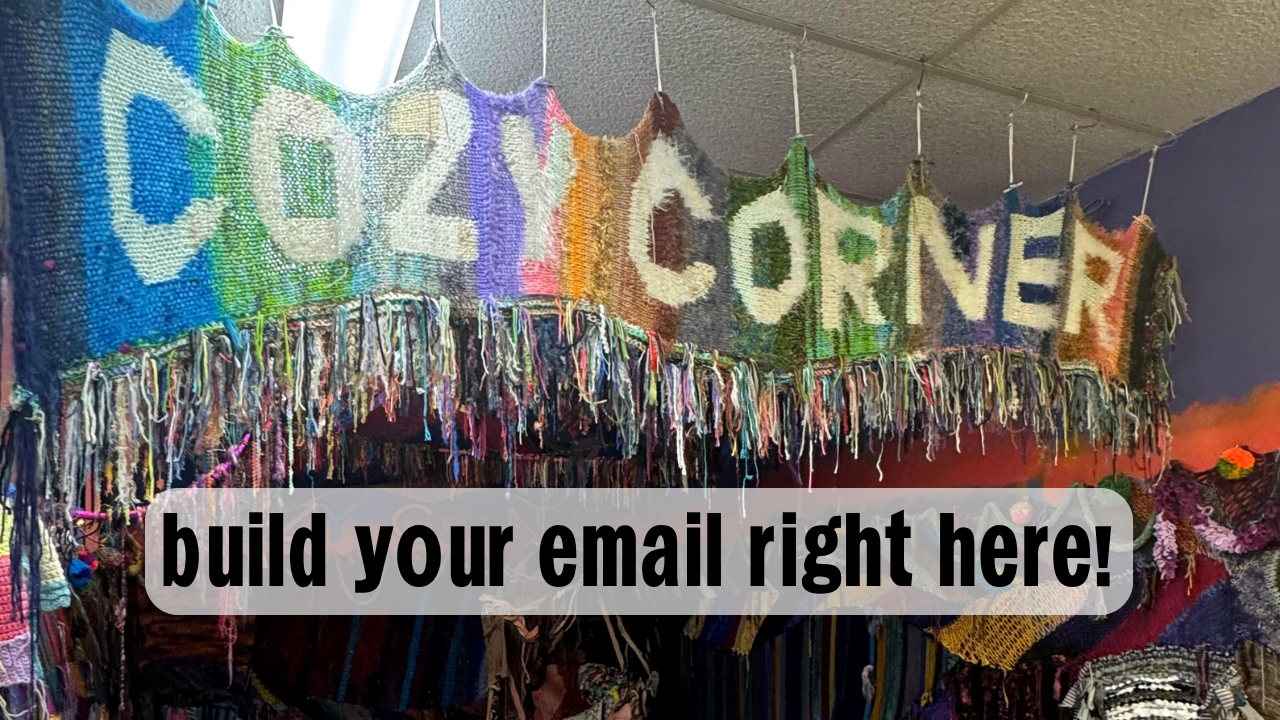
💌 The Save DoodleHATCH Email Machine

A few clicks, a little personality, and an email that helps support DoodleHATCH and The REALM. No account or signup required.

What's your connection to DoodleHATCH?
Why does protecting places like this matter to you?
✨ Your email preview
To: Lilou@DoodleHATCH.com
Subject:

Your information stays in your browser until you choose to copy or open the message. The email does not send automatically. Emails support DoodleHATCH's advocacy campaign; they are not the same as official petition signatures or zoning testimony. Please review the message before sending.

🐹 Wait. What exactly is DoodleHATCH?

I’m so glad you asked.

DoodleHATCH is an interactive art museum in Columbia, Maryland, created by artist, designer, and professional generator of wildly ambitious ideas, Lee Andersen.

The museum is designed as a pretend department store for mythological creatures, time travelers, and galactic tourists.

There are dozens of installations, and unlike most museums, you’re encouraged to touch things, explore, and participate.

There’s also an artist’s studio full of fabric and handmade garments, workshops, special events, birthday parties, free books, and opportunities for local artists to share their work.

The museum welcomes families and children, but adults are absolutely allowed to enjoy themselves, too.

And the woman behind it has spent decades bringing creativity into the community through fashion, festivals, education, and public art.

I discovered DoodleHATCH in 2020 and loved it so much that I started volunteering.

I’ve been back multiple times, and there are still things I haven’t seen.

That’s part of what makes it special. You can keep discovering things because people keep creating them.

You don't have to live near DoodleHATCH to care about it.

There are Merriment Makers everywhere.

People turning empty buildings into art spaces. People organizing parades. People teaching kids how to sew, paint, dance, or build things. People putting enormous amounts of time into projects that make their communities more interesting.

Sometimes they’re running nonprofits. Sometimes they’re working out of their garages. Sometimes they’re making something weird in a strip mall that you might drive past a hundred times without realizing what’s inside.

I hope you’ll help protect DoodleHATCH.

And I hope you’ll look around your own community, too. Visit the strange little museum. Go to the local art show. Find the person who makes giant puppets or organizes an absurd annual festival. Spend your money at the independent shop with the handmade things.

There are people everywhere creating reasons for us to be curious about being alive.

I’d like them to be able to keep doing that.

Help save DoodleHATCH. Help protect The REALM. Help keep the world interesting.

💌 Email: Lilou@DoodleHATCH.com

🌈 Visit: DoodleHATCH.com

🦄 Share: Uncustomary.org/Doodle