
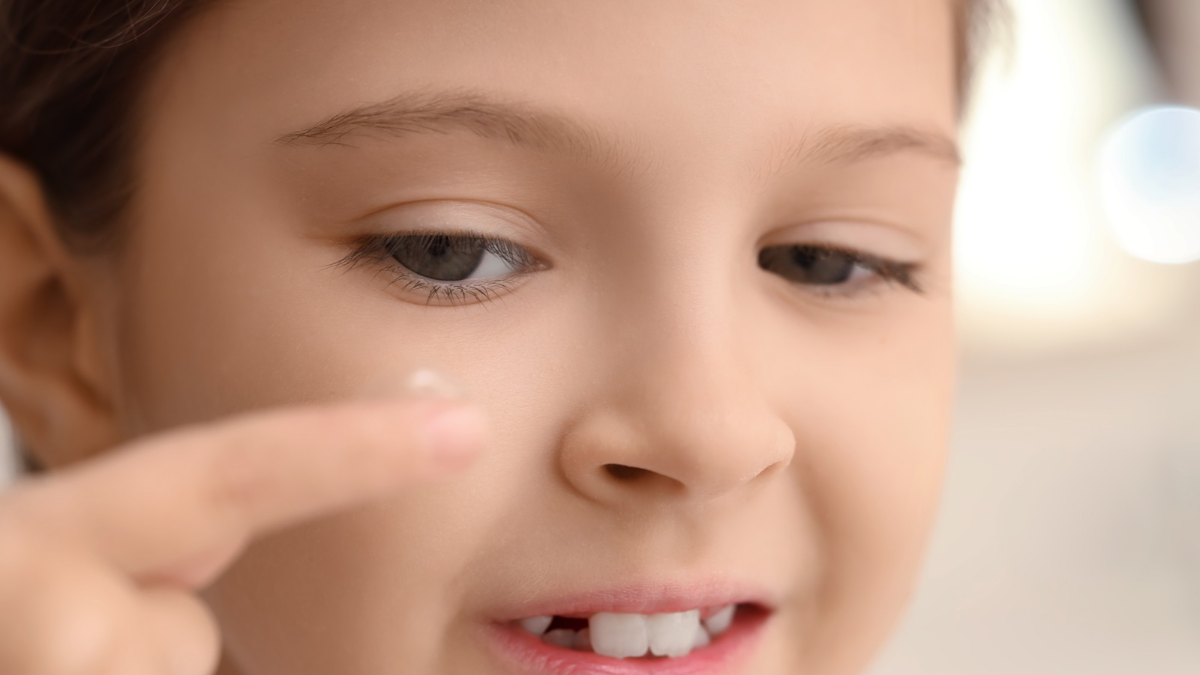
As children grow and participate in school, sports, and recreational activities, clear vision becomes essential for their personal development and educational success. When a child begins to experience blurred vision due to nearsightedness or astigmatism, parents often explore various corrective options. While traditional eyeglasses are typically the first line of defense, many parents find themselves asking how old do you have to be to get contacts and whether prescription contact lenses are a suitable choice for young wearers.
From a purely biological perspective, there is no strict minimum age requirement for wearing lenses. Children’s eyes can physically tolerate contact lenses at a very young age. In fact, eye care professionals frequently evaluate readiness based on emotional maturity, responsibility, and hygiene habits rather than chronological age alone. Studies have shown that children as young as eight to eleven years old can successfully manage insertion, removal, and proper care of lenses when given appropriate guidance.
There are several compelling reasons why parents and eye doctors consider contacts for children and teenagers. Active participation in physical sports is one of the most common drivers. Glasses can easily slip down during running, fog up during changes in temperature, or break upon physical impact, posing safety risks during high-energy games. Corrective lenses sit directly on the eye, providing an unobstructed peripheral view and staying securely in place during vigorous movement.
Furthermore, self-esteem and social confidence play a significant role during formative years. Some children feel self-conscious wearing glasses or find that heavy frames interfere with daily interactions. Shifting to invisible vision correction can significantly boost a young person’s confidence in classroom environments and extracurricular pursuits.
When considering vision correction for children, daily disposable options are widely regarded as the best starting point. Daily disposables eliminate the need for cleaning routines and storage cases, which simplifies the process for younger users and reduces the chance of contamination. Brands like ACUVUE offer daily options made with highly breathable hydrogel and silicone hydrogel materials that allow ample oxygen to reach the eye, keeping young eyes bright and comfortable throughout the day.
Parents play a pivotal role in ensuring a smooth transition to contacts. Before scheduling a professional consultation, observe your child’s daily habits. Do they routinely wash their hands without prompting? Do they keep their bedroom reasonably organized and take care of personal belongings? If the answer is yes, they are likely ready to handle the basic responsibilities associated with vision care.
The first step always involves a comprehensive fitting and evaluation with an eye care professional. During this appointment, the optometrist will measure the shape of the child’s cornea, assess tear film stability, and teach both the child and parent how to insert, remove, and clean the lenses properly. With proper education, parental encouragement, and quality products from trusted brands like ACUVUE, contact lenses can provide children with clear, safe, and comfortable vision as they explore the world around them.