
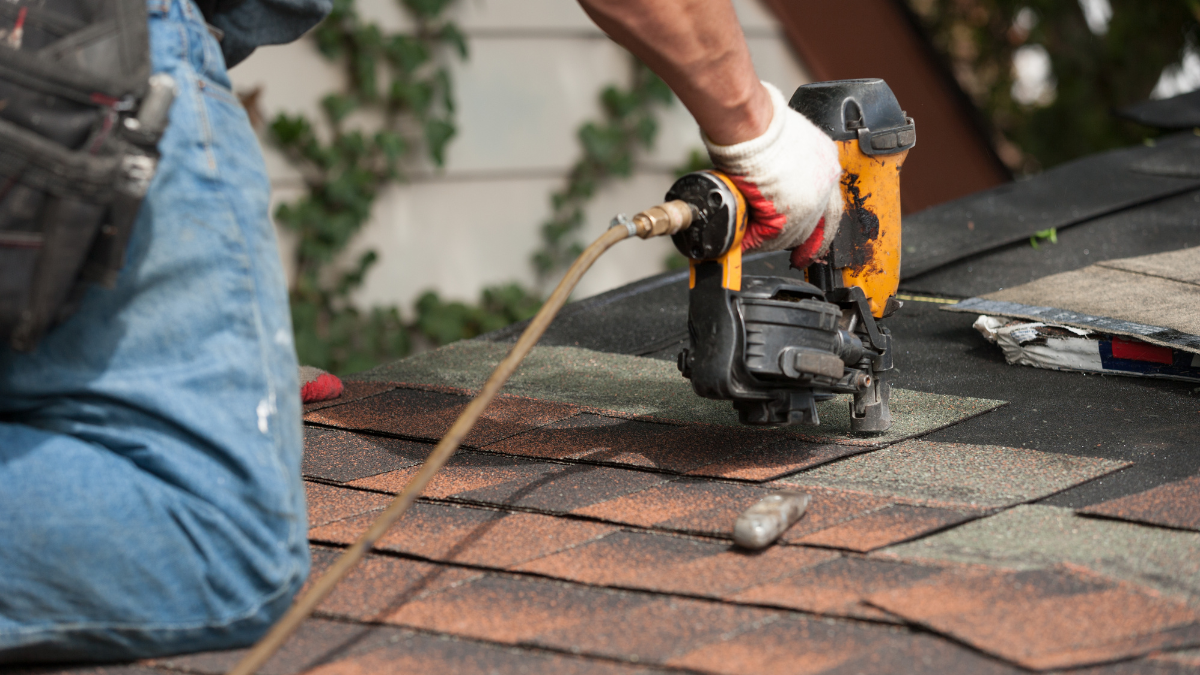
A damaged roof does not automatically need to be replaced. A few missing shingles after strong winds, a problem around one penetration, or an isolated section of damaged flashing may affect only a limited part of the roofing system. The harder question is whether correcting that specific problem will restore dependable performance or simply postpone work on a roof that is already deteriorating elsewhere.
That distinction matters because repair and replacement solve different problems. Roof repair targets damage that remains reasonably contained, while replacement addresses broader deterioration or conditions that make repeated fixes less practical. Looking beyond the immediate leak or visible defect gives homeowners a better basis for choosing between the two.
The decision should account for the extent of damage, the condition of surrounding materials, previous problems, and what lies beneath the exterior covering. During that evaluation, a company such as AG Exterior Solutions may be involved in examining the affected area and determining what the observable roofing conditions indicate.
Start With the Size and Location of the Damaged Area
Localized damage generally creates a different decision from deterioration spread across several roof sections. If a small area has been affected but the surrounding roofing materials remain sound, correcting that area may be a reasonable response. Widespread cracking, curling, missing material, or deterioration across multiple slopes raises a different set of concerns.
Location matters as well. Damage around a vent or another penetration may involve flashing and nearby roofing materials, while problems in a valley can affect an area that handles concentrated water flow. Each location needs to be evaluated according to how water moves across that part of the roof.
A useful assessment therefore asks two separate questions: what failed, and how far does the problem extend? Answering only the first question may underestimate work needed around the visible defect.
Look Beneath the Surface Before Choosing a Fix
Exterior damage provides only part of the information needed for a sound decision. Water that passes through the outer roofing layer may affect underlayment, decking, insulation, or nearby framing before an obvious indoor leak develops. Those concealed conditions can change the scope of the work considerably.
For example, replacing a few damaged shingles addresses the surface covering, but it does not correct deteriorated decking underneath them. A roof repair in Hendersonville makes more sense when the affected components can be identified and corrected without leaving broader deterioration in place.
Assessments connected with AG Exterior Solutions may include discussion of visible roofing conditions and the work being considered. Homeowners benefit from understanding which components have actually been examined instead of assuming that the condition of the surface represents the condition of the entire assembly.
Previous Repairs Provide Useful Decision-Making Evidence
Repair history can reveal patterns that a single inspection does not show. One isolated problem corrected several years ago is different from recurring work in nearby areas. Repeated leaks or repairs may indicate that deterioration is no longer limited to one defect.
Records are useful here. Invoices, photographs, notes about past leaks, and dates of previous work can show whether problems keep returning to the same section or are appearing across different parts of the roof. That history gives context to the condition observed during the current evaluation.
Recurring problems do not automatically require replacement. They do, however, justify asking why earlier work did not end the issue. The answer might involve a new source of damage, an unresolved moisture path, or aging materials beyond the previously repaired section.
Material Condition Matters More Than Appearance Alone
Two roofs with similar visible damage may require different responses because the surrounding materials are in different condition. Roofing materials become less flexible and more weathered as they age. Working within an older field of material may therefore present different practical considerations than repairing a relatively sound section.
Color differences are another consideration, though primarily an appearance issue. Newly installed material may not visually match roofing that has been exposed to sunlight and weather for years. A homeowner deciding on roof repair should separate cosmetic expectations from questions about whether the proposed work addresses the underlying defect.
AG Exterior Solutions can be considered in the broader context of evaluating roofing work, but homeowners should still request a clear explanation of the proposed scope. The useful information is specific: which materials need attention, why they need it, and whether surrounding sections show related deterioration.
Compare the Scope of Work Instead of Looking Only at Price
A lower estimate does not necessarily represent the same solution as a higher one. One proposal might address only visible surface damage, while another could include flashing, underlayment, or deteriorated decking discovered during evaluation. Comparing totals without comparing the work behind them can produce a misleading picture.
Written scopes make differences easier to identify. They should allow the homeowner to see which roof sections are involved, which materials are expected to be removed or replaced, and how concealed damage will be handled if it becomes visible during the work.
The goal is not simply to choose the smallest project. It is to choose a scope that matches the actual condition of the roof without replacing sound components unnecessarily or leaving known deterioration unresolved.
Questions That Clarify a Repair Recommendation
Specific questions produce more useful answers than asking whether the roof is simply “good” or “bad.” Homeowners can ask what caused the observed problem, whether surrounding materials remain serviceable, and whether evidence of moisture exists beneath the damaged area.
It is also reasonable to ask what would change the recommendation. If additional deterioration becomes visible after materials are removed, understanding how that discovery affects the planned work reduces uncertainty. Clear explanations make it easier to judge whether a limited correction still fits the conditions found.
A roofing company should be able to describe the reasoning behind the proposed scope without relying on vague statements. The explanation matters because the same visible symptom, such as a leak, may result from very different roofing defects.
Choose the Response That Matches the Actual Condition
The repair-versus-replacement decision becomes clearer when homeowners stop treating every roof problem as the same type of event. Localized damage, surrounding material condition, moisture beneath the surface, and repair history all provide evidence about the true scale of the problem.
A limited repair remains sensible when the defect is contained and the surrounding roofing system remains suitable for continued service. Broader deterioration changes that calculation because repeated small fixes may address individual symptoms without resolving the larger condition.
The strongest decision is based on what the roof actually shows rather than a preference for the smallest or largest project. A careful assessment of the affected area, supporting components, and previous problems gives homeowners a practical basis for choosing work that fits the roof in front of them.