
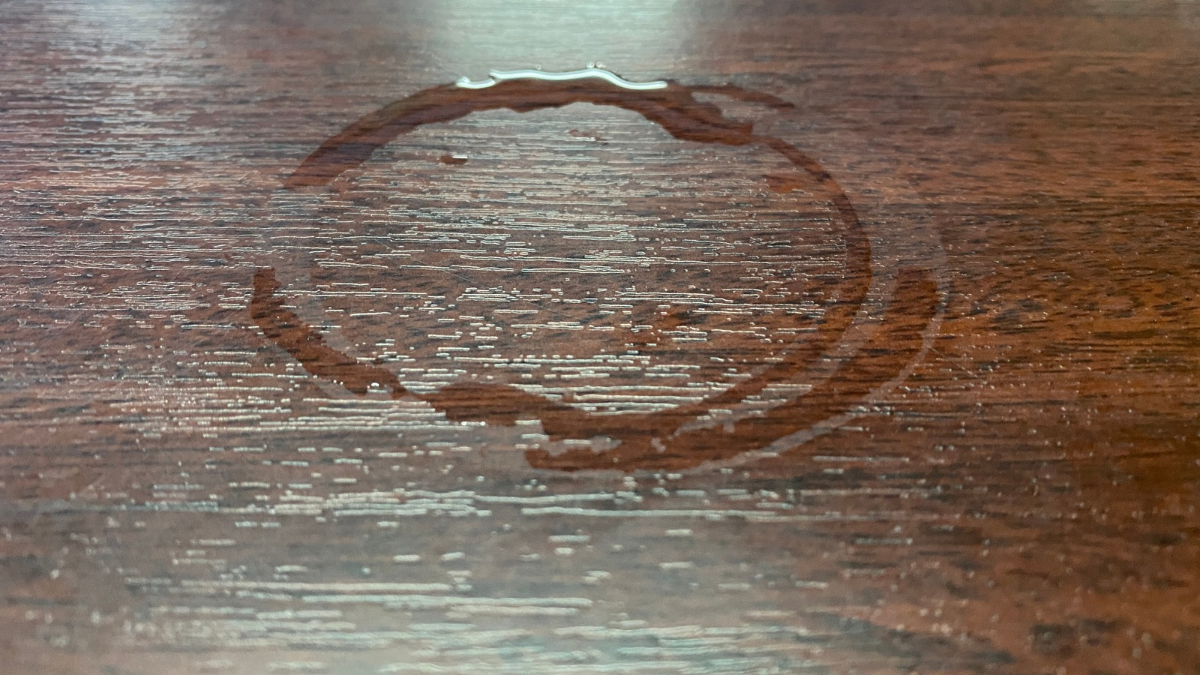
Water rings and stains can appear on household surfaces even when spills are cleaned up quickly. A drinking glass may leave a cloudy circle on a wooden table, water droplets can create stubborn white marks around bathroom faucets, and a damp container might leave a noticeable outline on a kitchen countertop. Some marks disappear with ordinary cleaning, while others remain because moisture has affected the material beneath the surface.
The difficulty is that water-related marks do not all have the same cause. Mineral deposits, trapped moisture, cleaning product residue, and surface damage can look surprisingly similar. Although professional cleaning services may address many forms of household staining and residue, identifying the affected material is necessary before choosing a treatment. Residential cleaning providers such as SQKY Cleaning work with different household surfaces, but the appropriate cleaning method depends on what caused the mark and whether the original finish is still intact.
Why Water Leaves Different Types of Marks
Water itself is not always responsible for the visible stain. In many cases, the substances dissolved in water remain after the moisture evaporates. Hard water contains minerals, including calcium and magnesium, that can accumulate on glass, tile, faucets, and other frequently wet surfaces. These deposits often appear as cloudy patches, white rings, or rough spots that become more noticeable over time.
Marks on wood develop differently. A cold glass placed on a wooden table may leave condensation that enters small openings or imperfections in the finish. Depending on the type and condition of the coating, moisture can create a pale, cloudy mark. If water penetrates deeper into the wood, the discoloration may become darker and more difficult to remove.
Kitchen countertops present another challenge because several materials can produce similar-looking marks. What appears to be a water stain on a stone surface might be a mineral deposit, residue from a cleaning product, or damage caused by an acidic substance. On laminate, prolonged moisture exposure can cause swelling near seams, particularly when water reaches the material beneath the decorative surface.
Before attempting removal, look at the appearance, location, and texture of the affected area. A chalky deposit around a faucet usually requires a different approach from a dark mark beneath a plant pot. Understanding that difference prevents the common mistake of treating every water ring with the same household cleaner.
How to Remove Water Rings From Wooden Furniture
Wooden furniture requires particular care because both the wood and its protective finish can react to moisture, heat, and cleaning products. A table with a durable factory-applied coating may tolerate gentle wiping, while an older piece with a delicate finish may become damaged by the same treatment.
The first step is to establish whether the mark is sitting on the finish or appears to be beneath it. A recent spill may leave surface residue that can be removed using a soft cloth lightly dampened with water and a suitable mild cleaner. Dry the area immediately afterward, paying attention to joints and edges where moisture could accumulate.
Understanding White Water Rings on Wood
A pale or white water ring sometimes indicates moisture trapped within certain clear finishes. These marks are common around drinking glasses and containers that produce condensation. They may look like a cloudy circle rather than a stain that has changed the natural color of the wood.
If the mark has appeared recently, allow the furniture to dry naturally in a well-ventilated room. Some light moisture marks fade as the trapped water gradually escapes. Avoid placing the furniture in intense sunlight or applying direct heat, which can damage or distort sensitive finishes.
Home remedies involving irons, hair dryers, oils, or abrasive substances are frequently suggested for white rings. However, these methods can be risky because furniture coatings vary considerably. Excessive heat may soften or discolor a finish, while oils and polishing compounds can leave additional residue. For furniture with an unknown coating, following manufacturer guidance or consulting a furniture restoration specialist is safer than experimenting.
Dark Water Stains Need More Than Surface Cleaning
Dark brown or black marks may indicate that water has reached the wood itself. This can happen when a flowerpot leaks repeatedly, moisture remains beneath a decorative object, or water enters through a damaged finish.
Ordinary wiping cannot reliably remove discoloration that has developed within the wood fibers. Depending on the extent of the damage, the furniture may require professional assessment, refinishing, or repair.
Continuing to scrub a dark stain with increasingly strong products can wear away the surrounding finish without correcting the problem. If the wood has also become swollen, soft, or warped, cleaning alone will not restore its original condition.
Cleaning Water Spots From Glass and Bathroom Fixtures
Bathroom mirrors, shower doors, faucets, and glass shelves frequently develop water spots because moisture evaporates repeatedly from their surfaces. The marks may start as small droplets but eventually form a cloudy layer that makes glass appear dull even after it has been wiped.
For ordinary water spots, begin with a clean microfiber cloth and a product approved for the specific surface. A gentle glass cleaner may remove light residue from uncoated glass, while thicker mineral deposits may require a cleaner specifically formulated for hard-water buildup.
Many household cleaning guides recommend vinegar for mineral deposits, but acidic products are not suitable for every material. Coated shower glass, certain metal finishes, natural stone, and nearby grout may be damaged by inappropriate acids. Always check the manufacturer’s care instructions before applying an unfamiliar product.
Pay Attention to Faucet Bases and Shower Hardware
Water rings around faucets often contain a mixture of mineral deposits, soap residue, and cleaning product film. These marks can be difficult to reach because deposits collect where the fixture meets the sink or countertop.
Use a soft cloth to clean the accessible surface and a small, non-abrasive brush where the fixture design permits. Avoid forcing tools beneath seals or using sharp objects to scrape deposits away. Scratches can permanently alter polished finishes and create small grooves where new residue collects.
This is one area where detailed residential cleaning differs from simply wiping broad surfaces. Professional cleaning services may include removing ordinary buildup around bathroom sinks, shower fixtures, and faucets as part of a more thorough visit. SQKY Cleaning provides residential cleaning options that include attention to bathrooms and frequently used household surfaces. However, severe mineral deposits or damaged fixture coatings may require a treatment beyond routine cleaning.
Once the residue has been loosened, rinse carefully where appropriate and dry the fixtures with a clean cloth. Removing remaining water helps prevent fresh mineral marks from appearing immediately after cleaning.
How to Treat Water Marks on Kitchen Countertops
Kitchen countertops are exposed to water from sinks, washed dishes, cooking activities, and beverage containers. Although many countertop materials resist occasional moisture, their finishes and seams can behave differently when water remains in place.
A sealed stone countertop, a quartz surface, and a laminate worktop should not automatically receive the same cleaning treatment. The safest approach begins with identifying the material and consulting its care instructions.
For everyday marks on quartz, a soft cloth with mild dishwashing liquid and water may be suitable, depending on the manufacturer’s recommendations. Rinse away the soap residue and dry the surface to prevent streaks. Abrasive pads and harsh chemicals can alter the appearance of certain finishes and should be avoided unless specifically approved.
Natural stone requires more caution. Marble and some other stones can react with acidic substances, leaving dull areas known as etching. These marks can resemble water stains, but they are actually changes to the surface rather than deposits sitting on top. An acidic cleaner may worsen the problem instead of removing it.
When comparing cleaning services nyc residents use for kitchen maintenance, ask how delicate countertops such as marble, quartz, and laminate will be treated before scheduling an appointment. Different countertop materials require different cleaning products and methods, and using a suitable approach helps protect the surface from unnecessary damage.
Laminate countertops present a different concern. Water may enter exposed seams, damaged edging, or openings around sinks. If the underlying material swells, ordinary cleaning will not reverse the structural change. A persistent raised area or peeling edge may need repair rather than repeated wiping.
Preventing Water Rings and Stains Around the Home
Preventing water marks generally requires less effort than removing stains that have remained for several weeks. The most useful habits involve controlling standing moisture and cleaning residue before it has time to accumulate.
On wooden furniture, use coasters beneath cold beverages and protective trays under plant pots. Check these areas occasionally rather than assuming the underside of a container is dry. A small leak or condensation trapped beneath a decorative object can remain unnoticed until discoloration develops.
In bathrooms, drying shower glass, faucets, and nearby surfaces after use can reduce mineral buildup. A squeegee is useful on smooth glass, while a soft cloth can reach fixture bases and narrow countertop areas. Regular bathroom cleaning should also remove soap residue because mineral deposits often become more noticeable when mixed with other grime.
Kitchen counters benefit from prompt attention to water around sinks and appliance bases. Wipe spills before they reach seams, and avoid leaving wet cloths or sponges directly against vulnerable countertop edges. Inspect the area around the sink periodically for damaged caulk or gaps that could allow moisture to penetrate.
Cleaning products themselves can sometimes leave marks that resemble water stains. Using more detergent than necessary or failing to rinse a surface properly may create cloudy patches or streaks. Following dilution instructions and drying surfaces with a fresh cloth can prevent this type of residue.
For households that use recurring cleaning services, routine maintenance can help control mineral deposits and ordinary surface buildup before they become difficult to remove. Still, regular attention between visits matters, particularly on furniture and countertops where standing water may cause damage long before the next scheduled cleaning session.
When a Water Stain Needs Repair Instead of Cleaning
One of the most common mistakes in stain removal is continuing to apply cleaning products after the problem has stopped responding. If a mark remains unchanged despite appropriate gentle treatment, the surface itself may have been affected.
Swollen wood, lifting laminate, chipped countertop finishes, and etched natural stone are examples of conditions that cleaning products cannot reliably reverse. In some cases, specialist refinishing may improve the appearance. Other situations require replacement of damaged material or repairs to prevent moisture from entering again.
Persistent staining also deserves investigation when it appears near plumbing connections, window frames, or walls. A mark that grows larger, returns after drying, or appears alongside peeling paint may indicate an ongoing water leak. Treating the visible discoloration without addressing the moisture source allows the damage to continue.
The distinction between surface residue and material damage helps homeowners avoid unnecessary expense and frustration. SQKY Cleaning operates within the residential cleaning field, where removing ordinary dirt and buildup is different from repairing damaged furniture, stone finishes, or water-affected building materials.
Keep Household Surfaces Clean Without Causing Further Damage
Water rings and stains are easier to manage when their causes are understood. A cloudy mark on glass may be a removable mineral deposit, while a similar-looking mark on marble could be permanent etching. Wooden furniture may develop surface-level moisture marks or deeper discoloration depending on how far water has penetrated.
Start with gentle, material-appropriate cleaning methods and avoid stronger treatments unless they are recommended for the affected surface. Drying wet areas, protecting furniture from condensation, and cleaning mineral deposits before they become thick can reduce the appearance of stubborn water marks.
Professional cleaning services can support regular household maintenance, but some stains require repair or refinishing rather than further cleaning. Recognising that difference allows surfaces to receive appropriate care without unnecessary scrubbing, chemical damage, or repeated treatments that do not address the underlying problem.