
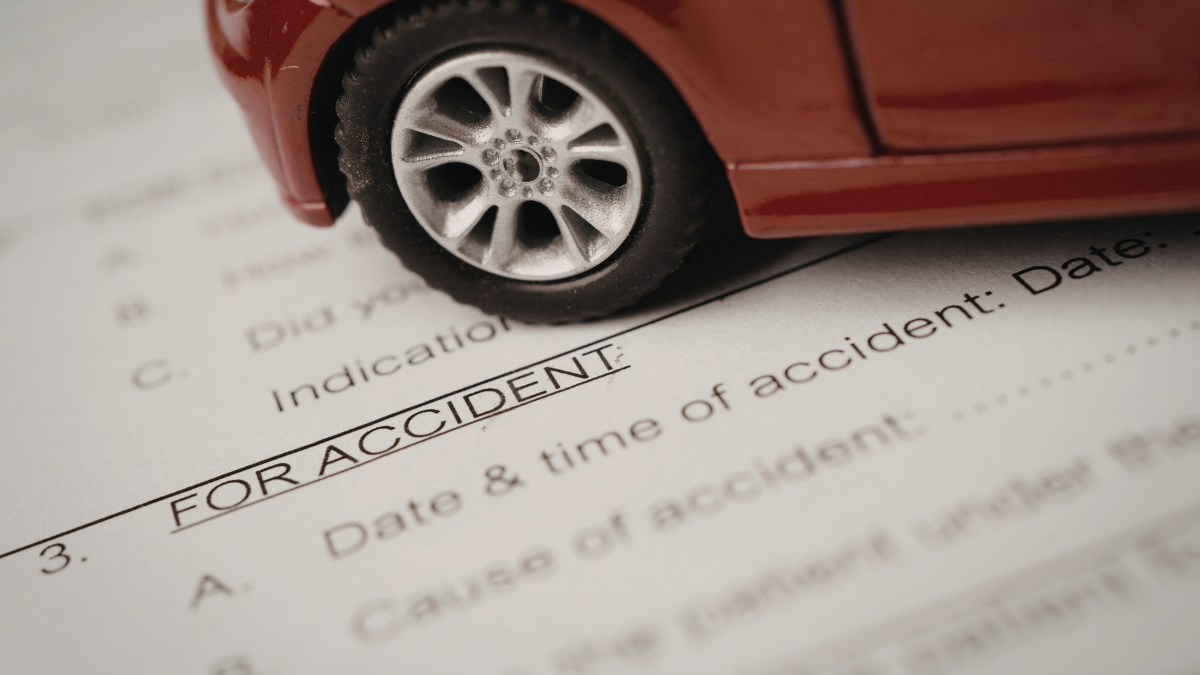
Nine days. That is how long the average driver waits before they stop treating a crash like an emergency and start treating it like a bill. In that window, the evidence that decides money gets created, and then it quietly disappears. I learned this the boring way years ago, watching a friend lose an argument over a rental car receipt that nobody photographed before it got tossed in a glove box.
I am not a lawyer, and I will not pretend to be one. What I can do is walk you through the post crash paper trail the way an organized person would, because most crash advice skips it. If negotiations stall, your car accident lawyer ends up working with whatever survives that first stretch, so the goal here is simple: make sure the good stuff survives.
Keep this in mind as the throughline: money does not follow a loud story. It follows documents. Your job in the first week is not to prove who was right. It is to collect the raw material so someone else can prove it later.
What Actually Counts as Evidence After a Crash
People picture a courtroom and a dramatic witness, and that image costs them. The real currency is time stamped, boring and specific.
Insurance adjusters work from files. If a file has a repair invoice and two bills, that is what they pay against. If your file has four pages of your own notes and a mechanic’s written opinion about hidden frame damage, your number changes. You are not building a case. You are building a file.
Here is the short list of what carries weight:
- Photos taken the same day, before anything is repaired or repainted. Wide shots showing both cars and the street, then close shots of every dent and every skid mark.
- The police report number. Not the officer’s name from memory. The number.
- Medical paperwork from the first visit, plus every visit after. The gap matters as much as the injury.
- Your own schedule. Missed shifts, canceled gigs, the school pickup you could not do.
- Anything with a date printed on it. Receipts, toll records, ride share trips, parking stubs.
Notice that opinions are missing from that list. Nobody pays you for opinion.
The 48 Hour and 14 Day Filing Clock
Two deadlines run at the same time after a crash, and they do not care about each other.
The first one answers a question nearly everyone asks: how long do you have to file a car accident claim before the door shuts. In practice you are racing a reporting window with the insurer and a separate legal clock set by state law, and the legal clock is usually the longer of the two. Do not let the comfortable length of one make you lazy about the short one. Call the insurer early, even if you are still sore and unsure. Opening a claim is not a commitment to a number.
The second clock is physical. Vehicles get crushed, repaired, or sold within weeks. Street cameras overwrite themselves on a rolling schedule. Scrapes fade. Every one of those losses is silent, and none of them announce themselves. That is why I tell people to treat day one through day fourteen as the evidence window, not the recovery window. Recovery takes longer. Evidence does not wait.
The federal government’s own consumer guidance on road safety and crash reporting lives at USA.gov, and it is worth a look for the reporting basics alone. I would rather you spend twenty minutes there than guess.
Who Else Is Holding a Piece of Your Case
You are not the only person with a document, and that is the part most people miss. The other driver’s insurer has a recorded statement. The tow company has a timestamp. The body shop has an estimate that may understate what is really wrong. The hospital has a triage note written before you had a chance to sound composed.
Ask for your own copies. You are entitled to records about you. This is unglamorous work, and it is the entire job.
A conflict I would resolve differently than most people do
Everyone says do not talk to the other insurer. I mostly agree, with one exception I will commit to: give a factual, minimal version of events to your own insurer, on time, and give a scripted nothing to theirs. Silence to your own company can cost you coverage. Chatting with theirs creates a statement they will read back to you in six months. Same event, two very different postures.
The Insurance Information Institute, an industry research body whose findings on claims handling are widely used, publishes background at iii.org if you want to see how claims actually get processed from the inside. Read it before you decide how much to volunteer.
How to Keep the File Clean While You Heal
Set a folder. Phone, laptop, or a paper envelope, it does not matter. What matters is that it lives in one place you can hand over whole. Here is the order I would follow.
- That night: photograph everything, then email yourself the photos so they carry a date.
- Next morning: get the report number and write it on the folder.
- Day three: log every symptom in plain language, even the ones that seem small.
- Day seven: request your medical records, not a summary.
- Day fourteen: stop and read the whole file top to bottom. Find the gap. Fill it.
Two things to avoid, and they are both about your own words. Do not post the crash on social media. And do not text a friend “I’m fine, barely tapped.” Casual lines get screenshotted, and a defense attorney will treat your group chat like a deposition transcript. If you need to vent, call someone. Phones keep everything.
The Point of All That Paper
You are not collecting documents to win an argument. You are collecting them so the number a claim is worth does not depend on anyone’s memory, including yours.
The law has a framework for all of this. Cornell Law School’s Legal Information Institute maintains a plain language overview of negligence and liability, and it is the clearest free explanation I have found of why fault gets argued in the first place.
Do the folder. Do it badly if you have to, but do it inside the first two weeks, because that is when a crash is still a set of facts instead of a set of opinions. Which one of those two do you want to be holding in six months?