
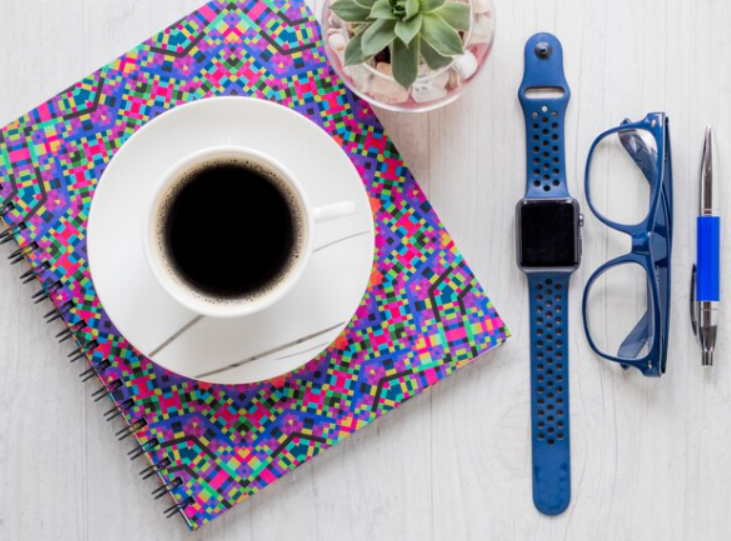
A walk can be going well until your watch slides toward your hand again, or the buckle presses into your wrist. A band with an uncomfortable texture or a color you never liked can become another small distraction, so identify what you want a replacement to change before you buy one.
Comfort depends on the material, fit and closure, while color and texture help the watch feel like something you chose for yourself. Start with how you move, then check the construction, sizing and care instructions before deciding.
Key Takeaways
- Name the specific problem with your current band, such as sliding, pressure or texture, before comparing replacements.
- Material labels alone don’t predict comfort: thickness, seams, edges and hardware matter too.
- Check your watch’s case size and generation separately from your wrist measurement.
- Test the closure during the movements that bothered you, not just while sitting still.
- Follow the care instructions supplied with your specific band, and confirm water suitability separately.
Start With the Movement You Enjoy Most
A specific complaint makes comparison easier. “Something feels off” is hard to shop for, but “the watch slides down when I swing my arms” gives you a detail to check in product photos and during a try-on.
Notice the distraction. For a few days, pay attention to when you adjust the watch. Does it happen when your hands get warm, when you lean on your palms or when you push a sleeve up?
Think about your usual activity. Use the movements you already do to assess a band:
- Walking: does the watch stay put when your arms swing freely?
- Running or brisk movement: does sweat make the band feel slippery or sticky?
- Gym sessions: does hardware press into your wrist when you grip a bar or handle?
- Yoga or stretching: does the clasp dig in when your weight rests on your hands?
Apple recommends positioning the watch above the wrist bone, toward the elbow, to maximize sensor contact with skin. Check the fit there rather than tightening the strap while the watch sits against your hand.
Keep what already works. If your current band stays in place and feels comfortable, use its construction as a reference. You might want the same closure in another color rather than a completely different design.
Compare Materials and Construction
Product pages use words such as breathable, soft, sweatproof and skin-friendly. Those descriptions don’t tell you enough to predict comfort, so read the construction details and decide what you can check in photos or during a permitted try-on.
Woven nylon, silicone and FKM rubber are common athletic band materials. FKM is a fluoroelastomer rubber, a different compound from silicone, and material names alone won’t tell you how a band feels.
| Material | Construction to inspect | What to check yourself |
| Woven nylon | Weave density, skin-side texture and edge finishing | Whether the weave feels comfortable and how long it takes to dry after cleaning as instructed |
| Silicone | Thickness, skin-side texture, seams and attached hardware | Whether the surface feels tacky when warm and whether seams or edges rub |
| FKM rubber | Strap thickness, flexibility, closure and where excess length sits | Whether its flexibility suits you and how the fastening sits against your wrist |
Some listings point to perforations or skin-side loops as breathability features. These are visible construction details you can inspect, not evidence of a measured cooling effect, and wording such as “skin-friendly” shouldn’t be read as a hypoallergenic guarantee.
Material alone doesn’t establish which band will be cooler, faster-drying or longer-lasting. For online purchases, look for photos of the underside as well as the outside, read the material specification and check the return conditions before trying it on.
Check Both Your Watch Model and Your Wrist Measurement
Two measurements are easy to mix up: the watch case size and your wrist circumference. The case size helps identify the connector variant, while your wrist measurement tells you whether the strap will fit around you.
Identify the exact watch. Read the case size from the back of the watch and note the model generation. Some sellers group 42mm cases from Series 1 to 3 with larger cases, and 42mm cases from Series 10 to 12 with 38, 40 and 41mm cases, so choosing by “42mm” alone could lead to the wrong variant.
Measure where you wear it. Wrap a flexible tailor’s tape around your wrist slightly above the wrist bone, or use string and a ruler, and record the measurement in millimeters. If your fit changes with heat or activity, measure at those times too.
Read the selected variant. Wrist ranges belong to a particular product and variant, and one product’s small, medium or large labels may cover different measurements from another’s. If your wrist sits near the edge of a stated range, ask the seller before ordering.
Once the band arrives, follow Apple’s installation guidance: never force it into the slot, and don’t wear the watch if the band keeps sliding. Contact the seller if it won’t lock in place.
Pick a Closure You Can Adjust Comfortably
You handle the closure every time you put the watch on, tighten it during activity or loosen it afterward. Check where the adjustment sits, what happens to excess strap and whether hardware rests against the inside of your wrist.
Hook-and-loop. This allows fine adjustment rather than relying on fixed holes. Check how much adjustment the selected size allows, where the folded strap sits and whether the fastening surface catches on your clothing.
Pin-and-tuck. A pin passes through a hole in the strap, and the tail tucks underneath. If one hole feels tight and the next feels loose, a different adjustment design may suit you better.
Buckle. Look at the hardware as closely as the strap. Check the buckle’s size and edge finish, where it rests on your wrist and how the design holds excess strap.
Magnetic. Check how the specific design fastens and adjusts, and how much bulk the overlap adds. During use, notice whether the fastening stays where you set it rather than assuming the word “magnetic” guarantees security.
When comparing Apple Watch athletic bands, Bandletic’s collection lets you narrow the range by material, closure type and watch size. Those filters help you find relevant options, while the individual listing is where to confirm exact compatibility, wrist range and adjustment details.
A closure label alone doesn’t establish comfort or holding strength. Try fastening and loosening the band one-handed, and check it during the movements you identified earlier.
Choose a Color and Texture You Enjoy
Athletic bands can fit your style as well as your activity. Start with the colors and textures you already enjoy wearing, then use one of these approaches to narrow the choice.
A familiar neutral. Black, gray, sand or navy may be easier to combine with your existing wardrobe. If you wear the watch from exercise through the rest of the day, picture the band with both your workout clothes and your usual daytime outfits.
One cheerful accent. Choose a shade that appears elsewhere in your clothes, or try a deliberate contrast. A bold strap may feel different on the watch than it does in an isolated product photo.
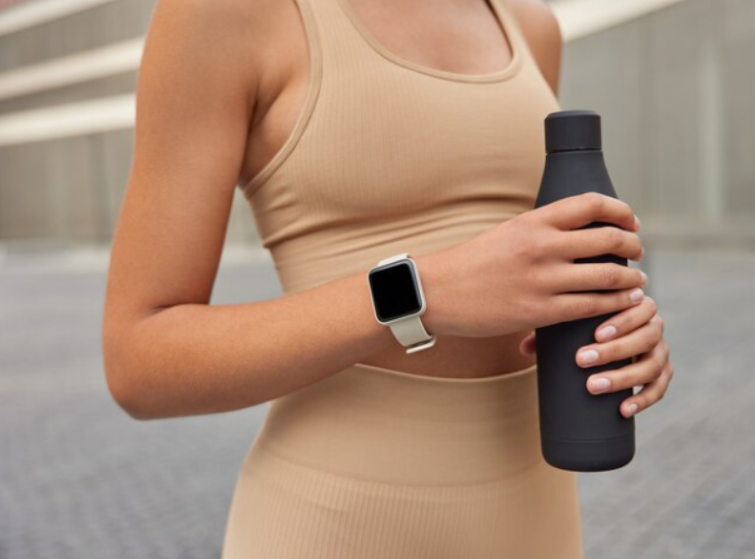
Texture or pattern. A woven strap can add interest while staying within a familiar color palette. Consider whether you enjoy the design itself and how it looks with the watch case you own.
Before ordering, compare the band color with your case finish, since product photos may show a different case from yours. Look at the hardware too, because a buckle or clasp can introduce another visible finish.
Make After-Workout Care Part of the Choice
Care affects whether a band suits your routine. Read the instructions before buying, especially if you plan to wear it during sweaty exercise or in water.
Check the maker’s instructions. Apple’s cleaning guidance applies to its own bands only. For a third-party band, follow the care information supplied with it, and ask the seller if the listing or packaging leaves it out.
Confirm water suitability separately. The watch’s water-resistance rating doesn’t establish whether its strap is suitable for swimming or showering. Look for product-specific guidance rather than assuming a whole collection is waterproof.
Clean and dry as instructed. Follow the recommended method, including any directions for removing the band, and let it dry before wearing it again. A method that works for another accessory may not suit the band’s fabric, magnets or other hardware.
Respond to discomfort. If redness, itching or soreness develops under the band, take the watch off. If irritation persists or worries you, seek medical advice before wearing it again.
Compare the Final Details Before You Buy
Once you’ve narrowed the material, closure and appearance, check the selected variant rather than relying on a collection page. Keep your watch model, case size and wrist measurement beside you as you review the listing.
- Exact watch and wrist fit: the variant names your case size and generation, and its wrist range covers your measurement.
- Disclosed materials and hardware: the page identifies what the strap and fastening are made from.
- Usable adjustment: photos show how the closure works and where excess strap sits.
- Care and water guidance: instructions cover the activities you have in mind.
- Return conditions: check the window, condition requirements and whether a try-on is permitted.
- Total cost: include tax, duty and delivery charges for your location, plus any free-shipping threshold.
A higher price doesn’t establish which texture or closure you’ll prefer. If a listing leaves a compatibility or care question unanswered, get confirmation before paying.
Conclusion
The best athletic band is the one you stop noticing during a walk or workout, and still enjoy looking at afterward. Start with the movement that bothers you, then check the material, sizing, closure and care details on the exact listing.
Removing one small daily irritation frees up attention for the parts of your day you actually enjoy. If little frustrations tend to pile up for you, these tips on how to worry less are a good next read.
FAQ
Why does my watch keep sliding toward my hand?
The band may be too loose for your activity, or the closure may not hold its setting. Position the watch above the wrist bone and check the fit while you move, not just while sitting still.
Is nylon or silicone better for workouts?
Neither is automatically better. Thickness, texture, seams and hardware matter as much as the material, so compare the construction and check how each feels during your usual activity.
How do I know which band size fits my Apple Watch?
Read the case size on the back of the watch and note its generation, since some 42mm cases take different bands. Then measure your wrist and compare it with the wrist range on the exact listing.
Can I wear an athletic band in the pool or shower?
Only if the band’s own product guidance says it’s suitable. The watch’s water-resistance rating doesn’t cover the strap, so confirm before immersing it.