
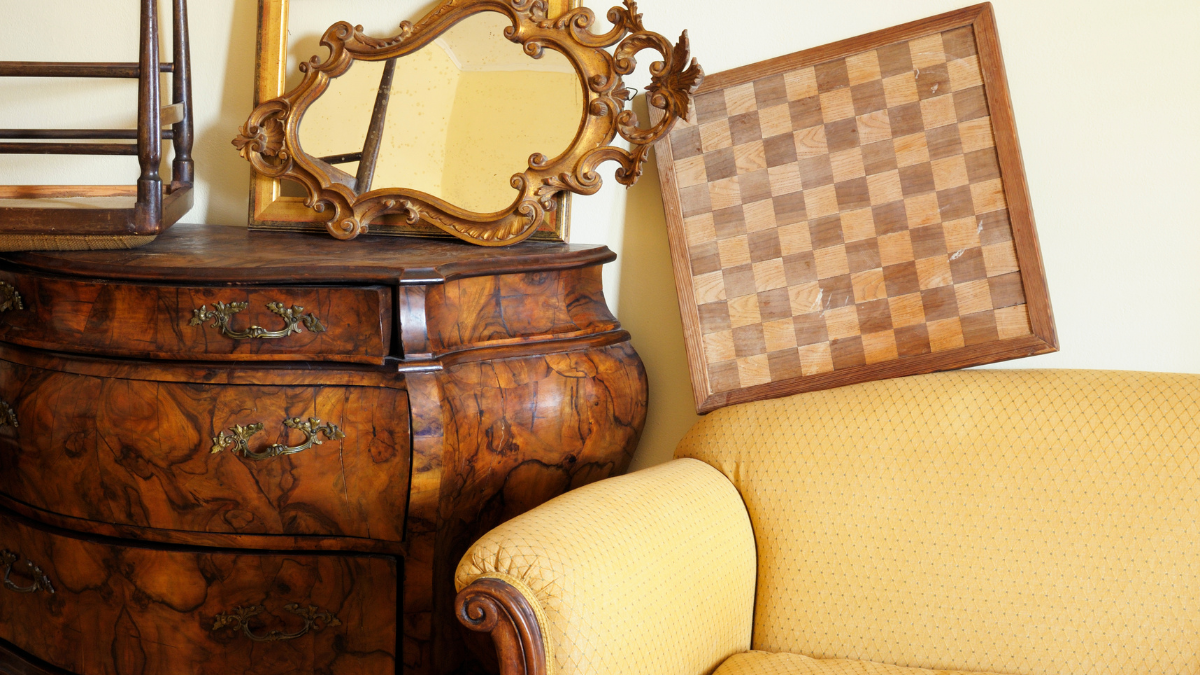
A home feels more personal when its furnishings reflect different influences, memories, and design preferences. Combining modern and vintage furniture allows homeowners to create interiors that feel collected rather than purchased all at once. However, mixing styles successfully requires attention to proportion, materials, and visual balance.
Modern furniture often features streamlined shapes, simple finishes, and understated details. Vintage pieces may introduce decorative craftsmanship, distinctive silhouettes, and materials associated with earlier design periods. Bringing these elements together can create an appealing contrast, provided each piece contributes to the room’s overall character.
A thoughtful Furniture Store visit can help homeowners identify contemporary pieces that complement existing vintage furnishings. Whats New Furniture offers shoppers an opportunity to compare different silhouettes, finishes, and furniture proportions. Understanding how contrasting styles interact makes it easier to create cohesive interiors without sacrificing individuality.
Understanding the Relationship Between Modern and Vintage Design
Modern and vintage furniture can complement each other because their differences create visual interest. The objective is establishing meaningful connections rather than forcing every piece into one decorative category.
Recognizing Distinctive Design Features
Modern furniture commonly emphasizes clean lines, practical forms, and restrained ornamentation. Vintage furniture may feature carved details, curved profiles, decorative hardware, or recognizable historical influences.
These characteristics create opportunities for contrast. A contemporary sofa, for example, may look appealing beside an antique wooden side table.
The combination works best when the pieces share compatible proportions or complementary materials.
Finding Common Design Elements
Furniture does not need matching construction periods to appear coordinated. Similar wood tones, repeated shapes, or related upholstery colors can establish visual continuity.
Homeowners should identify these connections before introducing additional furnishings.
A shared design element can make contrasting pieces feel intentional rather than unrelated.
Start With a Clear Interior Design Direction
Combining furniture styles becomes easier when homeowners establish the atmosphere they want to create. A room can feel relaxed, sophisticated, traditional, or contemporary while incorporating pieces from different periods.
Choose a Dominant Style
Selecting one dominant design direction provides a foundation for furniture decisions. A mostly modern living room might feature a vintage cabinet as its distinctive accent.
Alternatively, a traditional interior may benefit from contemporary seating that introduces simpler shapes.
Neither approach requires rigid rules. The dominant style simply provides consistency while allowing selected pieces to stand apart.
Avoid Competing Statement Pieces
Distinctive furniture can attract attention through size, color, shape, or decorative detailing. Introducing several dramatic pieces without considering their relationship may overwhelm a room.
Homeowners should identify which furnishing deserves the strongest visual emphasis.
Supporting furniture can then complement that feature without competing for attention.
Balance Furniture Proportions and Visual Weight
Furniture proportions influence whether mixed styles appear harmonious. Pieces from different periods may have noticeably different dimensions and structural profiles.
Compare Height and Scale
A substantial antique cabinet can appear imposing beside extremely delicate contemporary furniture. Similarly, an oversized modern sectional may overwhelm smaller vintage chairs.
Homeowners should compare overall dimensions before purchasing additional pieces.
The goal is not identical sizing but a comfortable relationship between furnishings.
Distribute Visual Weight Carefully
Dark finishes, substantial frames, and intricate details often create a stronger visual presence. Lighter colors and open silhouettes may appear less dominant.
Balancing these characteristics across the room helps prevent one area from feeling crowded.
Whats New Furniture can be considered when comparing contemporary furniture dimensions with vintage pieces already owned.
Connect Different Styles Through Color
Color provides a practical way to coordinate furniture from different design periods. A consistent palette can make contrasting silhouettes feel connected.
Establish a Simple Color Foundation
Neutral walls and major furnishings can provide flexibility when introducing distinctive vintage pieces. However, neutral interiors are not necessary for successful combinations.
Homeowners may instead repeat selected colors across upholstery, accessories, and decorative details.
A limited palette creates relationships without requiring identical furniture finishes.
Use Accent Colors With Purpose
Vintage furniture sometimes features unusual upholstery colors or decorative finishes. Repeating a related shade elsewhere can help integrate the piece.
The repetition should remain subtle rather than becoming excessive.
Small connections often provide enough continuity to make the arrangement feel deliberate.
Combine Wood, Metal, and Upholstery Thoughtfully
Materials contribute texture and character to mixed-style interiors. Different finishes can coexist successfully when their relationships are considered.
Mixing Different Wood Finishes
Matching every wooden surface is unnecessary. Contrasting wood tones can add depth when their overall warmth and intensity feel compatible.
Homeowners should compare samples under the room’s actual lighting conditions.
Strong contrasts may work well, but numerous unrelated finishes can create visual confusion.
Introducing Contemporary Materials
Metal, glass, and streamlined upholstery can provide contrast beside older wooden furnishings. A modern glass table may create visual lightness near substantial vintage seating.
Material combinations should still support everyday function.
Durability, cleaning requirements, and household routines remain relevant alongside appearance.
Give Vintage Furniture a Meaningful Role
Vintage furniture often carries distinctive craftsmanship or personal history. Its placement should reflect both its character and practical usefulness.
Create a Focal Point
An antique dresser, carved cabinet, or distinctive chair can become a room’s focal point. Surrounding it with simpler furniture allows its details to remain visible.
Homeowners should avoid placing statement pieces where they interrupt circulation.
An effective focal point contributes character without dominating the entire interior.
Repurpose Furniture Carefully
Some vintage pieces can serve functions different from their original purposes. A small cabinet might provide entryway storage, while an older table could become a decorative display surface.
However, modifications should consider structural condition and potential historical value.
Significant alterations may be inappropriate for valuable or fragile antiques.
Prevent Mixed Styles From Looking Disconnected
An eclectic interior should feel collected, not accidental. Coordination depends on thoughtful placement and consistent design decisions.
Repeat Shapes and Textures
Curved vintage chair backs may complement a modern table with rounded edges. Similarly, repeated upholstery textures can connect furnishings with different silhouettes.
These relationships do not need to be immediately obvious.
Subtle repetition creates visual continuity while preserving individuality.
Leave Space Around Distinctive Pieces
Crowding furniture together can make contrasting styles appear chaotic. Open space allows individual pieces to be appreciated without excessive visual competition.
Homeowners should evaluate pathways and surrounding furniture before adding another accent.
A Furniture Store comparison can help identify appropriately scaled additions instead of unnecessary decorative purchases.
Make Practical Comfort Part of the Design
An attractive room must also support daily activities. Vintage furniture may have different seating dimensions, cushioning, or maintenance requirements from contemporary alternatives.
Evaluate Function Before Appearance
An antique chair may look beautiful but provide limited comfort for extended sitting. A modern sofa might therefore serve as primary seating while the vintage chair functions as an occasional accent.
Homeowners should assign furniture roles according to realistic use.
Design character should enhance everyday living rather than create avoidable inconvenience.
Consider Maintenance Differences
Older furniture may require specialized cleaning or careful handling. Contemporary materials can have their own care requirements.
Homeowners should understand these differences before combining pieces in heavily used spaces.
Maintenance expectations help determine which furnishings belong in particular rooms.
Create a Home That Reflects Personal Style
Successful interiors do not depend on purchasing furniture from a single collection or historical period. Modern and vintage pieces can work together when homeowners consider scale, color, materials, and function.
Whats New Furniture may be explored when selecting contemporary furnishings to complement existing vintage collections. Comparing proportions and finishes helps shoppers make decisions that support a consistent interior direction.
The most appealing combinations feel natural rather than overly coordinated. By allowing contrasting pieces to share thoughtful visual connections, homeowners can create comfortable spaces that express personal character while remaining practical for everyday life.