How Roof Replacement Can Improve the Exterior Appearance and Visual Balance of a Home

by | Sep 20, 2026 | How To | 0 comments

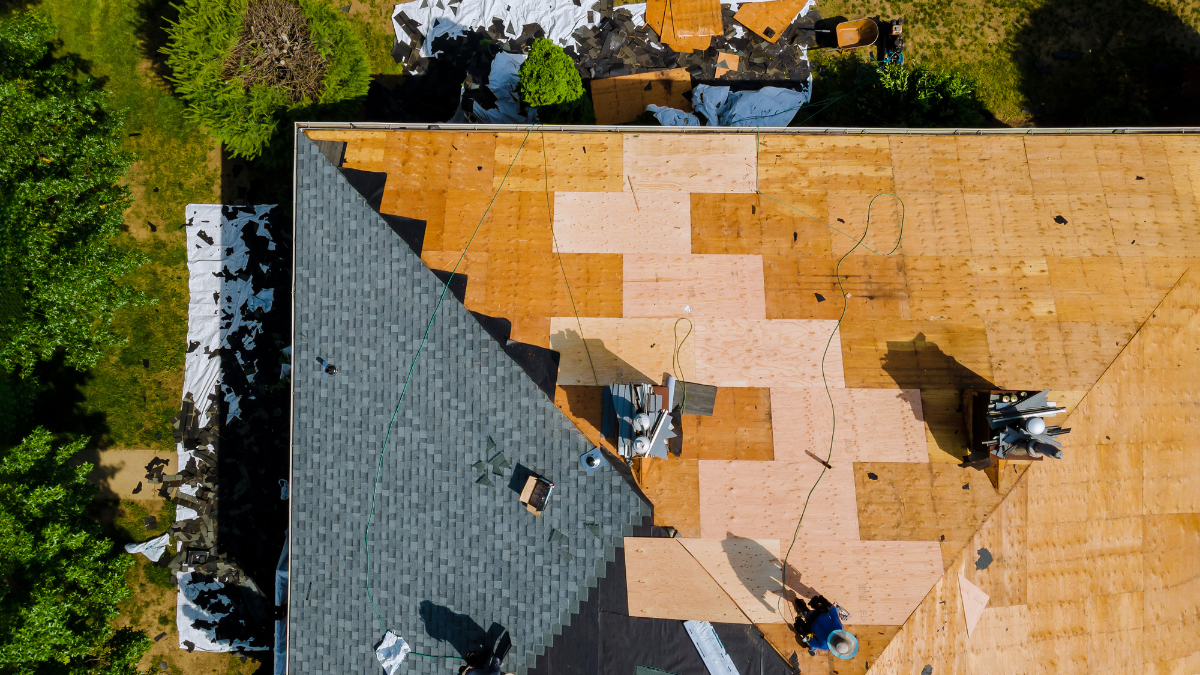
A roof occupies a large portion of a home’s visible exterior, yet its influence on architectural appearance is sometimes underestimated. Color, texture, profile, and visual weight can change how siding, trim, masonry, windows, and other features are perceived together. A thoughtfully planned Roof Replacement can therefore refresh more than the upper surface of the house.

Appearance should not be treated as the only consideration in a major roofing project, but it deserves deliberate attention during product selection. The strongest choices complement the home’s permanent architectural features rather than following a trend that may feel disconnected several years later. Viewing the exterior as one composition helps homeowners make more confident decisions.

Material samples provide a useful starting point, although small samples cannot fully represent a completed surface. Ridge Runner Roofing can help homeowners consider roofing options in relation to the scale and character of the existing structure. Looking at color, texture, surrounding finishes, and viewing distance together creates a clearer picture of the eventual result.

Start With the Home’s Architectural Character

Every house has visual characteristics that influence which roofing styles feel natural. Roof shape, exterior proportions, window patterns, siding details, and decorative elements collectively establish the home’s architectural identity.

A highly textured surface may complement one design while making another appear unnecessarily busy. Similarly, a restrained roofing profile can support architecture where clean lines and simple forms already dominate.

Homeowners should identify the features they want to preserve before comparing colors. This keeps product selection connected to the building rather than allowing one attractive sample to control the entire decision.

Consider the Roof’s Visual Weight

Dark colors can make a roof appear more prominent, while lighter tones may create a different relationship with the walls below. Neither approach is automatically better because proportions vary considerably among houses.

A home with a large, highly visible roof may respond differently to a strong color than a structure where roofing occupies less of the front elevation. The surrounding exterior materials also influence that impression.

Homeowners should evaluate whether the roof should become a noticeable design feature or provide a quieter background. Establishing that preference can narrow the range of suitable options considerably.

Coordinate Roofing With Permanent Exterior Materials

Paint can change relatively easily, but brick, stone, and other permanent materials may remain for decades. Their undertones provide useful guidance when homeowners compare roofing colors.

Look for Relationships Rather Than Exact Matches

Trying to match every exterior color precisely can create a flat appearance. A better strategy often involves selecting tones that relate naturally without making the entire house look like one uniform color.

Ridge Runner Roofing can help place roofing choices within the broader exterior discussion. Considering fixed materials first reduces the chance of choosing a surface that competes visually with features homeowners have no intention of changing.

Compare Samples in Natural Outdoor Light

Indoor lighting can alter how roofing colors appear. A sample viewed beneath showroom lighting may look noticeably different outdoors under direct sun, cloud cover, or late afternoon light.

Homeowners should examine samples near the actual siding, masonry, and trim whenever practical. Viewing them at different times can reveal undertones that were difficult to notice indoors.

Distance matters as well. Roofing products viewed from several feet away often create a different overall impression than individual pieces examined closely by hand.

Think About Siding and Trim Together

Roofing color should not be selected independently from siding and trim. These three surfaces often create the dominant color relationships visible from the street.

A strong contrast can define rooflines and architectural edges clearly. A lower contrast approach may create a softer, more unified exterior appearance.

Neither strategy works universally. Homeowners should decide whether they prefer pronounced definition or subtle coordination before narrowing their roofing choices.

Account for Existing Masonry and Stone

Brick and stone frequently contain several colors rather than one obvious tone. Looking closely may reveal warm, cool, neutral, or mixed undertones that can influence roofing selection.

Choosing based only on the dominant masonry color can overlook these quieter details. A roofing tone that connects with one secondary shade may create a surprisingly cohesive exterior.

Photographs can help homeowners compare combinations without relying entirely on memory. Images taken under similar lighting conditions make differences between potential choices easier to evaluate.

Avoid Letting Short Trends Control the Decision

Exterior design trends can provide inspiration, but roofing materials usually remain in place much longer than fashionable paint colors. A choice that feels distinctive today should still make sense as other exterior preferences change.

Homeowners can ask whether a particular color supports the architecture or simply reflects a currently popular look. That distinction becomes useful when several attractive options remain.

Timeless does not have to mean plain. Texture and color variation can add character while remaining compatible with the home’s fundamental design.

Consider Views From More Than the Street

The front elevation receives considerable attention because it shapes curb appeal, but homeowners experience their property from many directions. Backyard patios, side entrances, neighboring areas, and upper windows may reveal roofing sections differently.

A color that appears subtle from the street may become much more prominent from a rear outdoor space. Roof geometry and elevation influence how much surface is visible from each location.

Walking around the property before making a final selection provides valuable perspective. Homeowners can identify which roof sections dominate the views they encounter most frequently.

Coordinate Planned Exterior Changes

A major exterior project may coincide with future painting, new siding, window changes, or updated trim. Roofing decisions should consider those planned improvements whenever possible.

Choosing the roof first without thinking about upcoming color changes can unnecessarily restrict later design choices. Conversely, having a general exterior palette can make roofing selection much easier.

Ridge Runner Roofing can discuss the roofing portion while homeowners consider how other exterior projects fit into their broader plan. Coordination creates a more intentional finished appearance than selecting each component separately.

Use Contrast to Clarify Architectural Features

Contrast can highlight dormers, gables, trim lines, and other features that give a house character. Too little distinction may cause those elements to blend together, while excessive contrast can make the exterior visually fragmented.

The appropriate balance depends on the architecture. Homes with numerous decorative details may benefit from restraint, whereas simpler exteriors can sometimes support stronger visual separation.

Homeowners should consider which features deserve attention. Roofing should participate in that hierarchy rather than competing equally with every other exterior element.

Remember That Texture Changes From a Distance

Roofing texture can appear pronounced when viewed as a sample but become more unified across a large finished surface. Pattern scale therefore deserves consideration alongside color.

Products with substantial variation may create visual movement across broad roof planes. More consistent surfaces can produce a calmer impression, particularly on houses with complex exterior detailing.

Comparing completed homes with similar architecture can provide useful context. The objective is not to copy another property but to understand how sample characteristics translate to full scale.

Make Appearance Part of a Balanced Decision

Roof Replacement offers a significant opportunity to reconsider how the upper portion of a home relates to everything below it. Color, profile, texture, contrast, and architectural proportions can either strengthen exterior harmony or make individual components feel disconnected.

A successful choice should support both practical roofing requirements and the homeowner’s preferred visual direction. Looking at permanent materials, natural lighting, multiple viewpoints, and future exterior plans provides more useful guidance than selecting from a small sample alone.

The finished roof should feel like a deliberate part of the house rather than a separate surface added afterward. Careful visual planning can preserve architectural character, improve overall balance, and give the exterior a cohesive appearance that remains appealing as other design preferences gradually evolve.
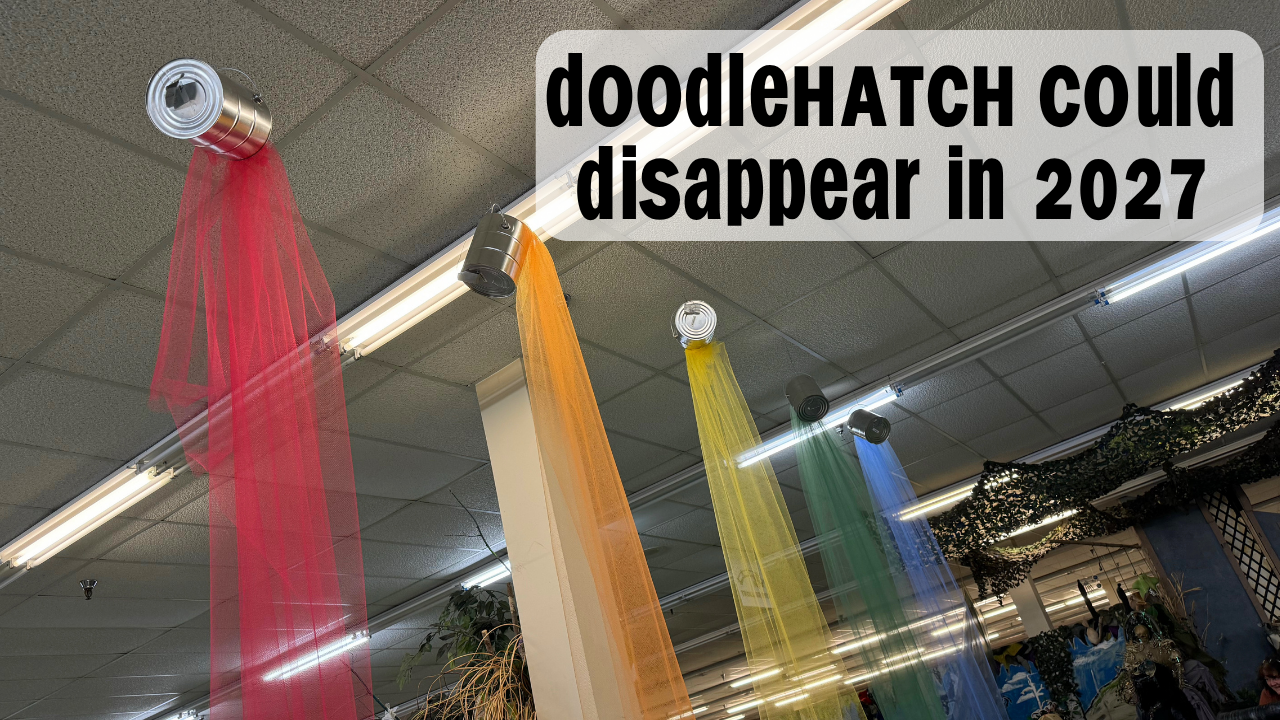
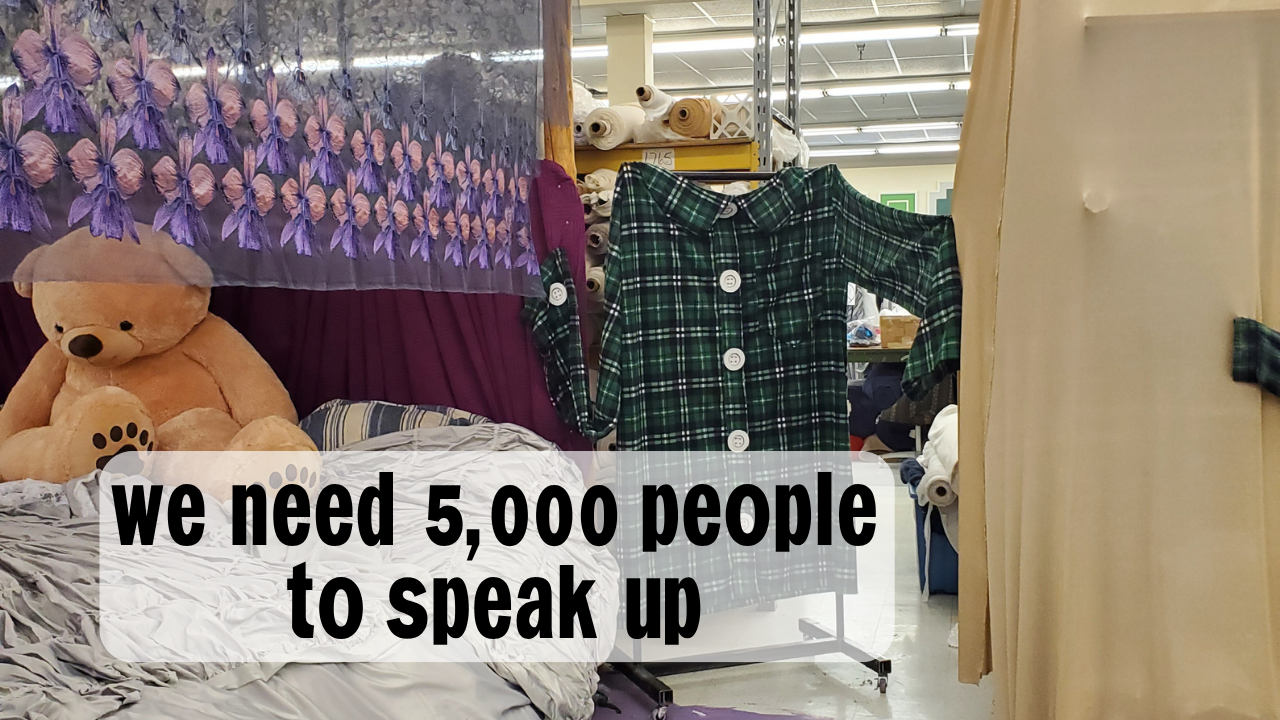
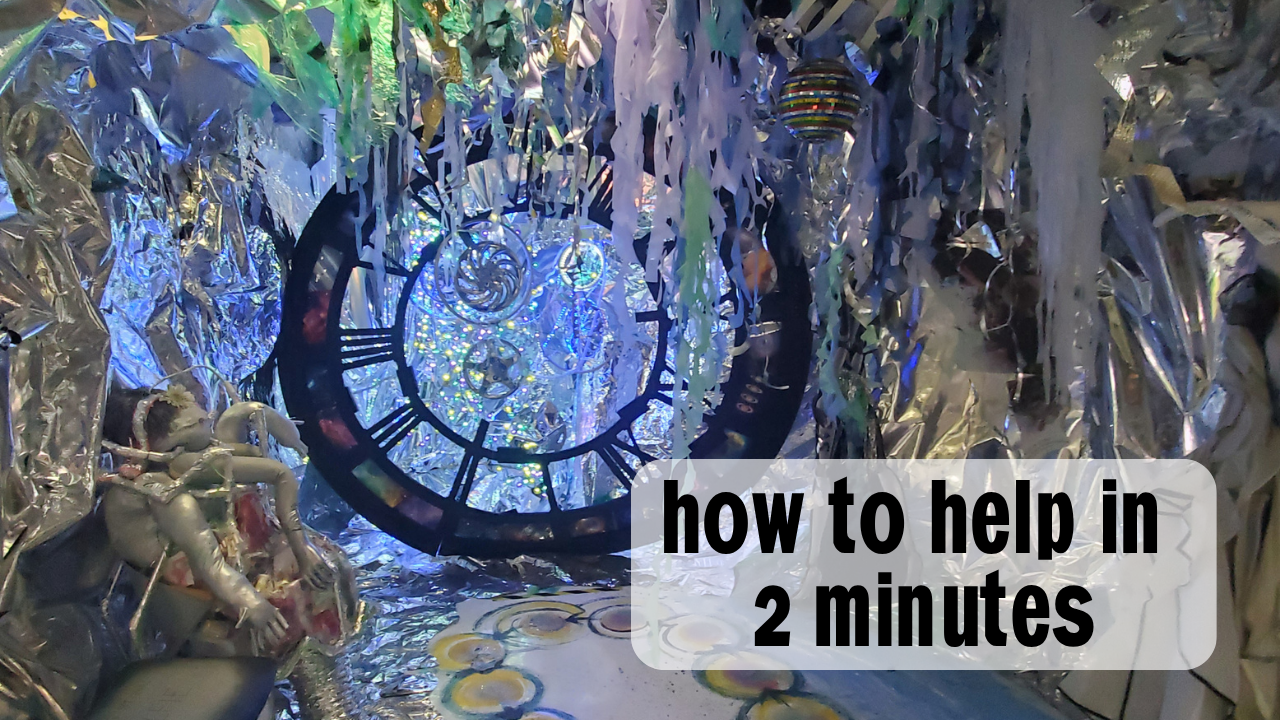
In Columbia, Maryland, there’s a former grocery store that has been transformed into a department store for mythical creatures, time travelers, and intergalactic tourists.

It’s called DoodleHATCH.

You can groom a unicorn, visit an intergalactic space station, climb onto a giant’s bed, meet guinea pigs, explore an artist’s studio, and discover approximately a million other things that somebody actually sat down and made.

It’s a nonprofit interactive art museum, a community project, an educational resource, and one of my favorite places I’ve ever discovered.

And it could be demolished as part of a proposed redevelopment of the Long Reach Village Center.

But there’s still an opportunity to help.

You don’t need to donate money. You don’t need to live in Maryland. And you don’t need to know anything about zoning laws.

You can start by writing an email.

🚨 Here's what's happening

Developer Columbia Concepts has proposed redeveloping the Long Reach Village Center in Columbia, Maryland.

The proposal would replace existing buildings with new housing, recreational facilities, and other development.

Unfortunately, that puts a whole collection of existing community resources at risk of being demolished, including:

  • DoodleHATCH Interactive Art Museum
  • Maryland Fashion Institute
  • A makerspace used for community education
  • Local restaurants, shops, and service businesses
  • Early childhood education and community programs
  • A 140-foot-long mural created by approximately 100 community members

This isn’t just about losing a fabulous museum. It’s about losing an entire collection of places that people have built, supported, and relied on.

And there’s another possibility!

🌈 Meet The REALM

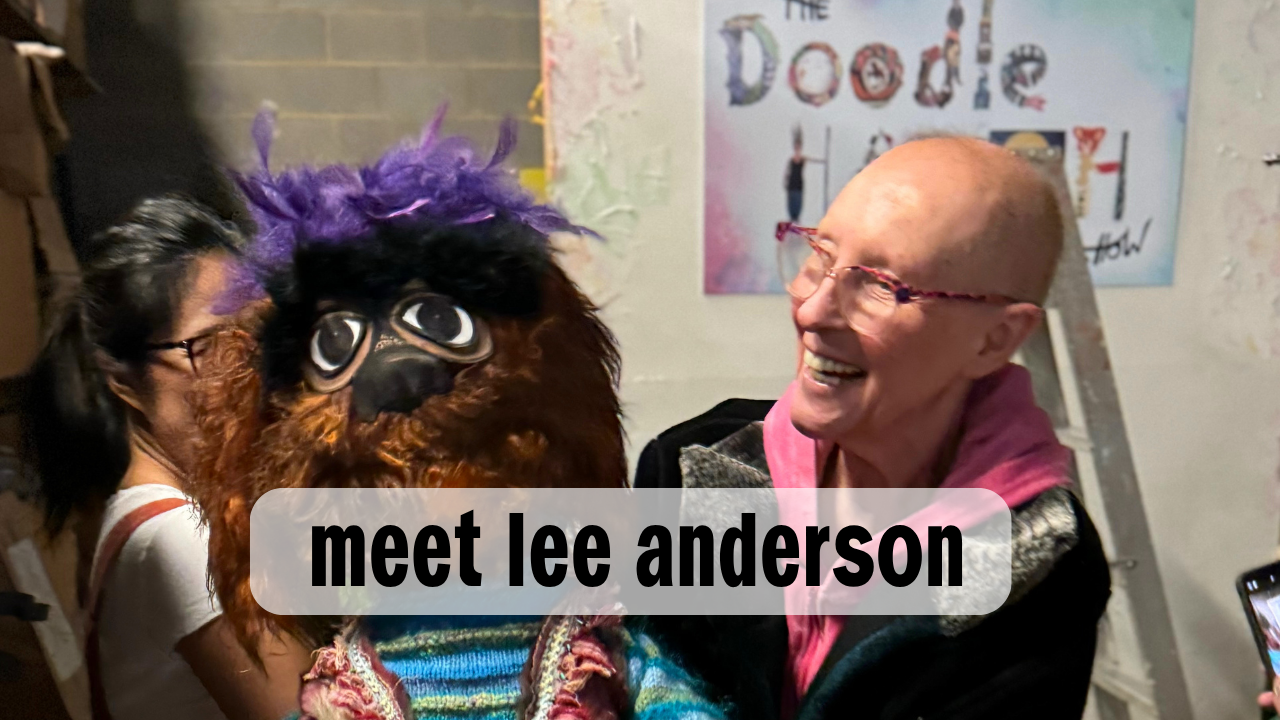
Lee Andersen, the founder of DoodleHATCH, and her nonprofit ManneqART want to preserve the existing community resources and transform the village center into an arts and culture destination called The REALM.

Imagine a place where artists have studios, children have room to explore, students can learn creative skills, people can attend performances, and local businesses continue serving their neighbors.

There are plans for a performing arts space, more opportunities for artists, and a Witches Kitchen that might serve you a horrible-disgusting breakfast.

Which, personally, I think sounds promising.

The people behind DoodleHATCH are gathering support to oppose the developer’s zoning proposal and advocate for The REALM.

And they’d love your help.

💌 How to help in about two minutes

If you live in Howard County, Maryland

If you’re 18 or older, DoodleHATCH is asking eligible county residents to visit the museum and sign their petition in person.

📍DoodleHATCH Interactive Art Museum

8775 Cloudleap Court, Unit 101
Columbia, MD 21045

⏱️ Museum hours: Friday–Sunday, 10 AM–5 PM.

And while you’re there, I highly recommend exploring the museum. Bring someone who needs a reminder that being an adult doesn’t mean you have to stop enjoying ridiculous things.

If you don't live in Howard County

You can still help!

DoodleHATCH is collecting emails from people who oppose the proposed Columbia Concepts redevelopment and support preserving the existing arts and community resources through The REALM.

Send your email to: Lilou@DoodleHATCH.com

Suggested subject: Support The REALM | Oppose Columbia Concepts Zoning Proposal ZB 1132M

You can write your own message or use one of the templates below.

You don’t need to write an essay. A short, genuine message explaining what you support and why is enough to participate in this email campaign.

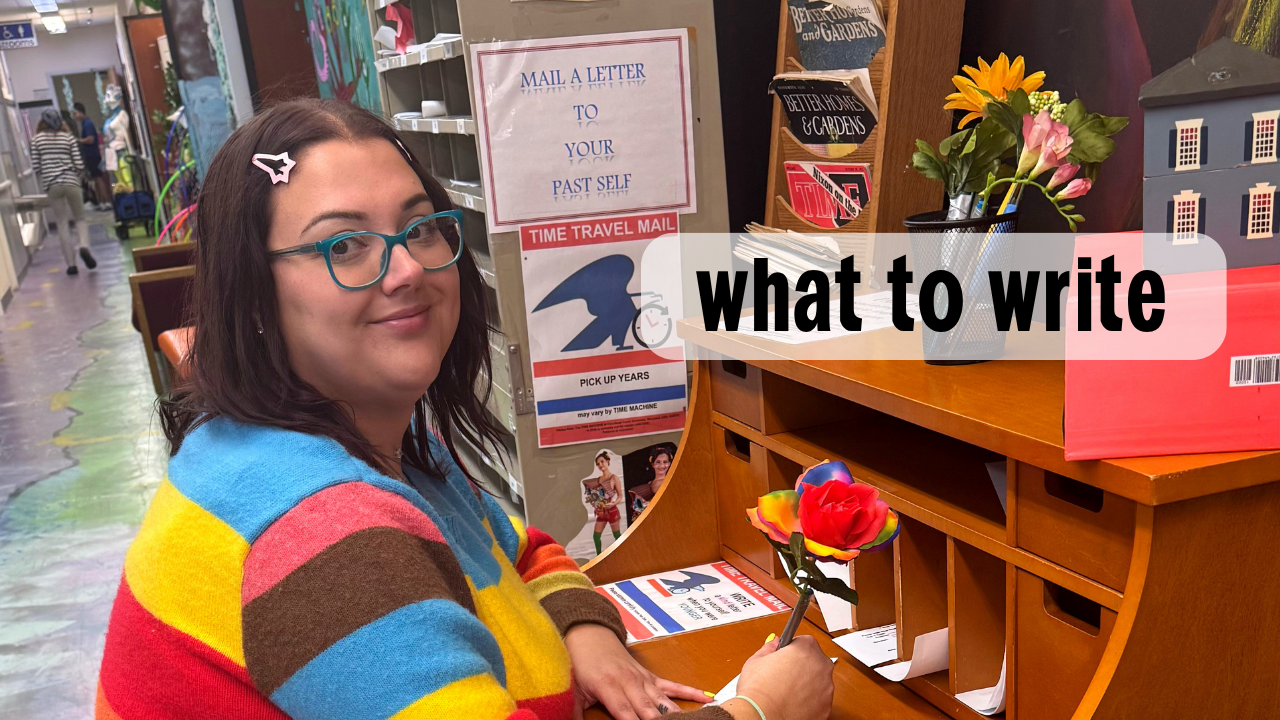
✍️ What should your email say?

To make your position clear, include these three things:

1. Say what you’re opposing.

State that you oppose the proposed Columbia Concepts redevelopment and zoning amendment for the Long Reach Village Center, case ZB 1132M.

2. Say what you’re supporting.

Express your support for preserving DoodleHATCH, the Maryland Fashion Institute, existing community resources, and the proposed arts and culture center called The REALM.

3. Explain why you care.

This is the part that makes your email yours.

Maybe you’ve visited DoodleHATCH. Maybe you’re a parent who wants more creative places for children. Maybe you’re an artist, an educator, or someone who thinks it’s important to protect the few spaces where people can explore and make things without needing to buy something.

Maybe you live across the country and just learned that there’s a department store for mythical creatures in Maryland, and you think the world would be a little less interesting without it.

That’s a perfectly good reason to care.

💌 Email templates you can copy

Option 1: Short, simple, and effective

Subject: Support The REALM | Oppose ZB 1132M

Hello,

I’m writing to express my opposition to the proposed Columbia Concepts zoning amendment and redevelopment of the Long Reach Village Center (ZB 1132M).

I support preserving DoodleHATCH, the Maryland Fashion Institute, and the existing community services and small businesses, as well as the proposal to create The REALM arts and culture center.

Creative and educational spaces like these provide valuable opportunities for families, artists, students, and the wider community. I believe they deserve to be protected.

Please include my email with the messages of support being collected for DoodleHATCH and The REALM.

Thank you,

[Your Name]
[Your City/State]

Option 2: For artists, creatives, and fellow merriment makers

Subject: Please Protect DoodleHATCH and Support The REALM

Hello,

I’m writing in opposition to Columbia Concepts’ proposed redevelopment and zoning amendment for the Long Reach Village Center (ZB 1132M), and in support of The REALM.

I believe communities need places where creativity, imagination, and play are actively encouraged.

DoodleHATCH is an extraordinary example of what can happen when artists and community members are given room to create something that doesn’t fit into an ordinary commercial space.

Places like this are rare. They encourage people of all ages to experiment, learn, explore, and connect with one another.

I support preserving DoodleHATCH, the Maryland Fashion Institute, the existing community resources, and the vision for The REALM.

Thank you for collecting these messages and advocating for the creative community.

[Your Name]
[Your City/State]

Option 3: For people who've visited DoodleHATCH

Subject: Please Save DoodleHATCH | Oppose ZB 1132M

Hello,

I’m writing to express my opposition to the proposed Columbia Concepts redevelopment and zoning amendment for the Long Reach Village Center (ZB 1132M), and my support for The REALM.

I’ve personally visited DoodleHATCH, and I want to share why I believe it’s worth preserving.

[Write two or three sentences about your experience. What did you see? Who did you bring? What surprised you? What made you want to return?]

DoodleHATCH is more than a collection of exhibits. It’s a place where creativity is something people can actively participate in, and I believe losing it would be a tremendous loss to the community.

I support preserving the museum, the Maryland Fashion Institute, and the other existing community resources through the proposed arts and culture center, The REALM.

Please include my email with the messages of support you’re collecting.

Thank you,

[Your Name]
[Your City/State]

A few tips before you hit send

DO:

  • Use your real name.

  • Include your city and state so organizers can understand where support is coming from.

  • Clearly identify the redevelopment proposal you’re opposing.

  • Specifically mention your support for The REALM.

  • Add a personal sentence or two if you can.

  • Be respectful, even if you’re frustrated.

  • Share this page with other people who might want to help.

DON’T:

  • Pretend to be a Howard County resident if you’re not.

  • Claim to have visited DoodleHATCH if you haven’t.

  • Make up experiences or information.

  • Send threatening, insulting, or harassing messages.

  • Assume your email is the same thing as signing the official petition.

  • Worry about making your message sound impressive. Clear and genuine is better than elaborate.

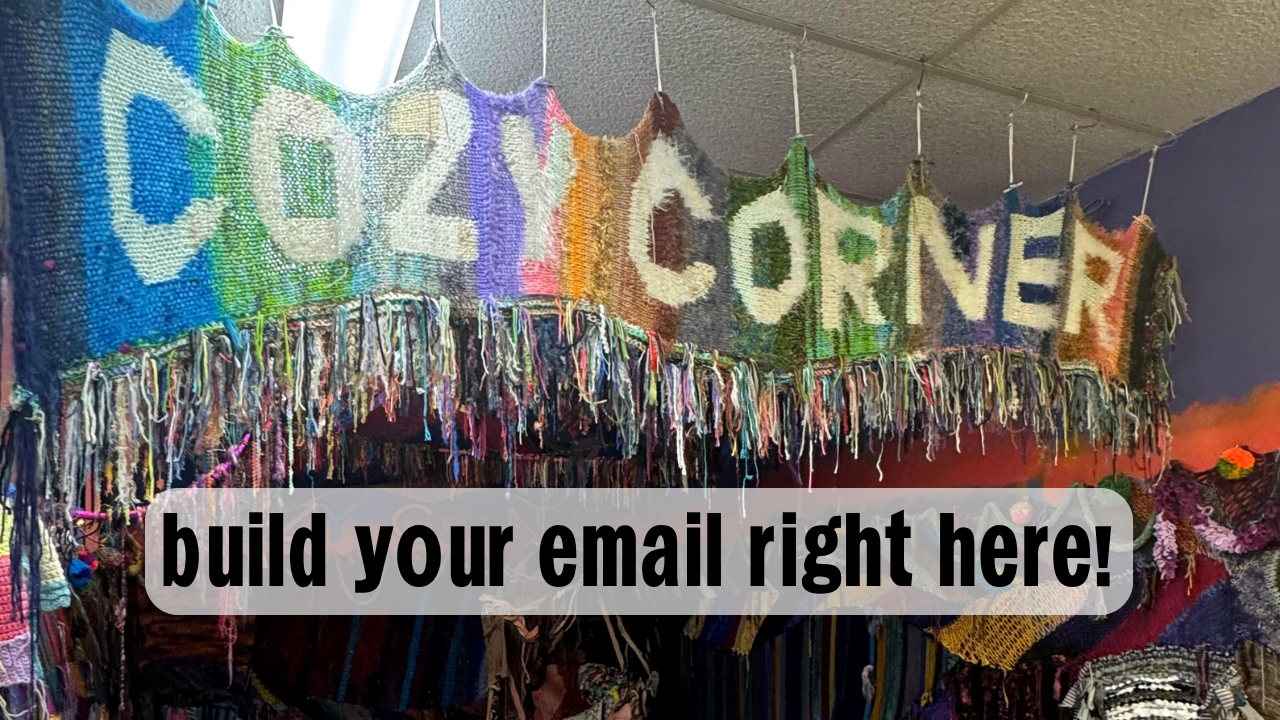
💌 The Save DoodleHATCH Email Machine

A few clicks, a little personality, and an email that helps support DoodleHATCH and The REALM. No account or signup required.

What's your connection to DoodleHATCH?
Why does protecting places like this matter to you?
✨ Your email preview
To: Lilou@DoodleHATCH.com
Subject:

Your information stays in your browser until you choose to copy or open the message. The email does not send automatically. Emails support DoodleHATCH's advocacy campaign; they are not the same as official petition signatures or zoning testimony. Please review the message before sending.

🐹 Wait. What exactly is DoodleHATCH?

I’m so glad you asked.

DoodleHATCH is an interactive art museum in Columbia, Maryland, created by artist, designer, and professional generator of wildly ambitious ideas, Lee Andersen.

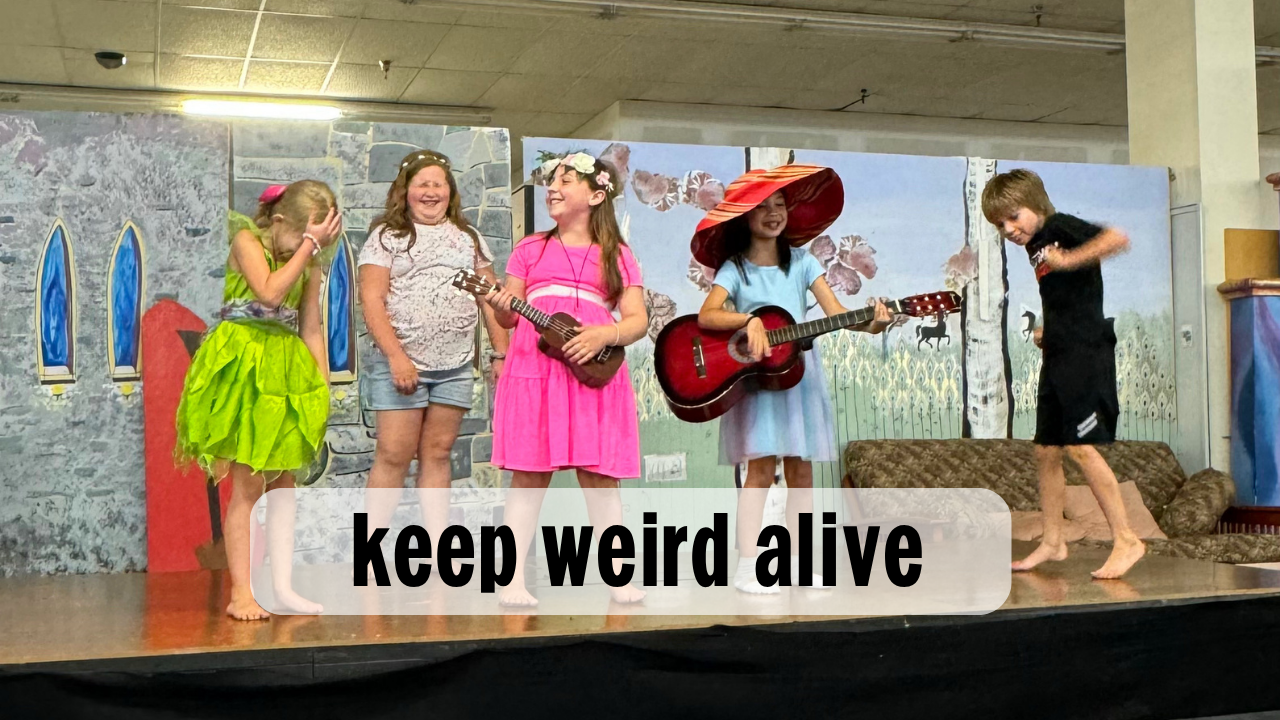
The museum is designed as a pretend department store for mythological creatures, time travelers, and galactic tourists.

There are dozens of installations, and unlike most museums, you’re encouraged to touch things, explore, and participate.

There’s also an artist’s studio full of fabric and handmade garments, workshops, special events, birthday parties, free books, and opportunities for local artists to share their work.

The museum welcomes families and children, but adults are absolutely allowed to enjoy themselves, too.

And the woman behind it has spent decades bringing creativity into the community through fashion, festivals, education, and public art.

I discovered DoodleHATCH in 2020 and loved it so much that I started volunteering.

I’ve been back multiple times, and there are still things I haven’t seen.

That’s part of what makes it special. You can keep discovering things because people keep creating them.

You don't have to live near DoodleHATCH to care about it.

There are Merriment Makers everywhere.

People turning empty buildings into art spaces. People organizing parades. People teaching kids how to sew, paint, dance, or build things. People putting enormous amounts of time into projects that make their communities more interesting.

Sometimes they’re running nonprofits. Sometimes they’re working out of their garages. Sometimes they’re making something weird in a strip mall that you might drive past a hundred times without realizing what’s inside.

I hope you’ll help protect DoodleHATCH.

And I hope you’ll look around your own community, too. Visit the strange little museum. Go to the local art show. Find the person who makes giant puppets or organizes an absurd annual festival. Spend your money at the independent shop with the handmade things.

There are people everywhere creating reasons for us to be curious about being alive.

I’d like them to be able to keep doing that.

Help save DoodleHATCH. Help protect The REALM. Help keep the world interesting.

💌 Email: Lilou@DoodleHATCH.com

🌈 Visit: DoodleHATCH.com

🦄 Share: Uncustomary.org/Doodle