
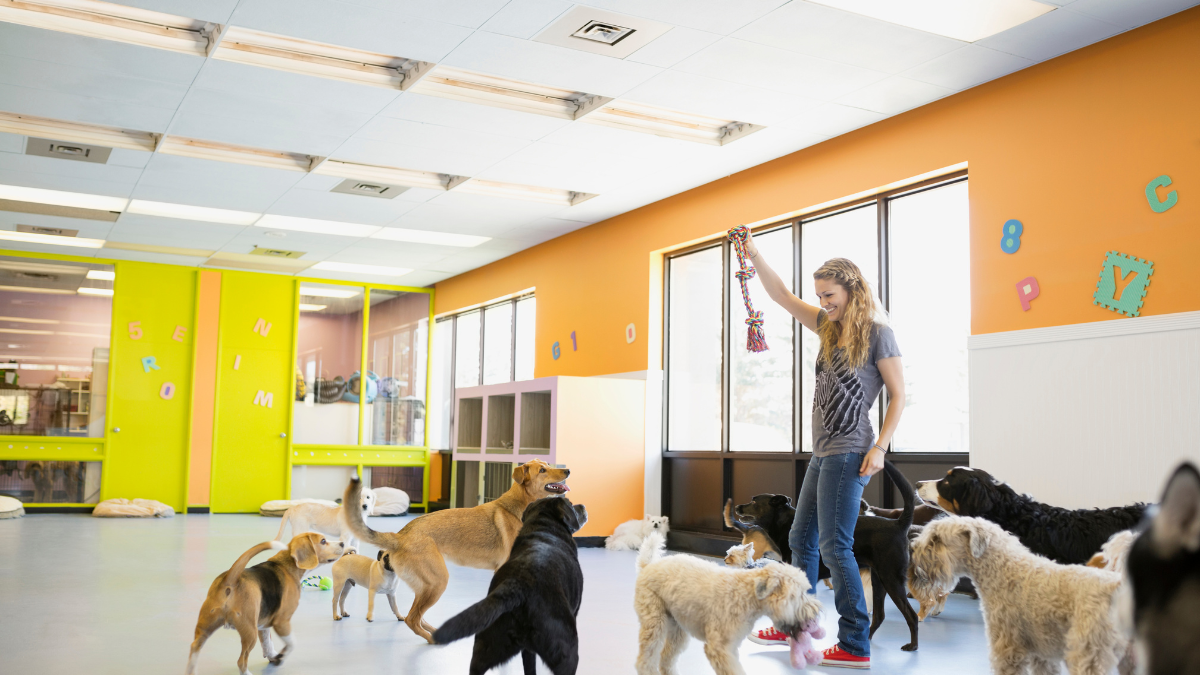
Long workdays can create a difficult scheduling gap for dog owners. Morning and evening walks may provide useful activity, but many dogs still spend several hours with limited opportunities for movement or engagement. The challenge becomes greater for active dogs that enjoy regular interaction and have energy to use throughout the day.
A structured dog daycare routine can give dogs productive ways to spend those daytime hours. Rather than concentrating activity into one short period, a balanced schedule can include movement, supervised interaction, breaks, and opportunities to settle. This type of routine is particularly useful for owners whose work schedules make daytime activity difficult to provide consistently.
Every dog has different needs, so productive care should not mean constant stimulation. Age, personality, energy level, comfort around other dogs, and previous experiences can influence what makes a good day. Karnik Pet Lodge at Maple Village can consider these individual differences when helping dogs follow an organized daytime routine away from home.
Look Beyond Simply Filling the Hours
Daytime care should provide more than a way to prevent a dog from being alone. Dogs benefit when their hours away from home have some structure instead of becoming one continuous period of excitement. A predictable routine can help them understand when it is time to move, interact, and rest.
The right balance depends heavily on the individual dog. A young, energetic pet may enjoy more active periods, while an older or quieter dog may prefer shorter sessions with additional downtime. Treating every dog exactly the same can overlook these differences.
Owners can think about what they want daytime care to accomplish. Some dogs need an appropriate outlet for energy, while others may benefit from supervised interaction or a predictable change from staying home. Defining the purpose makes it easier to evaluate whether a routine fits.
Start the Day With a Calm Transition
A productive day does not need to begin with immediate high-energy activity. Dogs arriving in a different environment may need a little time to adjust to the sights, sounds, people, and other animals around them. A calmer transition can help the day begin without unnecessary pressure.
Owners can support this transition by keeping morning routines reasonably predictable. Sudden changes in feeding, exercise, or departure habits may make an already different day feel more unusual. Familiar patterns before leaving home can provide useful consistency.
Karnik Pet Lodge at Maple Village can use information about a dog’s normal behavior to understand how the pet typically approaches new or active situations. Clear communication from owners provides useful context when determining how a dog may settle into the day’s schedule.
Match Activity to Energy Instead of Encouraging Constant Play
Dogs need physical activity, but more movement is not automatically better. An effective dog daycare schedule should recognize that healthy routines include periods of activity and recovery. Continuous excitement can be tiring, particularly for dogs that struggle to settle on their own.
Consider Age and Normal Activity Levels
Puppies, adult dogs, and senior dogs can have very different energy patterns. Even dogs of similar ages may vary considerably depending on personality, health, and daily habits. Owners should describe what normal activity looks like at home rather than assuming age alone determines the right routine.
A dog that enjoys long walks may have different needs from one that prefers several shorter periods of movement. Understanding these patterns helps create a more suitable balance. The objective is meaningful activity, not simply keeping the dog moving for as long as possible.
Allow Time for Quiet Breaks
Rest provides a natural counterbalance to active periods. Dogs need opportunities to relax after movement and stimulation, just as they do at home. Scheduled breaks can help prevent the entire day from becoming overly demanding.
Quiet periods may also make transitions between activities easier. A dog that has time to settle can approach the next part of the schedule with a different energy level. Balanced days include both engagement and opportunities to pause.
Use Supervised Interaction With Individual Comfort in Mind
Some dogs enjoy spending time around other dogs, while others are more selective. Personality, previous social experiences, play style, and confidence can all influence how a dog responds. Productive interaction therefore requires more thought than simply placing dogs together.
Careful observation can help determine whether a dog appears comfortable during shared activities. Size alone does not describe play style, and energy level alone does not explain temperament. Several characteristics may need to be considered when organizing appropriate interactions.
Owners should provide accurate information about their dog’s behavior around unfamiliar pets. Describing both positive experiences and known difficulties gives caregivers a more complete picture. Honest communication supports better decisions than presenting an idealized version of the dog’s behavior.
Give Mental Engagement a Place in the Routine
Physical movement is only one form of productive activity. Dogs also use energy when exploring, responding to new situations, interacting appropriately, and paying attention to their surroundings. Mental engagement can add variety without requiring nonstop physical play.
Changes in environment naturally provide different sights, smells, and experiences from those available at home. These experiences can keep a dog’s day interesting while remaining part of an organized routine. The appropriate level of stimulation still depends on the individual pet.
Karnik Pet Lodge at Maple Village can support structured daytime experiences that recognize dogs as individuals rather than assuming one activity pattern suits everyone. A useful routine gives dogs appropriate engagement while preserving opportunities for rest.
Keep Meals and Feeding Instructions Consistent
Dogs attending care during long workdays may have feeding needs that overlap with their time away from home. Owners should provide clear information about any meals required during the day and follow the facility’s procedures for food. Consistency reduces unnecessary changes to familiar habits.
Dietary restrictions or relevant feeding instructions should be communicated before the visit. Owners should not rely on a rushed explanation during arrival when details could easily be missed. Written or formally recorded information creates a clearer reference.
Feeding schedules can also influence activity planning. Dogs may need appropriate time around meals rather than moving directly between eating and energetic activity. A well-organized day considers feeding as part of the larger routine.
Watch How Your Dog Responds After Returning Home
A dog’s behavior after daytime care can give owners useful information. Some dogs may return home ready to relax after a full day, while others may settle after following their normal evening routine. Individual responses can vary from one pet to another.
Owners should avoid judging the entire experience based on a single expectation, such as assuming the dog must immediately fall asleep. Instead, they can observe appetite, normal behavior, willingness to rest, and general comfort. Patterns over several visits may provide more useful information than one evening.
If something seems unusual, owners can communicate with caregivers and ask about the dog’s day. Sharing observations in both directions can help everyone understand how the routine is working. Adjustments may be appropriate as the dog’s needs become clearer.
Build Daytime Care Around a Realistic Weekly Schedule
Not every dog needs daytime care every working day. Some owners may use it on particularly long office days, while others may establish a more regular weekly pattern. The schedule should reflect the dog’s needs as well as the family’s routine.
Consistency can be helpful because familiar patterns make days easier to anticipate. However, owners should avoid choosing a frequency simply because another household follows it. Differences in age, activity, home environment, and owner schedules can make one arrangement suitable for one dog but unnecessary for another.
A realistic plan should also work alongside walks, home interaction, rest, and other forms of care. Daytime services are one part of a dog’s overall routine rather than a replacement for the relationship and activities shared with the family.
Adjust the Routine as Your Dog Changes
A dog’s daytime needs can change over time. A young dog may initially have substantial energy, while later years may bring a preference for gentler activity and longer rest periods. Changes in health, confidence, household schedules, or behavior can also affect what works.
Owners can periodically reconsider whether the current arrangement still suits their pet. A routine that was useful a year ago should not continue automatically if the dog’s needs have changed. Observing behavior and maintaining communication can guide sensible adjustments.
Professional dog daycare works best when it provides purposeful structure rather than simply filling the hours between morning departure and evening pickup. Balanced activity, suitable interaction, mental engagement, feeding consistency, and quiet breaks can all contribute to a productive day.
For owners managing long work schedules, thoughtful daytime care can become one part of a practical weekly routine. The strongest approach respects the dog’s individual energy and comfort instead of expecting constant activity. By watching how a pet responds and adjusting the schedule over time, families can create daytime routines that remain useful as both household demands and the dog’s needs evolve.