Fast Decisions Shrink Your Options

by | Sep 17, 2026 | How To | 0 comments

Fast decisions do not just end uncertainty. They create room. Most people think of a decision as a closing door, and that is true to a point. The moment you choose, you give up other paths. But that is not always a loss. In many parts of life, especially when stress is high, shrinking your options is exactly what allows you to move, think, and learn again. A messy middle with endless possibilities can feel productive, but often it is just mentally expensive.

A fast decision can be useful because it replaces vague worry with a real next step. That matters whether you are choosing a job lead, setting a household rule, or deciding how to handle money pressure. If your finances are weighing on you, even starting to explore debt relief can turn a giant fog of “maybe” into a smaller set of concrete choices. That does not solve everything in one shot, but it does something powerful. It gives your brain a place to stand.

The hidden benefit of deciding quickly is not speed for its own sake. It is that action creates information. Before you choose, you are guessing about outcomes. After you choose, you begin collecting evidence from real life. That evidence is often more valuable than another week of overthinking.

Why too many options can quietly drain you

People usually talk about choice as freedom. More options, more control, more chances to get it right. But in daily life, too many live options can create friction. Every open possibility demands attention. Every unmade choice asks for another round of comparison. You start evaluating instead of living.

This is why a simple decision can feel like a wave of relief. The relief is not always about being sure you picked the perfect answer. It is about no longer carrying ten imaginary futures in your head at once. When you decide, you stop renting out mental space to roads you are not taking.

That is especially true with personal goals. If you are trying to get healthier, improve your budget, or fix a stressful routine, keeping twenty plans on the table can become its own form of avoidance. You tell yourself you are still “figuring it out,” but what you may really be doing is protecting yourself from the discomfort of committing.

Commitment teaches faster than contemplation

There is a practical reason fast decisions can be smart. Reality gives better feedback than speculation. You can sit with a notebook and rank pros and cons for days, but at some point, only action will show you what actually works in your life.

This idea shows up in structured approaches to decision making, which emphasize examining alternatives, making a choice, and then learning from the results. The basic process is not about waiting forever for perfect certainty. It is about moving forward with the best available information and improving from there. Illinois Extension’s guidance on difficult decisions also stresses thinking critically, checking for missing facts, and learning from past errors, which is a useful reminder that progress depends on reflection after action, not just reflection before action.

In other words, the value of a decision is not only in the answer. It is in the feedback loop that starts once the answer is tested.

The real enemy is often decision residue

One underappreciated problem is decision residue. That is the mental drag created by choices that are technically available but practically unresolved. You keep revisiting them in the shower, while driving, or at 2 a.m. when your mind suddenly wants to review every possible scenario.

Fast decisions cut down that residue. They tell your mind, “We are doing this now.” That frees attention for the work that follows. Instead of asking, “What should I do?” you get to ask, “How do I make this work?” That second question is usually more useful.

This is not an argument for reckless choices. It is an argument for recognizing when extended deliberation has stopped being helpful. If you already understand the stakes, know your basic values, and have enough information to avoid obvious mistakes, more delay may not improve the outcome much. It may just increase your stress.

Smaller options can make you more adaptable

It sounds backward, but reducing your options can make you more flexible. When everything is still undecided, you are not adapting. You are hovering. Adaptation begins after commitment, when you respond to what the real world gives back.

This is a core idea in decision making under uncertainty. In fields where people cannot know everything in advance, action and monitoring are often part of the learning process. The U.S. Forest Service has described how structured decisions and follow up learning help people compare alternatives, manage uncertainty, and improve future choices. You can see that same logic in everyday life. A budget is not final truth. It is a test. A career move is not a prophecy. It is a data point. The U.S. Forest Service’s discussion of decision processes reflects this broader principle that decision making improves when choices are connected to observation, adjustment, and continued learning.

That mindset is incredibly helpful when a decision feels heavy. You do not have to treat every choice as permanent proof of who you are. Many decisions are better understood as experiments with consequences. Serious ones, yes, but still experiments that teach you something.

Fast does not mean careless

The best fast decisions are usually built on a few stable filters. What matters most here. What is reversible. What can I learn quickly. What risk is acceptable. Those questions help you move without pretending uncertainty has disappeared.

For example, if a choice is reversible, there is less reason to agonize over it. If it is high impact and hard to undo, then it deserves more care, but still not endless spiraling. You gather solid facts, choose a direction, and let experience sharpen your next move.

This approach is especially useful in financial stress, because anxiety loves open loops. When bills, balances, and deadlines are hanging over you, leaving every possible strategy alive can make the problem feel larger than it is. Choosing one reasonable next step, even if it is just making a call, reviewing a statement, or getting professional information, shrinks the emotional size of the problem.

A closed door can be a clean beginning

We tend to romanticize open doors. But a closed door has its own gift. It lets you stop auditioning lives you are not living. It lets effort collect in one place. It turns identity from a theory into a practice.

That is why fast decisions can be so effective. They narrow the field, but they widen your ability to act. They remove some possibilities, but they increase contact with reality. And once reality enters the picture, learning gets faster, fear gets more specific, and progress becomes easier to measure.

So yes, fast decisions shrink your options. That is exactly why they can move your life forward. They trim the branches so the tree can grow where it is rooted. They replace endless possibility with useful momentum. And in a world where mental energy is limited, that is not a small advantage.
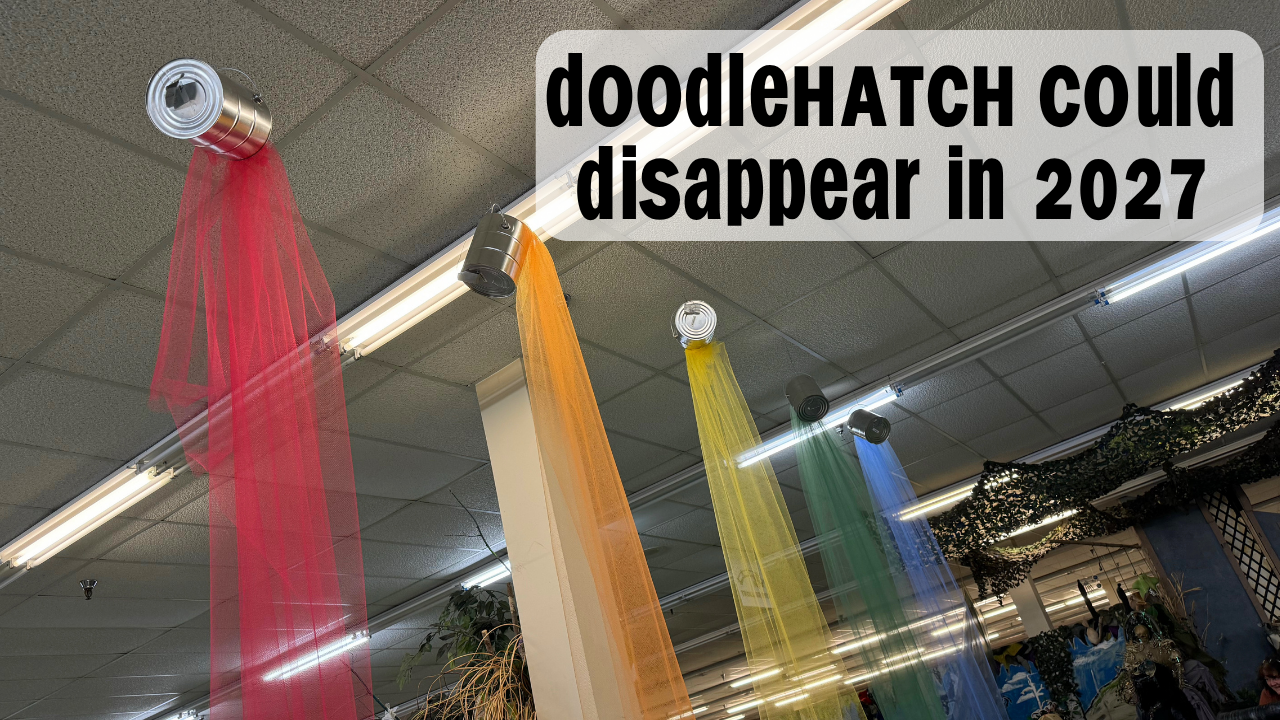
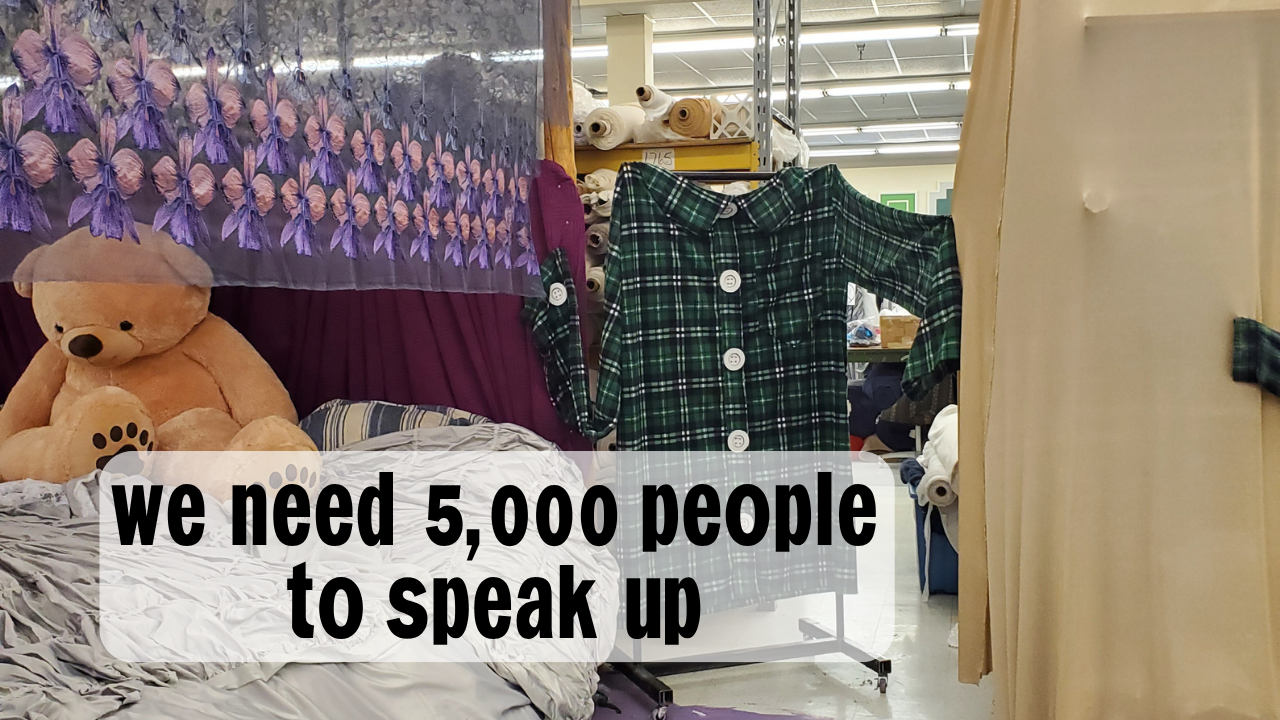
In Columbia, Maryland, there’s a former grocery store that has been transformed into a department store for mythical creatures, time travelers, and intergalactic tourists.

It’s called DoodleHATCH.

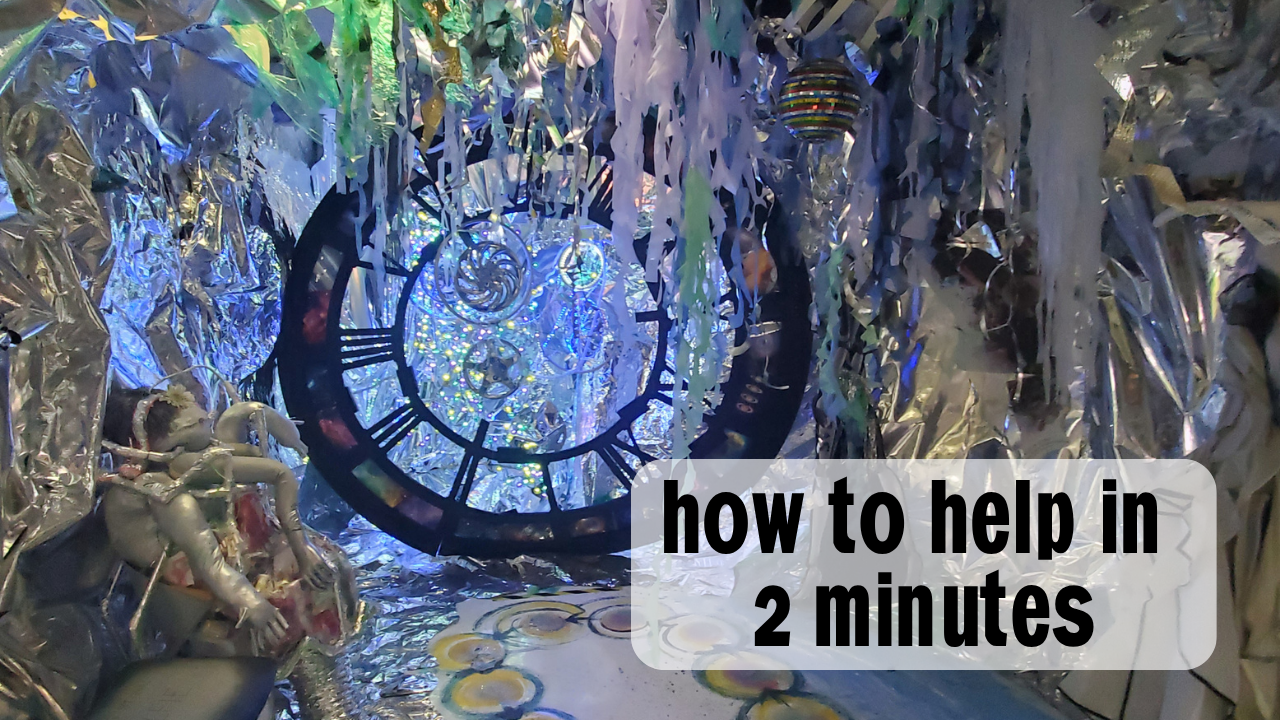
You can groom a unicorn, visit an intergalactic space station, climb onto a giant’s bed, meet guinea pigs, explore an artist’s studio, and discover approximately a million other things that somebody actually sat down and made.

It’s a nonprofit interactive art museum, a community project, an educational resource, and one of my favorite places I’ve ever discovered.

And it could be demolished as part of a proposed redevelopment of the Long Reach Village Center.

But there’s still an opportunity to help.

You don’t need to donate money. You don’t need to live in Maryland. And you don’t need to know anything about zoning laws.

You can start by writing an email.

🚨 Here's what's happening

Developer Columbia Concepts has proposed redeveloping the Long Reach Village Center in Columbia, Maryland.

The proposal would replace existing buildings with new housing, recreational facilities, and other development.

Unfortunately, that puts a whole collection of existing community resources at risk of being demolished, including:

  • DoodleHATCH Interactive Art Museum
  • Maryland Fashion Institute
  • A makerspace used for community education
  • Local restaurants, shops, and service businesses
  • Early childhood education and community programs
  • A 140-foot-long mural created by approximately 100 community members

This isn’t just about losing a fabulous museum. It’s about losing an entire collection of places that people have built, supported, and relied on.

And there’s another possibility!

🌈 Meet The REALM

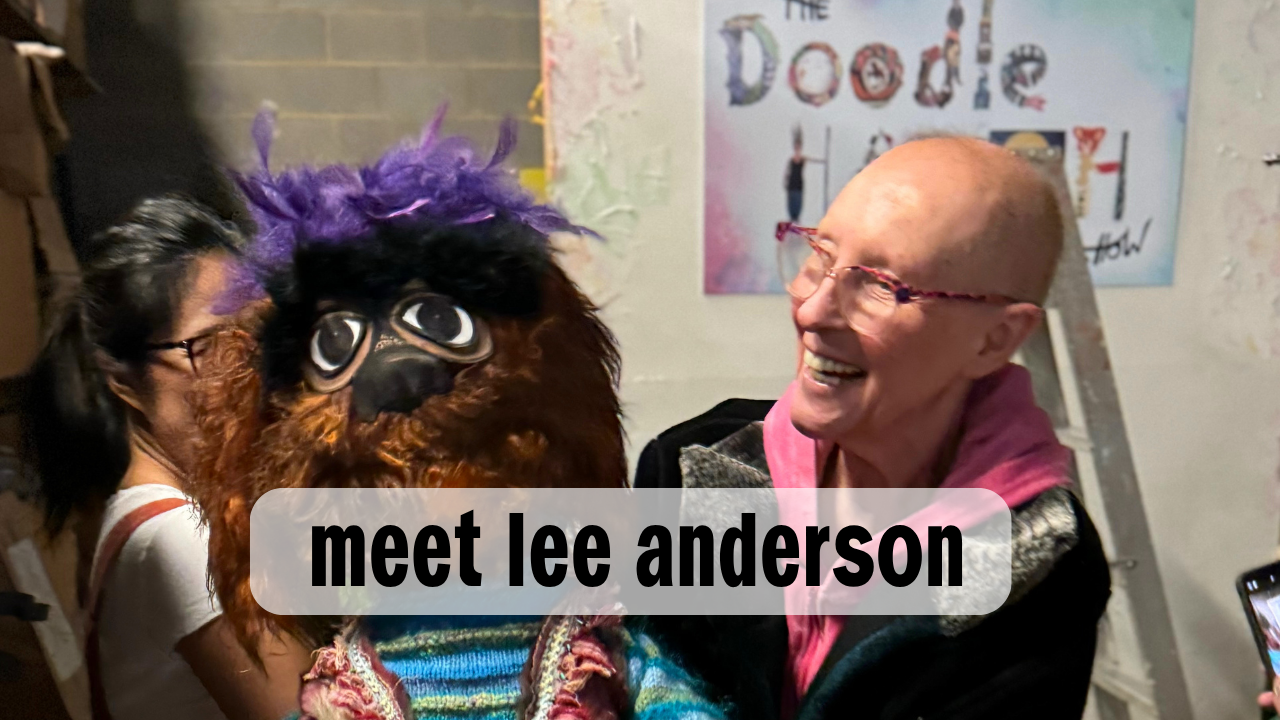
Lee Andersen, the founder of DoodleHATCH, and her nonprofit ManneqART want to preserve the existing community resources and transform the village center into an arts and culture destination called The REALM.

Imagine a place where artists have studios, children have room to explore, students can learn creative skills, people can attend performances, and local businesses continue serving their neighbors.

There are plans for a performing arts space, more opportunities for artists, and a Witches Kitchen that might serve you a horrible-disgusting breakfast.

Which, personally, I think sounds promising.

The people behind DoodleHATCH are gathering support to oppose the developer’s zoning proposal and advocate for The REALM.

And they’d love your help.

💌 How to help in about two minutes

If you live in Howard County, Maryland

If you’re 18 or older, DoodleHATCH is asking eligible county residents to visit the museum and sign their petition in person.

📍DoodleHATCH Interactive Art Museum

8775 Cloudleap Court, Unit 101
Columbia, MD 21045

⏱️ Museum hours: Friday–Sunday, 10 AM–5 PM.

And while you’re there, I highly recommend exploring the museum. Bring someone who needs a reminder that being an adult doesn’t mean you have to stop enjoying ridiculous things.

If you don't live in Howard County

You can still help!

DoodleHATCH is collecting emails from people who oppose the proposed Columbia Concepts redevelopment and support preserving the existing arts and community resources through The REALM.

Send your email to: Lilou@DoodleHATCH.com

Suggested subject: Support The REALM | Oppose Columbia Concepts Zoning Proposal ZB 1132M

You can write your own message or use one of the templates below.

You don’t need to write an essay. A short, genuine message explaining what you support and why is enough to participate in this email campaign.

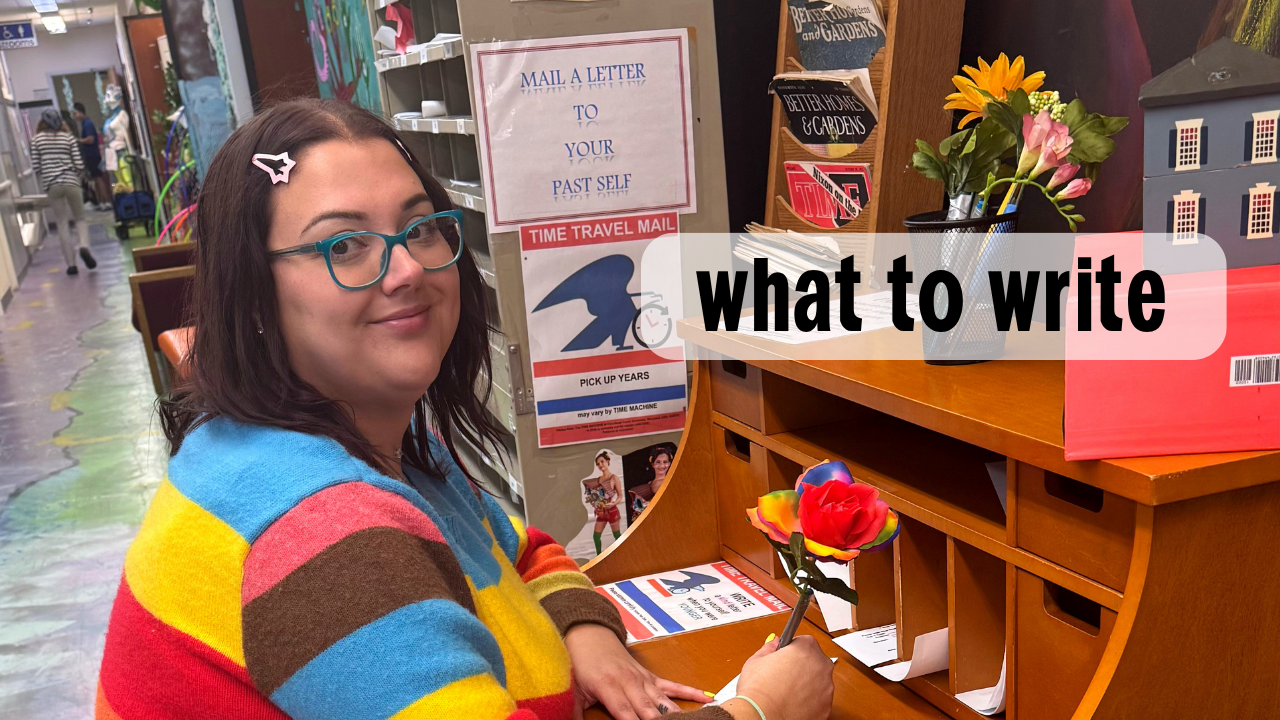
✍️ What should your email say?

To make your position clear, include these three things:

1. Say what you’re opposing.

State that you oppose the proposed Columbia Concepts redevelopment and zoning amendment for the Long Reach Village Center, case ZB 1132M.

2. Say what you’re supporting.

Express your support for preserving DoodleHATCH, the Maryland Fashion Institute, existing community resources, and the proposed arts and culture center called The REALM.

3. Explain why you care.

This is the part that makes your email yours.

Maybe you’ve visited DoodleHATCH. Maybe you’re a parent who wants more creative places for children. Maybe you’re an artist, an educator, or someone who thinks it’s important to protect the few spaces where people can explore and make things without needing to buy something.

Maybe you live across the country and just learned that there’s a department store for mythical creatures in Maryland, and you think the world would be a little less interesting without it.

That’s a perfectly good reason to care.

💌 Email templates you can copy

Option 1: Short, simple, and effective

Subject: Support The REALM | Oppose ZB 1132M

Hello,

I’m writing to express my opposition to the proposed Columbia Concepts zoning amendment and redevelopment of the Long Reach Village Center (ZB 1132M).

I support preserving DoodleHATCH, the Maryland Fashion Institute, and the existing community services and small businesses, as well as the proposal to create The REALM arts and culture center.

Creative and educational spaces like these provide valuable opportunities for families, artists, students, and the wider community. I believe they deserve to be protected.

Please include my email with the messages of support being collected for DoodleHATCH and The REALM.

Thank you,

[Your Name]
[Your City/State]

Option 2: For artists, creatives, and fellow merriment makers

Subject: Please Protect DoodleHATCH and Support The REALM

Hello,

I’m writing in opposition to Columbia Concepts’ proposed redevelopment and zoning amendment for the Long Reach Village Center (ZB 1132M), and in support of The REALM.

I believe communities need places where creativity, imagination, and play are actively encouraged.

DoodleHATCH is an extraordinary example of what can happen when artists and community members are given room to create something that doesn’t fit into an ordinary commercial space.

Places like this are rare. They encourage people of all ages to experiment, learn, explore, and connect with one another.

I support preserving DoodleHATCH, the Maryland Fashion Institute, the existing community resources, and the vision for The REALM.

Thank you for collecting these messages and advocating for the creative community.

[Your Name]
[Your City/State]

Option 3: For people who've visited DoodleHATCH

Subject: Please Save DoodleHATCH | Oppose ZB 1132M

Hello,

I’m writing to express my opposition to the proposed Columbia Concepts redevelopment and zoning amendment for the Long Reach Village Center (ZB 1132M), and my support for The REALM.

I’ve personally visited DoodleHATCH, and I want to share why I believe it’s worth preserving.

[Write two or three sentences about your experience. What did you see? Who did you bring? What surprised you? What made you want to return?]

DoodleHATCH is more than a collection of exhibits. It’s a place where creativity is something people can actively participate in, and I believe losing it would be a tremendous loss to the community.

I support preserving the museum, the Maryland Fashion Institute, and the other existing community resources through the proposed arts and culture center, The REALM.

Please include my email with the messages of support you’re collecting.

Thank you,

[Your Name]
[Your City/State]

A few tips before you hit send

DO:

  • Use your real name.

  • Include your city and state so organizers can understand where support is coming from.

  • Clearly identify the redevelopment proposal you’re opposing.

  • Specifically mention your support for The REALM.

  • Add a personal sentence or two if you can.

  • Be respectful, even if you’re frustrated.

  • Share this page with other people who might want to help.

DON’T:

  • Pretend to be a Howard County resident if you’re not.

  • Claim to have visited DoodleHATCH if you haven’t.

  • Make up experiences or information.

  • Send threatening, insulting, or harassing messages.

  • Assume your email is the same thing as signing the official petition.

  • Worry about making your message sound impressive. Clear and genuine is better than elaborate.

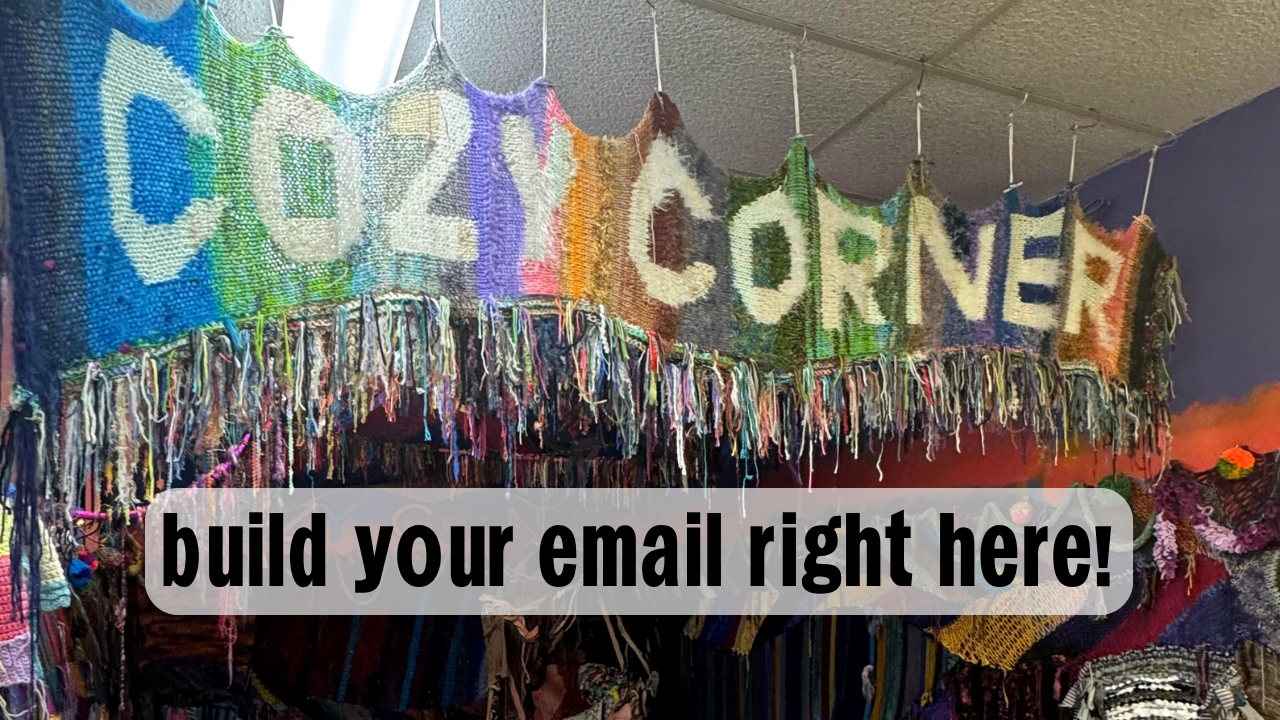
💌 The Save DoodleHATCH Email Machine

A few clicks, a little personality, and an email that helps support DoodleHATCH and The REALM. No account or signup required.

What's your connection to DoodleHATCH?
Why does protecting places like this matter to you?
✨ Your email preview
To: Lilou@DoodleHATCH.com
Subject:

Your information stays in your browser until you choose to copy or open the message. The email does not send automatically. Emails support DoodleHATCH's advocacy campaign; they are not the same as official petition signatures or zoning testimony. Please review the message before sending.

🐹 Wait. What exactly is DoodleHATCH?

I’m so glad you asked.

DoodleHATCH is an interactive art museum in Columbia, Maryland, created by artist, designer, and professional generator of wildly ambitious ideas, Lee Andersen.

The museum is designed as a pretend department store for mythological creatures, time travelers, and galactic tourists.

There are dozens of installations, and unlike most museums, you’re encouraged to touch things, explore, and participate.

There’s also an artist’s studio full of fabric and handmade garments, workshops, special events, birthday parties, free books, and opportunities for local artists to share their work.

The museum welcomes families and children, but adults are absolutely allowed to enjoy themselves, too.

And the woman behind it has spent decades bringing creativity into the community through fashion, festivals, education, and public art.

I discovered DoodleHATCH in 2020 and loved it so much that I started volunteering.

I’ve been back multiple times, and there are still things I haven’t seen.

That’s part of what makes it special. You can keep discovering things because people keep creating them.

You don't have to live near DoodleHATCH to care about it.

There are Merriment Makers everywhere.

People turning empty buildings into art spaces. People organizing parades. People teaching kids how to sew, paint, dance, or build things. People putting enormous amounts of time into projects that make their communities more interesting.

Sometimes they’re running nonprofits. Sometimes they’re working out of their garages. Sometimes they’re making something weird in a strip mall that you might drive past a hundred times without realizing what’s inside.

I hope you’ll help protect DoodleHATCH.

And I hope you’ll look around your own community, too. Visit the strange little museum. Go to the local art show. Find the person who makes giant puppets or organizes an absurd annual festival. Spend your money at the independent shop with the handmade things.

There are people everywhere creating reasons for us to be curious about being alive.

I’d like them to be able to keep doing that.

Help save DoodleHATCH. Help protect The REALM. Help keep the world interesting.

💌 Email: Lilou@DoodleHATCH.com

🌈 Visit: DoodleHATCH.com

🦄 Share: Uncustomary.org/Doodle