From Paper to Pavement: How Real Estate Law is Shaping Urban Canada

by | Mar 19, 2024 | General | 0 comments

Real estate law is one of the main driving forces in the formation of Canada’s urban landscapes. As cities across the country continue to expand and evolve, the interplay between burgeoning populations, the need for infrastructure, and the preservation of the natural environment becomes increasingly complex. Real estate law provides the necessary structure to manage this complexity, influencing how cities are planned, how properties are developed, and how land is conserved for future generations. Real estate law reflects current societal values while actively contributing to the molding of Canada’s metropolitan futures.

While real estate law’s influence on cityscapes is widely acknowledged, there is a unique angle that often goes undiscussed: its profound impact on the social and economic foundation of urban society itself. Edmonton real estate lawyer accounts are filled with instances that showcase how real estate law does more than shape the physical appearance of cities—it actually underpins the socio-economic dynamics within urban settings. By establishing who can own property, where businesses can operate, and how land can be used, the legal frameworks govern both the market and the day-to-day lives of the citizens. This article explores how the frameworks set forth by real estate law act as blueprints for urban development and as powerful determinants of accessibility, opportunity, and quality of life for all Canadians within their city environments.

Zoning Regulations

Zoning laws implement an organized method to encourage the development of urban areas. By designating specific zones, like residential, commercial, or industrial, these statutes guarantee that each part of a city grows according to a set plan beneficial to the community’s needs while maintaining its characteristics. For example, a factory would be out of place in a suburban neighborhood, a situation prevented by zoning ordinances. These rulings also control density and the height of buildings, influencing the city’s silhouette and housing availability. By dictating land use, they also significantly affect traffic flow, which can determine requirements for infrastructure. In urban centers throughout Canada, such laws are continuously reviewed and modified to support expansion, new technological developments, and changing demographics—all necessary components for sustaining a lively yet organized city structure.

Property Rights and Ownership

The concept of property rights and ownership are the foundation for how land and properties are transacted and managed across urban landscapes. These legal parameters dictate the means by which properties can change hands through purchase or inheritance and also greatly contribute to establishing market stability and the equitable distribution of land. By setting the conditions under which property can be acquired, maintained, and leveraged for development, these laws directly shape investment behavior, influence property valuations, and strengthen economic forces that drive urbanization. 

Permits and Approvals

The oversight of city development is governed by the real estate law to ensure that any construction project aligns with established building codes, adheres to environmental considerations, and respects existing land use policies. This judicial oversight maintains the integrity of neighborhoods and the welfare of the inhabitants. Developers seeking to make renovations must proceed through an administrative process that evaluates the impact of their proposed plans on the urban structure. This process includes thorough assessments by zoning boards, planning commissions, and other regulatory bodies, whose collective endorsement approves the plans.They certify that buildings are structurally sound, that facilities meet fire and life safety standards, and that the city’s infrastructure can accommodate additional demands. 

Land Use Planning

Municipalities follow the land use planning process to establish their long-term vision, articulating how and where a city will expand. Through the enforcement of zoning bylaws, city planners map out the purpose each parcel of land serves, whether it be for homes, businesses, factories, or parks. This segmentation shapes the physical layout of communities while influencing economic patterns and social interactions. Residential zoning, for example, creates neighborhoods, whereas commercial zones foster economic activity by clustering shops and services. Industrial zones are strategically placed to optimize logistics and mitigate environmental impacts on populated areas. Transitional areas, mixed-use zones, and urban design guidelines are components of land use planning that accommodate various needs and aspirations of a city’s residents. This framework readily adapts to the shifting demands of populous modern cities, balancing development objectives with the community’s welfare.

Environmental Regulations

Environmental regulations are in place to protect natural resources and promote ecological stewardship in the context of urbanization. By establishing guidelines for emissions, waste management, and resource conservation, these regulations encourage sustainable building practices and green developments. They minimize the environmental footprint of new constructions and expansions. By preserving green spaces in urban Canada, the biodiversity that is vulnerable in growing metropolitan areas is better sustained. Environmental regulations take into consideration the long-term ecological consequences of real estate projects, thereby enabling cities to flourish without compromising the natural environment.

A Commitment to Sustainability

Real estate law directly affects the growth and character of Canada’s urban centers. Zoning regulations establish how permits and approvals uphold safety and compliance standards and they intrinsically influence economic dynamics. Land use planning is a strategic tool for city advancement, and environmental regulations demonstrate a commitment to sustainability amidst urban expansion. These legal elements form the backbone of a well-functioning, equitable, and resilient urban environment. By refining our understanding of these laws and their applications, we can appreciate their immediate benefits and their long-term importance in crafting livable, thriving urban spaces for generations to come.
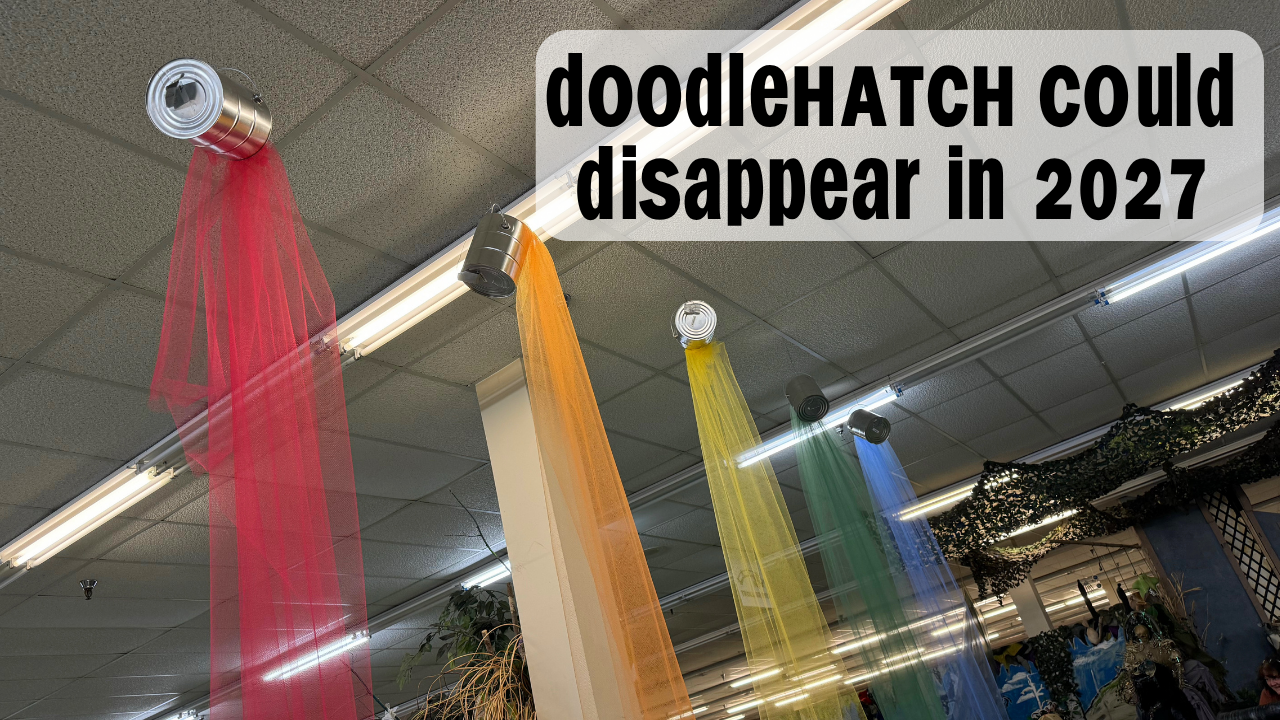
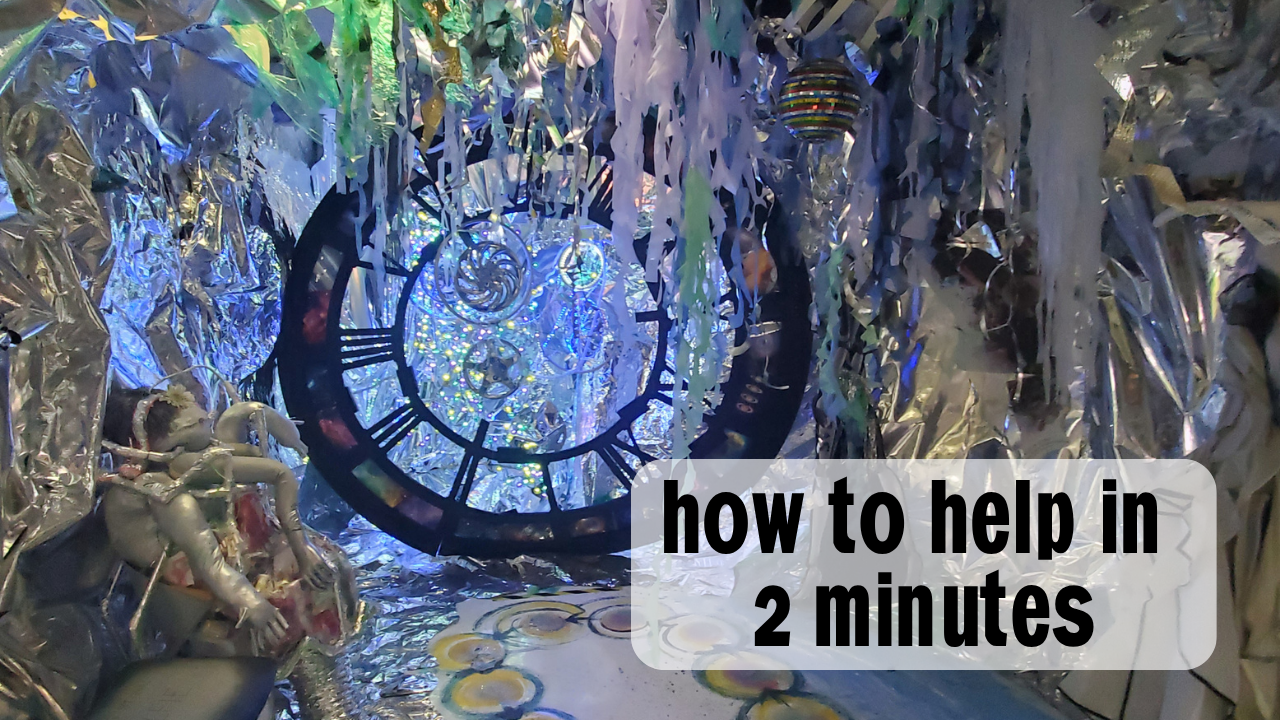
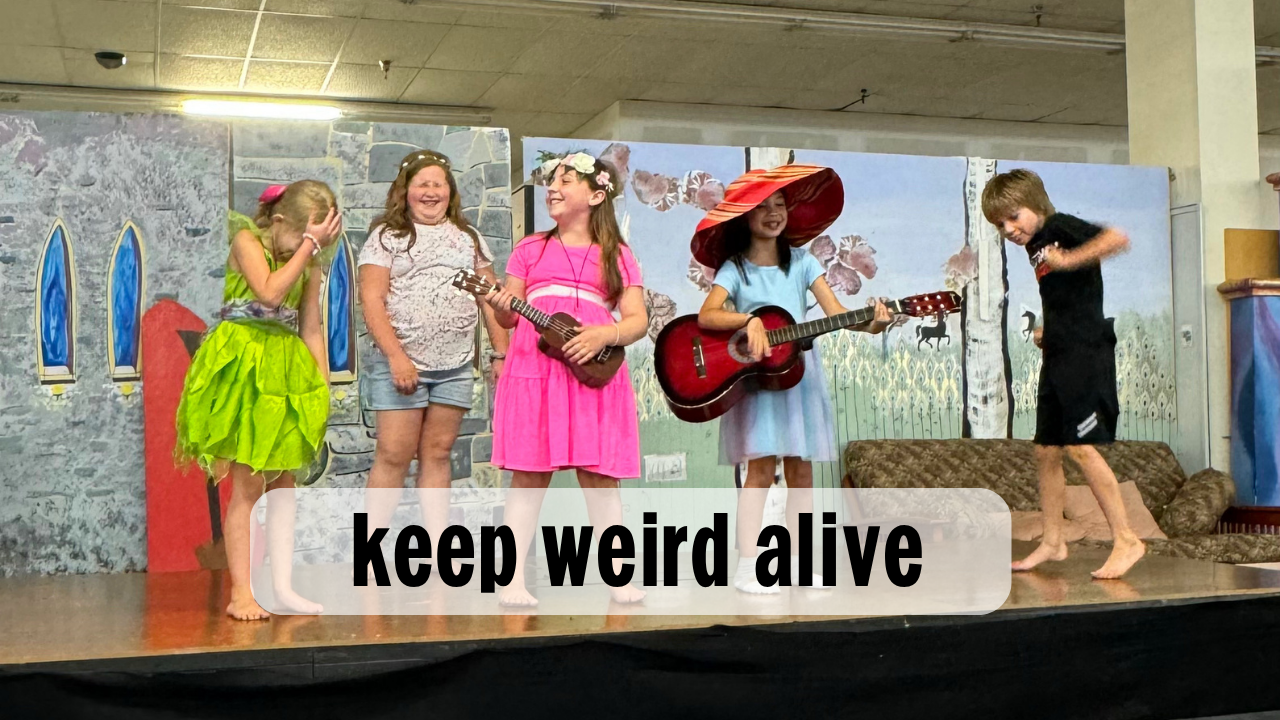
In Columbia, Maryland, there’s a former grocery store that has been transformed into a department store for mythical creatures, time travelers, and intergalactic tourists.

It’s called DoodleHATCH.

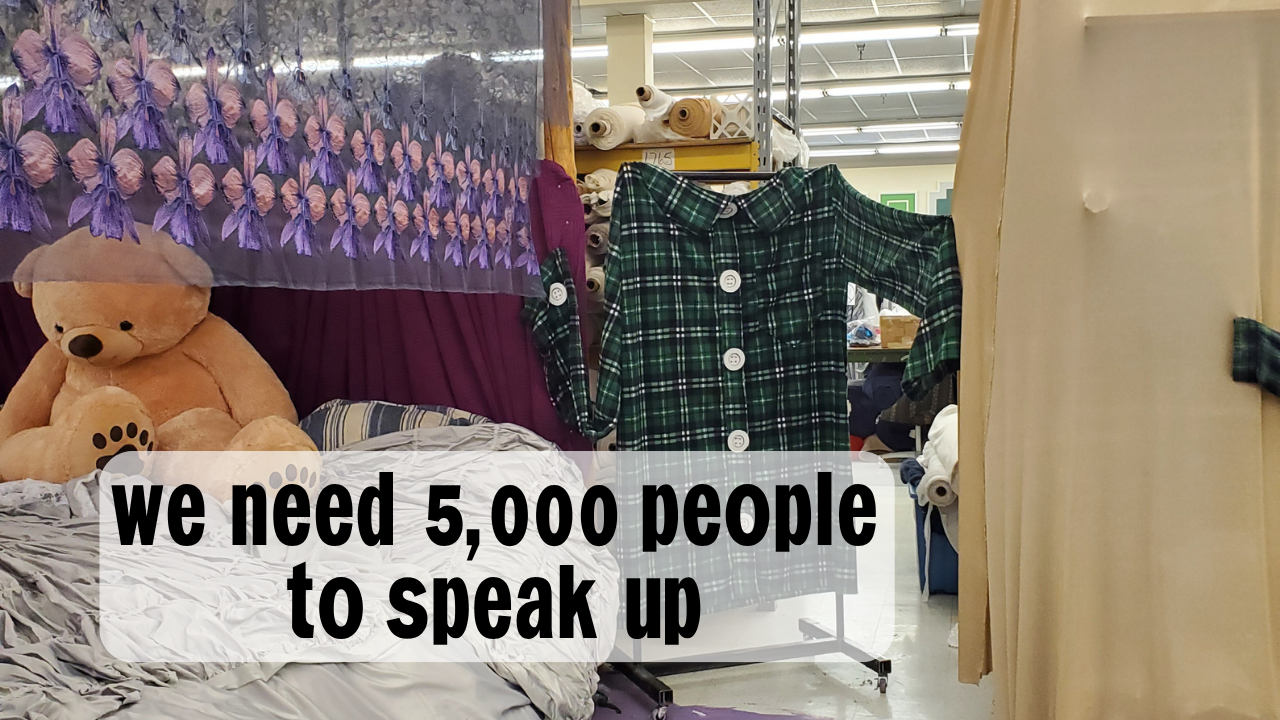
You can groom a unicorn, visit an intergalactic space station, climb onto a giant’s bed, meet guinea pigs, explore an artist’s studio, and discover approximately a million other things that somebody actually sat down and made.

It’s a nonprofit interactive art museum, a community project, an educational resource, and one of my favorite places I’ve ever discovered.

And it could be demolished as part of a proposed redevelopment of the Long Reach Village Center.

But there’s still an opportunity to help.

You don’t need to donate money. You don’t need to live in Maryland. And you don’t need to know anything about zoning laws.

You can start by writing an email.

🚨 Here's what's happening

Developer Columbia Concepts has proposed redeveloping the Long Reach Village Center in Columbia, Maryland.

The proposal would replace existing buildings with new housing, recreational facilities, and other development.

Unfortunately, that puts a whole collection of existing community resources at risk of being demolished, including:

  • DoodleHATCH Interactive Art Museum
  • Maryland Fashion Institute
  • A makerspace used for community education
  • Local restaurants, shops, and service businesses
  • Early childhood education and community programs
  • A 140-foot-long mural created by approximately 100 community members

This isn’t just about losing a fabulous museum. It’s about losing an entire collection of places that people have built, supported, and relied on.

And there’s another possibility!

🌈 Meet The REALM

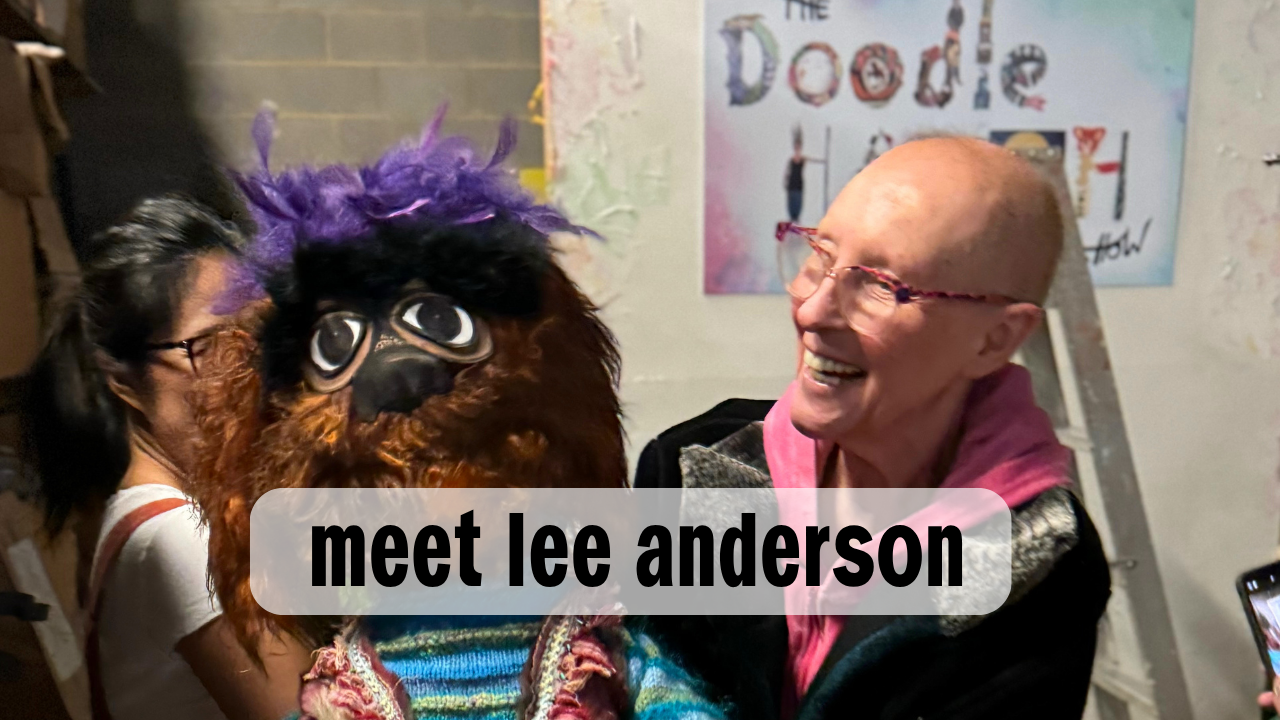
Lee Andersen, the founder of DoodleHATCH, and her nonprofit ManneqART want to preserve the existing community resources and transform the village center into an arts and culture destination called The REALM.

Imagine a place where artists have studios, children have room to explore, students can learn creative skills, people can attend performances, and local businesses continue serving their neighbors.

There are plans for a performing arts space, more opportunities for artists, and a Witches Kitchen that might serve you a horrible-disgusting breakfast.

Which, personally, I think sounds promising.

The people behind DoodleHATCH are gathering support to oppose the developer’s zoning proposal and advocate for The REALM.

And they’d love your help.

💌 How to help in about two minutes

If you live in Howard County, Maryland

If you’re 18 or older, DoodleHATCH is asking eligible county residents to visit the museum and sign their petition in person.

📍DoodleHATCH Interactive Art Museum

8775 Cloudleap Court, Unit 101
Columbia, MD 21045

⏱️ Museum hours: Friday–Sunday, 10 AM–5 PM.

And while you’re there, I highly recommend exploring the museum. Bring someone who needs a reminder that being an adult doesn’t mean you have to stop enjoying ridiculous things.

If you don't live in Howard County

You can still help!

DoodleHATCH is collecting emails from people who oppose the proposed Columbia Concepts redevelopment and support preserving the existing arts and community resources through The REALM.

Send your email to: Lilou@DoodleHATCH.com

Suggested subject: Support The REALM | Oppose Columbia Concepts Zoning Proposal ZB 1132M

You can write your own message or use one of the templates below.

You don’t need to write an essay. A short, genuine message explaining what you support and why is enough to participate in this email campaign.

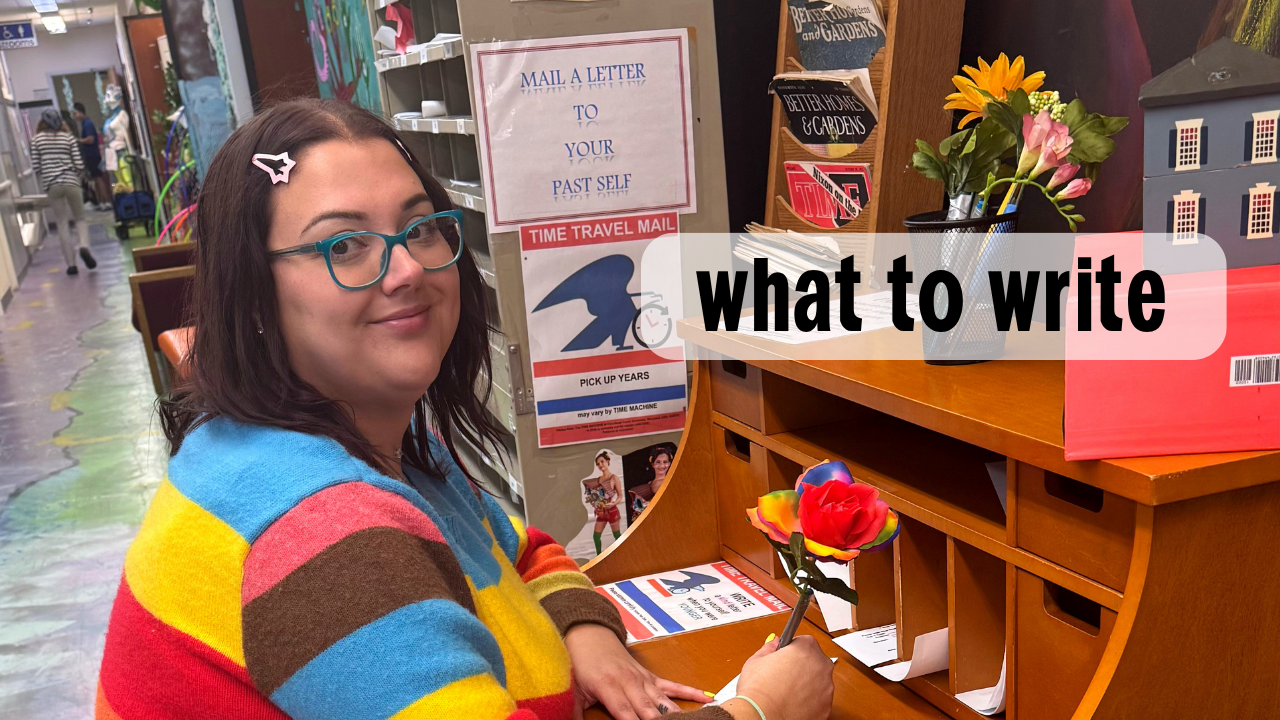
✍️ What should your email say?

To make your position clear, include these three things:

1. Say what you’re opposing.

State that you oppose the proposed Columbia Concepts redevelopment and zoning amendment for the Long Reach Village Center, case ZB 1132M.

2. Say what you’re supporting.

Express your support for preserving DoodleHATCH, the Maryland Fashion Institute, existing community resources, and the proposed arts and culture center called The REALM.

3. Explain why you care.

This is the part that makes your email yours.

Maybe you’ve visited DoodleHATCH. Maybe you’re a parent who wants more creative places for children. Maybe you’re an artist, an educator, or someone who thinks it’s important to protect the few spaces where people can explore and make things without needing to buy something.

Maybe you live across the country and just learned that there’s a department store for mythical creatures in Maryland, and you think the world would be a little less interesting without it.

That’s a perfectly good reason to care.

💌 Email templates you can copy

Option 1: Short, simple, and effective

Subject: Support The REALM | Oppose ZB 1132M

Hello,

I’m writing to express my opposition to the proposed Columbia Concepts zoning amendment and redevelopment of the Long Reach Village Center (ZB 1132M).

I support preserving DoodleHATCH, the Maryland Fashion Institute, and the existing community services and small businesses, as well as the proposal to create The REALM arts and culture center.

Creative and educational spaces like these provide valuable opportunities for families, artists, students, and the wider community. I believe they deserve to be protected.

Please include my email with the messages of support being collected for DoodleHATCH and The REALM.

Thank you,

[Your Name]
[Your City/State]

Option 2: For artists, creatives, and fellow merriment makers

Subject: Please Protect DoodleHATCH and Support The REALM

Hello,

I’m writing in opposition to Columbia Concepts’ proposed redevelopment and zoning amendment for the Long Reach Village Center (ZB 1132M), and in support of The REALM.

I believe communities need places where creativity, imagination, and play are actively encouraged.

DoodleHATCH is an extraordinary example of what can happen when artists and community members are given room to create something that doesn’t fit into an ordinary commercial space.

Places like this are rare. They encourage people of all ages to experiment, learn, explore, and connect with one another.

I support preserving DoodleHATCH, the Maryland Fashion Institute, the existing community resources, and the vision for The REALM.

Thank you for collecting these messages and advocating for the creative community.

[Your Name]
[Your City/State]

Option 3: For people who've visited DoodleHATCH

Subject: Please Save DoodleHATCH | Oppose ZB 1132M

Hello,

I’m writing to express my opposition to the proposed Columbia Concepts redevelopment and zoning amendment for the Long Reach Village Center (ZB 1132M), and my support for The REALM.

I’ve personally visited DoodleHATCH, and I want to share why I believe it’s worth preserving.

[Write two or three sentences about your experience. What did you see? Who did you bring? What surprised you? What made you want to return?]

DoodleHATCH is more than a collection of exhibits. It’s a place where creativity is something people can actively participate in, and I believe losing it would be a tremendous loss to the community.

I support preserving the museum, the Maryland Fashion Institute, and the other existing community resources through the proposed arts and culture center, The REALM.

Please include my email with the messages of support you’re collecting.

Thank you,

[Your Name]
[Your City/State]

A few tips before you hit send

DO:

  • Use your real name.

  • Include your city and state so organizers can understand where support is coming from.

  • Clearly identify the redevelopment proposal you’re opposing.

  • Specifically mention your support for The REALM.

  • Add a personal sentence or two if you can.

  • Be respectful, even if you’re frustrated.

  • Share this page with other people who might want to help.

DON’T:

  • Pretend to be a Howard County resident if you’re not.

  • Claim to have visited DoodleHATCH if you haven’t.

  • Make up experiences or information.

  • Send threatening, insulting, or harassing messages.

  • Assume your email is the same thing as signing the official petition.

  • Worry about making your message sound impressive. Clear and genuine is better than elaborate.

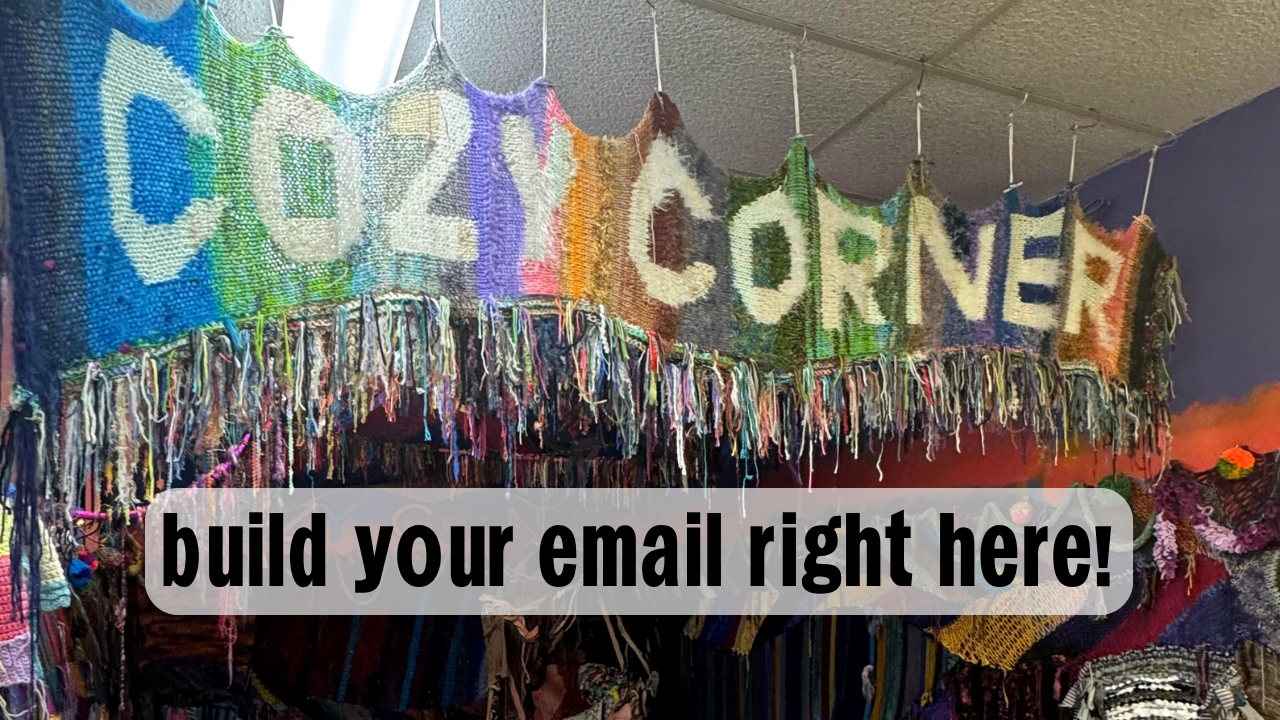
💌 The Save DoodleHATCH Email Machine

A few clicks, a little personality, and an email that helps support DoodleHATCH and The REALM. No account or signup required.

What's your connection to DoodleHATCH?
Why does protecting places like this matter to you?
✨ Your email preview
To: Lilou@DoodleHATCH.com
Subject:

Your information stays in your browser until you choose to copy or open the message. The email does not send automatically. Emails support DoodleHATCH's advocacy campaign; they are not the same as official petition signatures or zoning testimony. Please review the message before sending.

🐹 Wait. What exactly is DoodleHATCH?

I’m so glad you asked.

DoodleHATCH is an interactive art museum in Columbia, Maryland, created by artist, designer, and professional generator of wildly ambitious ideas, Lee Andersen.

The museum is designed as a pretend department store for mythological creatures, time travelers, and galactic tourists.

There are dozens of installations, and unlike most museums, you’re encouraged to touch things, explore, and participate.

There’s also an artist’s studio full of fabric and handmade garments, workshops, special events, birthday parties, free books, and opportunities for local artists to share their work.

The museum welcomes families and children, but adults are absolutely allowed to enjoy themselves, too.

And the woman behind it has spent decades bringing creativity into the community through fashion, festivals, education, and public art.

I discovered DoodleHATCH in 2020 and loved it so much that I started volunteering.

I’ve been back multiple times, and there are still things I haven’t seen.

That’s part of what makes it special. You can keep discovering things because people keep creating them.

You don't have to live near DoodleHATCH to care about it.

There are Merriment Makers everywhere.

People turning empty buildings into art spaces. People organizing parades. People teaching kids how to sew, paint, dance, or build things. People putting enormous amounts of time into projects that make their communities more interesting.

Sometimes they’re running nonprofits. Sometimes they’re working out of their garages. Sometimes they’re making something weird in a strip mall that you might drive past a hundred times without realizing what’s inside.

I hope you’ll help protect DoodleHATCH.

And I hope you’ll look around your own community, too. Visit the strange little museum. Go to the local art show. Find the person who makes giant puppets or organizes an absurd annual festival. Spend your money at the independent shop with the handmade things.

There are people everywhere creating reasons for us to be curious about being alive.

I’d like them to be able to keep doing that.

Help save DoodleHATCH. Help protect The REALM. Help keep the world interesting.

💌 Email: Lilou@DoodleHATCH.com

🌈 Visit: DoodleHATCH.com

🦄 Share: Uncustomary.org/Doodle