Structured Cabling: Future-Proofing Your Infrastructure Through Technological Evolution

by | Mar 19, 2024 | General | 0 comments

Technology innovation continues accelerating rapidly, with new advancements emerging at an unprecedented pace across industries. This fast progress can quickly leave infrastructure and networks outdated if new solutions are not integrated into the design. Structured cabling is critical for future-proofing connectivity to flexibly support evolving needs. Proper planning, strategic design choices, and installation best practices enable businesses to maximize infrastructure lifespan, avoid frequent, costly upgrades, and facilitate innovation adoption.

Understanding Structured Cabling

Structured cabling is the standardized system of connectors, panels, cables, hardware, and racks that form the backbone of data and communication networks. Key components include:

  1. Copper Cabling: Category 5e, 6, or 6A copper twisted pair cabling used for data networks and IP phones, offering bandwidth up to 10Gbps. 
  2. Fiber Optic Cabling: Singlemode or multimode fiber with nearly unlimited capacity to handle intensive bandwidth applications.
  3. Telecom Rooms: Centralized connection points linking cabling from all areas of the building. 
  4. Racks and Cabinets: House network equipment like switches and servers and organized termination panels.
  5. Patch Panels: Allow centralized cable terminations connecting to equipment through patch cords. 
  6. Cable Pathways: Conduit, raceways, and cable trays neatly route cables through the building.

This infrastructure distributes and supports all connectivity within a facility. Well-designed structured cabling offers inherent adaptability capabilities as innovations emerge and technology needs shift. The standards-based modular components smoothly interoperate today while allowing seamless integration of new solutions tomorrow without requiring major overhauls.

Future Proofing with Structured Cabling Infrastructure 

Several key strategies exist for maximizing future-proofing with structured cabling deployments:

Planning Appropriately Sized Capacity Upfront: 

Designs should incorporate spare capacity for upwards of 50% cabling growth through elements like conduit sizing, ceiling heights, pathway routing, and telecom room footprints. This prevents major construction work later to add space when it needs to expand.

Utilizing Standardized Cable Types:

A 6A copper cabling supports up to 10Gbps throughput, meeting foreseeable speed requirements. Singlemode fiber offers practically unlimited capacity for bandwidth-intensive applications from 5G and Wi-Fi to VR, smart buildings, and other future innovations. Discuss all this with HQ Cabling Services Ltd – Telecommunications Kent for best results.

Incorporating Modularity:

The structured cabling’s standardized modules integrate smoothly across technology shifts. This future proofs networks through cost-efficient incremental enhancements as opposed to entire replacements. 

Building in Redundancy: 

Dual pathways and cabling protect operations during outages through resilience and redundancy. Diverse systematic routing secures different cable channels to prevent single points of failure.

Supporting Convergence:

Voice, video, data, and wireless signals converge on common IP infrastructure. Structured cabling’s standards-based foundation facilitates this convergence through interoperability and flexibility. 

Planning for Power Needs:

Telecom rooms should calculate the increased power draw from higher port counts and emerging equipment like PoE devices. Expanding the available supply future-proofs support for additional network loads.

Scalability:

Planning infrastructure supports easy expansions, additions, and upgrades as needs grow or evolve. 

Flexibility: 

Selecting accessible, configurable components allows modifications to meet shifting requirements.

Structured Cabling Installation Best Practices 

Adhering to established installation best practices optimizes structured cabling’s performance and lifespan. Key guidelines include:

  • Neatly bundling and dressing cables to avoid stress and damage
  • Following manufacturer bend radius requirements
  • Properly terminating copper tips and fiber strands
  • Attaching cables effectively using tie-wraps or hook-and-loop 
  • Labelling cables, ports, and panels systematically for easy identification 
  • Mounting modular patch panels for simple future reconfigurations
  • Testing cable runs to verify performance per standards 
  • Protecting exposed cables from environmental threats
  • Training staff on infrastructure administration best practices

These discipline translate to fewer connectivity issues and greater network reliability. Teams must also safeguard compatibility with future innovations through proofing methods during implementation. For example, enhanced Category 6A testing guarantees 10Gbps support. And attenuated loss testing validates whether fiber optic connections meet current and next-gen optical equipment specifications. 

A future-proof mindset also applies ongoing thorough, proactive maintenance and continual upgrades. Regular inspection and repairs prevent deterioration as infrastructure ages while maximizing operational lifespan. Periodic improvements like higher-speed switches also introduce improved functionality without replacing entire cabling deployments.

Conclusion

Investing in flexible, standards-based structured cabling reduces costs over time through extended lifespan and delayed system replacements. The modular components also enable efficient adaptation as business demands shift-scaling bandwidth, adding IoT sensors, supporting new wireless access points, onboarding cloud applications, and more. Finally, resilient and redundant infrastructure minimizes downtime risks from disruptions that negatively impact operations and revenue. Future-proofed networks reroute seamlessly, even during component failures.

Structured cabling is pivotal for future-proofing connectivity infrastructure facing continual technological advances and change. Strategic planning, design, and installation best practices empower it to cost-effectively evolve with innovation needs for years to come while protecting against premature obsolescence.
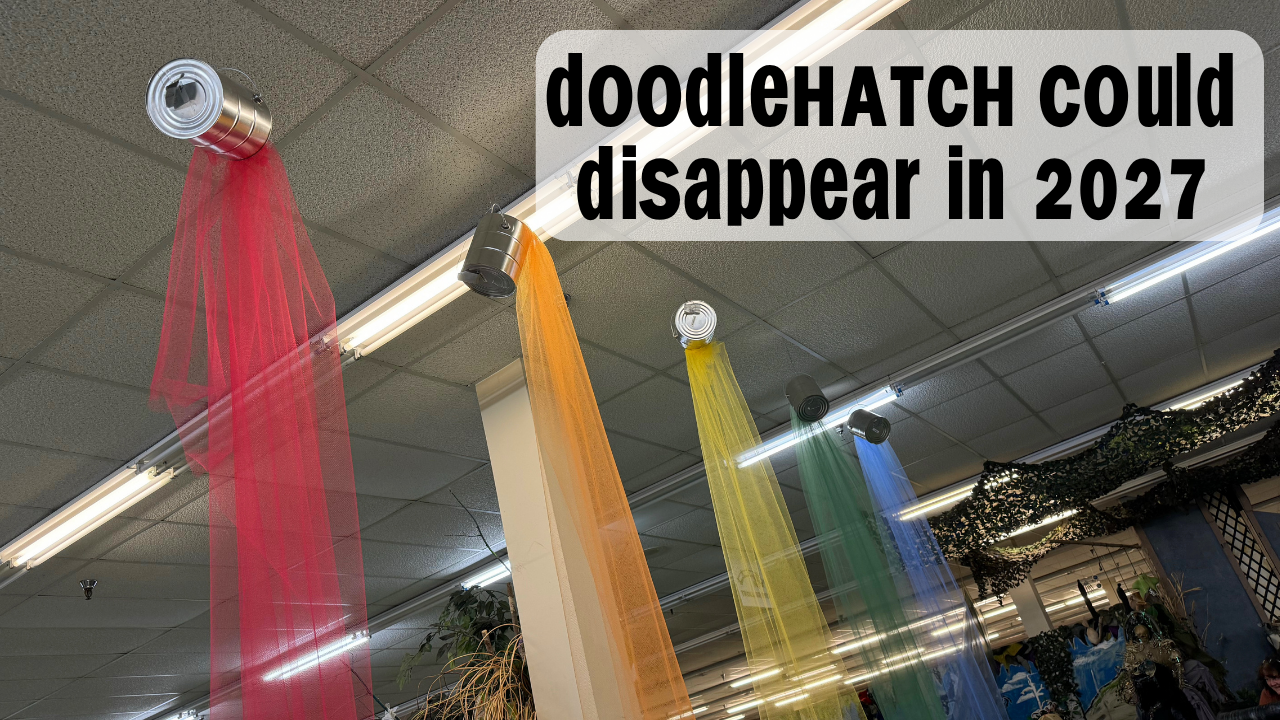
In Columbia, Maryland, there’s a former grocery store that has been transformed into a department store for mythical creatures, time travelers, and intergalactic tourists.

It’s called DoodleHATCH.

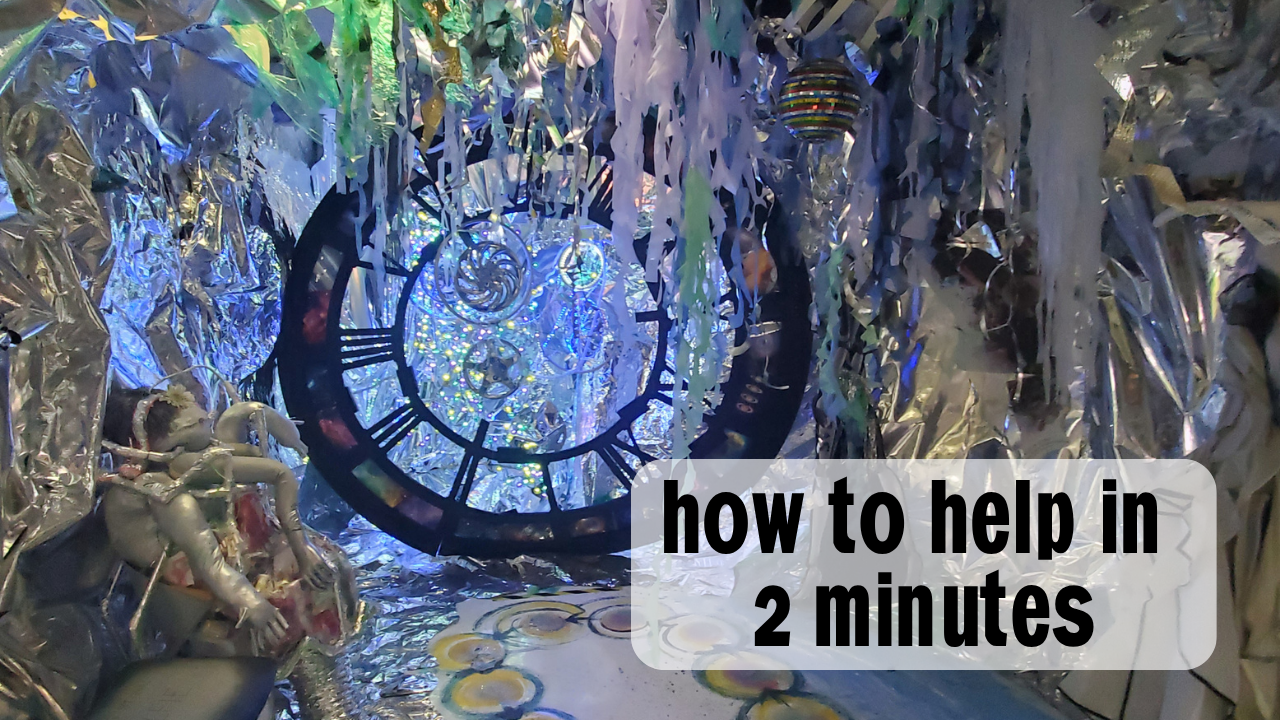
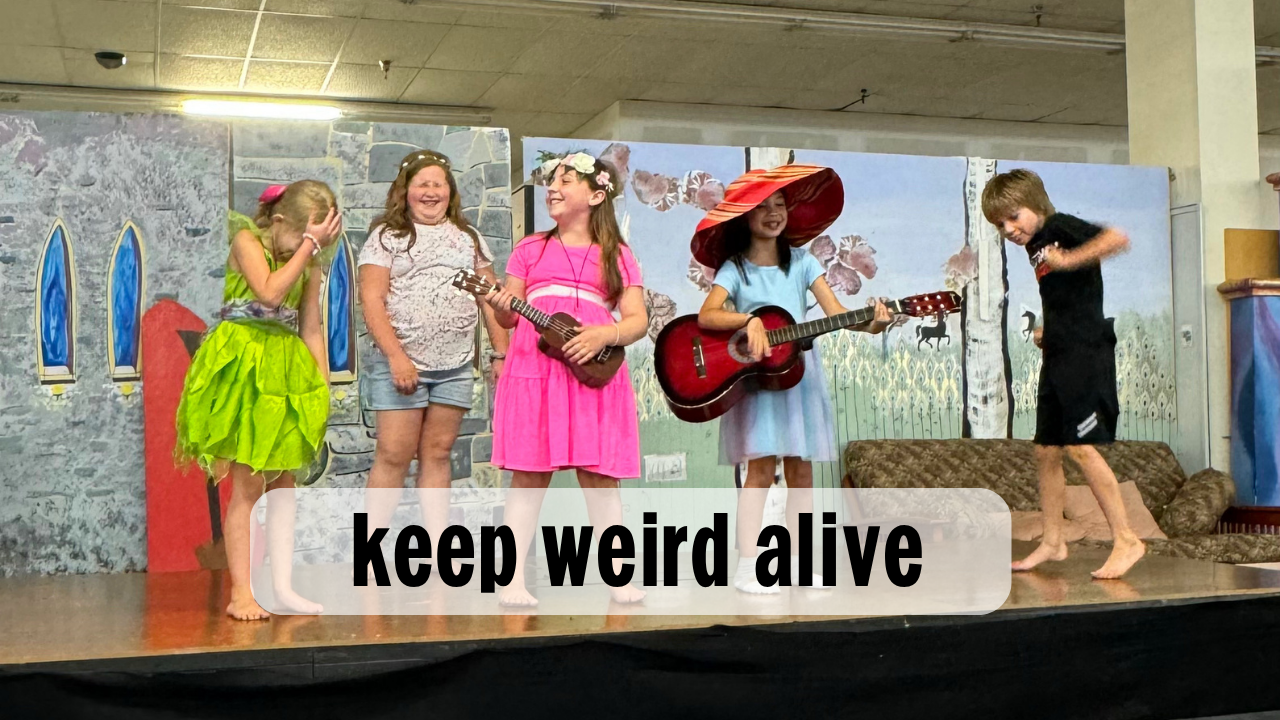
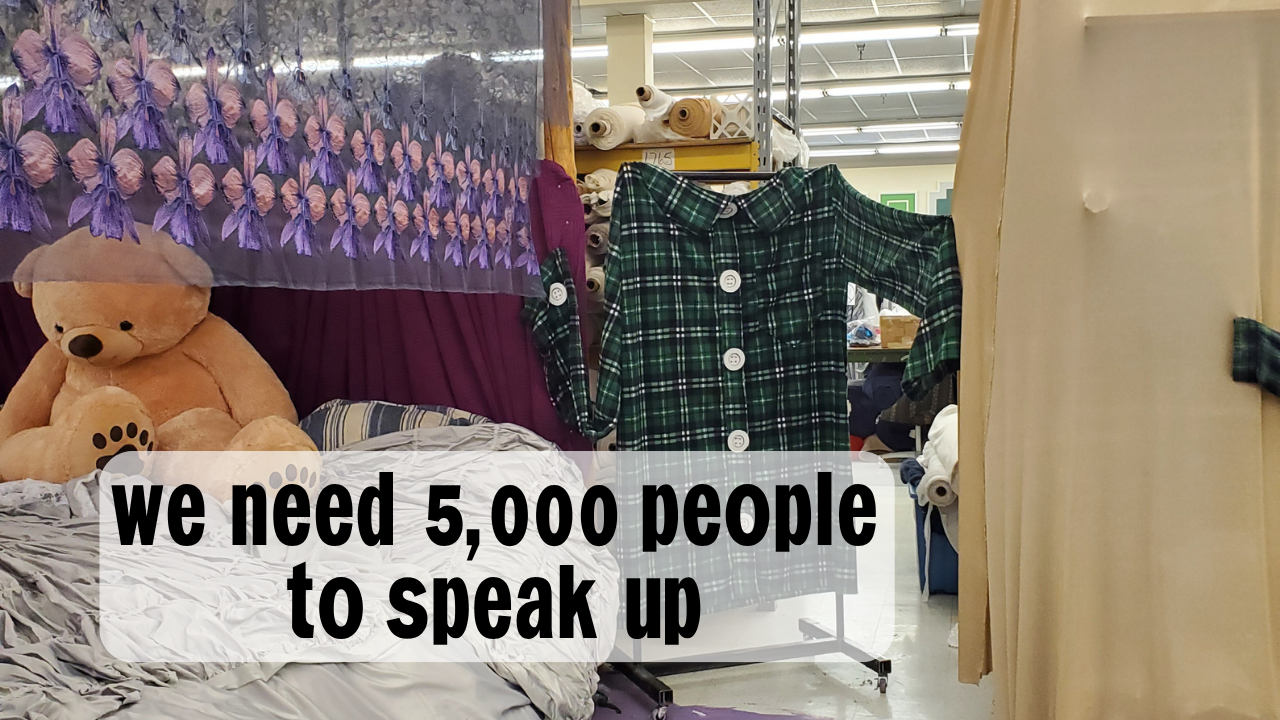
You can groom a unicorn, visit an intergalactic space station, climb onto a giant’s bed, meet guinea pigs, explore an artist’s studio, and discover approximately a million other things that somebody actually sat down and made.

It’s a nonprofit interactive art museum, a community project, an educational resource, and one of my favorite places I’ve ever discovered.

And it could be demolished as part of a proposed redevelopment of the Long Reach Village Center.

But there’s still an opportunity to help.

You don’t need to donate money. You don’t need to live in Maryland. And you don’t need to know anything about zoning laws.

You can start by writing an email.

🚨 Here's what's happening

Developer Columbia Concepts has proposed redeveloping the Long Reach Village Center in Columbia, Maryland.

The proposal would replace existing buildings with new housing, recreational facilities, and other development.

Unfortunately, that puts a whole collection of existing community resources at risk of being demolished, including:

  • DoodleHATCH Interactive Art Museum
  • Maryland Fashion Institute
  • A makerspace used for community education
  • Local restaurants, shops, and service businesses
  • Early childhood education and community programs
  • A 140-foot-long mural created by approximately 100 community members

This isn’t just about losing a fabulous museum. It’s about losing an entire collection of places that people have built, supported, and relied on.

And there’s another possibility!

🌈 Meet The REALM

Lee Andersen, the founder of DoodleHATCH, and her nonprofit ManneqART want to preserve the existing community resources and transform the village center into an arts and culture destination called The REALM.

Imagine a place where artists have studios, children have room to explore, students can learn creative skills, people can attend performances, and local businesses continue serving their neighbors.

There are plans for a performing arts space, more opportunities for artists, and a Witches Kitchen that might serve you a horrible-disgusting breakfast.

Which, personally, I think sounds promising.

The people behind DoodleHATCH are gathering support to oppose the developer’s zoning proposal and advocate for The REALM.

And they’d love your help.

💌 How to help in about two minutes

If you live in Howard County, Maryland

If you’re 18 or older, DoodleHATCH is asking eligible county residents to visit the museum and sign their petition in person.

📍DoodleHATCH Interactive Art Museum

8775 Cloudleap Court, Unit 101
Columbia, MD 21045

⏱️ Museum hours: Friday–Sunday, 10 AM–5 PM.

And while you’re there, I highly recommend exploring the museum. Bring someone who needs a reminder that being an adult doesn’t mean you have to stop enjoying ridiculous things.

If you don't live in Howard County

You can still help!

DoodleHATCH is collecting emails from people who oppose the proposed Columbia Concepts redevelopment and support preserving the existing arts and community resources through The REALM.

Send your email to: Lilou@DoodleHATCH.com

Suggested subject: Support The REALM | Oppose Columbia Concepts Zoning Proposal ZB 1132M

You can write your own message or use one of the templates below.

You don’t need to write an essay. A short, genuine message explaining what you support and why is enough to participate in this email campaign.

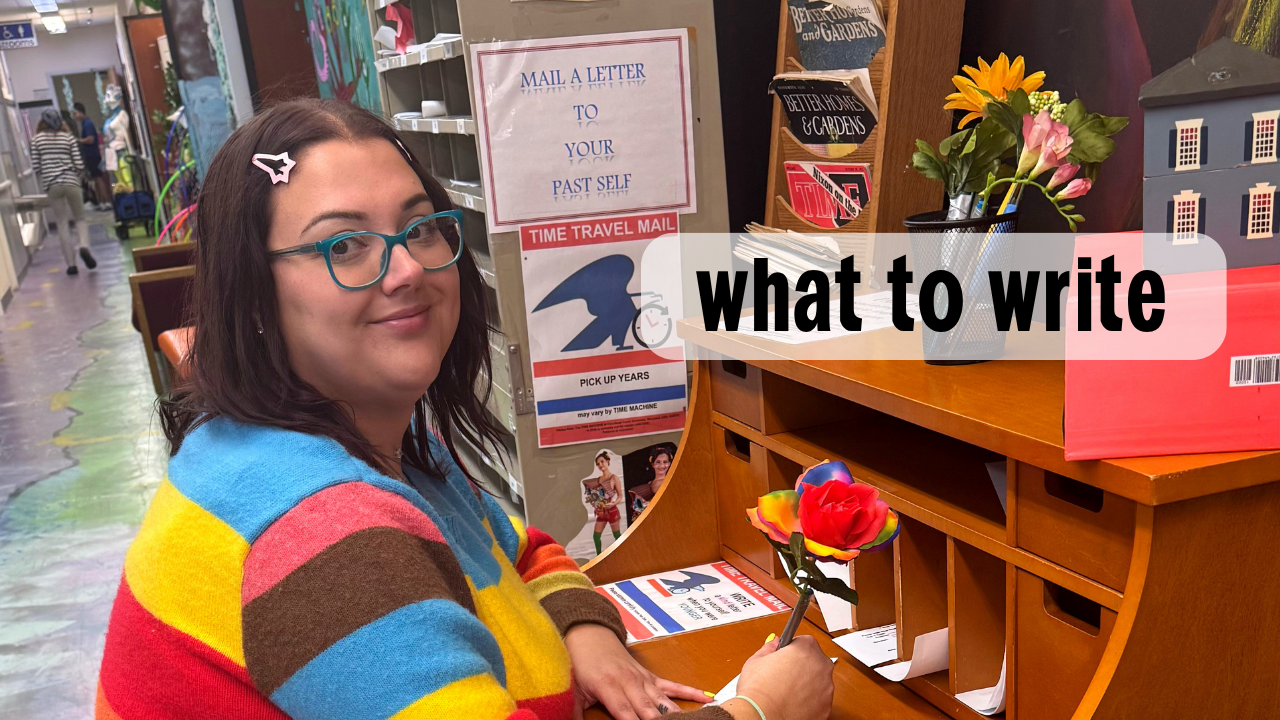
✍️ What should your email say?

To make your position clear, include these three things:

1. Say what you’re opposing.

State that you oppose the proposed Columbia Concepts redevelopment and zoning amendment for the Long Reach Village Center, case ZB 1132M.

2. Say what you’re supporting.

Express your support for preserving DoodleHATCH, the Maryland Fashion Institute, existing community resources, and the proposed arts and culture center called The REALM.

3. Explain why you care.

This is the part that makes your email yours.

Maybe you’ve visited DoodleHATCH. Maybe you’re a parent who wants more creative places for children. Maybe you’re an artist, an educator, or someone who thinks it’s important to protect the few spaces where people can explore and make things without needing to buy something.

Maybe you live across the country and just learned that there’s a department store for mythical creatures in Maryland, and you think the world would be a little less interesting without it.

That’s a perfectly good reason to care.

💌 Email templates you can copy

Option 1: Short, simple, and effective

Subject: Support The REALM | Oppose ZB 1132M

Hello,

I’m writing to express my opposition to the proposed Columbia Concepts zoning amendment and redevelopment of the Long Reach Village Center (ZB 1132M).

I support preserving DoodleHATCH, the Maryland Fashion Institute, and the existing community services and small businesses, as well as the proposal to create The REALM arts and culture center.

Creative and educational spaces like these provide valuable opportunities for families, artists, students, and the wider community. I believe they deserve to be protected.

Please include my email with the messages of support being collected for DoodleHATCH and The REALM.

Thank you,

[Your Name]
[Your City/State]

Option 2: For artists, creatives, and fellow merriment makers

Subject: Please Protect DoodleHATCH and Support The REALM

Hello,

I’m writing in opposition to Columbia Concepts’ proposed redevelopment and zoning amendment for the Long Reach Village Center (ZB 1132M), and in support of The REALM.

I believe communities need places where creativity, imagination, and play are actively encouraged.

DoodleHATCH is an extraordinary example of what can happen when artists and community members are given room to create something that doesn’t fit into an ordinary commercial space.

Places like this are rare. They encourage people of all ages to experiment, learn, explore, and connect with one another.

I support preserving DoodleHATCH, the Maryland Fashion Institute, the existing community resources, and the vision for The REALM.

Thank you for collecting these messages and advocating for the creative community.

[Your Name]
[Your City/State]

Option 3: For people who've visited DoodleHATCH

Subject: Please Save DoodleHATCH | Oppose ZB 1132M

Hello,

I’m writing to express my opposition to the proposed Columbia Concepts redevelopment and zoning amendment for the Long Reach Village Center (ZB 1132M), and my support for The REALM.

I’ve personally visited DoodleHATCH, and I want to share why I believe it’s worth preserving.

[Write two or three sentences about your experience. What did you see? Who did you bring? What surprised you? What made you want to return?]

DoodleHATCH is more than a collection of exhibits. It’s a place where creativity is something people can actively participate in, and I believe losing it would be a tremendous loss to the community.

I support preserving the museum, the Maryland Fashion Institute, and the other existing community resources through the proposed arts and culture center, The REALM.

Please include my email with the messages of support you’re collecting.

Thank you,

[Your Name]
[Your City/State]

A few tips before you hit send

DO:

  • Use your real name.

  • Include your city and state so organizers can understand where support is coming from.

  • Clearly identify the redevelopment proposal you’re opposing.

  • Specifically mention your support for The REALM.

  • Add a personal sentence or two if you can.

  • Be respectful, even if you’re frustrated.

  • Share this page with other people who might want to help.

DON’T:

  • Pretend to be a Howard County resident if you’re not.

  • Claim to have visited DoodleHATCH if you haven’t.

  • Make up experiences or information.

  • Send threatening, insulting, or harassing messages.

  • Assume your email is the same thing as signing the official petition.

  • Worry about making your message sound impressive. Clear and genuine is better than elaborate.

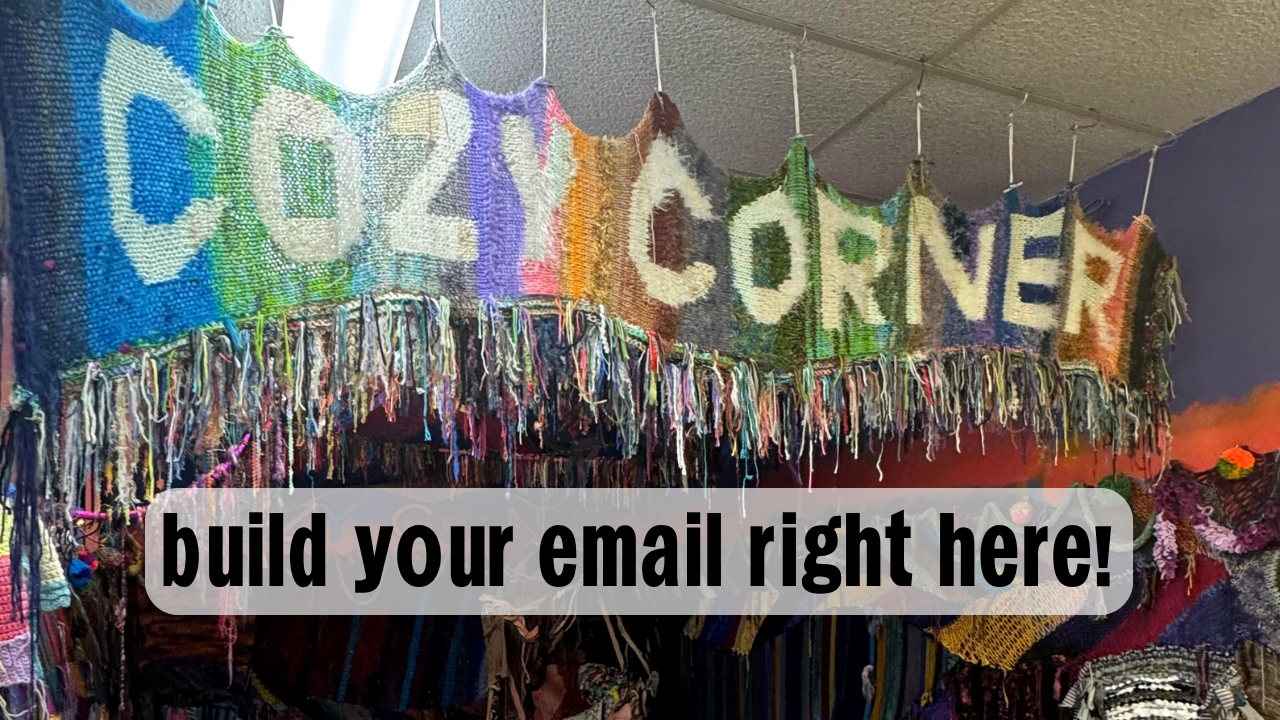
💌 The Save DoodleHATCH Email Machine

A few clicks, a little personality, and an email that helps support DoodleHATCH and The REALM. No account or signup required.

What's your connection to DoodleHATCH?
Why does protecting places like this matter to you?
✨ Your email preview
To: Lilou@DoodleHATCH.com
Subject:

Your information stays in your browser until you choose to copy or open the message. The email does not send automatically. Emails support DoodleHATCH's advocacy campaign; they are not the same as official petition signatures or zoning testimony. Please review the message before sending.

🐹 Wait. What exactly is DoodleHATCH?

I’m so glad you asked.

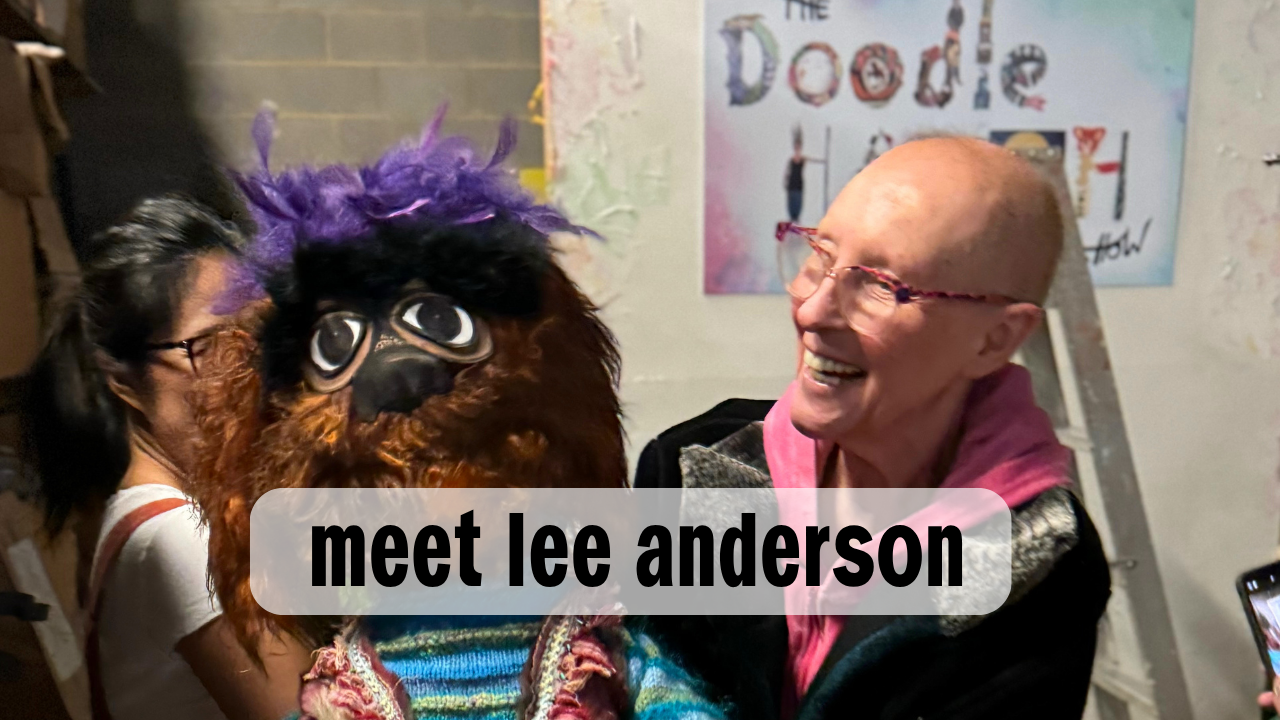
DoodleHATCH is an interactive art museum in Columbia, Maryland, created by artist, designer, and professional generator of wildly ambitious ideas, Lee Andersen.

The museum is designed as a pretend department store for mythological creatures, time travelers, and galactic tourists.

There are dozens of installations, and unlike most museums, you’re encouraged to touch things, explore, and participate.

There’s also an artist’s studio full of fabric and handmade garments, workshops, special events, birthday parties, free books, and opportunities for local artists to share their work.

The museum welcomes families and children, but adults are absolutely allowed to enjoy themselves, too.

And the woman behind it has spent decades bringing creativity into the community through fashion, festivals, education, and public art.

I discovered DoodleHATCH in 2020 and loved it so much that I started volunteering.

I’ve been back multiple times, and there are still things I haven’t seen.

That’s part of what makes it special. You can keep discovering things because people keep creating them.

You don't have to live near DoodleHATCH to care about it.

There are Merriment Makers everywhere.

People turning empty buildings into art spaces. People organizing parades. People teaching kids how to sew, paint, dance, or build things. People putting enormous amounts of time into projects that make their communities more interesting.

Sometimes they’re running nonprofits. Sometimes they’re working out of their garages. Sometimes they’re making something weird in a strip mall that you might drive past a hundred times without realizing what’s inside.

I hope you’ll help protect DoodleHATCH.

And I hope you’ll look around your own community, too. Visit the strange little museum. Go to the local art show. Find the person who makes giant puppets or organizes an absurd annual festival. Spend your money at the independent shop with the handmade things.

There are people everywhere creating reasons for us to be curious about being alive.

I’d like them to be able to keep doing that.

Help save DoodleHATCH. Help protect The REALM. Help keep the world interesting.

💌 Email: Lilou@DoodleHATCH.com

🌈 Visit: DoodleHATCH.com

🦄 Share: Uncustomary.org/Doodle