
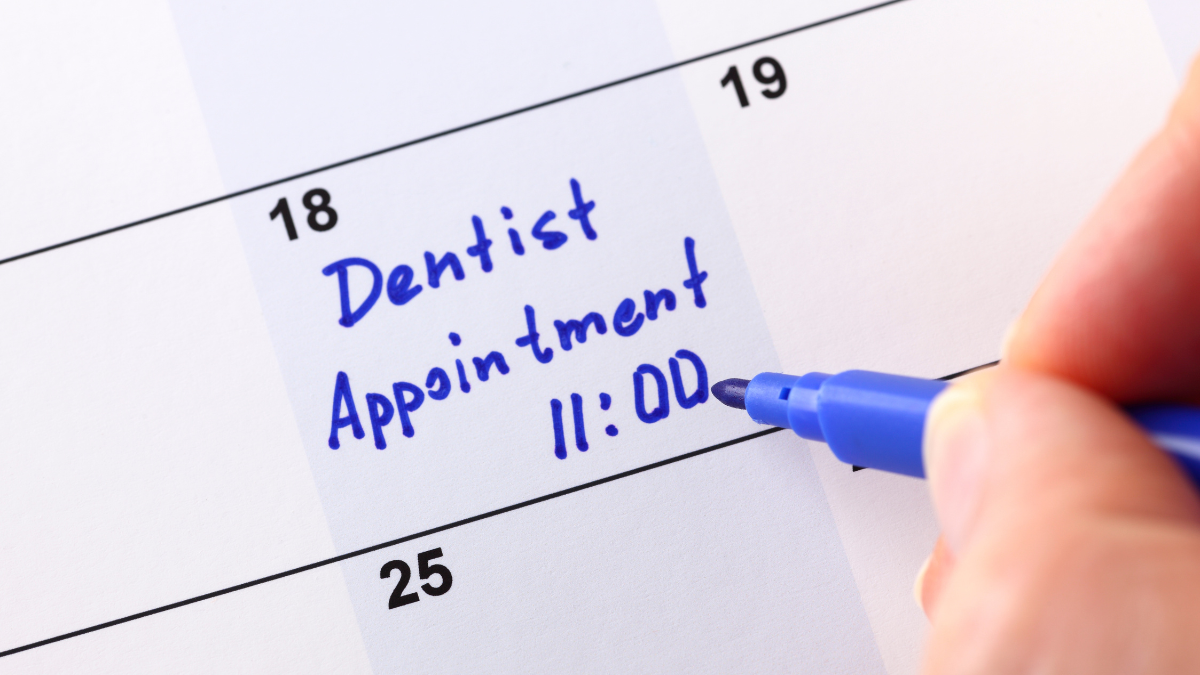
Dental care is one of those things that tends to get more complicated over time. When you’re younger, a twice-yearly cleaning and the occasional filling might be all you need. As you get older, the picture shifts. Gum issues, crowns, root canals, and cosmetic work start entering the conversation. And if your coverage hasn’t kept up with your actual dental needs, the bills can start to feel genuinely overwhelming.
The good news is that there are real, practical ways to manage dental costs at every stage of life, whether you have insurance, no insurance, or coverage that doesn’t go far enough. Here are seven approaches worth putting into practice.
1. Don’t Skip Preventive Appointments
This one sounds obvious, but it’s worth saying clearly: the two appointments a year that feel like a cost are almost always cheaper than what happens when you skip them. Cavities caught early need a filling. Cavities caught late need a crown or a root canal. Gum disease identified at the start is manageable. Gum disease that’s been developing unchecked is a much more involved and expensive situation.
Preventive care is the most cost-effective dental investment available. Whatever plan or strategy you’re using to manage costs, keeping up with cleanings and check-ups should be the non-negotiable centre of it.
2. Understand What Your Current Coverage Actually Covers
A lot of people have dental coverage they don’t fully understand. They know they have a plan, but they’re not sure what the annual maximum is, what percentage of major work is covered, or whether their preferred dentist is in-network. That uncertainty tends to lead to surprises when a bill arrives.
Take the time to read through your plan’s summary of benefits. Know your annual maximum, your deductible, your co-pays for different procedure categories, and your network. That information changes how you plan and time dental work, especially larger procedures.
3. Compare Costs Between Providers
Dental fees aren’t fixed. Different practices charge different amounts for the same procedure, and the variation can be significant, especially for more expensive work like implants, crowns, or orthodontics. Calling around or using cost comparison tools before committing to a provider for major work can surface meaningful savings without any reduction in quality of care.
This is particularly relevant if you’re self-paying or if your plan has a co-insurance structure where you’re responsible for a percentage of the total cost regardless of which provider you use.
4. Look Into Dental Savings Plans as an Alternative or Supplement
Dental savings plans are a different model from insurance. Instead of paying premiums and filing claims, you pay a flat annual fee that gives you access to discounted rates at participating dentists. There are no waiting periods, no annual caps, and the savings apply immediately to both routine and major work.
For people without employer-sponsored insurance, those who’ve aged out of a parent’s plan, self-employed individuals, or retirees whose coverage has changed, dental plans of this type are often more cost-effective than traditional insurance for their actual usage pattern. Members on DentalPlans.com report average savings of around 50% on procedures, with options available for individuals, families, and seniors across a wide network of participating dentists.
5. Time Major Work Strategically
If you’re heading toward a procedure that’s going to cost a significant amount, timing can matter. Most dental insurance plans run on a calendar year, so if you know you need a crown and you’re already close to your annual maximum, it might make sense to schedule the procedure in January rather than December. That way you have a fresh year of benefits available to apply to the cost.
The same logic applies in reverse. If you haven’t used much of your benefit by November, it can be worth checking whether there’s anything overdue that could be addressed before the year resets.
6. Ask About Payment Plans for Larger Procedures
Most dental practices offer some form of financing for larger procedures, either in-house or through third-party providers like CareCredit. If a crown or implant is genuinely necessary but the upfront cost is a barrier, spreading the payments over several months is often possible without high interest if you qualify for a promotional period.
It’s worth asking directly. Many patients don’t realise payment options exist until they bring it up, and dentists generally prefer to work out a plan than have a patient delay care that’s going to get more expensive the longer it waits.
7. Keep Your At-Home Care Consistent
This might be the least exciting item on the list, but it’s the one that has the most direct impact on your long-term dental costs. Brushing twice a day, flossing daily, and using a fluoride toothpaste keeps the kind of problems at bay that become expensive when they develop unchecked. Good at-home habits reduce the likelihood of cavities, gum disease, and the costly procedures that follow from both.
In practice, the people who spend the least on dental care over a lifetime are usually the ones who were consistent about the basics, not the ones with the best insurance. The two things together, good habits and smart coverage choices, are what actually keep costs manageable as your needs evolve.
The Bottom Line
Dental costs don’t have to spiral out of control as you get older or as your needs become more complex. With the right coverage in place, a clear understanding of your benefits, strategic timing, and consistent preventive care, it’s genuinely possible to stay on top of your dental health without constant financial stress. The key is being proactive rather than reactive, starting before the costs get ahead of you.