
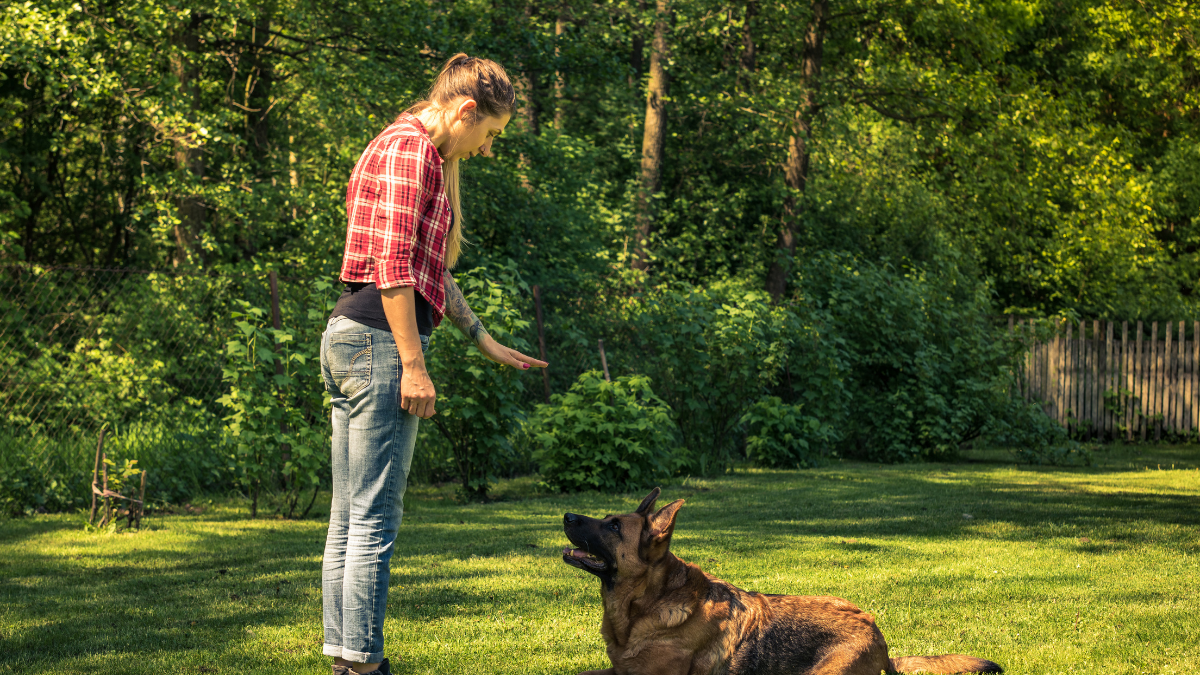
Familiarity and companionship in your family life are brought when you get a dog into your house. But without predictable guidance, your dog can develop bad habits of barking and chewing. Good dog training will help you communicate with your dog and will help you get them to be a good furry friend.
To train a dog successfully, you should understand canine psychology and use positive reinforcement. Dog training methods mean rewarding good behaviour rather than using the old punishment tactics. This blog shares the five things you should do to develop strong obedience habits for your dog.
1. Positive Reinforcement and High-Value Reward Timing
One of the pillars of modern, science-based dog training is positive reinforcement. The technique rewards the desired behaviours with yummy treats or toys when the correct behaviour occurs. A dog training guide allows you to make good choices instantly with clickers or reward markers such as “Yes!”
Key elements of effective positive reinforcement are:
- Instant Timing: Gives treats within one second of the right action so your dog knows which behaviour earned the reward
- High-Value Treats: Use small pieces of cooked chicken, cheese or soft liver treats during early learning sessions
- Fading Rewards: Gradually move from food treats to verbal praise and head scratches when behaviours become consistent
2. Consistency in Commands, Rules, and Household Boundaries
The number one reason dogs get confused and slow down their obedience training progress is inconsistency. If one family member lets your dog on the couch and another scolds them for it, your dog cannot understand what is expected. When you train your dog, establish clear rules for the household and use the same single-word verbal commands consistently with all family members.
Areas requiring family-wide consistency:
- Unified Command Words: Agree on exact command words such as “Sit”, “Stay”, and “Down” so that all family members use the same cue
- Boundary Management: Set firm rules of access to the furniture, panhandling at the dinner table, and jumping on visitors when they arrive
- Daily Practice Training Schedules: Instead of a long, tiring weekly session, do five-minute command sessions twice a day
3. Socialisation, Desensitisation and Counter-Conditioning
To prevent fear-based reactivity, your dog must be exposed to new things, loud sounds, people who are strangers and other animals. Desensitisation is when you expose your dog to triggers like vacuum cleaners or passing cars at low levels of intensity where your dog feels safe. Counter-conditioning can help by pairing those triggers with tasty, high-value treats and changing your dog’s emotional response.
Dog socialisation and counter-conditioning steps that work:
- Controlled Distance: Keep your dog away from new dogs or scary triggers so your dog can stay calm enough to focus and learn
- Pairing Triggers: Continue to give treats as long as scary triggers appear, and stop giving treats as soon as the trigger disappears
- Gradual Exposure: Slowly increase the intensity or proximity of triggers over multiple training sessions as your confidence grows
4. Redirection and Impulse Control Exercises
Dogs investigate their surroundings with their mouths and so may develop unwanted behaviours such as nipping. Redirect your dog’s energy to appropriate outlets such as chew toys or puzzle games. Teaching impulse control commands such as “Leave It” and “Wait” can help your pup learn self-regulation, preventing them from bolting through open doors or snatching food that has fallen on the ground.
Dog impulse control exercises to make them strong:
- Wait for Mealtime: Have your dog sit still while you put his food bowl on the floor
- Doorway Thresholds: Train dogs to wait at open doors until a clear release word is given to walk through
- Leave-It Games: Reward dogs for ignoring treats in closed hands, then give them higher-value treats
5. Short, Engaging Training Sessions and Crate Comfort
Short fun training sessions are the best kind of training for dogs and should end on a positive note. Formal command sessions should last from three to five minutes. Make training fun and stress-free by focusing on single skills. A training space provides your dog with a safe, comfortable place that helps with housebreaking and prevents chewing in an unsupervised area that can be damaging.
Start Building a Better Bond with Your Dog
These techniques develop clear communication, mutual respect and rock-solid obedience habits for your dog. Positive reinforcement, consistency in the home, considered socialisation, impulse control and short training sessions will set your dog up for success, both at home and out in the world. Training your dog systematically can help prevent bad habits and make you a more confident and loving family member.