
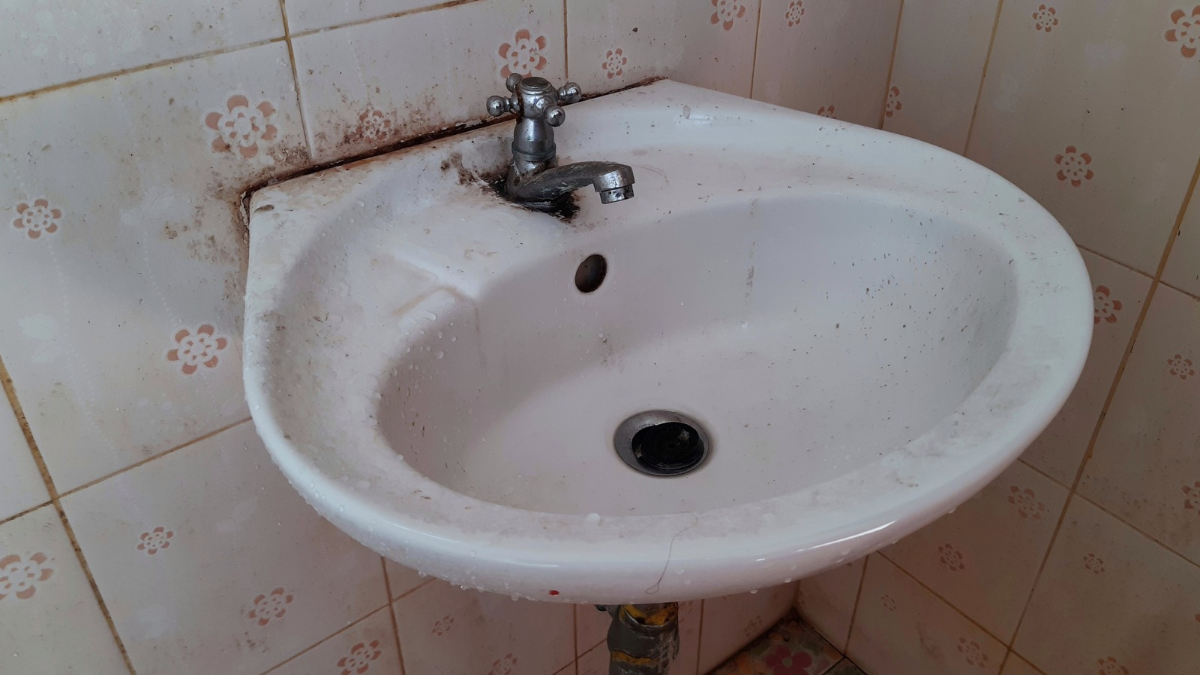
A pale yellow ring around a faucet is easy to dismiss. It disappears after a good scrub, only to return a week later. Brown marks may collect beneath a toilet’s water line, at the base of a tap, or along the edge of a shower. They can look alike even when they have completely different causes. Knowing what is leaving the mark matters more than finding the strongest cleaner on the shelf.
Some deposits come from minerals in the water. Others involve rusting metal, soap residue, aging sealant, or moisture escaping where it should not. Routine cleaning services can remove many surface deposits, but repeated staining may also be a clue that something needs repair. The useful question is not simply how to make a fixture white again, but why the discoloration keeps forming in that exact spot.
For someone arranging a bathroom clean with Rapids Cleaning Services, describing the location and texture of a stain is more helpful than calling it “hard-water buildup” without checking. A powdery ring under a faucet requires a different approach from a brown streak emerging through cracked caulk. Start with the evidence on the surface before deciding what to use.
Look at the Pattern Before Reaching for a Cleaner
A stain’s shape often provides the first clue. A narrow ring where water repeatedly evaporates suggests a deposit left behind as the water dries. A vertical streak beginning below a metal fitting may point to corrosion. An uneven patch at the junction of a tub and wall could involve moisture trapped behind damaged sealant.
Pay attention to what happens after the fixture is dried. Does a spot return only after someone showers? Does it appear even when the bathroom has not been used? Is it rough and raised, or does the color seem to sit beneath a smooth finish? Photograph the cleaned area and compare it over several days. That small record can prevent repeated scrubbing of a mark that cleaning cannot fix.
Yellow Rings Often Begin With Water Minerals
Tap water contains varying amounts of dissolved minerals. Where hard water evaporates, calcium and magnesium compounds can accumulate as pale, chalky scale. Scale may look white initially, then take on a yellow or tan appearance when mixed with soap residue, dirt, or small amounts of iron.
This is why buildup often follows the outline of a faucet base or gathers near shower controls. Water sits against the fitting, dries, and leaves another thin layer. Frequent splashes produce repeated deposits even in a regularly cleaned bathroom.
Choose a method that matches the surface
On a compatible, intact surface, a manufacturer-approved descaling product may loosen mineral buildup. Follow the label and test an inconspicuous area first. Acidic products, including vinegar, can damage natural stone, some grout, and certain fixture finishes. They should never be treated as universally safe bathroom cleaners.
A soft cloth is preferable to a metal scraper or abrasive pad. Once deposits are removed, dry the fitting and surrounding ledge so water does not immediately sit in the same place again. If a faucet constantly drips, cleaning alone will not stop the recurring ring.
Brown Streaks May Point to Iron or Corrosion
Reddish-brown discoloration can come from iron in the water, a corroding metal component, or rust transferred from an object left on a wet surface. A shaving-cream can, for example, may leave a distinct orange circle on a shower shelf. A rusty screw or deteriorating drain component can leave a streak that begins at one point and spreads downward.
Look for a matching metal source before assuming the entire water supply is responsible. If brown marks affect several fixtures, or the water itself appears discolored, contact the water utility or a qualified plumber for appropriate guidance. Do not diagnose water quality from the color of a stain alone.
A renter might ask Rapids Cleaning Services to remove accessible surface deposits while separately reporting a corroded fitting to building maintenance. Those are different jobs, even when the stain first draws attention to both.
Rust-removal products vary widely in strength and surface compatibility. Some can harm protective coatings or react dangerously with other chemicals. Never combine an acidic descaler or rust remover with bleach. Read labels, ventilate the room as directed, and avoid experimenting on damaged fittings.
Toilet Stains Need Their Own Diagnosis
A yellow or brown line inside the toilet bowl may form where minerals and residue accumulate at the waterline. Under-rim marks can result from deposits around the small openings where flushing water enters. These areas may need careful cleaning with a product specifically approved for the toilet’s material.
Not every mark is an ordinary scale. Dark or rusty water after a period of nonuse, persistent staining despite suitable cleaning, or unusual tank components may justify a plumbing inspection. Do not pour multiple toilet cleaners together or use abrasive tools that scratch the glaze; roughened porcelain can hold new deposits more readily.
When comparing cleaning services for a bathroom with recurring toilet rings, ask whether the work covers deposits inside the bowl and beneath the rim. Equally important, ask what happens if staining proves permanent or comes from a mechanical problem. A clear scope avoids expecting a cleaning visit to repair a fixture.
Discoloration Along Caulk Can Mean Something Else
The flexible sealant where a tub meets tile can yellow as it ages or become discolored after repeated contact with water and cleaning products. Dirt can also collect along its edges. If the color is on the surface, gentle cleaning may improve it. If discoloration lies within the sealant, more scrubbing is unlikely to restore its original appearance.
Check whether the caulk is cracked, lifting, or missing. Water can pass through gaps and affect material behind the wall or tub surround. Soft wallboard, swollen trim, loose tiles, or a persistent damp smell are reasons to stop treating the problem as cosmetic and report it for repair.
Do not cover a failed joint with fresh caulk
New sealant applied over dirty, wet, or deteriorated material may fail quickly. The underlying moisture problem must be corrected, and surfaces must be prepared and dried according to the product instructions. Where damage is suspected behind tile, a qualified repair professional should inspect the area before cosmetic work begins.
The Finish Itself Could Be Changing Color
Some older fixtures develop stains that appear impossible to remove because the finish has worn away. Scratches in a sink glaze can trap discoloration. Damaged enamel may expose material beneath it. Certain plastics and sealants also change color with age, light, heat, or chemical exposure.
A stain beneath an intact-looking coating will not respond like a removable deposit. Stop if gentle cleaning makes no difference, particularly if the surface feels rough, flakes, or becomes duller. Continued abrasion can turn a small cosmetic problem into permanent damage.
This distinction can help when discussing expectations with Rapids Cleaning Services. The aim of a bathroom clean should be to remove accessible residue safely, not to promise that every yellowed surface can return to its original shade. Photographs of worn or discolored fixtures can clarify which areas may need repair or replacement instead.
Break the Cycle Without Overcleaning
Once the source is identified, prevention becomes more specific. Dry water from faucet bases and tub ledges after use. Repair dripping fittings. Keep bottles and metal containers off consistently wet shelves. Ventilate the bathroom during and after showers, and allow mats and towels to dry fully.
A gentle, regular routine is often better than occasional aggressive scrubbing. Stronger chemicals are not automatically more effective, especially on plated metal, stone, or aging coatings. If deposits return at the same rate despite appropriate care, revisit the possibility of a drip, corrosion, or hidden moisture rather than increasing cleaning frequency.
Established surface buildup is a fair job for a visit from cleaning services grand rapids, but that visit is only one part of the response. A recurring brown line under a corroded fitting needs the fitting addressed; a yellow patch beneath damaged sealant requires an examination of the joint. The stain tells you where to look, not necessarily what product to buy.
What a Lasting Fix Really Looks Like
A clean bathroom should not depend on repeatedly scrubbing the same unexplained mark. Identify whether the stain is a deposit, transferred rust, damaged finish, or sign of moisture first. Then choose the least aggressive safe method and correct the source where possible.
If Rapids Cleaning Services is handling the cleaning portion, share any history of returning stains and point out damaged finishes before work begins. That context helps keep the task focused on what can safely be removed. The best use of cleaning services is to deal with removable buildup while leaving leaks, corrosion, and failing materials to the professionals who can fix them.