
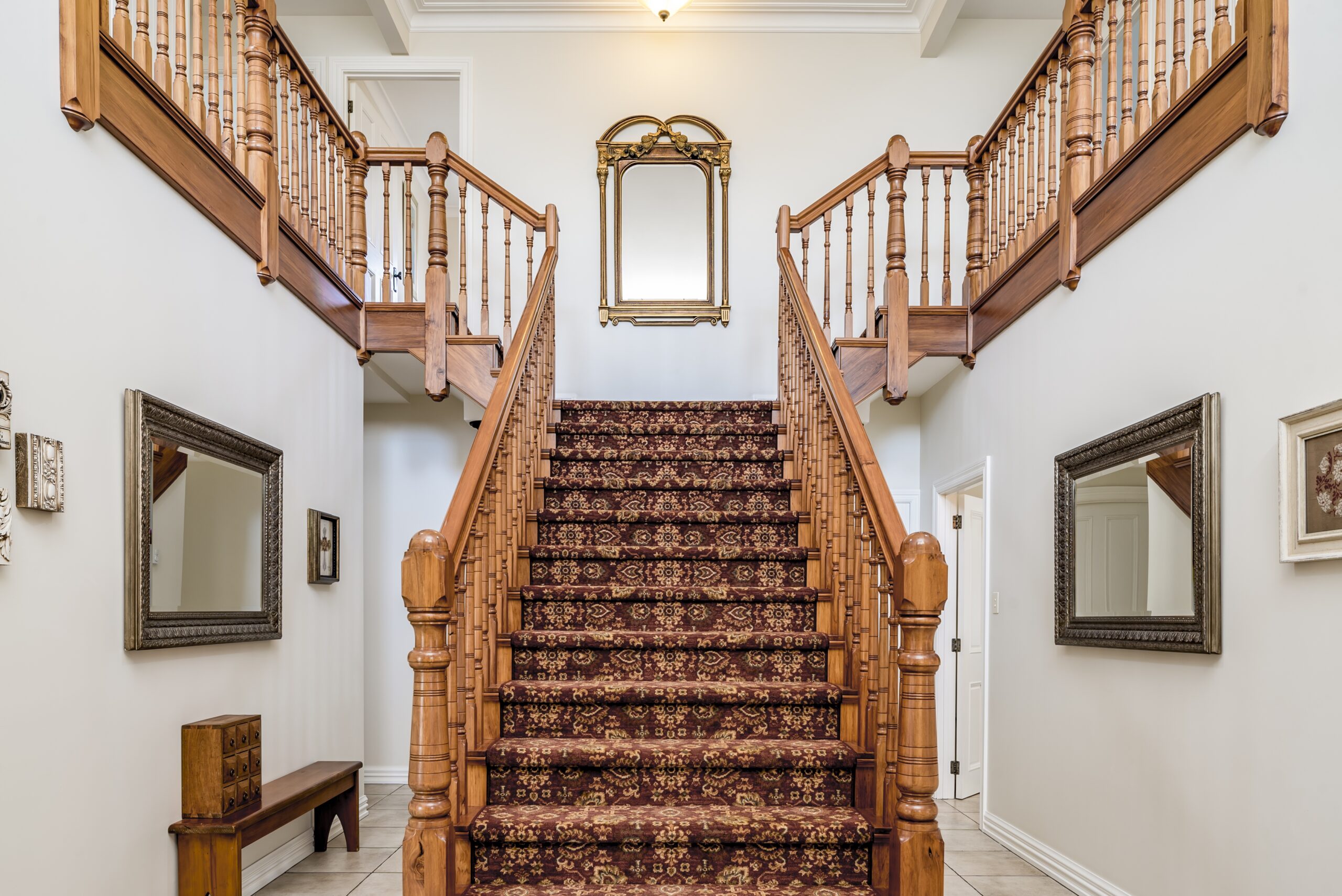
Stair spindles may seem like small parts of a staircase, but they have a big impact on its safety and appearance. The right design can add classic detail to a traditional home or create a clean, simple look in a contemporary space.
Finding the appropriate spindles, however, is not as easy as picking a style you like. You need to consider their shape, material, and finish, as well as how well they fit with your handrail and newel posts. There is also a possibility that certain designs require greater maintenance than others, so it is essential to consider both the way something looks and how it can be used.
By comparing these features, you can find stair spindles that complement your interior and suit your practical needs.
The following six sections cover the key points to consider when choosing spindles for traditional and contemporary homes.
Understand the Role of Stair Spindles
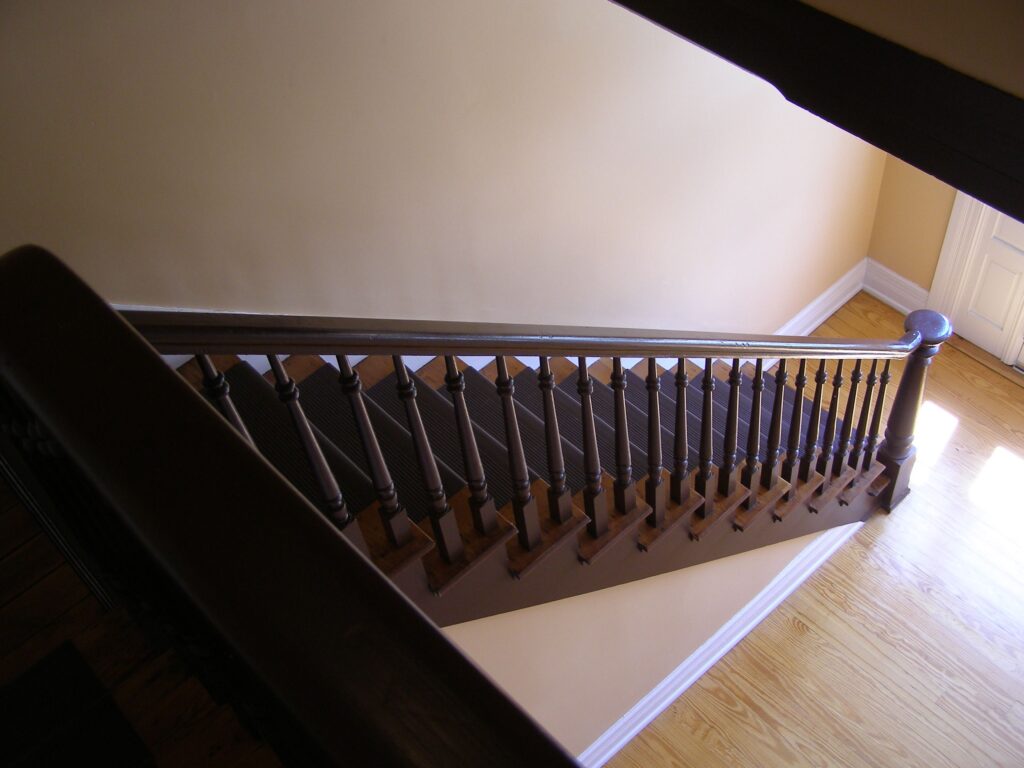
Stair spindles are the vertical parts of a staircase railing that sit between the handrail and the base rail or steps. They help close off open spaces along the stairs and form part of the railing’s structure.
Each part of the railing has a different job. The handrail gives you something to hold, while newel posts provide support at the start, end, or turns of the staircase. Spindles fill the spaces between the handrail and the base rail.
These parts also shape the staircase’s appearance. Decorative wooden spindles can suit a traditional home, while simple designs can work well in a modern space.
Before choosing a style, think about how your staircase will be used and what you want it to look like. A busy family home may need durable parts that are easy to care for, while a formal living area may suit more detailed designs.
Explore Traditional Stair Spindle Designs
Traditional stair spindles often feature curves, shaped profiles, and decorative details. They can suit homes with classic woodwork, detailed trim, and traditional furniture.
- Colonial: These spindles often have tapered shapes and balanced lines. Their classic design works well in traditional homes and some updated interiors.
- Bunker Hill: Soft curves give this style a historic feel. It can add character to staircases in homes with classic decor.
- Carolina: This style has an old-world look that can complement decorative woodwork and traditional furnishings.
- Fluted and reeded designs: Fluted spindles have long grooves, while reeded spindles have raised, rounded ridges. Both add texture without using complex shapes.
When choosing a traditional design, consider the amount of detail already in your home. If your doors, floors, and trim have decorative features, simpler spindles may help keep the space balanced. More detailed designs can work well in rooms with plain walls and simple furnishings.
Compare Contemporary Stair Spindle Styles
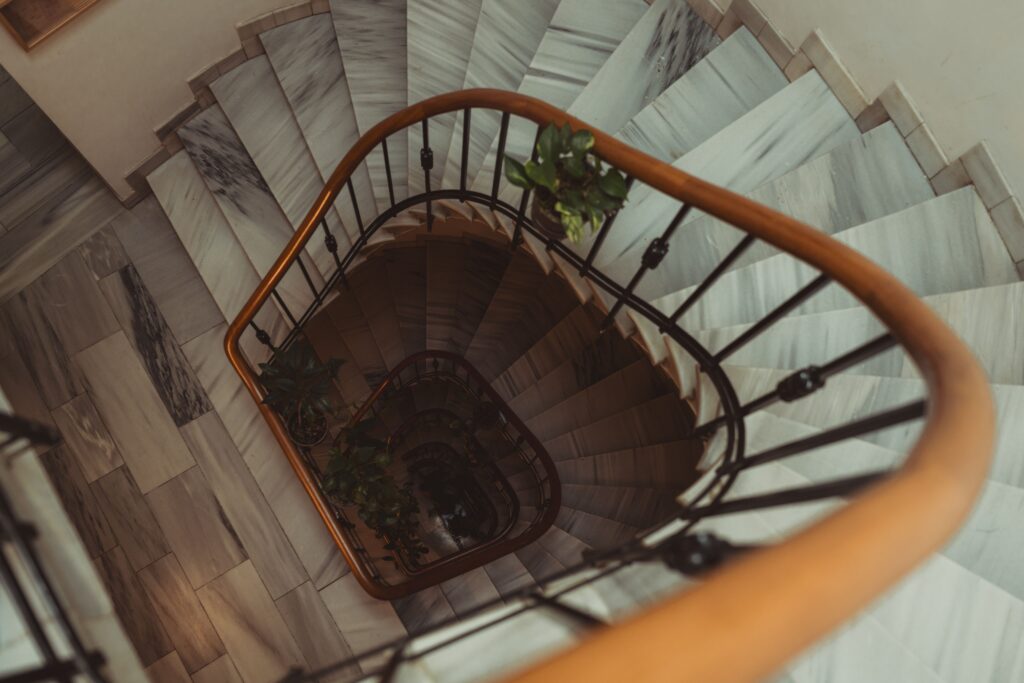
Contemporary stair spindles often use straight lines, simple shapes, and little decoration. These features suit modern homes where clean lines and open spaces are common.
- Hampton: This style has a simple look that can suit modern interiors without adding too much detail.
- Plain square designs: Square spindles have straight edges and a basic shape. They work well with simple trim and modern furniture.
- Fluted and reeded designs: These styles can also suit contemporary homes when paired with simple finishes. Their texture adds detail without making the railing look too busy.
The finish can change the effect of a spindle. Natural wood can add warmth to a modern room, while paint can give the railing a smooth, even color.
You do not have to choose the plainest design to achieve a modern look. A spindle with a clear shape or subtle detail can add interest while keeping the overall design simple.
Choose Materials That Suit Your Home
The material affects how your spindles look, how well they handle daily use, and how much care they need. Wood is a common choice because it comes in different colors, grain patterns, and shapes.
Hardwoods such as oak and maple generally resist dents and scratches better than softer woods. Pine is often easier to cut and paint, but it may show marks more easily. Consider how much use your staircase gets when comparing these options.
Wood finishes also affect the final result. A clear coat shows the natural grain, while paint gives the surface a solid color. Choose a finish that suits your preferred look and the amount of upkeep you can manage.
Metal spindles can suit modern and industrial interiors, especially when paired with wooden handrails. Compare their finish and care needs before choosing them for your staircase.
Whichever material you prefer, consider its strength, upkeep, and fit with the other railing parts before making your decision.
Match Spindles with Your Staircase and Interior
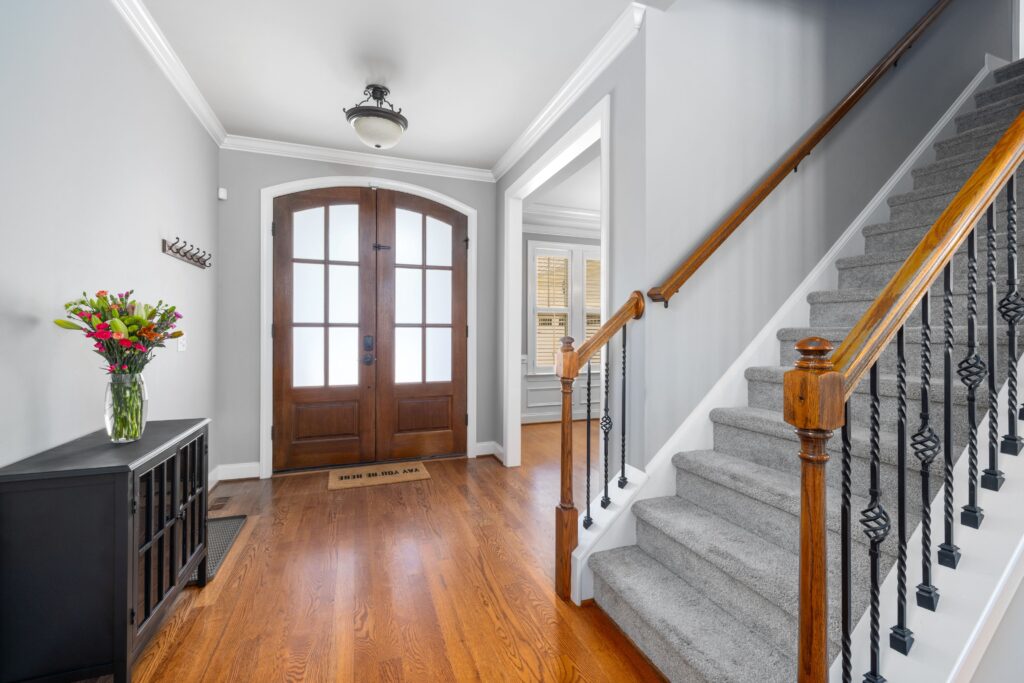
After choosing a style and material, look at how the spindles will fit into your home. You do not need every part to match exactly, but the design should feel balanced with the surrounding features.
Start with your floors, doors, and trim. Simple spindles often work well with plain trim and clean-lined furniture, while decorative designs can suit homes with detailed woodwork and classic furnishings.
The shape of your staircase also matters. A straight staircase may suit a simple, repeated pattern, while a curved staircase may need parts designed to follow its shape.
Check how the spindles look beside the handrail and newel posts, too. Similar finishes and matching design details can help the railing look complete without making the space feel crowded.
Check Measurements, Safety, and Fit Before Buying
Before buying stair spindles, measure your staircase and check the rules that apply to your project. Correct measurements help the parts fit properly and support a secure installation.
Check the railing height and the space between spindles. Building codes may set limits for both, so confirm your local requirements before placing an order. Rules can vary by location and staircase type.
Next, make sure the spindles fit your handrail, base rail, and newel posts. Check their sizes and joining points, especially if you are replacing existing parts.
Calculate how many spindles you need for each section of the stairs. The number depends on the length of the railing and the required spacing, so plan carefully before buying.
Finally, review the material, finish, and quantity of each part. Checking your measurements and order details can help prevent delays. If you are unsure about fitting or safety requirements, ask a qualified stair installer for help.
Conclusion
Choosing stair spindles for a traditional or contemporary home means balancing style, strength, and ease of care. Colonial and Carolina designs can add classic detail, while simple shapes can suit modern interiors. Your choice should fit your home’s decor and the way you use your staircase.
Before buying, measure the space, check local safety rules, and confirm that all parts fit together. Comparing your options carefully can help you create a staircase that looks good, provides support, and serves your household well for years to come.