
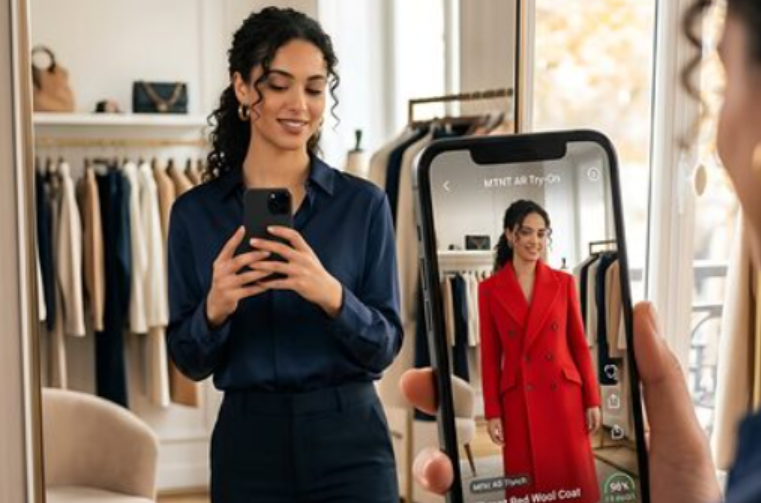
Augmented reality (AR) is changing how people interact with digital technology, and the fashion industry is one of the most exciting areas experiencing this transformation. From virtual clothing previews to interactive shopping experiences, platforms like Kivisense use AR and artificial intelligence (AI) to help consumers explore new clothing styles and make informed purchasing decisions. As online shopping continues to grow, these technologies are creating new opportunities for customers, designers, retailers, and fashion brands.
What is Augmented Reality in Fashion
Augmented reality combines digital elements with the real world. Using smartphones, tablets, cameras, and other compatible devices, users can view digital objects or effects within their surroundings. In fashion, AR enables customers to preview clothing, accessories, and different styles without physically trying them on.
Traditional online shopping often makes it difficult to determine whether a particular outfit will suit an individual. Product photographs provide useful information, but they cannot always communicate how clothing might look on a specific person. Augmented reality helps bridge this gap by offering more interactive and visually engaging shopping experiences.
AI clothes try on solutions allow users to experiment with different outfits, explore styles, and visualize potential looks from the comfort of their homes. This technology makes fashion discovery more convenient while bringing elements of the in-store shopping experience to digital platforms.
How Artificial Intelligence Works in Virtual Try-On
Artificial intelligence plays an important role in improving virtual fashion experiences. While AR helps display digital content in real-world environments, AI can analyze images, recognize visual patterns, and generate or modify images according to user input.
AI-powered fashion tools can help users visualize how different garments might look on them. Depending on the platform, these tools may use image processing, body and pose estimation, and generative AI techniques to create realistic clothing previews.
For example, users who want to experiment with different outfits can explore platforms like Kivisense, which offers an AI-powered virtual fashion experience. Such tools demonstrate how technology can make clothing discovery more interactive and accessible.
Instead of relying exclusively on product images or imagining how a garment might look, shoppers can explore digital previews before deciding which styles they want to purchase.
How AI Clothes Try-On Technology Works
AI clothes try-on technology is designed to simplify the process of visualizing outfits digitally. Although the exact process varies between platforms, the experience generally involves uploading or selecting an image, choosing a garment, and allowing the system to generate a visual representation of the outfit.
An AI-powered tool may analyze the person’s appearance, the garment’s shape, and the position of different body parts before producing a transformed image. Advanced image-generation methods can help preserve important visual details while adapting the selected clothing to the person’s photograph.
People interested in exploring this technology can try AI clothes try on tools to experiment with virtual outfit changes and discover different fashion possibilities.
These experiences can be particularly useful for people who want to explore new clothing styles, compare outfit ideas, or create digital fashion previews without changing clothes repeatedly. However, generated images are visual simulations and may not perfectly represent a garment’s actual fit, fabric texture, color, or comfort.
Benefits of Augmented Reality for Online Shopping
One of the biggest advantages of AR and AI in fashion is convenience. Customers can explore clothing options without visiting multiple physical stores or spending time trying on numerous garments. Digital previews can make it easier to compare styles and narrow down purchasing choices.
Another important benefit is personalization. Consumers have different preferences, body proportions, and fashion goals. AI-powered experiences can provide additional ways to visualize outfits and explore looks that reflect individual tastes.
Virtual try-on technology may also help retailers improve customer engagement. Interactive experiences encourage shoppers to spend more time exploring products and can make online storefronts feel more dynamic. When integrated thoughtfully, these tools may help reduce uncertainty and support better-informed purchase decisions.
Sustainability is another potential advantage. If virtual previews help consumers make more suitable choices, they may contribute to fewer unnecessary purchases and returns. The environmental benefits, however, depend on how the technology is implemented and whether it genuinely changes consumer behavior.
Challenges of Virtual Fashion Technology
Despite its potential, virtual fashion technology still faces several challenges. Generating a convincing clothing preview requires accurate image processing and realistic representations of garments. Differences in lighting, image quality, body positioning, and garment design can affect the final result.
Privacy is also important because some services require users to upload personal photographs. Consumers should review a platform’s privacy policy and understand how their images are stored, processed, and used before uploading them.
Furthermore, virtual try-on images cannot always predict real-world sizing or fit. Clothing materials stretch, drape, and move in ways that digital simulations may not fully reproduce. Retailers should therefore combine virtual previews with accurate sizing charts, detailed product descriptions, and clear return policies.
The Future of Augmented Reality in Fashion
The future of AR and AI in fashion is likely to involve increasingly interactive and personalized digital experiences. Improvements in image generation, computer vision, mobile devices, and three-dimensional modeling may make virtual clothing previews more detailed and accessible.
Fashion brands could use these technologies to create digital showrooms, interactive campaigns, personalized styling experiences, and virtual shopping assistants. Consumers may also gain more opportunities to experiment with different looks before making purchasing decisions.
As these innovations develop, the distinction between physical and digital shopping experiences may become less noticeable. Retailers that combine useful technology with reliable product information and responsible data practices will be better positioned to meet changing customer expectations.
To Sum Up
Augmented reality and artificial intelligence are opening new possibilities for the fashion industry by making online shopping more visual, interactive, and personalized. Virtual try-on experiences help consumers explore styles, discover new outfits, and make more informed decisions while giving retailers innovative ways to connect with their audiences.
Although challenges involving accuracy, privacy, and realistic garment representation remain, continued technological progress is likely to expand the role of digital fashion tools. By combining convenience with responsible innovation, AR and AI can help shape a more engaging and accessible future for fashion.