
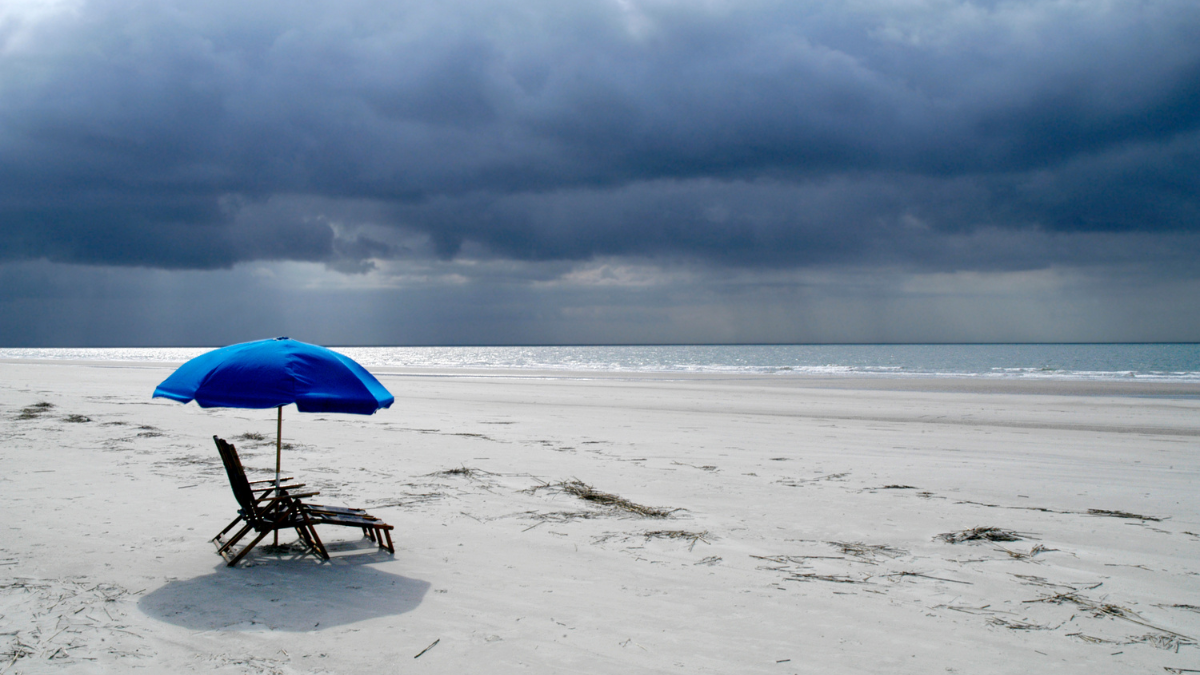
I used to plan trips in two-hour blocks. Spreadsheet tabs. Restaurant reservations six weeks out. Then a tropical storm parked itself over the one island I’d flown 3,000 miles to see, and every hour on that spreadsheet went poof. What saved the trip wasn’t a backup itinerary. It was buying travel insurance before I left, which covered the rebooking fees I would have eaten otherwise.
Most travelers budget their attention for the ten days that go as planned. Almost nobody budgets for the two days that don’t. A wiped-out transit day, a washed-out excursion, a stomach bug that turns a city break into a hotel-room movie marathon. Those days decide whether you come home with stories or a grudge.
Here’s what I’ve learned after enough trips to know better: the wildcard days aren’t the problem. The problem is that you walked in with no plan for them at all. So let’s fix that.
What Actually Counts as a Wildcard Day?
A wildcard day isn’t a crisis. It’s any stretch of your trip where the original plan stops working and you have to improvise with whatever’s in front of you. Think of them as three flavors:
- Weather days. The forecast you checked three weeks ago is now wrong.
- Transit days. Delayed flights, missed connections, a train that just doesn’t show.
- Reset days. You’re exhausted, slightly ill, or just done. You need a day that doesn’t ask anything of you.
Each one calls for a different response. The mistake is treating all three the same way, which usually means panicking and overbooking whatever’s closest to the hotel.
Build a Rainy-Day List Before You Leave
I keep a note on my phone called “If It Rains,” and it’s saved more trips than any itinerary app. The rule is simple: for every outdoor thing you plan, write down one indoor thing within walking distance of where you’re staying. A museum. A food hall. A bookstore with a cafe in the back. A spa you’d actually pay for.
Do this at home, not in the moment. When you’re standing in a downpour on a Tuesday morning with wet shoes and a fading phone battery, your judgment is garbage. Decision fatigue is real, and the research on it is well established, so I won’t argue against it. I’ll just tell you what works: make the list while you’re calm and your feet are dry.
Sit down with a weather source like the National Weather Service before you go and look at the historical patterns for your destination during your travel month. Not the seven-day forecast, which is useless from your couch, but the broader seasonal shape. If you’re headed somewhere with a wet season, you already know one of your wildcard days is coming. Plan for it.
Treat Transit Chaos Like a Skill, Not Bad Luck
Every traveler I know who handles delays well does the same three things, and none of them are glamorous.
- Book the earlier flight. I’ll take a 7 a.m. departure over a 6 p.m. one every single time, because delays compound as the day wears on.
- Never check a bag on a connecting itinerary. If your bag misses the connection and you don’t, you’re wearing the same shirt for three days.
- Keep a delay kit in your carry-on. Charger, snacks, a refillable bottle, a paperback, and a change of underwear. That last one sounds dramatic until the day it isn’t.
I’d pick a slightly worse seat on an earlier flight over a perfect seat on the last flight of the night, and I’d do it every time. The seat matters for five hours. The arrival time matters for the whole first day of your trip.
Why the Money Side Matters More Than You Think
Here’s where most people get caught out. They plan the fun, they forget the financial exposure. When a wildcard day hits and cancels an excursion, a hotel night, or a prepaid tour, someone eats that cost. Usually you.
The fix is boring and it’s effective: understand what your coverage actually does before you’re standing at a counter trying to explain yourself. If you’re traveling internationally, give yourself a runway. Check the health guidance for your destination through the Centers for Disease Control and Prevention well ahead of departure so you’re not scrambling on arrival. That kind of prep work pays off on the days you don’t plan for, and often it’s the difference between a minor inconvenience and a real financial headache.
Your Two-Day Wildcard Checklist
Before you leave, do these five things. They take about forty minutes total.
| Task | Why It Matters
|
|---|---|
| Write one indoor backup per outdoor plan | Kills the panicked-scroll moment |
| Book the earliest reasonable departure | Delays stack late in the day |
| Keep a delay kit in your carry-on | Wet socks ruin moods |
| Note your coverage limits and the claim line | You’ll want it before you need it |
| Pick one absolutely-nothing day | Rest is a plan, not a failure |
That last row is the one people skip. Build in one day with no reservations, no tickets, no expectations. Sit in a park. Eat somewhere with no reviews. Walk until you’re tired. It sounds soft, but it’s the day most travelers remember longest.
What to Do When the Day Is Already Going Wrong
If you’re reading this mid-disaster, here’s the short version. Stop. Sit down somewhere dry. Write out what’s actually lost versus what just feels lost. A delayed flight isn’t a lost trip. A cancelled tour isn’t a lost day. Then pick one small thing you can control in the next hour: a meal, a nap, a call to rebook, a walk. Control is the antidote to a spiraling afternoon.
The wildcard days don’t have to be the bad days. Handled with a little planning, they turn into the parts of the trip you tell people about. The detour to the tiny mountain town. The afternoon you spent hiding from a storm in a bakery that turned out to be the best meal of the week.
So which of your wildcard days are you planning for first?