
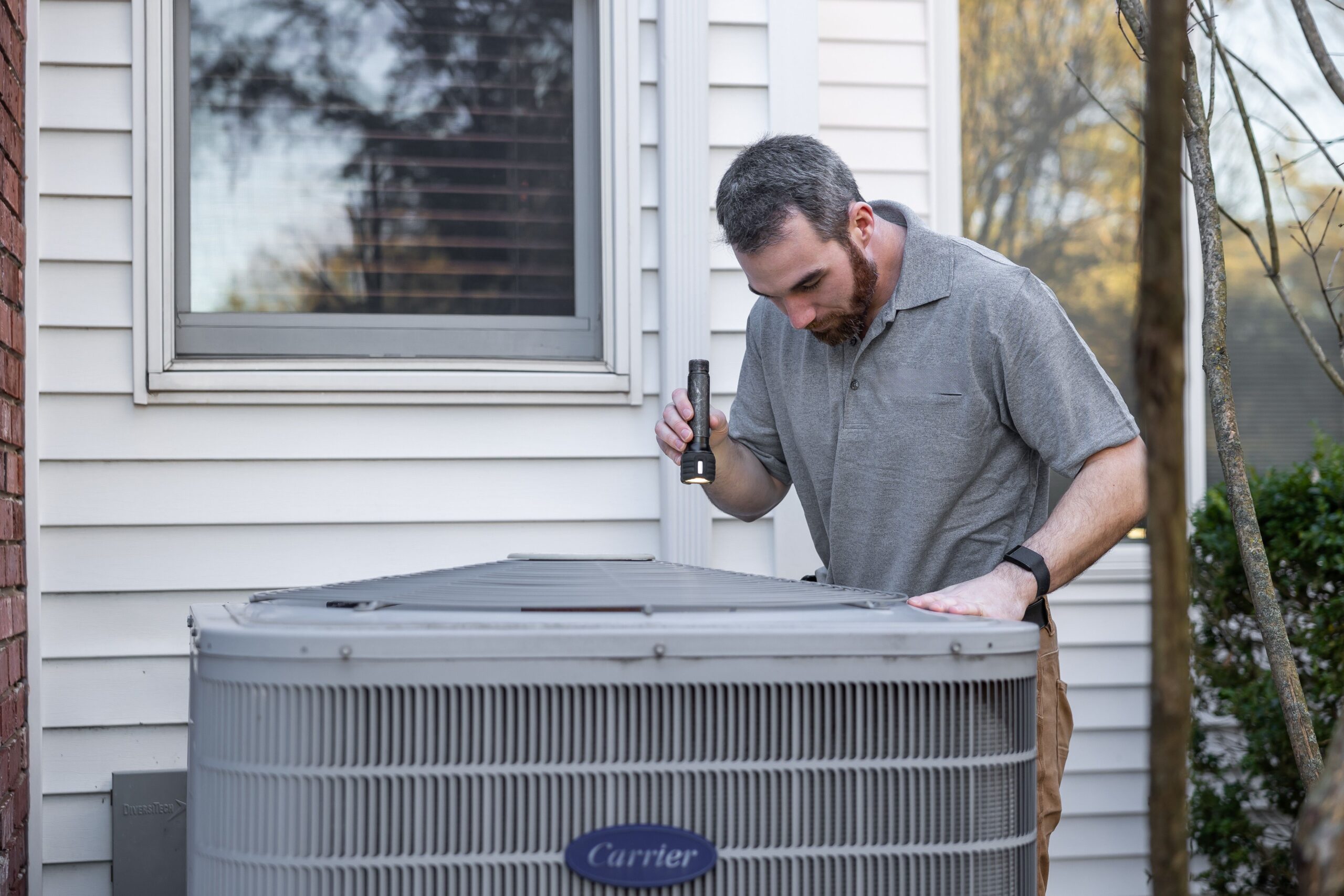
Hot weather can make a struggling air conditioner impossible to ignore. In Phoenix, where summer temperatures regularly exceed 100°F, dependable cooling is a practical necessity rather than a luxury. Still, a breakdown doesn’t always mean replacement, and an aging unit isn’t automatically beyond repair. The harder question is whether another service visit will solve the problem or merely postpone it. Looking at equipment age, repair history, running costs, and comfort together can help homeowners make a decision without panic.
Read the Repair History Before the Price Tag
One breakdown doesn’t tell you much about an air conditioner’s future. A failed capacitor on an otherwise healthy system may be an affordable repair. Three separate failures over two summers tell a different story, particularly if each visit involves another aging component.
Keep a record of service dates, replaced parts, technician findings, and costs. That history makes it easier to recognize when repairs are becoming a pattern instead of an exception.
A Phoenix AC replacement company can assess whether another repair is worthwhile or whether installing a new cooling system offers better long-term value. Ask for a diagnosis, written options, and an explanation of what could fail next. The aim is an informed decision, not an automatic sale.
Consider Age Without Treating It as a Deadline
Air conditioners don’t come with a guaranteed expiration date. Installation quality, maintenance, climate, and operating hours all affect how long equipment remains dependable. A well-maintained older unit might still have useful years ahead; a younger one can develop expensive faults.
Once a system is more than a decade old, however, it makes sense to examine its condition carefully when major repairs arise. Replacement may become attractive when age combines with repeated breakdowns, poor cooling, or rising bills.
Don’t replace working equipment solely because it reached a particular birthday. Ask whether the system’s current problems can be corrected at a reasonable cost and whether parts remain readily available.
Compare the Full Cost of Another Repair
A repair estimate should be considered alongside the system’s condition and expected future expenses. Spending several hundred dollars to restore a reliable unit may be reasonable. Paying thousands for a failing compressor in aging equipment deserves a different conversation.
Request the installed price of an appropriate replacement, then compare it with the proposed repair. Include warranty coverage, financing terms if relevant, and whether the quoted work addresses the underlying fault.
Avoid rigid formulas that promise a universal answer. A repair costing half the price of replacement is worth scrutinizing, but equipment condition, remaining warranty, and household finances still matter. Sometimes repairing now and saving for a planned replacement is the most practical choice.
Look at Bills, Not Just Thermostat Settings
Higher electricity costs can indicate declining performance, but they are not proof that the air conditioner is failing. Utility rates, unusually hot weather, changed thermostat settings, and household occupancy all affect consumption.
Compare energy use across similar seasons rather than looking at the latest bill alone. Notice whether cooling cycles seem longer and whether routine maintenance has been neglected.
When considering whether to replace heating and cooling equipment, age, frequent repairs, rising expenses, and uneven temperatures are useful signals to assess together. An efficient new unit may reduce electricity use, although actual savings depend on installation, existing equipment, and how the home is operated.
Investigate Hot Rooms Before Blaming the Unit
An uncomfortable bedroom isn’t necessarily evidence that the entire air conditioner needs replacing. Leaky ducts, inadequate insulation, blocked vents, and sunlight entering through windows can create temperature differences even when the equipment works properly.
A technician should examine airflow, refrigerant circuit performance, controls, and visible duct problems before proposing a new system. If the underlying issue lies elsewhere, replacement alone may leave the same room uncomfortable.
Ask for measurements and findings rather than accepting a vague description of an old unit struggling. Proper diagnosis protects against unnecessary expense and helps ensure that any new equipment is selected for the actual cooling load.
Factor in Refrigerant and Parts Availability
Older equipment may depend on refrigerants or replacement components that are difficult or costly to obtain. A system using R-22, for example, can still operate, but production and import restrictions have made servicing leaks more complicated.
That doesn’t mean every older refrigerant system must immediately be discarded. A technician can explain whether the fault is repairable, which parts are available, and what the work would cost.
If repeated refrigerant leaks or unavailable components keep interrupting cooling, replacement may offer a more predictable path. Ask about the refrigerant and warranty on any proposed new equipment, along with plans for future maintenance.
Insist on Proper Sizing and Installation
Choosing new equipment is more complicated than matching the capacity printed on the old unit. Previous equipment may have been oversized, and insulation or window improvements may have changed the home’s cooling needs.
A contractor should perform an appropriate load calculation, evaluate ductwork, and explain efficiency ratings before recommending equipment. An oversized unit can cycle poorly, while an undersized system may struggle under demanding conditions.
Good heating and cooling efficiency practices also include addressing air leaks and duct losses, which may affect comfort regardless of the air conditioner’s age. Installation quality matters as much as the model selected.
Make the Decision Before an Emergency Forces It
There is value in making this choice while the air conditioner still runs. You can seek competing estimates, review warranties, and schedule installation without rushing through unfamiliar terms during a heat wave.
If a minor repair restores dependable performance, keep maintaining the system and set aside funds for eventual replacement. If failures are frequent, parts are costly, and comfort continues declining, start planning a new installation before the next shutdown.
The smartest decision isn’t always the newest machine or the cheapest repair. It’s the option that offers reliable cooling at a cost you understand, based on clear evidence rather than fear.