
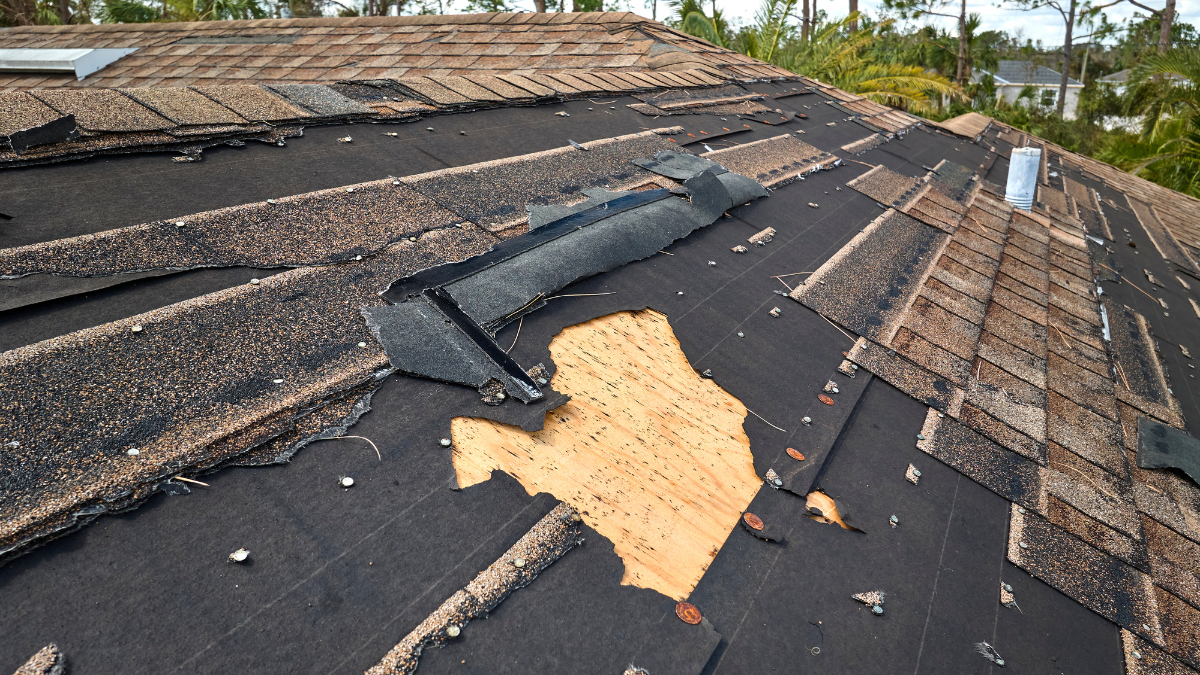
Severe weather can leave homeowners uncertain about the condition of their roofs. Strong winds, hail, and falling branches may damage roofing materials without creating immediate indoor leaks. Recognizing potential problems early helps property owners protect their homes and prepare accurate information for insurance discussions.
Storm damage documentation requires more than taking photographs of missing shingles. Homeowners should record weather conditions, visible changes, affected property areas, and any developing interior symptoms. These details create a useful timeline that supports professional evaluations and helps distinguish recent damage from existing deterioration.
Before arranging roof repair, homeowners should understand which observations are safe to make independently. Upright Roofing and Construction may be considered when professional roofing assessment becomes necessary. A careful approach prioritizes safety, preserves evidence, and helps homeowners communicate clearly throughout the insurance process.
Prioritize Safety Before Inspecting Storm Damage
The first step after severe weather is determining whether the property can be approached safely. Damaged roofing materials, unstable branches, and electrical hazards may create dangerous conditions.
Identify Immediate Exterior Hazards
Homeowners should examine their surroundings from a protected location before walking around the property. Fallen power lines, hanging branches, and visibly unstable structures require particular caution.
Never approach electrical wires or attempt to remove large debris resting against a building. Emergency services or qualified utility personnel should address dangerous conditions.
Roof surfaces should remain off limits during homeowner inspections.
Check for Interior Water Intrusion
Water stains, ceiling discoloration, and active dripping may indicate moisture entering the building. Homeowners can photograph accessible areas without disturbing damaged materials.
If water approaches electrical fixtures, occupants should avoid contact and seek appropriate professional assistance.
Temporary interior protection may reduce damage to belongings while further evaluation is arranged.
Create a Clear Record of the Storm
Accurate documentation begins with basic information about the weather event. These records help establish when damage was first noticed.
Record Dates and Weather Conditions
Write down the approximate date and time of the storm. Include observable conditions such as strong winds, hail, heavy rainfall, or falling debris.
Weather reports may provide additional context, but homeowners should distinguish official information from personal observations.
A simple written timeline can prevent important details from being forgotten during later conversations.
Photograph Visible Property Changes
Photographs should show both the overall property and individual areas of concern. Wide images establish location, while closer views capture visible damage.
Homeowners can photograph displaced roofing materials, damaged gutters, fallen branches, and debris from safe ground-level positions.
Images should remain unaltered when preserved as potential supporting documentation.
Recognize Different Types of Roofing Damage
Storms affect roofing systems in different ways. The appearance of damage depends on the roofing material, weather conditions, and existing roof condition.
Wind Damage to Roofing Materials
Strong winds may lift shingles, loosen flashing, or displace roofing components. Missing materials can expose underlying layers to additional weather.
However, not every irregular shingle indicates recent wind damage. Aging, installation conditions, and previous deterioration can create similar appearances.
Professional evaluation helps determine which observations relate to the reported event.
Hail and Impact Damage
Hail may affect shingles, metal panels, gutters, and roof accessories. Damage patterns vary with hail size, wind direction, and material characteristics.
Some impacts leave visible dents or displaced surface material. Other conditions require closer examination before their significance becomes clear.
Homeowners should avoid assuming every mark represents functional damage.
Document Interior Symptoms and Their Development
Exterior photographs provide only part of the available evidence. Interior changes may reveal moisture problems that become noticeable after the storm.
Track Ceiling and Wall Stains
Photograph new discoloration as soon as it appears. Include nearby features that help identify the affected room.
If staining expands, additional photographs can document the progression.
Record whether moisture appears during subsequent rainfall or remains visible after surfaces dry.
Protect Belongings Without Concealing Evidence
Move accessible furniture and valuables away from active dripping when safe. Containers or protective coverings may help manage limited interior moisture.
Document affected belongings before disposal when practical.
Avoid cosmetic repairs that erase visible evidence before relevant conditions have been recorded.
Understand the Role of Professional Roof Inspections
Ground-level observations cannot reveal every roofing condition. Some damage remains hidden beneath overlapping materials or around elevated roof features.
A roofing company can examine accessible roofing components using appropriate equipment and safety procedures.
Request a Written Assessment
A useful inspection report should identify observed conditions and their locations. Photographs and descriptions can help homeowners understand the findings.
Upright Roofing and Construction may be among the contractors homeowners contact for roofing evaluations. Any assessment should distinguish observed damage from assumptions about its cause.
Written information also supports clearer conversations with insurance representatives.
Separate Storm Damage From Existing Wear
Roofing materials naturally deteriorate through weather exposure and aging. Storm damage may occur alongside conditions that developed earlier.
An inspection should consider these differences rather than attributing every visible concern to one event.
This distinction matters because insurance coverage depends on policy terms and documented circumstances.
Prepare Information for the Insurance Claim
Insurance procedures vary by provider and policy. Homeowners should review their coverage documents and follow the insurer’s reporting requirements.
Organize Supporting Documents
Create a folder containing photographs, weather notes, inspection reports, and relevant correspondence.
Keep records arranged by date so the sequence remains understandable.
Previous maintenance records may also provide context about the roof’s condition before the storm.
Understand the Adjuster’s Role
An insurance adjuster evaluates reported damage according to the applicable policy and claims process.
The adjuster’s assessment may differ from a contractor’s proposed scope. Homeowners should ask for explanations when important findings appear inconsistent.
Coverage decisions remain subject to the insurance agreement and insurer procedures.
Handle Emergency Protection and Permanent Repairs
Some storm damage requires prompt attention to prevent additional water intrusion. However, emergency measures and permanent repairs serve different purposes.
Document Temporary Protection
If temporary protective work becomes necessary, photograph the affected area beforehand when safe.
Retain invoices, receipts, and descriptions of completed emergency measures.
Homeowners should also follow any policy requirements concerning reasonable steps to limit further damage.
Confirm the Permanent Work Scope
A permanent roof repair should address confirmed damage and restore the affected roofing components appropriately.
Upright Roofing and Construction may be considered during contractor comparisons, but homeowners should review written proposals carefully.
The approved scope should identify materials, affected areas, and any necessary preparation.
Avoid Common Documentation Mistakes
Incomplete records can make storm damage harder to evaluate. Homeowners sometimes discard damaged materials, overlook interior symptoms, or rely entirely on verbal conversations.
Keeping photographs, written notes, and contractor documents together creates a more reliable history.
Another mistake is climbing onto the roof to obtain better pictures. Personal safety should always take priority over collecting additional evidence.
A roofing company should also avoid promising insurance approval because coverage decisions belong to the insurer.
Make Informed Decisions After Storm Damage
Storm damage documentation helps homeowners move from uncertainty toward an organized response. Safe observations, photographs, weather records, and professional assessments provide useful information.
The insurance process becomes easier to navigate when homeowners understand the distinction between observed conditions, proposed work, and coverage decisions.
Careful recordkeeping also supports communication after the claim is resolved. By preserving evidence and reviewing repair recommendations, homeowners can address roofing concerns while maintaining a clear history of the storm’s effects.