
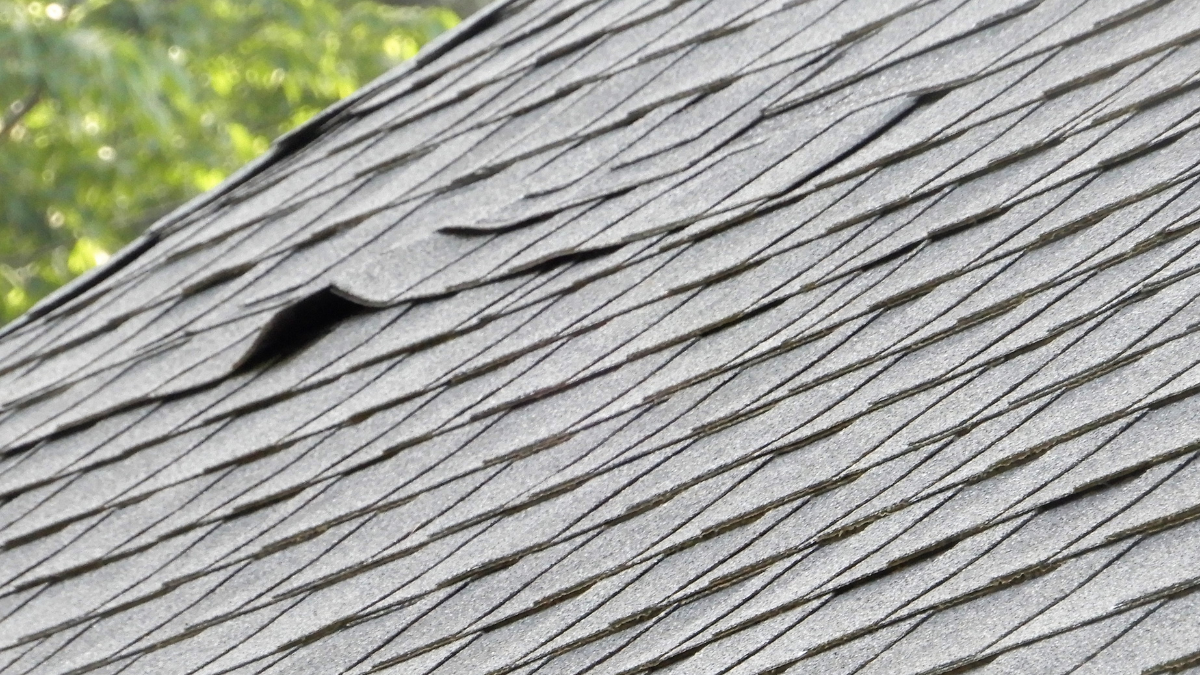
A roof may be installed at one time, with the same general materials across the entire structure, yet individual sections can develop noticeably different conditions as the years pass. One slope may receive intense afternoon sunlight, while another remains shaded for much of the day. These differences influence how materials experience heat, moisture, wind, and ordinary weather exposure.
Uneven aging does not automatically indicate poor installation or an immediate need for major work. Roof shape, orientation, surrounding trees, ventilation, and nearby architectural features can create different environments across the same home. Understanding those variables helps homeowners evaluate changing conditions without assuming every section should look identical.
Homeowners discussing exterior performance with All-Side Roofing & Restoration can point out where changes seem concentrated rather than describing the entire roof as uniformly worn. Roofing assessments become more informative when individual slopes and transitions are considered according to their specific exposure. This approach helps explain why one area may deserve attention before another.
Sun Exposure Can Create Different Conditions Across Roof Slopes
Roof surfaces do not necessarily receive equal amounts of direct sunlight. Orientation determines which slopes receive stronger morning or afternoon exposure, while neighboring structures and trees can create shade over other areas. Those differences can influence surface temperatures throughout the day.
Repeated heating and cooling place materials through ongoing temperature cycles. A strongly exposed section may experience different conditions from a slope that remains shaded for extended periods. Over many seasons, these variations can contribute to visible differences between sections.
Homeowners can observe which parts of the structure receive prolonged sunlight without accessing elevated surfaces. Comparing photographs taken from safe locations can help document gradual changes. The objective is to recognize patterns rather than diagnose material condition from appearance alone.
Shade Can Influence How Long Moisture Remains
Shade reduces direct solar exposure, but that does not automatically mean shaded sections experience less stress. Areas that receive limited sunlight may dry more slowly after rain, morning dew, or humid conditions. Surrounding vegetation can further affect how quickly moisture leaves a surface.
The amount of shade can also change over time. Trees grow, neighboring landscaping matures, and additions or other structures may alter sunlight patterns around a property. A section that was once exposed for much of the day may gradually spend longer periods in shade.
All-Side Roofing & Restoration can consider these environmental differences when evaluating sections that appear to be aging unevenly. Roofing conditions should be interpreted alongside exposure rather than judged only by installation date. Two areas of the same age can experience substantially different daily environments.
Valleys Experience Concentrated Water Movement
Roof geometry influences where rainfall travels. Valleys receive runoff from adjoining slopes, meaning these areas can handle more concentrated water movement than broad sections located farther away. Their function makes them important transition zones within the overall system.
Leaves, small branches, and other debris can also settle in valleys depending on nearby vegetation and roof design. Accumulated material may affect how quickly an area dries or how freely water moves during rainfall. Ground-level observation can sometimes reveal buildup without requiring homeowners to climb.
Complex Designs Create More Transition Areas
Homes with multiple rooflines may include intersecting slopes, dormers, walls, and other architectural features. Each transition changes how water, shade, and wind interact with nearby surfaces. A simple roof shape therefore experiences different exposure patterns from a more complex design.
These details help explain why age alone provides limited information about condition. Sections installed together can still perform differently because their roles and environments are not identical. Evaluating geometry provides useful context for visible changes.
Trees Can Affect More Than the Amount of Shade
Nearby trees can influence roof conditions in several ways. Branches create shade, while leaves, needles, seeds, and small twigs may collect in certain areas. During windy weather, branches positioned close to the home can also affect nearby exterior surfaces.
The influence of a tree may be concentrated on one slope rather than distributed evenly. As a result, homeowners may notice greater debris accumulation or slower drying on the side closest to mature vegetation. Seasonal changes can make these patterns more obvious at particular times of year.
Tree conditions should be evaluated safely from the ground whenever possible. Homeowners should avoid walking on elevated surfaces to remove questionable debris or inspect hard-to-reach sections. Appropriate maintenance planning can address vegetation and exterior concerns separately when necessary.
Roof Direction Can Affect Weather Exposure
Sunlight is not the only environmental factor influenced by orientation. Prevailing weather can expose certain sections to more wind-driven rain or repeated wind pressure. One side of a home may therefore experience conditions that another side rarely encounters.
Local surroundings can modify these patterns. Nearby buildings, fences, mature trees, and open spaces can redirect or reduce wind exposure. Even homes with similar designs may experience different conditions because their immediate environments are different.
All-Side Roofing & Restoration can examine these exposure patterns when a homeowner notices that deterioration appears concentrated on particular slopes. The goal is not simply to identify the oldest-looking area. Understanding why conditions differ can support better repair and maintenance decisions.
Ventilation Can Influence Conditions Beneath the Surface
Exterior exposure explains only part of uneven aging. Conditions beneath the roof can also influence how different areas perform over time. Ventilation pathways, attic configuration, insulation, and interior air movement may vary across complex structures.
Additions can make these differences especially relevant. A newer section of the home may have a different attic layout or ventilation arrangement from the original structure. Even when exterior materials appear similar, conditions beneath them may not be identical.
Roofing evaluation should account for both visible exposure and relevant underlying conditions. Focusing exclusively on surface appearance can leave part of the explanation unexplored. A system-based assessment helps connect exterior patterns with the structure below.
Architectural Features Can Create Small Microclimates
Dormers, chimneys, upper walls, and intersecting rooflines can influence nearby areas in subtle ways. They may cast shade at certain times, redirect wind, collect drifting debris, or change how water moves across surrounding surfaces. These effects can create small zones with distinct exposure conditions.
A section behind a chimney, for example, may experience a different drying pattern from an open slope nearby. Areas below upper roof sections may receive additional runoff. Such differences are normal consequences of architecture, although developing deterioration still deserves appropriate evaluation.
Homeowners can make useful observations by noting exactly where visible changes occur relative to these features. Location often provides more information than appearance by itself. Repeated patterns around similar transitions can also help guide inspection.
Previous Repairs Can Make Aging Patterns Look Uneven
Not every difference between roof sections results from environmental exposure. A previous repair may have introduced newer materials into one limited area, creating a visible contrast with surrounding sections. Records can help homeowners understand why certain areas appear different.
Color and surface appearance may also change naturally over time. Newer replacement materials can stand out even when both old and repaired areas are functioning as intended. Visual contrast should therefore be considered alongside physical condition.
Keep invoices, photographs, and notes from earlier exterior projects when possible. Knowing which sections received previous attention makes future evaluations more accurate. Maintenance history can explain differences that might otherwise be mistaken for unusual deterioration.
Compare Patterns Instead of Expecting Uniform Aging
Homeowners often find it easier to understand roof condition when they stop expecting every slope to change identically. Sun, shade, water movement, vegetation, wind, architecture, and underlying attic conditions create distinct environments across one structure. Those differences accumulate gradually over years.
Periodic photographs from consistent ground-level positions can help reveal how individual sections change. Pay attention to whether visible differences remain stable or continue developing. A documented pattern gives professionals useful context without requiring homeowners to perform risky inspections.
Uneven aging should ultimately be evaluated according to cause, extent, and actual condition rather than appearance alone. Recognizing that each section experiences its own combination of environmental and structural influences leads to better-informed maintenance decisions. Understanding those differences can help homeowners plan appropriate attention where it is genuinely needed.