
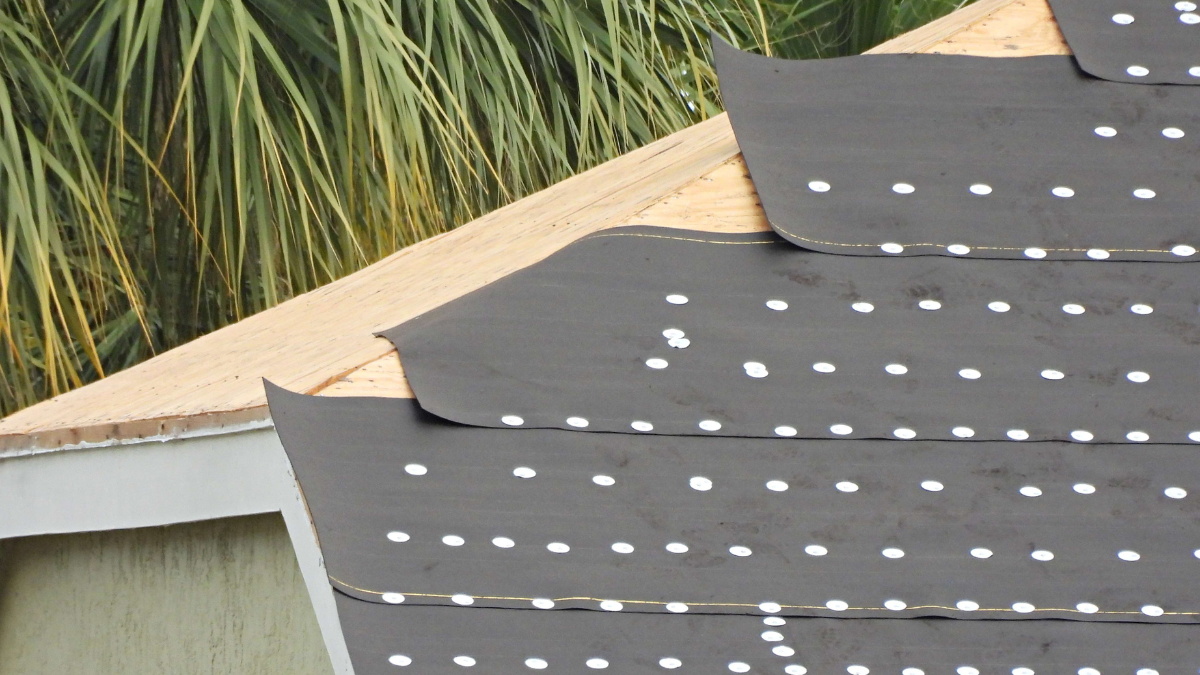
A roof’s visible covering receives most of the attention during home improvement discussions. Shingles, panels, and other exterior materials influence appearance, weather resistance, and maintenance expectations. However, several essential components beneath those surfaces also contribute to the performance of the complete roofing system.
Underlayment is one of those components. Installed between the roof deck and the primary roofing material, it provides an additional layer of protection within an appropriately designed assembly. Its selection and installation deserve consideration whenever homeowners plan substantial roofing work.
Emerald Roofing and Siding LLC can help homeowners understand how underlayment fits into the proposed roofing assembly. Roof Replacements provide an opportunity to evaluate concealed layers that are not normally accessible during routine inspections. Learning what these materials do makes it easier to review installation proposals and understand important project decisions.
What Roofing Underlayment Actually Does
Underlayment is a protective material installed over roof decking before the main roof covering is applied. Its purpose is to provide secondary water resistance and support the performance of the roofing assembly. The exact function depends on the product and installation method.
Roof coverings remain the primary defense against weather. Underlayment provides another protective layer when water reaches areas beneath those materials.
It should not be considered a substitute for properly installed shingles, panels, or flashing. Reliable performance depends on the relationship between all roofing components.
Understanding Common Underlayment Materials
Several underlayment categories are available for residential roofing projects. Traditional asphalt-saturated felt, synthetic sheets, and self-adhering membranes have different characteristics. Product selection depends on roof design, climate, manufacturer requirements, and applicable building codes.
Felt products have a long history in roofing construction. Synthetic alternatives may offer different handling characteristics, strength, or exposure limitations.
Self-adhering membranes serve particular protective purposes in suitable locations. No single product is automatically appropriate for every roof or installation condition.
Why the Roof Deck Must Be Evaluated
Roof decking provides the supporting surface beneath underlayment and exterior roofing materials. Common decking materials include plywood and oriented strand board, although construction varies between buildings. Its condition influences how the new assembly can be installed.
Moisture damage, deterioration, or inadequate attachment may require attention before protective layers are applied. Covering an unsuitable surface does not correct underlying structural concerns.
Check Conditions After Existing Materials Are Removed
Removing the old roof covering allows professionals to inspect previously concealed decking areas. Any necessary corrections should be determined before installation continues. This sequence helps ensure the new underlayment rests on an appropriate substrate.
How Underlayment Helps Manage Wind-Driven Rain
Rain does not always fall vertically onto a roof. Strong winds can push moisture beneath certain roof covering details, especially where conditions are demanding. Properly installed underlayment contributes another layer of protection against water reaching the decking.
Performance depends on material properties, overlaps, fastening methods, and the surrounding roof assembly. Poor installation can undermine the value of an otherwise suitable product.
Emerald Roofing and Siding can discuss relevant underlayment requirements during project planning. Homeowners should understand that secondary protection complements rather than replaces the finished roof covering.
Roof Slope Influences Material Requirements
Roof slope affects how quickly rainfall moves across the surface. Steeper roofs generally shed water differently from lower-sloped assemblies. Consequently, roofing manufacturers and building codes may specify different underlayment arrangements according to slope.
Certain lower-slope applications require additional protective measures or different roofing systems. A material suitable for one roof may not be approved for another.
Homeowners should confirm that proposed products match the actual roof design. Installation details must follow applicable requirements rather than general assumptions.
Vulnerable Roof Areas May Need Added Protection
Some roof locations experience concentrated water movement or greater exposure to moisture. Valleys, eaves, roof penetrations, and transitions can require particular attention. Appropriate detailing helps manage the conditions found in these areas.
Self-adhering membranes are sometimes specified for additional protection in designated locations. Their use depends on climate, roof design, and applicable installation requirements.
Understand Protection Around Roof Transitions
Chimneys, skylights, vents, and intersecting roof surfaces create interruptions in the roofing assembly. Underlayment must integrate correctly with flashing and surrounding materials. These connections deserve attention because individual products cannot manage water effectively when installed without coordination.
Ice Dams Can Influence Underlayment Choices
In colder climates, ice dams can develop near roof edges under certain conditions. They may prevent melting snow from draining normally, allowing water to collect behind the ice. This creates different exposure conditions from ordinary rainfall.
Appropriate membrane protection may be required in designated roof areas where ice damming is a concern. Insulation, air sealing, and attic conditions also influence the underlying problem.
Underlayment alone does not prevent ice dams from forming. A complete approach considers both moisture protection and the building conditions contributing to ice accumulation.
Synthetic Products Have Different Specifications
Synthetic underlayments are available in numerous formulations. They may differ in tear resistance, fastening requirements, surface characteristics, and permitted exposure periods. Similar appearance does not guarantee equivalent performance.
Homeowners should ask which product is included in a proposal. Manufacturer documentation can clarify intended applications and compatibility with the selected roof covering.
Roof Replacements should use materials appropriate for the complete assembly. Product decisions are more meaningful when evaluated against installation requirements rather than advertising descriptions.
Temporary Exposure Limits Matter During Installation
Underlayment may remain exposed briefly while roofing work progresses. However, products have manufacturer-defined exposure limitations that should be respected. Sunlight, precipitation, wind, and other conditions can affect materials left uncovered.
An underlayment rated for temporary exposure is not intended to serve indefinitely as the finished roof. Installation schedules should account for product requirements and weather conditions.
Homeowners can ask how the contractor plans to manage interruptions. Clear expectations help distinguish temporary construction protection from completed roofing performance.
Proper Overlaps Support Water Resistance
Underlayment sheets are typically installed with specified overlaps and attachment methods. These details influence how moisture moves across the protective layer. Incorrect positioning can create pathways that reduce its intended effectiveness.
Requirements vary by product, roof slope, and installation location. Contractors should follow applicable manufacturer instructions and code provisions.
The installation method deserves as much attention as the material name. A premium product cannot compensate for consistently poor detailing.
Ventilation and Moisture Control Remain Relevant
Roof assemblies must manage moisture from more than one direction. Exterior precipitation is one concern, while indoor humidity and air leakage can create different conditions beneath the decking. Underlayment selection should account for the overall assembly.
Some materials have different vapor transmission characteristics. Their suitability depends on the roof design and surrounding building conditions.
Emerald Roofing and Siding LLC can discuss roofing components within the planned installation scope. Complex moisture concerns may also require assessment by qualified building professionals.
Compare Roofing Proposals Beyond Surface Materials
Homeowners often compare estimates by focusing on shingle brands or exterior finishes. Yet proposals may include different underlayment products, protective membranes, and decking allowances. These differences can influence both project cost and installation quality.
A written estimate should identify relevant materials and installation responsibilities. Owners should also clarify how unexpected decking conditions will be handled.
Comparing complete assemblies provides a stronger basis for decision-making. The least expensive proposal may not include the same protective details as another option.
Documentation Helps With Future Roof Care
Installation records should identify the roofing products used, including underlayment where practical. Manufacturer information, warranties, photographs, and completed work descriptions can provide useful reference material. These records may assist during future inspections or maintenance.
Homeowners should retain documents in an accessible location. Accurate information becomes especially valuable when the roof is evaluated years after installation.
Documentation cannot replace a professional inspection. It can, however, help establish what materials were originally installed.
A Complete Roofing System Starts Beneath the Surface
Underlayment contributes important secondary protection within a properly designed roofing assembly. Its effectiveness depends on material compatibility, deck condition, installation details, roof slope, and transitions. Understanding these factors helps homeowners look beyond the visible finished surface.
Roof Replacements create an opportunity to evaluate these concealed components before new roofing materials cover them. Asking informed questions about product selection and installation requirements supports clearer expectations.
A durable roofing project relies on components working together. When homeowners understand the role of underlayment, they can make more informed choices about the protective layers supporting their new roof.