
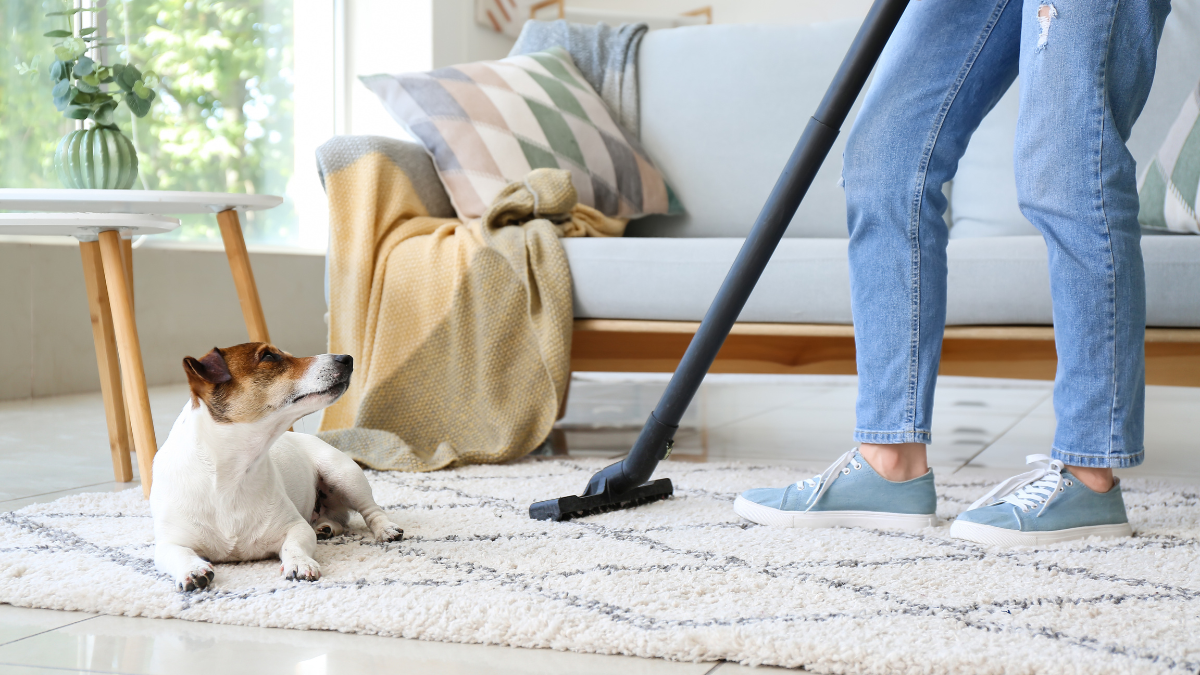
Living with pets changes how dirt moves through a home. Dogs can carry soil indoors after walks, cats may scatter litter outside designated areas, and both can leave fur around favorite resting spaces. These everyday patterns often create concentrated cleaning needs rather than making every room equally difficult to maintain.
A practical routine begins by identifying where a pet-related mess enters the home and where it travels afterward. Entryways, feeding stations, sleeping areas, hallways, and frequently used furniture may need different levels of attention. Understanding those patterns helps homeowners spend time where cleaning will have the greatest effect.
House cleaning services can support pet-friendly households by addressing rooms according to actual use instead of following identical routines everywhere. Cleaners Joy can help homeowners manage ordinary household buildup while accounting for areas where pets spend the most time. The objective is a manageable home routine that works alongside normal pet activity.
Identify the Main Routes Pets Use Indoors
Pets often follow predictable paths through a home. A dog may enter through the same door after every walk, cross a hallway, and settle in one particular room, while a cat may regularly travel between feeding, sleeping, and litter areas.
Following these routes can reveal where loose dirt and fur are most likely to accumulate. Floors near doors may show outdoor debris, while corners and furniture edges can collect hair carried farther into the house.
Homeowners can use these observations to establish priorities. Frequently traveled routes may need more regular attention than rooms pets rarely enter.
Control Outdoor Dirt Near the Entrance
The easiest place to manage tracked material is often close to where it enters. Mud, dust, grass, and small outdoor debris can move from paws onto flooring before spreading through connecting rooms.
An accessible mat can help collect some loose material near the doorway. Pet owners may also keep suitable supplies nearby for dealing with dirty paws after wet walks or time in the yard.
Flooring around the entrance should be checked regularly because visible dirt can build quickly during rainy or muddy periods. Addressing this area early reduces the opportunity for loose material to travel deeper into the home.
Weather Can Change Entryway Cleaning Needs
Dry summer conditions may introduce dust and fine soil, while rainy periods can result in wetter marks near doors. Seasonal vegetation can also bring leaves, seeds, or other small materials indoors.
Cleaning routines should adapt to these changing conditions. A fixed schedule may not reflect what pets are actually carrying inside during a particular week.
Give Feeding Areas Their Own Cleaning Routine
Food and water stations create a different type of maintenance need from entryways. Crumbs, small pieces of food, water droplets, and displaced bowls can affect the surrounding floor throughout the day.
Homeowners can inspect the area around bowls rather than focusing only on the bowls themselves. Nearby walls, cabinet edges, mats, and flooring may show signs of repeated use.
House cleaning services can fit these high-use areas into a wider household routine without treating them as isolated problems. Regular attention can prevent small daily messes from becoming more noticeable around feeding locations.
Pay Attention to Favorite Resting Places
Pets commonly choose a few preferred places for sleeping and relaxing. Beds, rugs, couches, sunny floor areas, and corners near family activity may therefore collect more fur than other parts of the room.
These locations can guide cleaning priorities. A living room does not necessarily need equal attention across every surface if most pet-related buildup occurs around one chair or rug.
Cleaners Joy can help maintain shared household spaces while homeowners continue managing pet belongings according to their normal routines. Recognizing favorite resting areas makes it easier to anticipate where fur and loose debris are likely to return.
Manage Fur Before It Travels Between Rooms
Loose fur can move well beyond the place where it was originally shed. Foot traffic, air movement, clothing, and household activity can carry hair into hallways or neighboring rooms.
Floor type influences where fur becomes noticeable. It may gather along hard-floor edges and beneath furniture, while carpeted areas can hold it differently within the surface.
Homeowners can pay attention to these transitions when planning routine floor care. Checking room edges and connecting spaces can be more useful than looking only at the center of a floor.
Keep Pet Belongings From Becoming Household Clutter
Leashes, toys, grooming items, treats, carriers, and other pet supplies can spread across shared rooms when they lack consistent storage. This clutter can make surfaces and floors harder to access during ordinary cleaning.
Designated storage does not need to be complicated. A basket for toys, a hook for leashes, or a cabinet area for supplies can keep frequently used items accessible without leaving them throughout the house.
Storage locations should reflect where items are actually used. A leash stored near the usual exit, for example, is more practical than placing it in a distant room simply to keep it out of sight.
Litter Areas Need Containment Around the Box
Cat litter can travel beyond its intended location on paws or through normal digging. Small particles may appear around the box and gradually move into nearby spaces if they are not addressed.
The surrounding floor therefore deserves attention alongside routine litter-box care. Mats or other appropriate containment measures may help reduce how far loose particles travel, depending on the household setup.
Owners should also consider the path between the litter area and the rest of the home. Nearby hallways or doorways can reveal how quickly particles are being carried beyond the immediate space.
Furniture Creates Additional Collection Points
Upholstered furniture can become a frequent resting place for pets in many households. Fur and small debris may collect on cushions, between sections, or around furniture bases.
The cleaning approach should reflect the furniture material and its care requirements. Homeowners should avoid assuming that the same method is appropriate for every fabric or finish.
Areas beneath furniture also deserve periodic attention. Loose fur can travel into less visible spaces even when the exposed floor looks reasonably clean.
Separate Everyday Mess From Unusual Problems
Pet ownership naturally introduces some recurring dirt, hair, and clutter, but homeowners should distinguish ordinary housekeeping from situations requiring another response. Unusual stains, persistent moisture, damaged flooring, or other physical concerns may fall outside routine cleaning.
Cleaners Joy can address appropriate household cleaning needs while homeowners remain attentive to conditions requiring repair or specialized care. Keeping those responsibilities separate prevents ordinary cleaning from being expected to solve unrelated problems.
House cleaning services are most useful when priorities reflect the actual condition of the home. Pet activity is one factor among many that can influence how quickly different rooms need attention.
Build Cleaning Around the Household’s Pet Routine
A pet-friendly home does not need every room cleaned with the same frequency. Entry points, feeding stations, resting places, litter areas, furniture, and connecting routes often experience the greatest concentration of pet-related debris.
Observing where mess begins and how it travels helps homeowners create a more efficient routine. Small adjustments to storage, entryway care, and high-use areas can also make regular maintenance easier to manage.
Pets will continue moving between rooms as part of everyday family life, so some recurring cleanup is unavoidable. A practical approach focuses on predictable patterns, keeps frequently affected spaces manageable, and allows the household to remain comfortable without turning ordinary pet activity into a constant cleaning project.