
By the time the morning bell rings, a school has already started collecting signs of a busy day. Mud has followed shoes through the entrance, hands have touched door handles, and someone has left breakfast crumbs on a classroom desk. Multiply those moments by hundreds of students, and it’s easy to see why a quick tidy-up isn’t enough. When administrators compare school cleaning companies, they need to look beyond the promise of sparkling floors. What matters is whether every important area receives dependable attention, even when the timetable changes or a regular cleaner is away. A well-planned routine helps make clean, comfortable surroundings an everyday expectation rather than an occasional pleasant surprise. That level of reliability is especially valuable in buildings where hundreds of people share rooms and facilities from early morning until late afternoon.
A Clean School Shouldn’t Depend on the Day
Monday’s classrooms shouldn’t look carefully maintained while Friday’s corridors tell a completely different story. Yet that can happen when cleaning duties are informal or passed between workers without clear instructions. Standardized procedures set out what needs doing, how often, and what a satisfactory result looks like. They might cover waste removal, floor care, bathroom fixtures, and the treatment of frequently touched surfaces. This doesn’t mean every room receives identical attention. It means no essential task is forgotten simply because someone is working a different shift. With expectations written down, cleaners can work more confidently and facility managers have something concrete to review when standards slip.
Different Spaces Have Different Demands
A library filled with books and computers needs a different approach from a cafeteria after lunch. Science rooms may have specialist surfaces, while sports halls contend with scuff marks, tracked-in grit, and equipment being moved around. Bathrooms, meanwhile, need particular attention to fixtures, supplies, and surfaces used by many people. A sensible cleaning plan recognizes these differences rather than sending workers through the building with one generic checklist. It identifies what can be cleaned routinely, which surfaces require specific products, and which tasks must remain with trained specialist staff. That careful matching of methods to rooms helps protect facilities while keeping them pleasant to use.
Training Turns Checklists Into Good Results
A checklist is useful only when the person following it knows how to do the job properly. Using too much water on a sensitive floor, mixing unsuitable chemicals, or cleaning electronic equipment incorrectly can create problems rather than solve them. Professional teams should be trained in safe product handling, equipment use, infection prevention practices where appropriate, and the site’s own access rules. They also need to understand when something falls outside their responsibilities, particularly in laboratories or areas containing hazardous materials. Refresher training helps maintain standards as products, equipment, and staff change. Schools benefit when cleaners can make sound decisions instead of guessing their way through unfamiliar tasks.
Hygiene Requires Attention to the Small Things
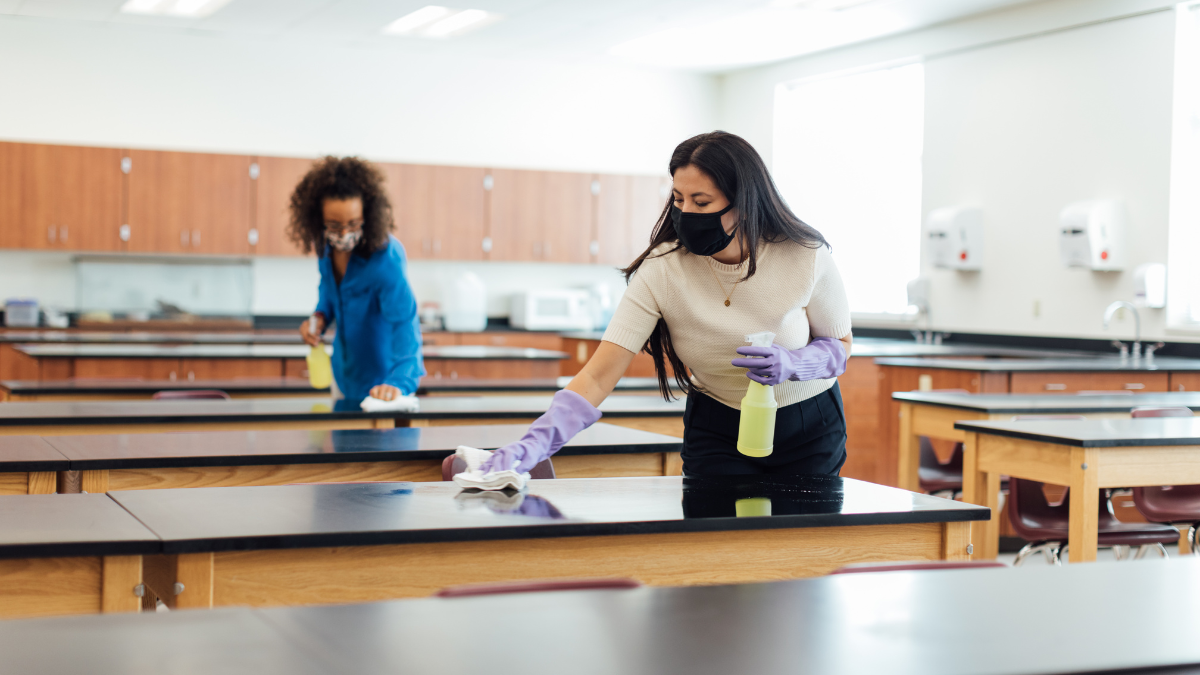
Students touch desk edges, handrails, taps, light switches, and shared equipment throughout the day. These contact points might look perfectly clean while still needing regular attention. A structured cleaning program identifies where routine wiping is appropriate and where additional cleaning or disinfection is warranted under the school’s policies and relevant guidance. Handwashing, ventilation, and sensible illness procedures remain important partners to environmental cleaning. The aim isn’t to suggest that every surface is dangerous or to promise a germ-free building. It’s to reduce avoidable contamination and maintain conditions that support everyday well-being. Those small, repeated actions are often what make a cleaning routine truly dependable. It also helps cleaners prioritize the right surfaces instead of spending the same amount of time on areas with very different levels of use.
Plan the Work Around Learning, Not Against It
Schools run on schedules that leave little patience for preventable interruptions. A classroom may be needed for an examination, the assembly hall could be booked for a performance, and after-school clubs might occupy rooms well into the afternoon. Effective cleaning plans account for those realities. Some tasks can happen before students arrive, others after lessons, while spills and overflowing bins may need a prompt response during the day. Cleaners should also use signs and suitable precautions when floors are wet. Clear communication between the provider and school staff helps avoid awkward clashes, keeping necessary maintenance from becoming another distraction for teachers and students.
Regular Checks Keep Standards From Drifting
Even a carefully designed schedule needs follow-through. A hand dryer stops working, a bathroom runs out of supplies, or a busy corridor needs more attention than expected. If nobody checks the outcome, these issues can become recurring frustrations. Supervisors can use inspection records, task lists, and feedback from staff to see where cleaning is working and where adjustments are needed. Simple reporting channels matter too, especially when a problem needs action before the next scheduled visit. Quality control isn’t about finding fault with hardworking cleaners. It provides a fair way to maintain accountability, recognize recurring patterns, and make sure standards survive busy weeks and staff changes.
Consistency Doesn’t Mean Refusing to Adapt
Rainy weather can leave entrances muddy before morning registration ends. A school concert might create extra rubbish, while examinations can change access to classrooms for several days. During holidays, managers may want deeper attention to carpets, floors, or hard-to-reach areas. None of these situations fits neatly into a fixed daily routine. That’s why a strong service agreement combines standard tasks with room for sensible adjustments. Facility managers and cleaning supervisors should review changing needs, clarify priorities, and agree on any additional work in advance. The baseline stays dependable, but the plan remains useful when real school life refuses to follow the calendar.
Choosing a Provider That Takes Standards Seriously
A competitive price is welcome, but it shouldn’t be the only question at the first meeting. Ask how cleaners are trained, how replacement workers receive instructions, and who checks completed work. Discuss safeguarding and access procedures, suitable insurance, cleaning products, and the way concerns are resolved. A walkthrough of classrooms, bathrooms, corridors, and shared facilities can reveal where the school needs the most support. Request a written scope with clear frequencies and responsibilities, rather than relying on broad assurances. The right cleaning partner makes expectations easy to understand and service quality easy to monitor. When that happens, teachers can focus on teaching, students can settle into welcoming spaces, and school leaders gain one less daily worry.