
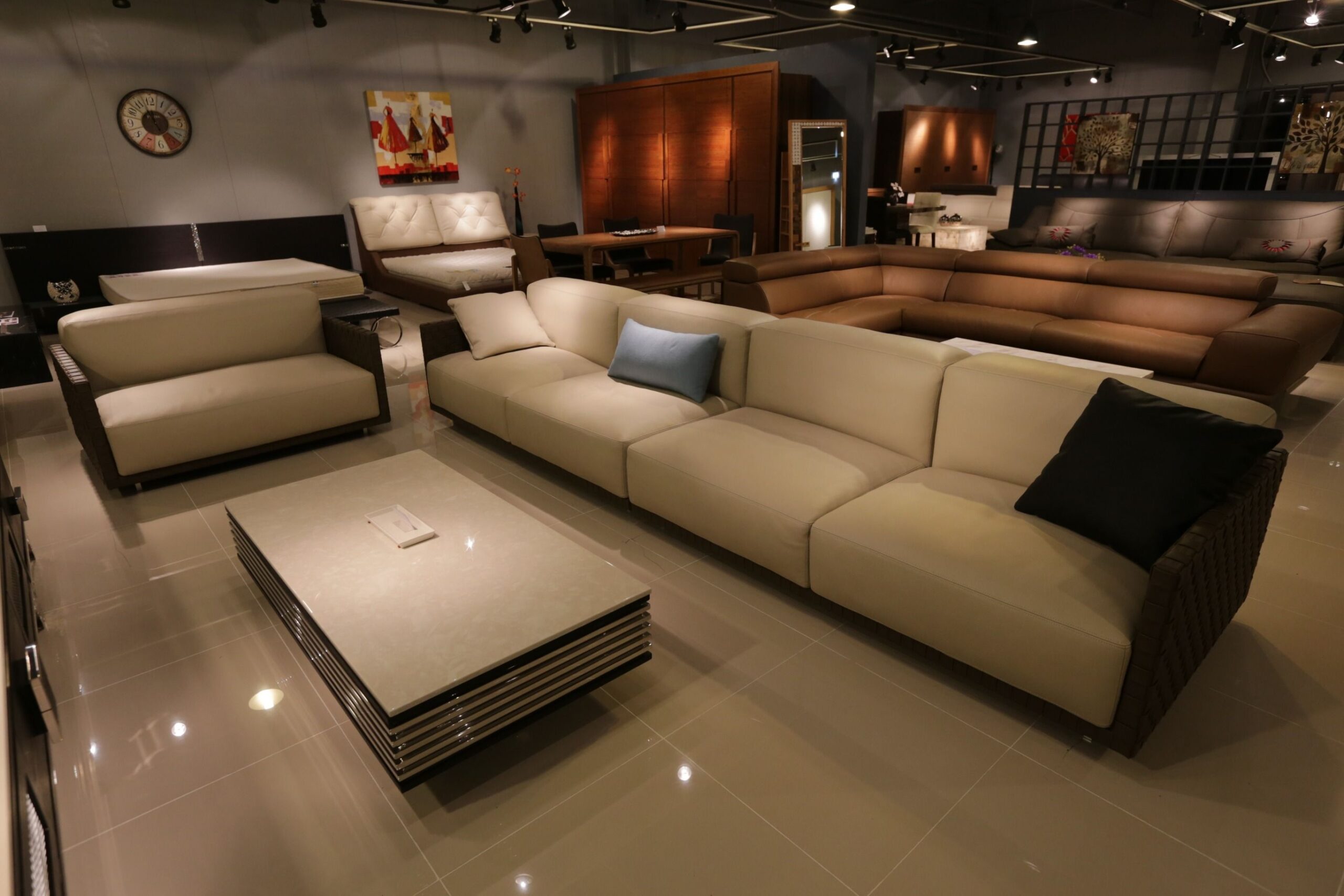
Furniture shopping gets complicated the moment a piece has to do more than look good under showroom lighting. In Pigeon Forge, Tennessee, millions of visitors pass through the area each year, and furniture is often chosen not only for primary homes but also for cabins, vacation properties, and other heavily used spaces. That makes durability, delivery, scale, and long-term comfort especially important. A smarter purchase starts with knowing your room, understanding how the furniture will actually be used, and resisting the urge to let one dramatic showroom display make the decision for you.
Let Your Lifestyle Narrow the Choices
The best furniture is not necessarily the most expensive or stylish piece in the showroom. It is the piece that works with the people using it.
A household with children or pets may need stain-resistant upholstery and sturdy frames. A vacation property may benefit from finishes that tolerate repeated use and are easy to maintain. A quieter formal room can support more delicate materials.
Smoky’s Furniture is one option for shoppers comparing furniture stores in Pigeon Forge TN, with furniture available for living rooms, bedrooms, dining areas, offices, and cabin-style interiors.
Before choosing anything, ask how often the piece will be used, who will use it most, and how much maintenance you are realistically willing to do.
That filter usually eliminates more bad options than any decorating trend.
Know the Room Before You Know the Sofa
The easiest way to buy the wrong furniture is to start shopping before measuring.
Room dimensions matter, but so do doorways, hallways, staircases, and the path the piece must travel during delivery. A sectional that technically fits one wall may still overwhelm the room or fail to make it through the front door.
Take photos, write down key measurements, and note where windows, vents, outlets, and doors sit. Then think about the way people naturally move through the room.
Understanding how furniture scale affects a space can also help prevent a large sofa, tiny rug, or undersized table from making an otherwise attractive room feel visually unbalanced.
Measurements are far less exciting than shopping, but they prevent some of the most expensive mistakes.
Look Past the Surface
Furniture can feel solid for five minutes in a showroom and still wear poorly after a year.
Pay attention to frame stability, cushion recovery, seams, drawer construction, hardware, and the way moving parts operate. Sit on sofas in the same way you would at home. Open drawers more than once. Check whether tables wobble.
Upholstery deserves extra attention because fabric can determine how gracefully a piece handles everyday life. When choosing upholstery that can withstand regular wear, factors such as abrasion resistance, cleaning codes, and fabric construction can tell you far more than appearance alone.
A beautiful material that stains easily or snags under ordinary use may not stay beautiful for long.
Think in Years, Not Seasons
Trends are tempting because showrooms make them look complete.
The problem is that an unusual finish, bold pattern, or highly specific silhouette may become harder to live with once the novelty wears off. Core pieces such as sofas, dining tables, and beds usually benefit from a little restraint.
That does not mean choosing boring furniture.
Put more personality into items that are easier and cheaper to change, such as lamps, rugs, pillows, side tables, and artwork. Those pieces can evolve without forcing you to replace the most expensive furniture in the room.
A versatile sofa can survive several decorating phases. A highly specific statement sectional may force everything around it to follow the same look for years.
The goal is flexibility, not blandness.
Ask About Delivery Before You Fall in Love
Delivery is one of the least glamorous parts of furniture shopping and one of the easiest to underestimate.
Ask how far the store delivers, what the fee includes, whether assembly is available, and how damaged items are handled. If your property has stairs, narrow roads, limited parking, or a difficult entrance, bring that up before paying.
Special orders need even more attention.
Confirm the expected lead time, whether delays are possible, and what happens if the furniture does not arrive by your deadline. If you are furnishing a rental or preparing a property for guests, a missed delivery window can cause more than mild inconvenience.
The purchase is not really complete until the furniture is safely inside the room.
Compare the Full Cost, Not Just the Tag
A sale price can become less impressive once delivery, setup, protection plans, taxes, and matching pieces are included.
Set a total budget before shopping rather than making each decision independently. If you are furnishing an entire room, decide which pieces deserve the largest share.
A sofa, mattress, or dining table may justify spending more because it receives regular use. Smaller accent furniture may give you more room to save.
Financing deserves the same scrutiny. A manageable monthly payment can disguise a much larger total once interest or additional fees are included.
A good deal should still look good after every charge has been counted.
Use the Showroom for What Online Shopping Cannot Do
Shopping in person gives you information a product page cannot fully provide.
You can test seat depth, compare cushion firmness, feel upholstery, examine finishes, and get a realistic sense of how large a piece appears beside other furniture.
Use that advantage.
Sit in several sofas rather than judging them from across the room. Test reclining mechanisms. Open drawers. Look at backs, seams, and undersides when possible.
Showroom staff can also be useful when you ask precise questions.
Instead of asking whether something is “good quality,” ask how the frame is constructed, what maintenance the fabric requires, whether replacement parts are available, and what warranty applies.
Specific questions tend to produce more useful answers.
Buy for the Room You Actually Have
The final decision should always come back to fit, function, and durability.
A piece can be attractive, well made, and reasonably priced and still be completely wrong for your home. The best furniture works with the scale of the room, supports the way you live, and does not create new problems once it arrives.
Measure carefully, think honestly about daily wear, understand delivery requirements, and compare the complete cost before committing.
Most importantly, separate what looks impressive in a showroom from what will genuinely improve your space.
Furniture should make a room easier to use and more comfortable to live in. When you shop with that standard in mind, the process becomes less about chasing the most eye-catching display and more about finding pieces you will still be happy to see years after the showroom glow has worn off.