
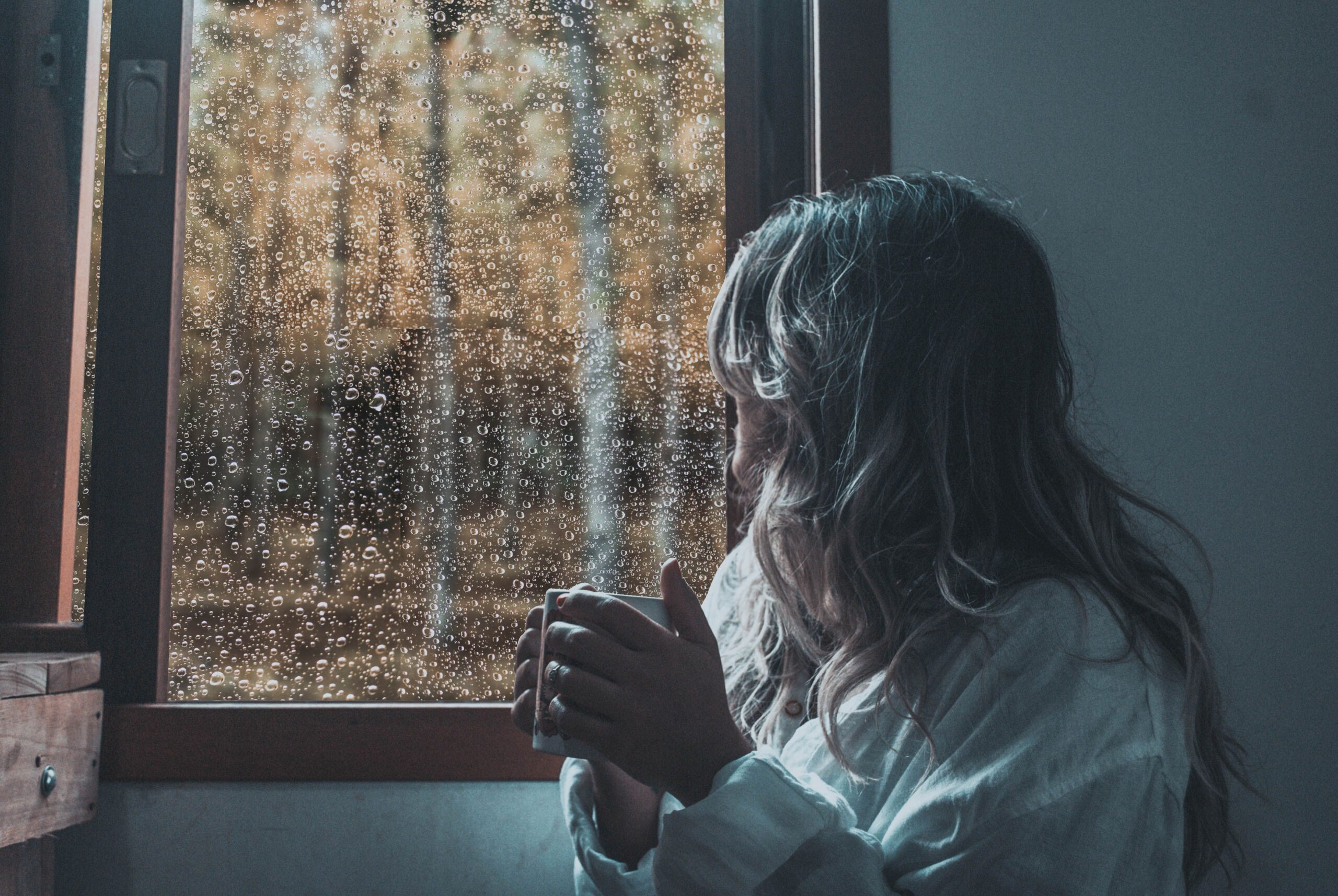
Two people can live almost identical weeks and come out of them feeling completely different. Same commute, same coffee, same Thursday grocery run. One of them hums through it, and the other feels flattened by Wednesday. The difference usually lives in how each person treats the small, repeating parts of a day.
Routine gets a bad reputation as the thing we endure until the weekend arrives. Yet the people who feel most alive are often the ones who found something worth noticing inside the ordinary, rather than waiting for the ordinary to end.
The Quiet Psychology of Loving Your Tuesdays
Finding joy in routine has little to do with pretending chores are thrilling and a lot to do with the story we attach to repetition. A task that feels forced gets filed under depletion, while the same task, when chosen, reads as competence or care.
Psychologists who study habit and motivation often point to autonomy and meaning as the two levers that matter most. A routine chosen on purpose, even a mundane one, tends to feel restorative, while one imposed with no sense of why tends to feel like a trap.
That gap explains why two neighbors can water the same gardens and walk away in completely different moods. Even a two-minute ritual, like tea by the window before the day starts, can shift a morning from something that happens to you into something you shape
What Separates a Rhythm From a Rut
The line between a comforting rhythm and a draining rut is thin, since both involve doing the same things over and over. Knowing what tips the balance makes routine something you can actually shape.
Attention Beats Novelty
We assume we need new experiences to feel engaged. Often, we just need closer attention to what is already in front of us. The texture of bread, the sound of rain on a bus window, the exact moment a stretch releases tension. Noticing is a skill, and it reliably turns flat moments into full ones.
Small Choices That Make the Day Yours
Feeling stuck usually tracks with feeling powerless. Reclaiming even a sliver of choice shifts the whole experience. Rearranging a desk, changing the order of a morning, choosing the walking route home. Each one restores a sense that the day belongs to you.
Permission to Enjoy the Unremarkable
Many of us quietly believe joy must be earned, which makes ordinary pleasure feel slightly guilty. Plenty of adults push back by putting light entertainment on the calendar on purpose, whether that means a Friday movie night in Ohio, a weekly pub quiz in Manchester, or an evening of online games in Ontario.
Someone in Toronto reading up on where Canadians can play online casino games before the weekend is doing roughly what a diner does with restaurant reviews, deliberately picking a quality option. Letting an unremarkable afternoon simply be pleasant, with nothing to prove, is its own form of practice.
Design Days That Feel Like Yours
Finding joy in repetition depends more on design than on willpower. People who feel stuck are frequently running on a schedule built by obligation, with no intentional pockets of delight. Those who thrive tend to seed their weeks with small, reliable sources of pleasure they control. Any entertainment chosen on purpose and bounded by limits tends to lift a day rather than drain it.
The broader lesson applies far beyond any single hobby. Good weeks are usually planned, at least a little. When you place small anticipated moments across the days, the gaps between them stop feeling empty. Researchers studying subjective well-being have long linked these predictable positive moments to overall life satisfaction.
A simple way to start is to look at the week ahead and mark two or three moments worth looking forward to. They can be modest, like a long lunch outside on Wednesday, a new recipe on Friday, or an hour with a library book on Sunday morning. Having something small to anticipate gives the days in between a shape, and the routine around it starts to feel lighter.
Turn One Ordinary Day Into Something You Choose
None of this requires a dramatic reinvention. It starts with a single repeating moment you decide to treat as yours. For one person, that is tea by the window before work. For someone else it is a five-minute walk with no phone, or a Sunday that stays unscheduled on purpose. The ownership behind the habit counts for more than the habit itself.
Most routines run on autopilot until someone decides to steer them. Joy in routine returns the moment you take even one small part of the day and quietly make it your own again.