
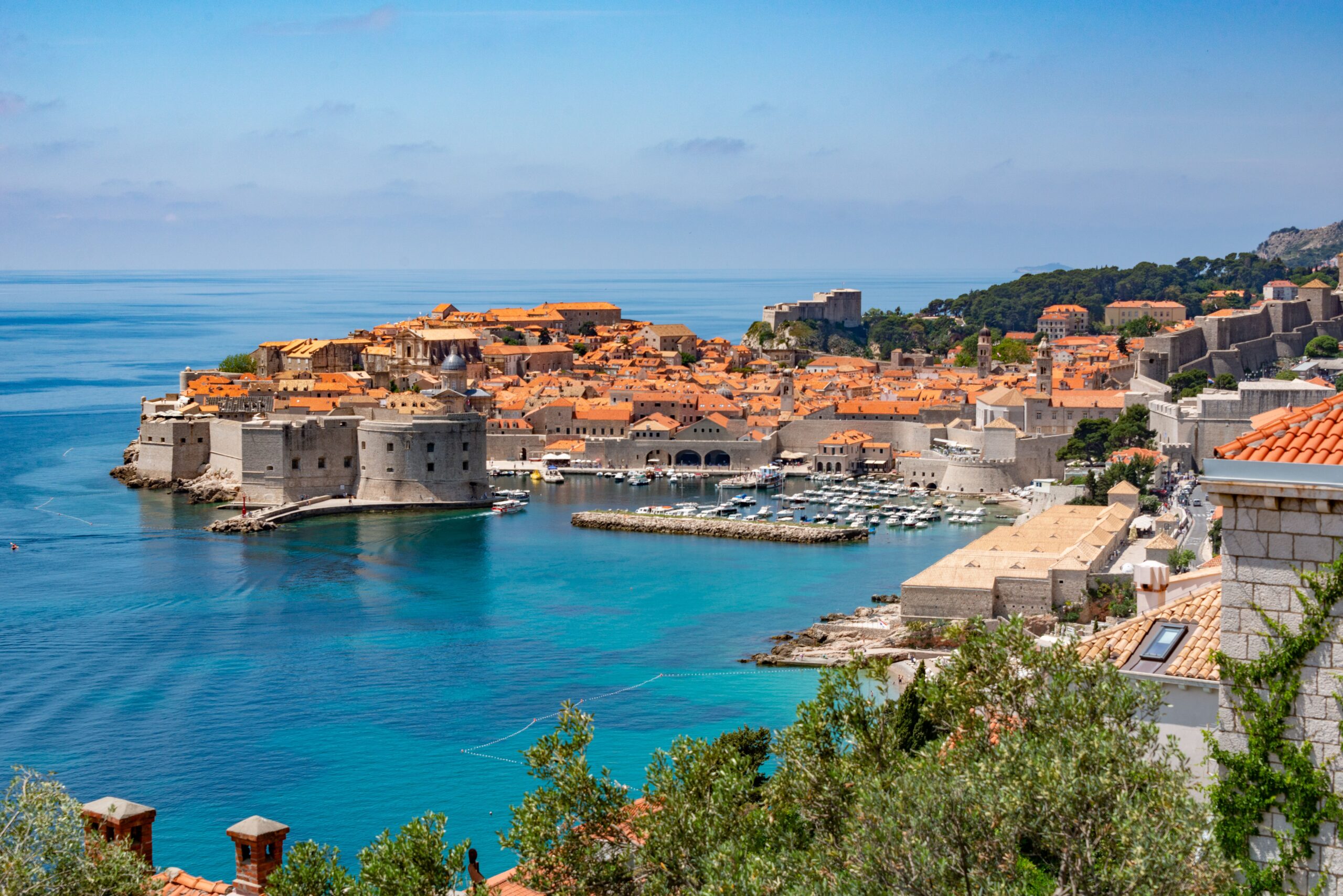
There is a moment on almost every Mediterranean trip when you realize you are in the wrong line. Everyone around you holds the same map, aims a phone at the same fountain, and waits for the same overpriced spritz.
Meanwhile, two streets over, an old man reads the paper at a café where nobody speaks English and the coffee costs half as much.
The Mediterranean is busy. According to a regional tourism report, the region recorded 378.8 million international arrivals in 2024. Most of those visitors crowd the same famous spots at the same hours.
You do not have to be one of them. Traveling like a local is less about secret addresses and more about rhythm. Eat when they eat. Walk when they walk. Slow down when they slow down.
Here is how to slip into that rhythm.
1. Eat on Local Time
Mediterranean days are built around meals, not the other way around. Lunch is often the main event, long and unhurried. Dinner in Spain or southern Italy can start when many American travelers are already thinking about bed.
Fighting this schedule means eating in half-empty dining rooms full of other tourists. Going with it means sitting next to families, coworkers, and grandmothers who have been coming to the same place for years.
Food here is more than fuel. The Mediterranean diet sits on the UNESCO heritage list, inscribed in 2013 on behalf of seven countries, and the listing describes eating together as the foundation of community life.
Start the day at a morning market. Buy a peach, some local cheese, whatever looks ridiculous and wonderful. At dinner, glance at the next table and order what they are having. It is rarely wrong.
2. Pick Mediterranean Cruise Packages Built Around Small Ships
Here is the part most guides skip. The Mediterranean coast is full of towns that are wonderful to visit and annoying to reach. Ferries run on their own schedule. Trains stop inland. Rental cars meet medieval streets designed for donkeys.
A cruise sounds like the opposite of local travel, and with giant ships it often is. Crowds of passengers pour into one old town at once, then vanish by sunset.
Size changes everything. Some Mediterranean cruise packages are built around smaller, quieter ships that can call at tiny harbors big ships cannot enter, like Monopoli in Puglia or Menton on the French Riviera, alongside the famous cities. You wake up already docked, step ashore before the day-trip buses arrive, and walk into a town that is just opening its shutters.
The trick is how you use your time ashore. Skip the coach tour now and then. Find a bench in the main square, order a coffee, and let the morning happen around you.
3. Join the Evening Stroll
Around sunset, Mediterranean towns come out to play. Italians call it the passeggiata. In Spain it is the paseo. Greeks have their own version along the waterfront.
Nobody is going anywhere in particular. Couples link arms. Kids chase pigeons. Teenagers pretend not to look at each other. Older neighbors stop every few steps to catch up.
This is one of the easiest local habits to borrow, and it costs nothing. Put on something nice, leave the guidebook behind, and walk slowly. If someone nods at you, nod back.
4. Plan Fewer Stops, Not More
It is tempting to squeeze as many countries as possible into one short trip. Resist it, at least a little.
A Dutch happiness study followed 1,530 adults and found that a vacation only lifted happiness after the trip when travelers described it as very relaxed. Stressful or merely average trips left people about where they started.
Rushing from one sight to the next is how vacations turn into checklists. Staying longer in fewer places lets you learn which bakery opens first and which café owner starts remembering your order.
5. Travel When the Locals Do Not
Summer is when the Mediterranean is most crowded, and it keeps getting hotter. The region is warming 20 percent faster than the global average, according to a UN environment report.
That makes spring and early fall a smart choice. The sea is still swimmable, prices often ease, and towns feel like towns again instead of theme parks.
Mid-August is its own story. Around Ferragosto, many Italians head to the beach themselves, and some family-run shops and restaurants close for their own break. Lovely for them, less ideal for you.
6. Learn the Greeting, Not Just the Phrases
You do not need to be fluent. You need a few words and the habit of using them.
In France, saying bonjour when you walk into a small shop matters more than any phrase you could memorize. In Italy, buongiorno opens doors. In Greece, a cheerful kalimera in the morning earns smiles from people who hear “hello” all day long.
Mispronounce freely. The effort is the point, and most people are delighted that you tried.
7. Bring Home a Habit, Not a Magnet
The best souvenirs fit into daily life. A recipe from a cooking class. A ceramic bowl from a market stall. A bottle of olive oil from a farm you actually visited.
Even better, bring home a rhythm. A slow lunch on Saturdays. A walk after dinner. A morning coffee you sit down to drink instead of gulping in the car.
Traveling like a local is not really about blending in perfectly. Locals can usually spot a visitor from across the piazza anyway. It is about choosing to participate instead of just watching. Taste the thing. Take the walk. Sit in the square a little longer than planned. The Mediterranean has been practicing the art of living well for a very long time, and it is happy to teach anyone willing to slow down and join in.